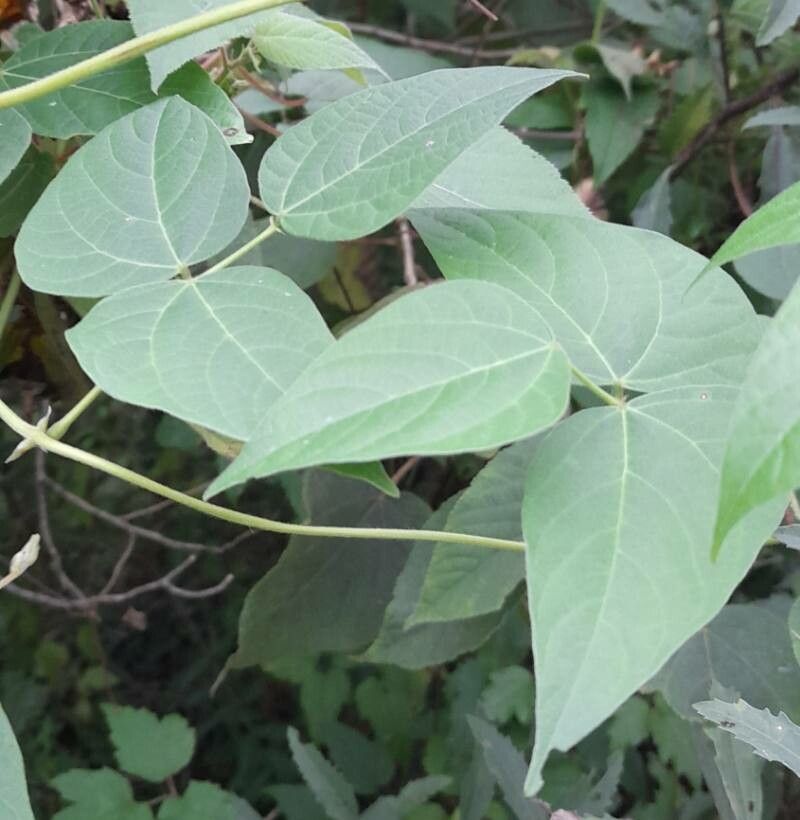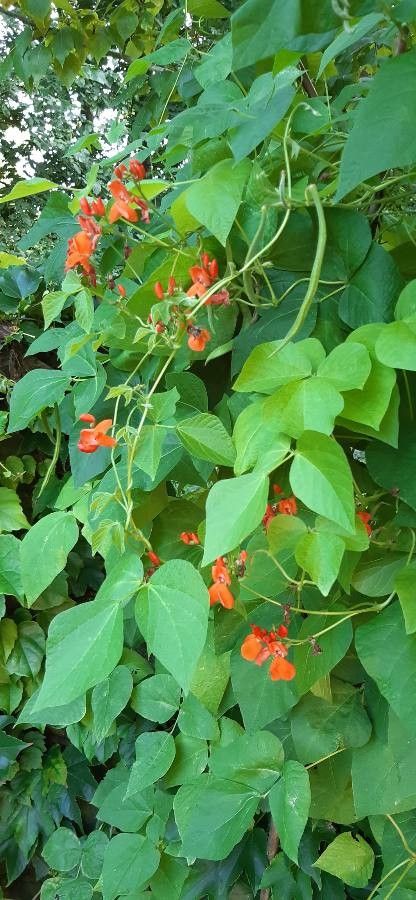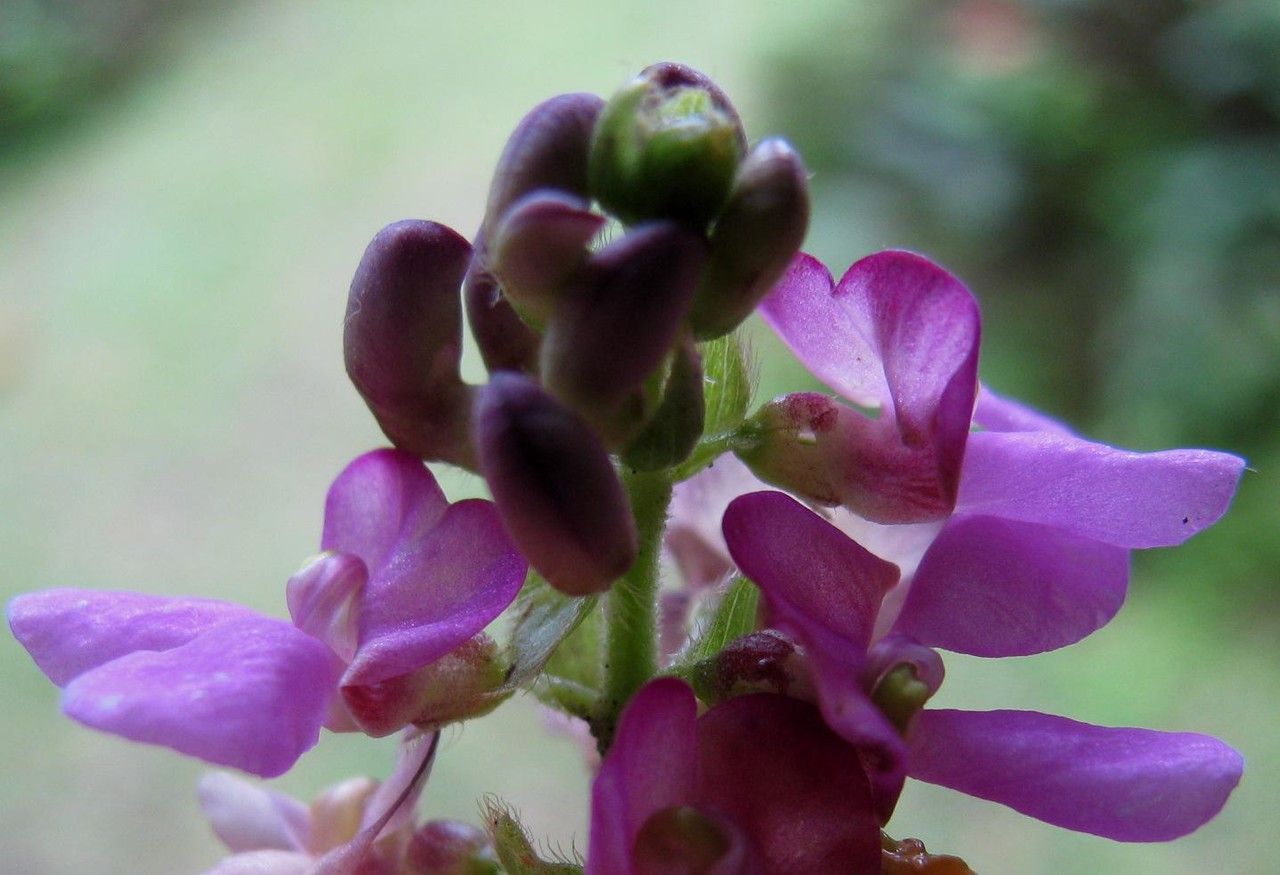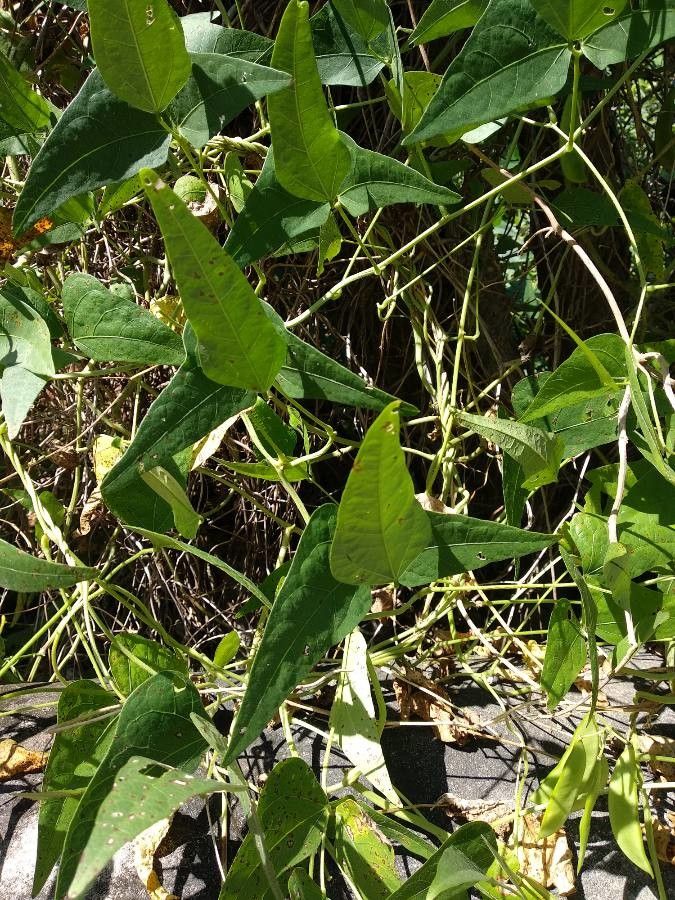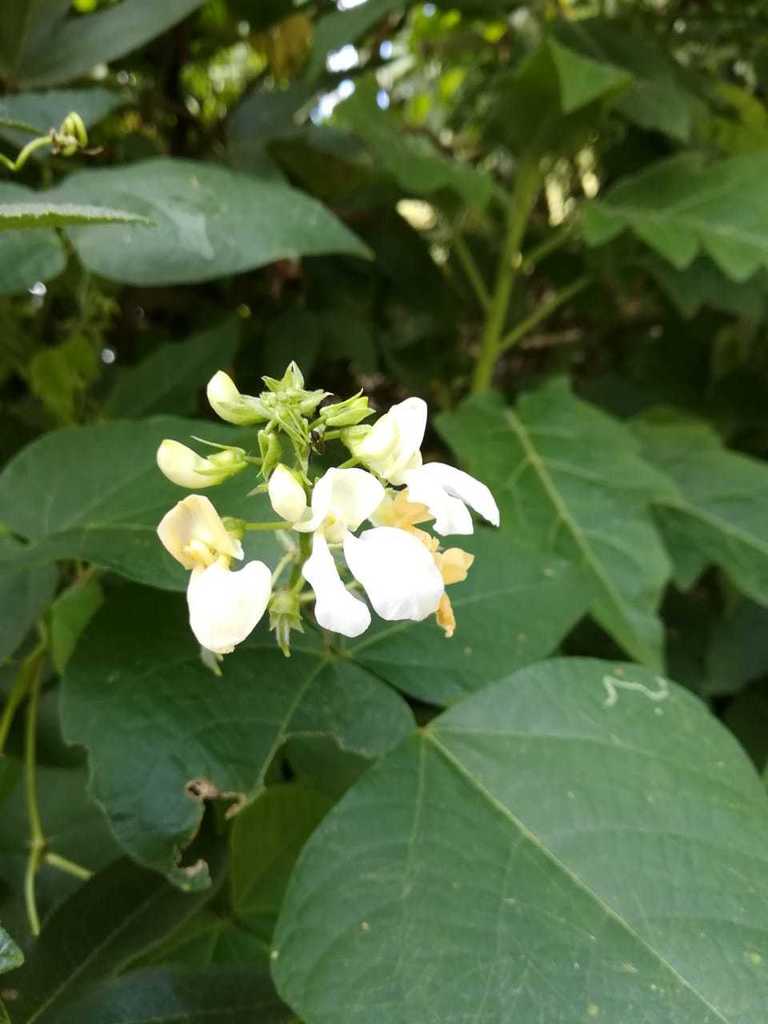
Phaseolus vulgaris, also known as the common bean and French bean, is a herbaceous annual plant grown worldwide for its edible dry seeds or unripe fruit (both commonly called beans). The main categories of common beans, on the basis of use, are dry beans (seeds harvested at complete maturity), snap beans (tender pods with reduced fibre harvested before the seed development phase) and shell (shelled) beans (seeds harvested at physiological maturity). Its leaf is also occasionally used as a vegetable and the straw as fodder. Its botanical classification, along with other Phaseolus species, is as a member of the legume family Fabaceae. Like most members of this family, common beans acquire the nitrogen they require through an association with rhizobia, which are nitrogen-fixing bacteria. The common bean is a highly variable species that has a long history of cultivation. All wild members of the species have a climbing habit, but many cultivars are classified either as bush beans or dwarf beans, or as pole beans or climbing beans, depending on their style of growth. These include the kidney bean, the navy bean, the pinto bean, and the wax bean. The other major types of commercially grown bean are the runner bean (Phaseolus coccineus) and the broad bean (Vicia faba). Beans are grown on every continent except Antarctica. Worldwide, 27 million tonnes of dried beans and 24 million tonnes of green beans were grown in 2016. In 2016, Myanmar was the largest producer of dried beans, while China produced 79% of the world total of green beans. The wild P. vulgaris is native to the Americas. It was originally believed that it had been domesticated separately in Mesoamerica and in the southern Andes region, giving the domesticated bean two gene pools. However, recent genetic analyses show that it was actually domesticated in Mesoamerica first, and traveled south, probably along with squash and maize (corn). The three Mesoamerican crops constitute the "Three Sisters" central to indigenous North American agriculture.
Common bean has moderate resistance to disease but can be susceptible to problems like leaf spot. Its vulnerability to insect pests varies by variety, though most are fairly susceptible. For care, Common bean requires regular watering and fertilization, along with frequent removal of yellow leaves. It is important to manage pests and diseases when they appear and to harvest the plant promptly. Common bean is suitable for those who can devote some time and energy to regular care.
How to keep Phaseolus Vulgaris.
Light
Common beans flourish in places where they can enjoy the warmth of Day's Eye for most of the day, though they can tolerate reduced exposure in some situations. Originating from regions with strong sunlight, these plants exhibit restricted growth if not provided with ample light and are prone to sunscald when overexposed.
Water
Originating in areas with varying moisture levels, the common bean is efficient in water use and moderately tolerant to drought. It thrives with consistent moisture, typically needing to be watered twice a week. Usually grown outdoors, the common bean requires sufficient hydration during the growing season to ensure optimal flowering and bean production.
Humidity
This plant will thrive in moderate humidity, which is probably the level in your home. However, misting it a few times a week can be very beneficial. Make sure the room has good ventilation.
Temperature
Common beans come from areas where temperatures are between 68 and 100.4 °F (20 to 38 ℃). They prefer warm, summer-like conditions. To achieve optimal growth, keep temperatures within that range year-round.
Fertilizer
To feed Common bean, apply natural or commercial fertilizer high in nitrogen for leaf development, phosphorus for root and flower growth, and potassium for photosynthesis and maximum fruit yield. Plant in spring, enrich the soil with compost or manure, and fertilize seedlings when they reach a height of 2–4 inches (5.1–10.2 cm). Insufficient macronutrients result in slow growth, wilting, and reduced fruit quality.
Pruning
The common bean is a fast-growing legume cultivated for its edible pods and seeds. To encourage healthy growth, improve air circulation, prevent pests, and stimulate new growth, prune the plant from early to late spring. Make cuts just above the leaf nodes. For detailed pruning techniques, consult horticultural guides.
Pot & Repot
When repotting Common bean, choose a pot that's 1-2 inches (2.5–5.1 cm) larger in diameter and ensure it has good drainage. Use a well-draining potting mix and consider adding perlite for extra drainage. Repot in spring or early summer, then water thoroughly and keep it in a shady spot at first.
Botanical profile.
- Plant Type
- Vine, Herb
- Life Cycle
- Annual, Biennial, Perennial
- Genus
- Phaseolus
- Family
- Fabaceae
- Hardiness Zone
- 2-11
- Mature Height
- 20 cm to 61 cm
- Mature Spread
- 30 cm
- Leaf Color
- Green
- Leaf Type
- Deciduous
- Flower Color
- White, Pink
- Flower Size
- 2.54 cm
- Bloom Time
- Late spring, Early summer, Mid summer
- Planting Time
- Spring, Summer
- Harvest Time
- Mid summer
- Native Area
- Mexico, Bolivia, Venezuela, Guyana, Nicaragua, Ecuador, Costa Rica, Panama, China
Other names.
Reader questions.
When Should I Water My Common Bean?
Watering your common bean is pivotal for its health, affecting growth, flower production, and resistance to diseases. The ideal time to water is determined by checking the soil's moisture level about 1-2 inches deep; if the soil feels dry, it needs water. Be alert for signs like wilting or discoloration of leaves, stunted growth, and flower buds dropping, which indicate the plant is under-watered. Conversely, too early or late watering risks such as root rot or plant death due to dehydration are significant. Monitoring weather conditions and adjusting your watering strategy accordingly can help maintain the plant's vitality.
Why is it important to add fertilizer to my Common bean plant?
When growing Common bean for its fruit, it is important to supplement the soil with additional nutrients to ensure the best harvest. Plants require various macronutrients, each serving a different purpose. Phosphorus, in particular, is essential for promoting flower and fruit formation. However, plants also need adequate nutrients for their root system and leaves, which are essential for absorbing sunlight. Insufficient macronutrients can result in weak plant growth, slow development, and potential wilting. Since plants use significant energy for flowering and fruiting, any deficiencies in these key components will be reflected in the quality of the resulting fruits.
What are the sunlight requirements for common beans?
Common beans (Phaseolus vulgaris) require a significant amount of sunlight to thrive properly. For optimal growth, these plants need 'Full sun' which is characterized by more than 6 hours of sunlight daily. However, they can also tolerate 'Partial sun', defined as about 3-6 hours of sunlight. It's crucial to observe the movement of sunlight through the garden meticulously, choosing locations that ensure an adequate balance of light and shade, to foster the well-being of your plants.
What is the ideal temperature range for the growth of Common bean?
The ideal temperature range for the growth of Common bean (Phaseolus vulgaris) is between 68 to 100.4 °F (20 to 38 °C). These plants thrive in environments with summer-like conditions and prefer warmth for optimal growth. To ensure the health and productivity of the Common bean, it's important to maintain this temperature range throughout the year, especially during winter cultivation, where temperatures should be kept above freezing to prevent damage.
How Should I Water My Common Bean?
The common bean thrives in soil that's consistently moist but well-draining, requiring a balance between over and under-watering. Techniques like bottom-watering, which allows the plant to absorb water from the bottom up, or using a watering can to direct water at the base, are preferred. Using a moisture meter to gauge when the top 2 to 3 inches of soil are dry is advisable. Focus on watering the base and the root zone, avoiding foliage to prevent disease. Proper watering direction and frequency are key to promoting a healthy common bean plant.
When should I fertilize my Common bean?
To successfully grow common beans during the summer months, it's important to plant them in the spring. The specific planting time may vary depending on the variety, so be sure to check the recommendations. Creating a fertile environment is crucial for high-quality produce. Before planting, incorporate a 2 inch layer of compost or well-rotted manure into the soil. This will enrich the soil with nutrients and improve drainage. For transplants, you can fertilize immediately after planting, but for seedlings, wait until they reach a height of 2 to 4 inches before applying fertilizer for the first time. Established plants should be fed every 3 to 4 weeks until the first frost or when the plant stops producing. Take into account the specific fertilizer type and common bean variety to tailor your fertilization schedule accordingly. When uncertain, it is better to apply less fertilizer.
What essentials should be known about the common bean's sun exposure?
The common bean thrives best when it can enjoy the warmth of the sun for most of the day. Originating from regions with ample sunlight, these plants can experience stunted growth if not exposed to enough light. Yet, it's important to note that excessive exposure can also lead to conditions such as sunscald. When natural sunlight is not sufficient, especially in indoor settings or during winter, artificial lighting like LED lights providing 10-50W/sq ft depending on the plant's sunlight needs, can be an effective solution to ensure the plant receives the appropriate intensity and duration of light, typically 8-12 hours a day, mimicking natural conditions as closely as possible.
What measures should be taken when winter temperatures approach -5°C (25°F) for Common bean?
When winter temperatures approach -5°C (25°F), it's advisable to take protective measures for Common bean plants to prevent freezing damage. If possible, bring the plants indoors or set up a temporary greenhouse to offer protection. Alternatively, using materials such as plastic film or fabric to wrap the plant can provide necessary insulation against the cold, helping to maintain a more suitable growing environment.
How Much Water Does Common Bean Really Need?
The common bean requires a fixed amount of water based on various factors like pot size and root depth, aiming for a harmonious balance to avoid over or under-watering. A medium-sized pot usually needs about 250-500 milliliters per watering session. Identifying the plant's hydration level is crucial; a well-hydrated plant has vibrant green, turgid leaves, and a firm stem. Be wary of underwatering and overwatering signs such as wilting or yellowing leaves and adjust water amounts as necessary. Regular and consistent watering, preventing soil from completely drying out, enhances bean pod development and overall plant health.
When is the best time to not add fertilizer to my Common bean?
To optimize the growth of Common bean, it is best to avoid using a fertilizer with excessive nitrogen. This excessive nitrogen can result in an overabundance of leaves but fewer blooms and fruits. Instead, opt for a fertilizer that has a lower nitrogen content compared to other nutrients. It is important to refrain from fertilizing Common bean during periods of high temperatures or dry conditions. This is because the fertilizer may simply wash away through the soil without being absorbed. Additionally, plants have reduced ability to absorb nutrients in hot weather, which can cause the fertilizer to linger in the soil and hinder water absorption by the plants. This situation can be particularly harmful during times of drought or heatwaves.
What are common symptoms of inadequate sunlight in common beans?
When common beans do not receive adequate sunlight, several symptoms can manifest, which include smaller new leaves, leggy or sparse growth, accelerated leaf drop, slower or halted new growth, and paler or irregularly colored new leaves. Excessive sunlight exposure can also lead to issues such as chlorosis (leaves turning yellow), sunscald (damaged leaves or stems), leaf curling (to reduce water loss), wilting (due to excessive transpiration), and leaf scorching (brown, dry edges on leaves). All these symptoms negatively impact the plant's health, underlining the importance of providing optimal light conditions.
How does low temperature affect Common bean and what are the solutions?
Common bean has a moderate tolerance to low temperatures, but it performs best within its suitable temperature range. Exposing the plant to temperatures below its tolerable growth minimum can lead to symptoms such as darkening of leaves, water-soaked necrosis, wilting, and eventually, the leaves may turn brown and droop. Solutions include trimming away frost-damaged parts, moving the plant to a warmer indoor location, or setting up a temporary greenhouse. Placing the plant near a south-facing window can ensure it receives enough sunlight, and if necessary, supplemental lighting may be used.