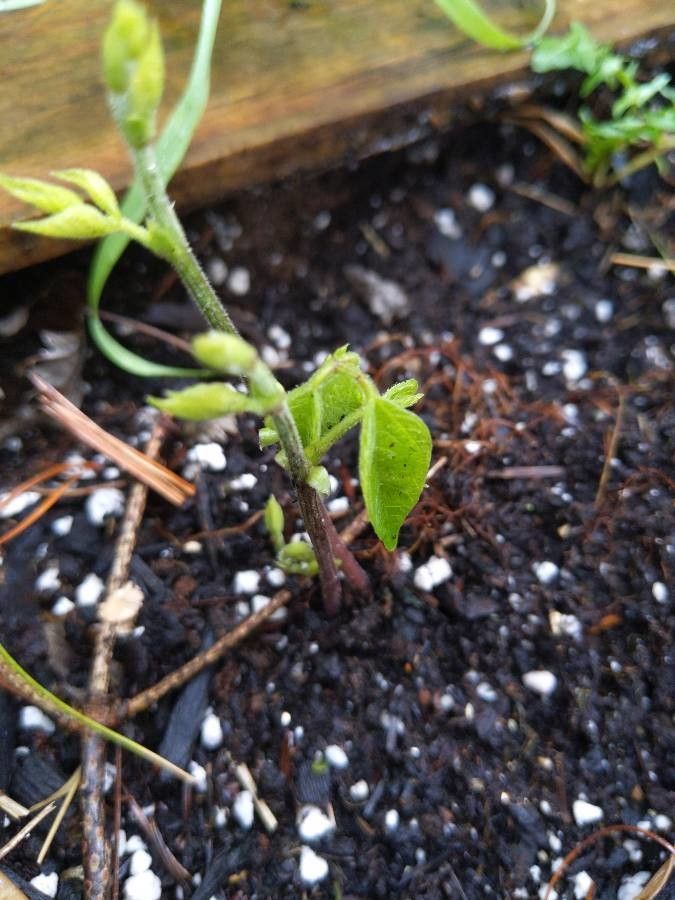
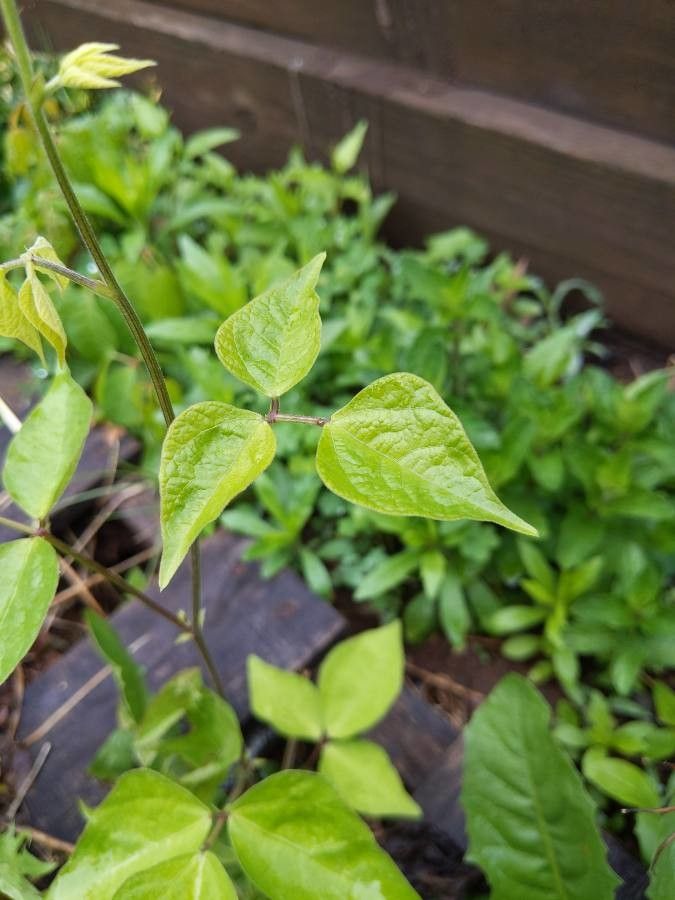
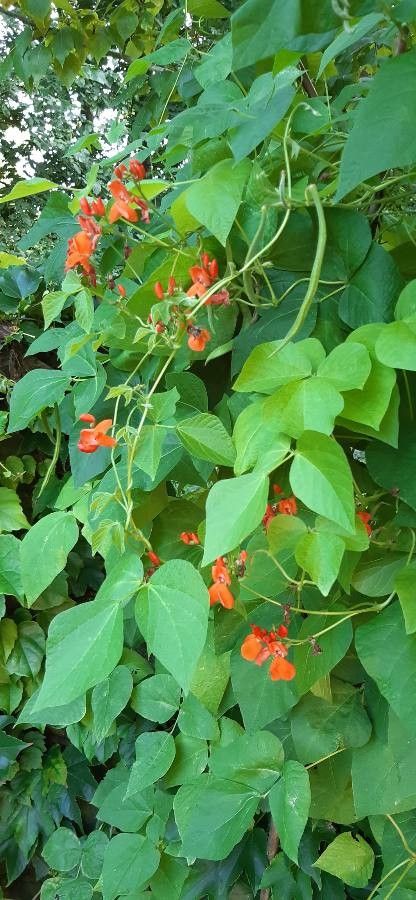
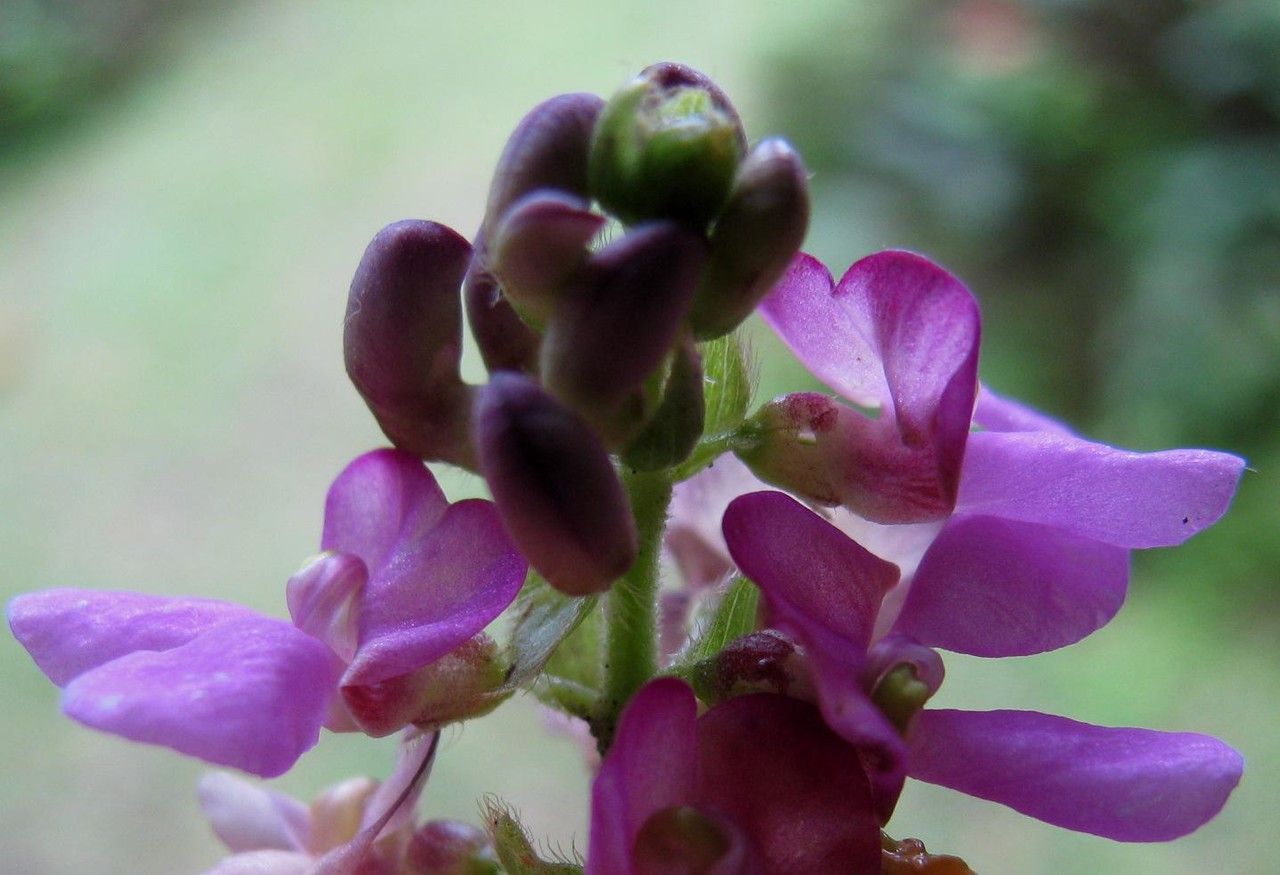
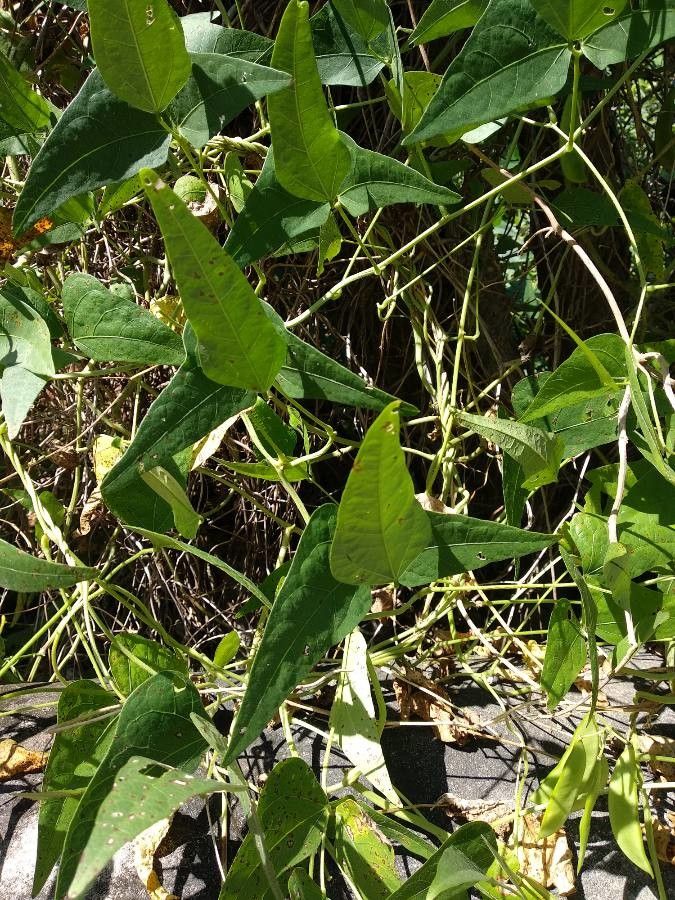
Phaseolus polystachios, commonly known as the wild bean or man-of-the-earth, is a species of flowering plant in the Fabaceae family. Native to North America, it thrives in diverse habitats such as forests, fields, and wetlands. This plant can grow up to 2 meters tall and exhibits a climbing habit with twining stems that wrap around other plants for support.
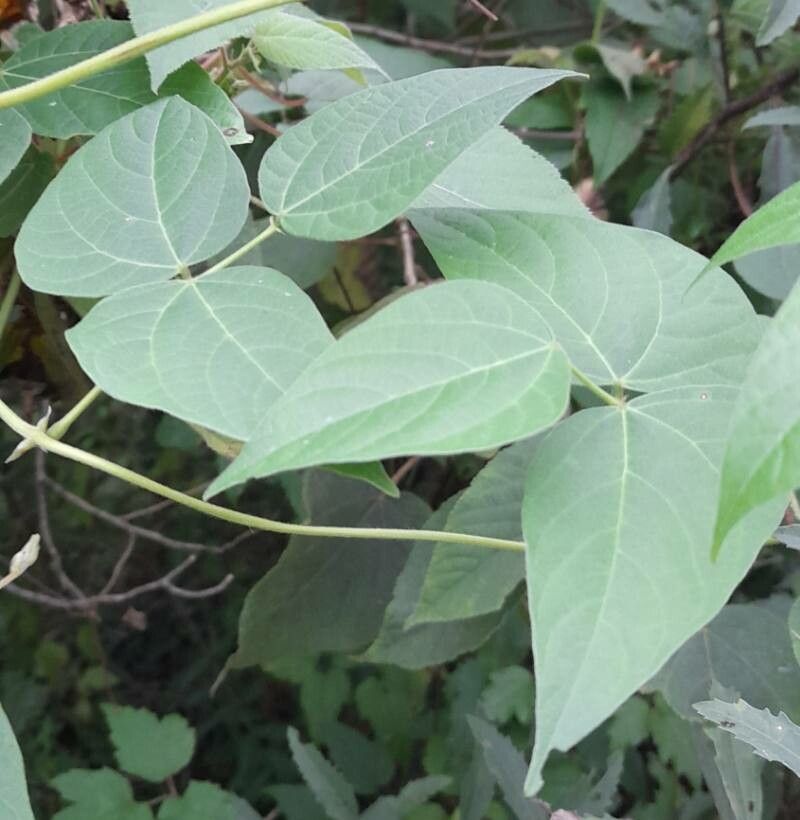
The leaves of Phaseolus polystachios are trifoliate, featuring oval-shaped leaflets that range from 3 to 10 cm long. Its flowers, which are small and either white or pinkish-purple, are arranged in clusters on long stalks called racemes. The fruit is a pod containing several seeds.
For centuries, Native American tribes have utilized the wild bean for both food and medicinal purposes. The seeds can be cooked or roasted like other beans, providing a nutritious food source rich in protein, fiber, vitamins B1 and B6, and minerals such as iron.
In addition to its culinary uses, Phaseolus polystachios has been employed medicinally by Native Americans to treat various ailments, including feverish conditions like malaria or typhoid fever, due to its antipyretic properties.
Overall, the wild bean is an important plant species both ecologically, as it provides habitat for wildlife, and culturally, as it holds significant value within indigenous communities.
Thicket bean has moderate resistance to disease but may be susceptible to problems like leaf spot. Its susceptibility to insect pests can vary by variety, although most varieties are less resistant to pests. Regarding care, Thicket bean requires regular watering and fertilizing, as well as frequent removal of yellow leaves. It is important to address pests and diseases when they occur and to harvest the plant promptly. Thicket bean is suitable for people who can dedicate some time and effort to regular care.
How to keep Phaseolus Polystachios.
Light
Thicket bean is native to areas with plentiful sunlight, such as open fields and sunny meadows. It prefers full sun but can also tolerate partial sun.
Temperature
Thicket bean prefers moderate temperatures, similar to what people generally find comfortable. It does best in conditions that are neither too hot nor too cold. The primary problem with high temperatures is the risk of sunburn, so in summer it is wise to provide some shade to avoid excessive heat. When temperatures fall, Thicket bean becomes dormant. If you want it to keep growing continuously, you need to keep temperatures higher in winter. Frost can damage the plant and should be avoided.
Fertilizer
Thicket bean species benefit from one or two applications of organic, natural fertilizers that supply potassium and phosphorus. Apply the fertilizer before planting, work it into the soil, and water thoroughly. Usually one application is enough, but a second can be applied once seedlings are established. Avoid excessive fertilizer use, as it can damage the plants.
Botanical profile.
- Plant Type
- Herb, Vine
- Life Cycle
- Perennial
- Genus
- Phaseolus
- Family
- Fabaceae
- Hardiness Zone
- 5-9
- Mature Height
- 0.91 m to 3.05 m
- Mature Spread
- 49 cm to 91 cm
- Leaf Color
- Green, Dark Green
- Leaf Type
- Deciduous
- Flower Color
- Pink, Lavender
- Flower Size
- 1.02 cm to 1.52 cm
- Bloom Time
- Early summer, Mid summer
- Planting Time
- Spring, Summer, Autumn
- Harvest Time
- Late summer, Early fall, Mid fall
Other names.