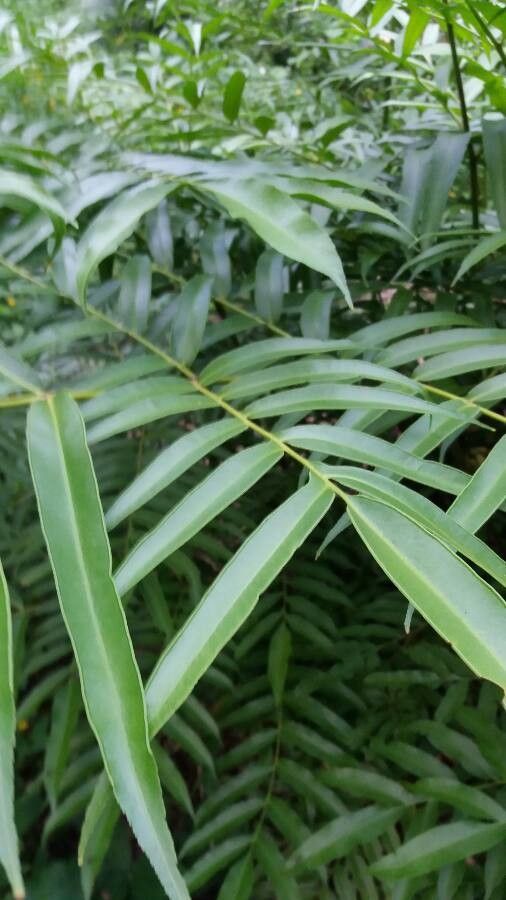
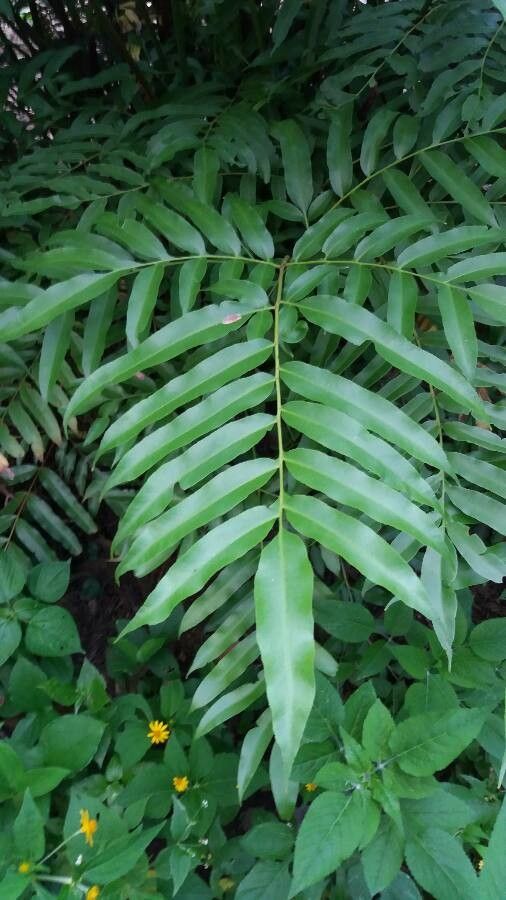
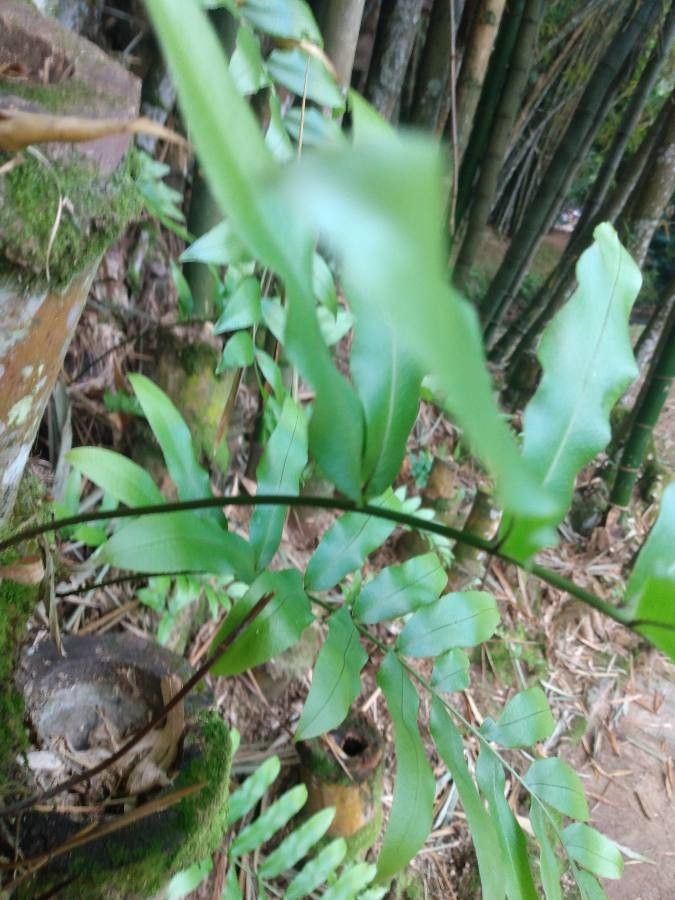
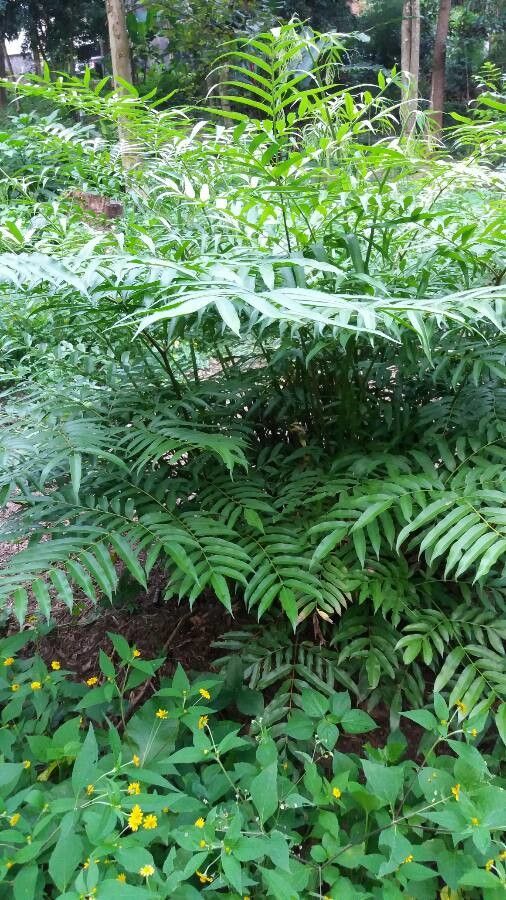
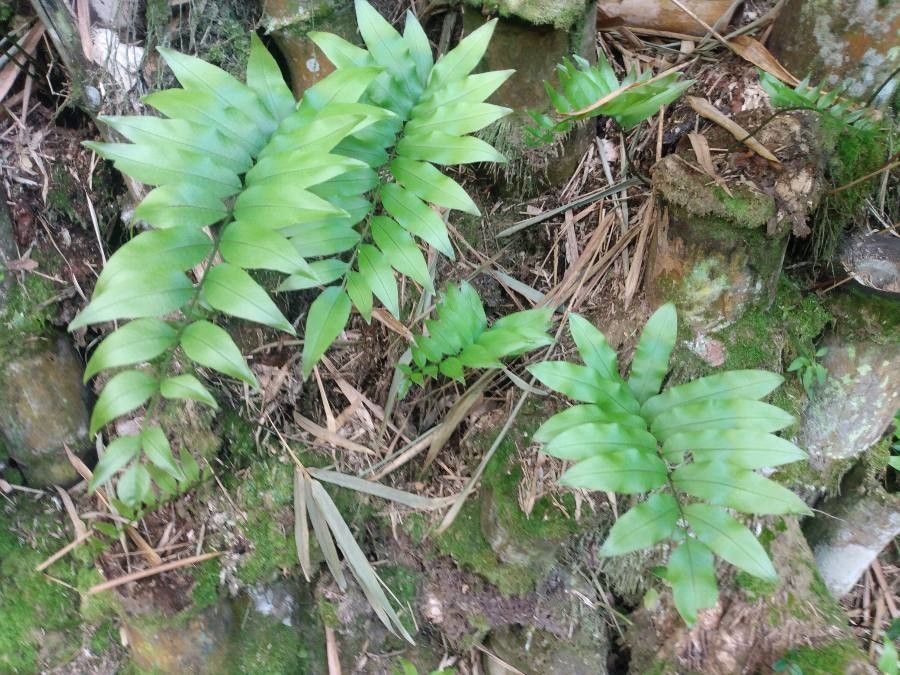
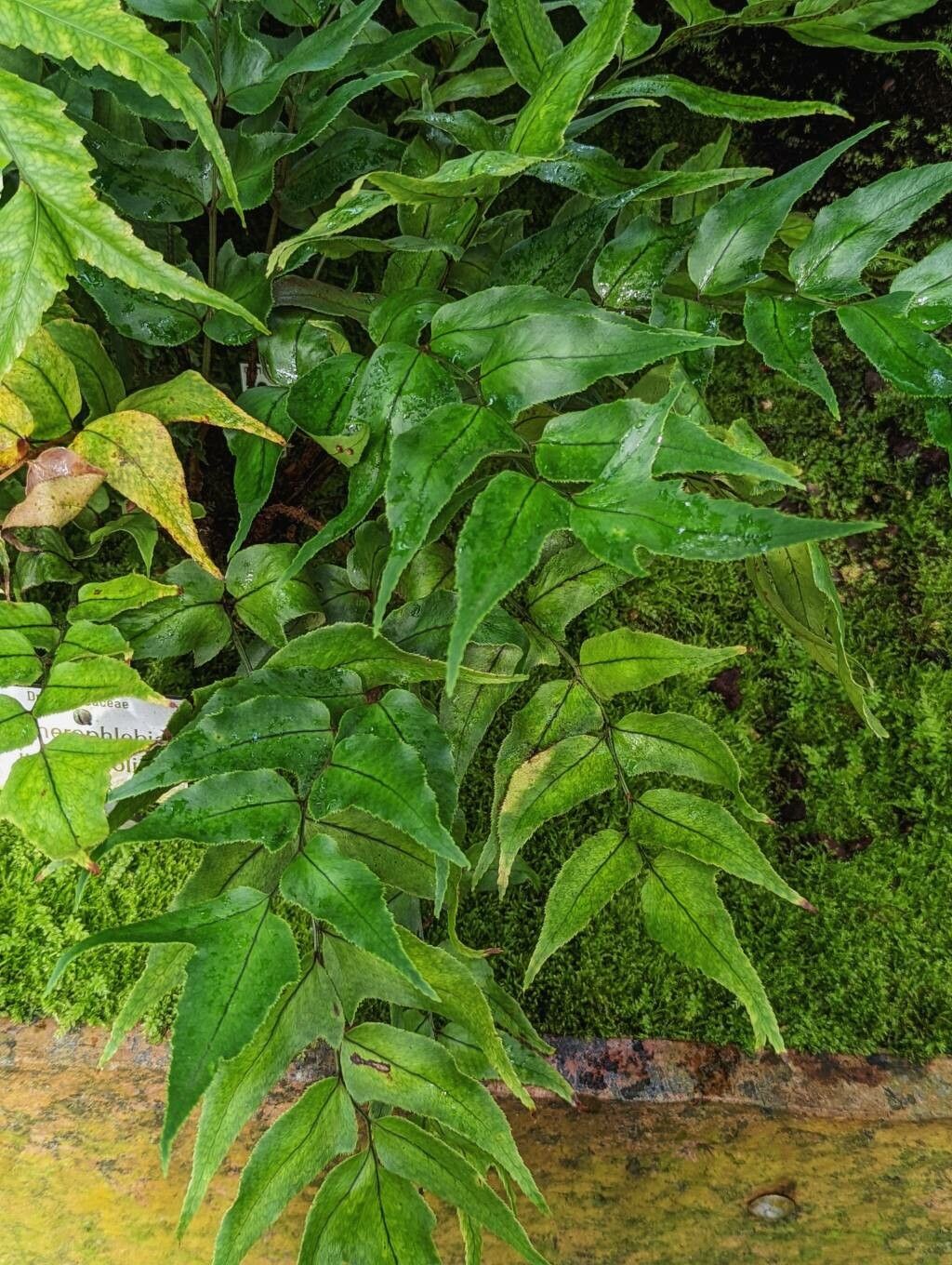
The belly-button vein fern is fairly disease-resistant and typically not vulnerable to illnesses. Nevertheless, it can be affected by pests and diseases present in its surroundings. Those problems are generally mild. Regarding care, this plant needs a moderate amount of maintenance. It should be pruned regularly to preserve a neat appearance and encourage healthy growth. Fertilizing can also aid in promoting blooms. This fern is well suited to anyone with outdoor space, such as a garden or patio, and does not demand extensive care experience. It may require increased attention if grown indoors.
How to keep Phanerophlebia Umbonata.
Light
Belly-button vein fern is native to habitats such as forest understories or rocky locations that offer natural shade. It prefers Full Shade but can tolerate Partial Sun.
Water
The belly-button vein fern thrives in humid environments and flourishes with consistent moisture. It prefers high humidity and benefits from regular misting. To maintain its lush foliage, it should be watered weekly. Replicating its natural tropical conditions is essential for its growth, as it is commonly grown indoors as an epiphytic fern.
Temperature
Belly-button vein fern can adjust to a broad range of temperature conditions, though its distribution can still be restricted by different combinations of moisture and heat. It performs best in warm summer climates with sufficient rainfall or watering. Extended stretches of cloudy, rainy weather and prolonged high temperatures both raise the risk that the Belly-button vein fern will die. During winter, providing proper protection from the cold can increase the plant's chances of survival.
Fertilizer
One application of fertilizer in spring is typically enough for Belly-button vein fern, although repeated feedings can increase growth. Apply fertilizer every month to every month and a half. Fertilization improves leaf appearance and function, maintaining even color and a healthy texture. It also encourages root development and nutrient uptake, supporting long-term plant health.
Pruning
The belly-button vein fern is a unique plant that requires early spring pruning to remove dead fronds and encourage healthy growth. Later in the spring, you can shape the plant with light pruning. Be sure to clean your tools to prevent the spread of disease. Pruning also improves air circulation, which helps reduce the risk of fungal infections.
Botanical profile.
- Plant Type
- Herb
- Life Cycle
- Perennial
- Genus
- Phanerophlebia
- Family
- Polypodiaceae
- Hardiness Zone
- 8-11
- Mature Height
- 30 cm to 61 cm
- Mature Spread
- 30 cm to 49 cm
- Leaf Color
- Dark Green
- Leaf Type
- Evergreen
- Planting Time
- Spring, Summer, Autumn
- Native Area
- Mexico
Other names.