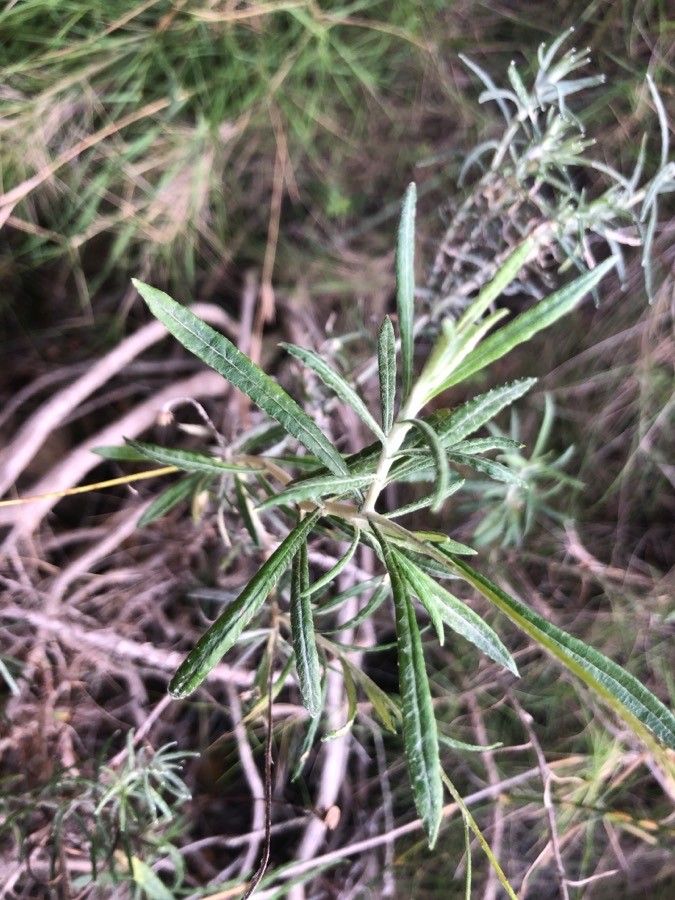
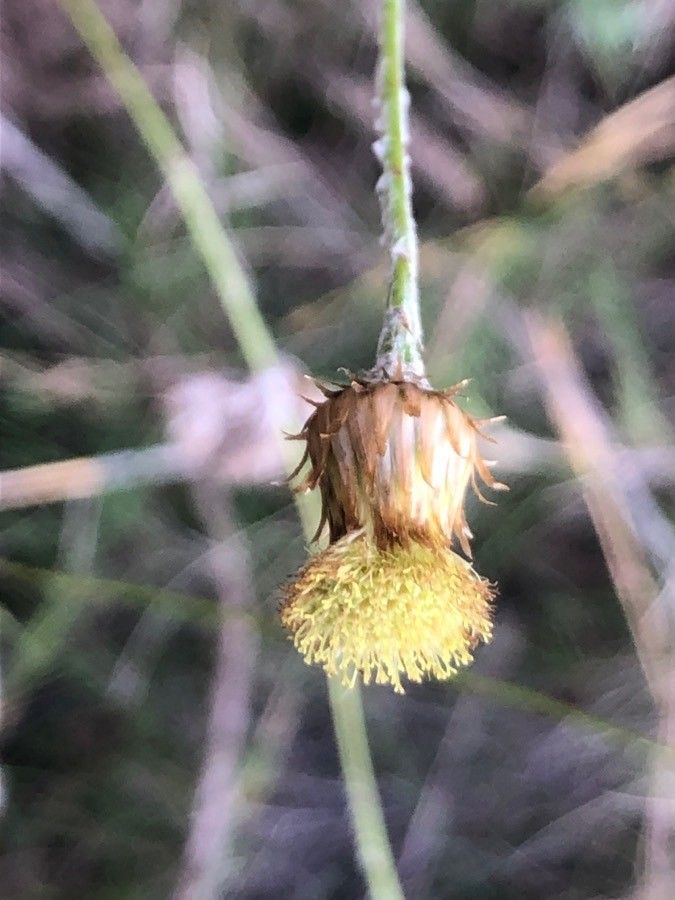
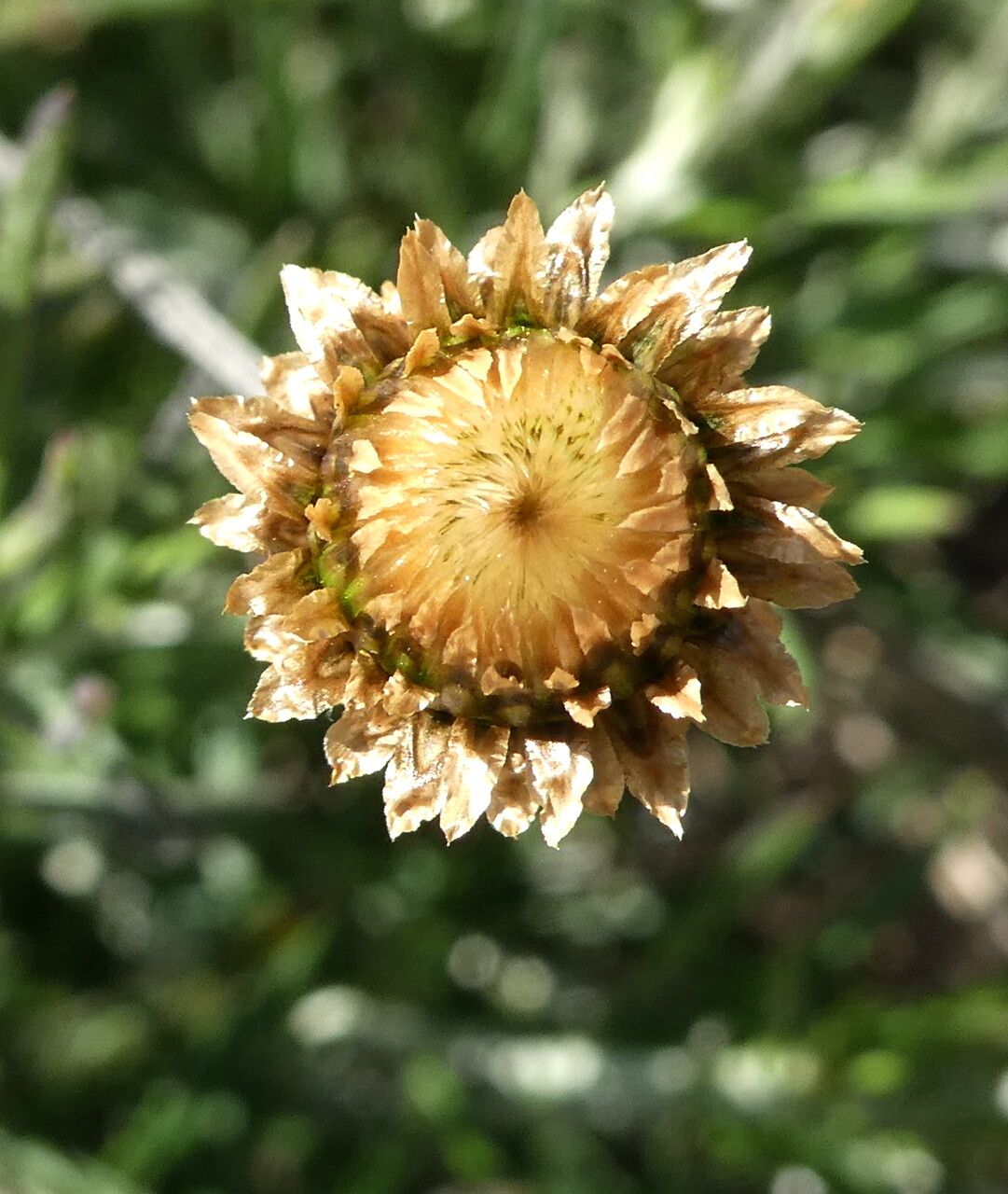
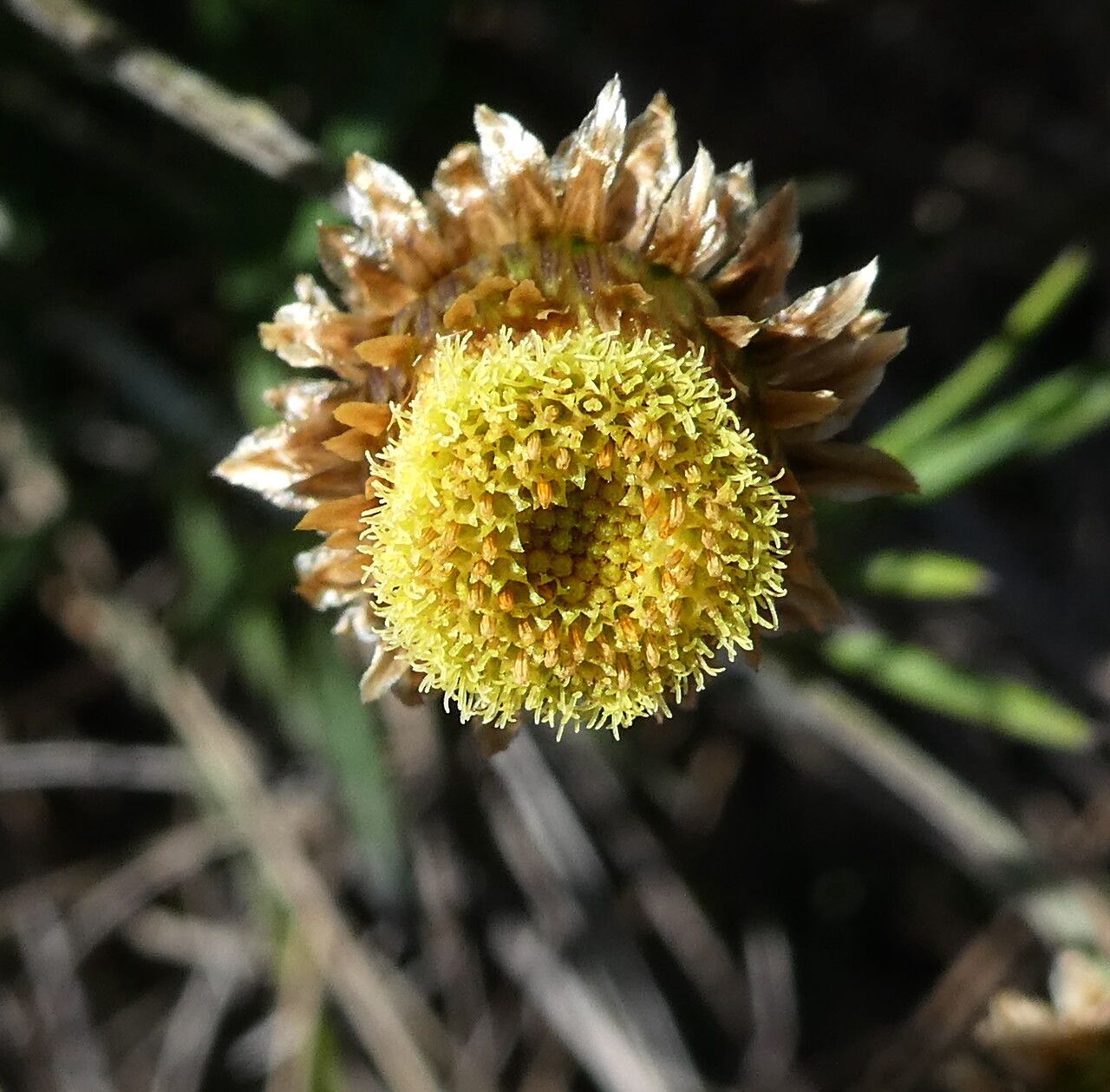
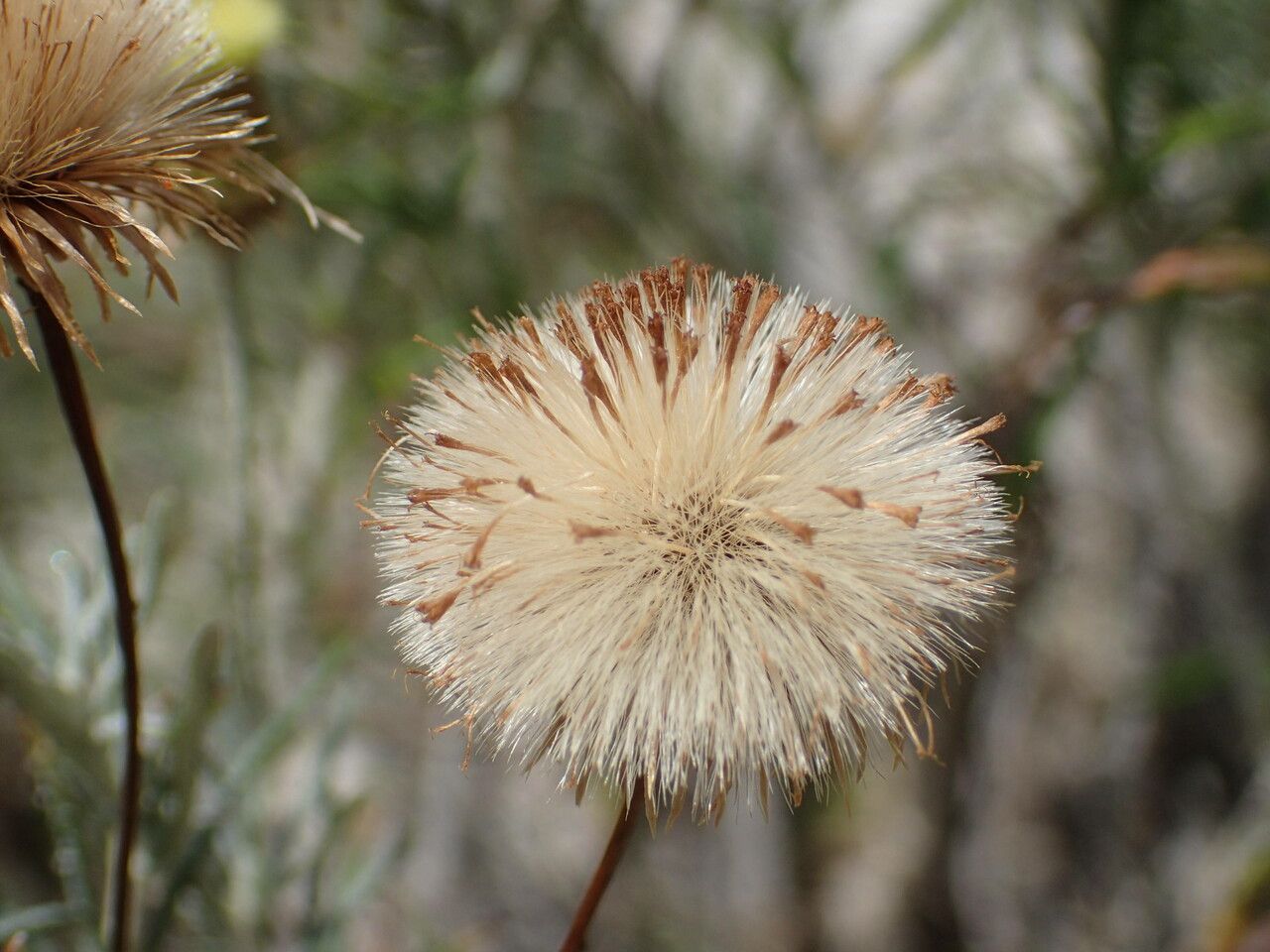
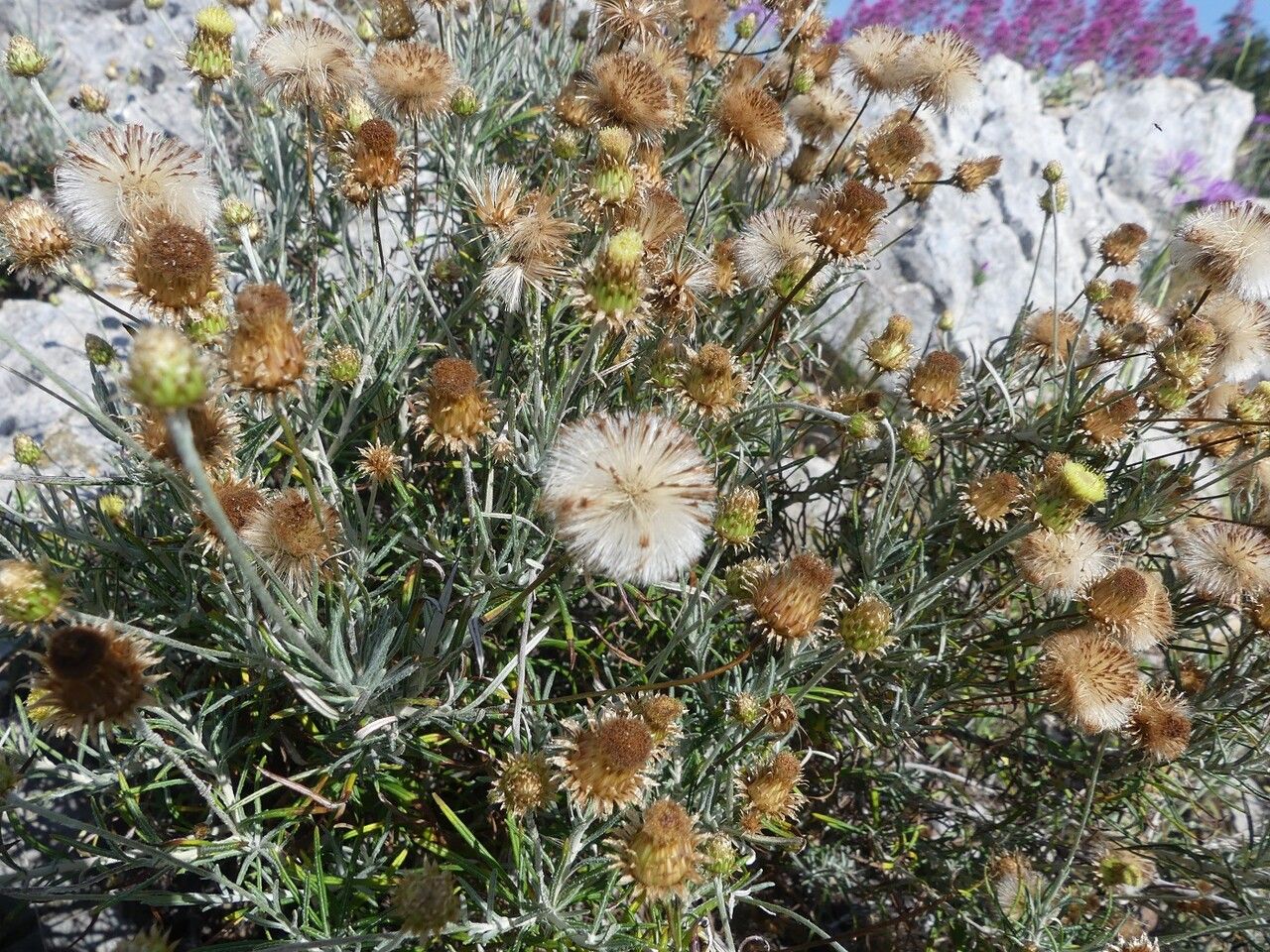
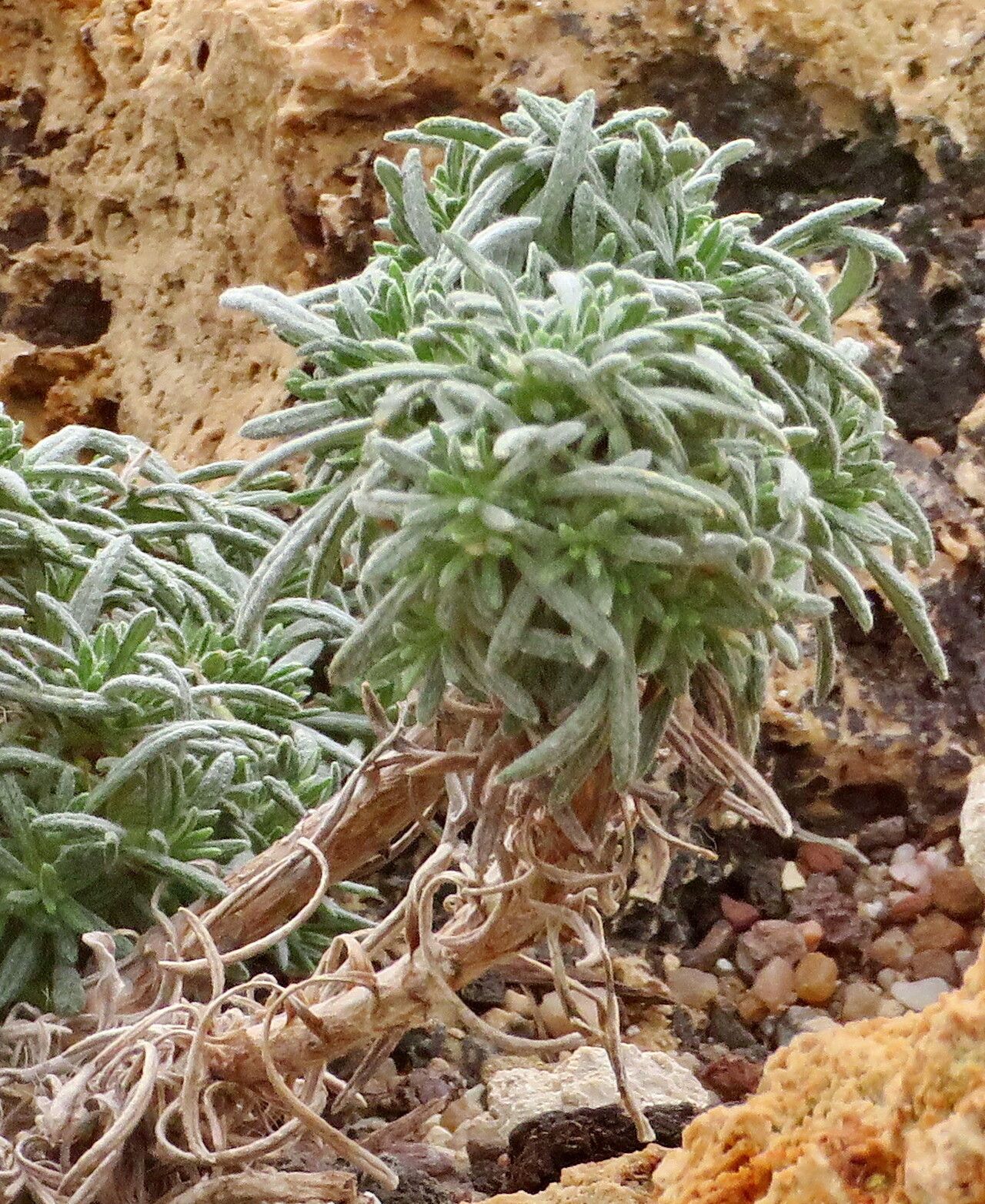
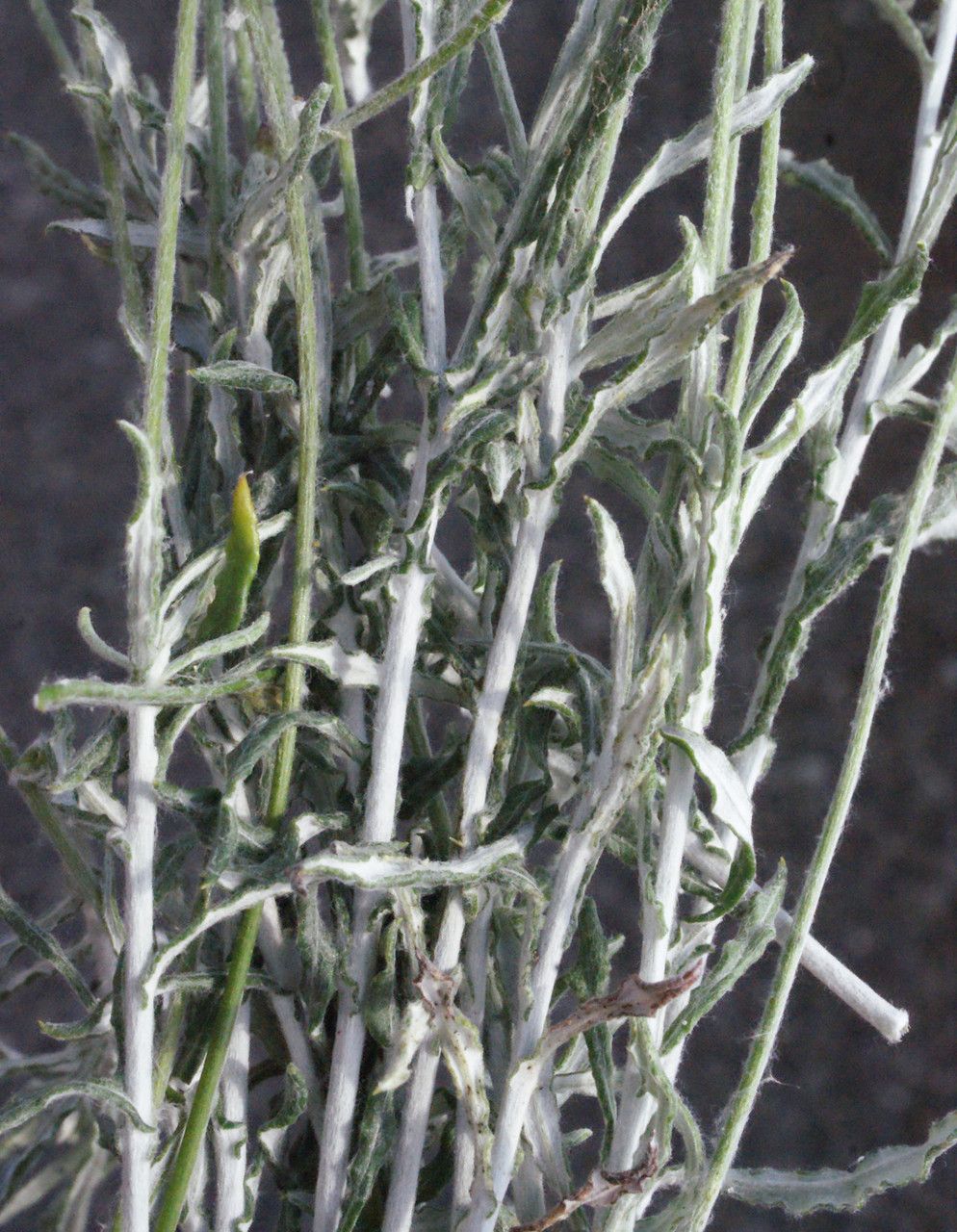
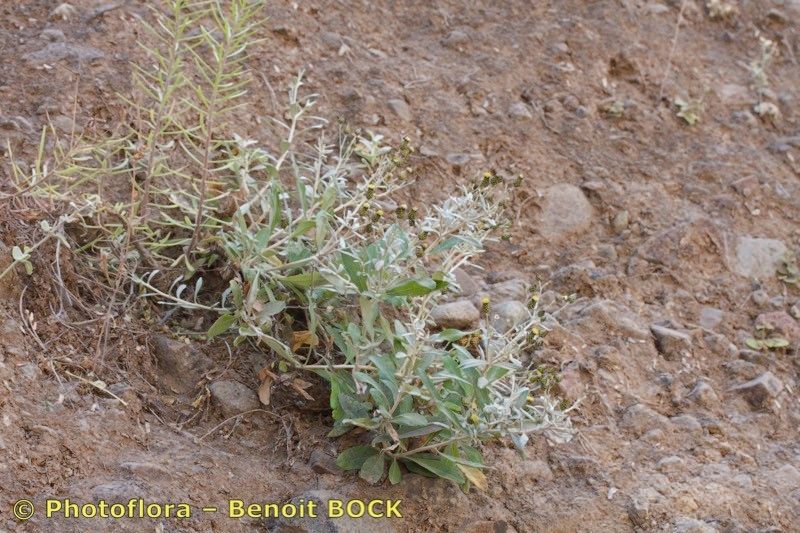
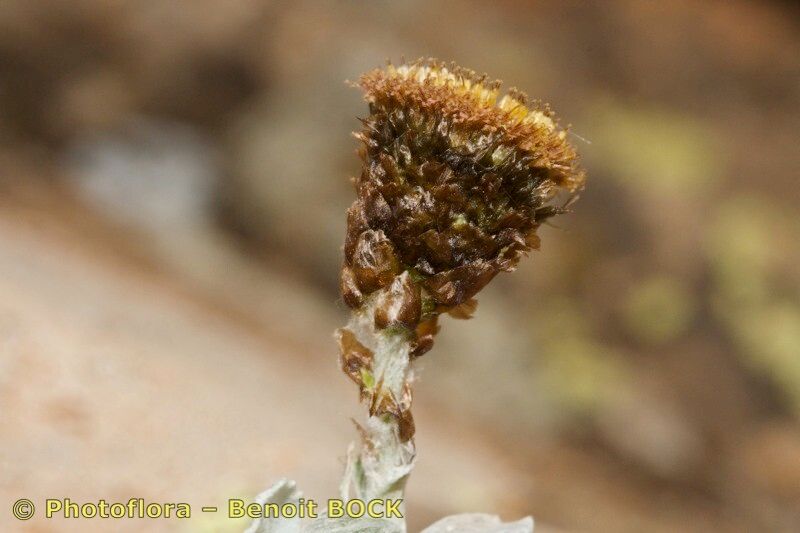
Phagnalon saxatile, commonly known as Pink Cudweed, is a perennial herbaceous plant that belongs to the Asteraceae family. Native to the Mediterranean region, it thrives in rocky and sandy areas, as well as in open fields and along roadsides.
This plant grows up to 30 cm tall and features a woody base. Its narrow leaves are covered with fine hairs, giving them a silvery appearance. From June to September, Pink Cudweed produces pink or purple flowers.
For centuries, Phagnalon saxatile has been valued for its anti-inflammatory properties and used in traditional medicine. It is also popular as an ornamental plant due to its attractive flowers.
Pink Cudweed is easy to grow, requiring well-drained soil and full sun exposure. It can be propagated by seeds or cuttings, making it an ideal addition to rock gardens or borders.
In summary, Phagnalon saxatile is a beautiful herbaceous perennial with medicinal properties. Its aesthetic appeal and usefulness in traditional medicine make it a valuable plant.
Mediterranean phagnalon shows strong resistance to disease and is generally not susceptible to illnesses. As for maintenance, this plant is fairly low-maintenance. When grown outdoors it needs only occasional watering, and larger specimens typically do not require pruning. Smaller plants, however, should be pruned after they finish blooming. Mediterranean phagnalon is suitable for anyone with outdoor space, like a garden or a deck, and does not demand much prior plant-care experience.
How to keep Phagnalon Saxatile.
Light
Mediterranean phagnalon performs best in spots where sunlight is unobstructed throughout the day. Naturally occurring in broadly sun-exposed habitats, this plant needs abundant light for healthy development. Too little sunlight can result in poor growth, whereas excessive sun can cause it to dry out.
Water
The Mediterranean phagnalon thrives in arid climates because of its strong drought tolerance, which allows it to require very little water. Watering once every 2-3 weeks is enough to meet its needs. Being an evergreen plant, it keeps its foliage throughout the year, which further reduces its water requirements during the cooler months.
Temperature
Mediterranean phagnalon thrives at temperatures of 59 to 95 °F (15 to 35 °C), matching the climate of its Mediterranean origin. It favors evenly distributed seasonal warm and cool periods. Temperature adjustments should correspond to local climate characteristics.
Fertilizer
Timing is essential for fertilizing Mediterranean phagnalon. Apply fertilizer in early spring and continue once a month until early summer. Fertilizer promotes attractive blooms and supplies energy during both dormant and active growth periods.
Pruning
The Mediterranean phagnalon benefits from pruning in early to late winter to maintain its shape and encourage growth. Trim any dead branches to improve airflow and increase light exposure. Avoid heavy pruning; instead, opt for light and regular cuts. This approach enhances flowering, reduces the risk of disease, and promotes bushier growth, creating an attractive garden display.
Botanical profile.
- Plant Type
- Shrub
- Life Cycle
- Perennial
- Genus
- Phagnalon
- Family
- Asteraceae
- Hardiness Zone
- 8-10
- Mature Height
- 49 cm
- Mature Spread
- 30 cm to 49 cm
- Leaf Color
- Green, Blue
- Leaf Type
- Evergreen
- Flower Color
- Yellow, White
- Flower Size
- 0.51 cm to 1.52 cm
- Bloom Time
- Mid spring, Late spring, Early summer
- Planting Time
- Spring, Summer, Autumn
- Harvest Time
- Summer
- Native Area
- Libya, Tunisia, Portugal, Italy, Spain, Albania, Algeria, Greece, Morocco, France
Other names.
Reader questions.
What should I do if I give my Mediterranean phagnalon too much or too little water?
Outdoor plants, especially newly planted ones or seedlings, can suffer from lack of water. It's crucial to ensure they receive enough water for a few months, especially when the tree is small or recently planted. Once the roots are established, Mediterranean phagnalon plants can rely on rain for hydration most of the time. When you have Mediterranean phagnalon plants in pots, overwatering is more likely to happen. If you accidentally overwater your Mediterranean phagnalon, you should take immediate action to fix it. First, stop watering the plant right away to minimize the negative effects. Then, remove the plant from its pot to inspect the roots. If you don't find any signs of root rot, you can return the plant to its container. However, if root rot is present, trim away the affected roots and apply a fungicide to prevent further damage. Finally, repot the Mediterranean phagnalon in well-draining soil. On the other hand, underwatering is an easier issue to resolve. If you underwater, the plant's leaves will droop, dry out, and fall off. However, they will quickly recover and regain their fullness after sufficient watering. Therefore, it is important to adjust your watering frequency promptly when underwatering occurs.
What are the sunlight requirements for Mediterranean phagnalon?
Mediterranean phagnalon requires full sun, which means it needs above 6 hours of sunlight daily to thrive. This plant naturally grows in environments where it's broadly exposed to unobstructed sunlight throughout the day. Adequate sunlight is crucial for its healthy growth; insufficient sunlight could lead to poor growth, whereas excessive sun may cause desiccation. It's important to observe how sunlight moves through your garden, choosing spots that provide a perfect balance of light and shade to ensure the plants' happiness.
What are the ideal temperature conditions for Mediterranean phagnalon?
Mediterranean phagnalon thrives in temperatures ranging from 59 to 95 °F (15 to 35 °C), which align with its native Mediterranean environment. This plant prefers well-distributed seasonal heat and cool phases, and its temperature adaptation should be in accordance with local climate characteristics. Although it has some cold tolerance, typically not requiring additional measures when temperatures are above -5°C, below this threshold, temporary protective measures, such as wrapping the plant in plastic film, fabric, or other materials, are necessary. These protections should be removed once temperatures rise again.
How many times a week should I water my Mediterranean phagnalon?
Most plants can rely on rainfall for their water needs. However, if you live in an area with little rainfall, you may need to water your plants every 2 weeks in the spring and fall, and more frequently in the summer. In the winter, when plants require less water, you can water them less often or not at all. If you have a young or newly planted Mediterranean phagnalon, it is important to water it more frequently to help it establish and grow into a drought-tolerant plant. When it comes to potted Mediterranean phagnalon, there are two ways to determine watering frequency. The first option is to follow a set schedule, either every week or every other week. However, this may not always be suitable as it doesn't consider the specific conditions of your plant's environment. Another approach is to monitor the soil moisture. Generally, it is best to wait until the top two to four inches of soil, around ⅓ to ½ depth of the pot, have completely dried out before watering again. This method allows you to adjust the watering frequency based on the season, as the plant's water needs are highest during summer.
Are there any specific indoor lighting tips for Mediterranean phagnalon?
For indoor Mediterranean phagnalon plants, adequate lighting is essential, especially when natural sunlight is insufficient, such as during winter or in less sunny spaces. Artificial lights, like LED lights, offer a valuable solution by promoting faster, healthier growth. These should provide 30-50W/sq ft for full sun plants, 20-30W/sq ft for partial sun plants, and 10-20W/sq ft for full shade plants. The light source should be placed 12-36 inches above the plant to mimic natural sunlight, and the duration of exposure should replicate the plant's natural daylight hours, typically requiring 8-12 hours of light per day.
How does Mediterranean phagnalon react to low temperatures?
Mediterranean phagnalon has a moderate tolerance to low temperatures, thriving best when the temperature remains above 15°C. It should not be allowed to fall below -5°C during winter. If the temperature drops below -10°C, the leaves may start to droop, leading to a mild recovery or, in severe cases, wilting and eventual leaf fall. To counteract frost damage, trim off the frost-damaged parts. Before the plant is exposed to low temperatures again, wrap it with non-woven fabric or cloth and construct a wind barrier for additional protection.
How much water does my Mediterranean phagnalon plant need?
When watering your Mediterranean phagnalon, you don't always need to use a lot of water. If only a few inches of soil have dried since your last watering, giving it about five to ten ounces of water should be enough for healthy growth. You can also determine how much water to use by checking the soil moisture. Keep track of how many inches of soil have dried out between waterings. To ensure your Mediterranean phagnalon gets enough moisture, water the soil layers that have become dry since the last watering. If more than half of the soil is dry, consider giving more water until you see excess water draining from the pot's drainage holes. If your Mediterranean phagnalon is planted in an area that receives ample rainfall, it may not need extra watering. When the plant is young or establishing, make sure it receives 1-2 inches of rain per week. As it grows, it can survive on rainwater alone. Only give it a full watering when there has been no rainfall for 2-3 weeks during hot weather to prevent stress.
What are the symptoms of insufficient light exposure in Mediterranean phagnalon?
Mediterranean phagnalon may exhibit several symptoms under suboptimal lighting, including smaller new leaves compared to previous ones, leggy or sparse growth, faster leaf drop, slowed or halted growth, and lighter-colored or irregularly patterned new leaves. These symptoms indicate the plant's struggle to adapt to low light conditions, entering a survival mode where growth is delayed or stopped, and resources are conserved by shedding older leaves and limiting new leaf production.
How should Mediterranean phagnalon be cared for in high temperatures?
In the summer, it's vital to ensure that the temperature around Mediterranean phagnalon stays below 35°C. Exposure to temperatures over 41°C can cause the leaves to lighten in color, dry up at the tips, curl, and increase the risk of sunburn. If this happens, trim away the damaged parts of the plant. To protect the plant from intense sun and heat, move it to a shaded location or use a shade cloth, especially during the midday and afternoon sun. Additionally, watering the plant in the morning and evening will help keep the soil sufficiently moist.
How can I know if I'm giving enough water to my Mediterranean phagnalon?
The Mediterranean phagnalon commonly faces issues with overwatering. There are signs to watch out for when this happens. Typically, an overwatered plant will have yellowing leaves and may even drop some. Overwatering can also cause the plant's structure to shrink and could lead to root rot. On the other hand, an underwatered Mediterranean phagnalon will start to wilt and may have brown or brittle leaves. If you notice signs of either overwatering or underwatering, it's important to take action and restore the health of your plant.
How does excessive sunlight affect Mediterranean phagnalon?
Excessive sunlight can adversely affect Mediterranean phagnalon, leading to chlorosis, sunscald, leaf curling, wilting, and leaf scorching. Chlorosis results in the loss of leaf green color, turning them yellow due to the breakdown of chlorophyll, which negatively impacts photosynthesis. Sunscald appears as pale, bleached, or necrotic areas on plant tissues, reducing overall health. Leaf curling, a defense mechanism reducing surface area exposed to sunlight, minimizes water loss and damage. Wilting and leaf scorching from overexposure can cause significant stress, decreasing photosynthetic capacity and plant health.
How do I water my Mediterranean phagnalon at different stages of its growth?
When the Mediterranean phagnalon is young, especially as a seedling, it requires more water than when it is fully grown. It is crucial to keep the soil consistently moist during the early stages of its life to promote root development. This applies to any Mediterranean phagnalon that has been transplanted to a new location. Additionally, if you want the Mediterranean phagnalon to produce impressive flowers and fruits, it is important to provide them with proper care. During the flowering or fruiting phase, you may need to increase the amount of water slightly to support these plant structures.