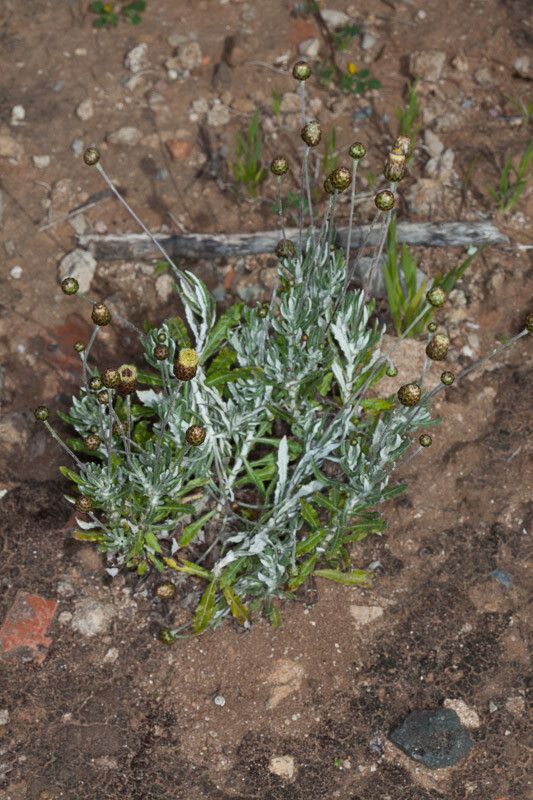
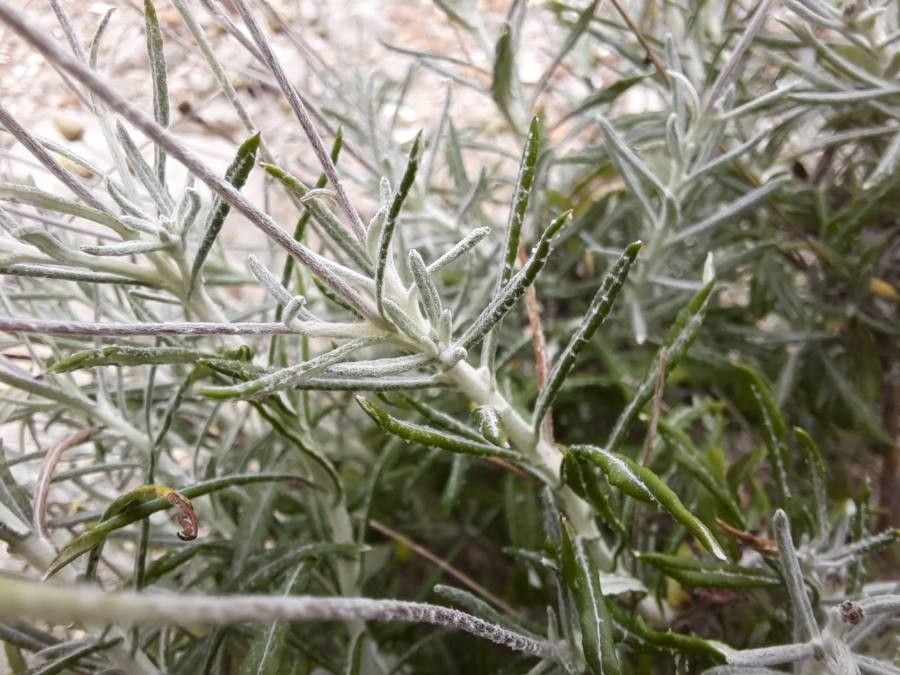
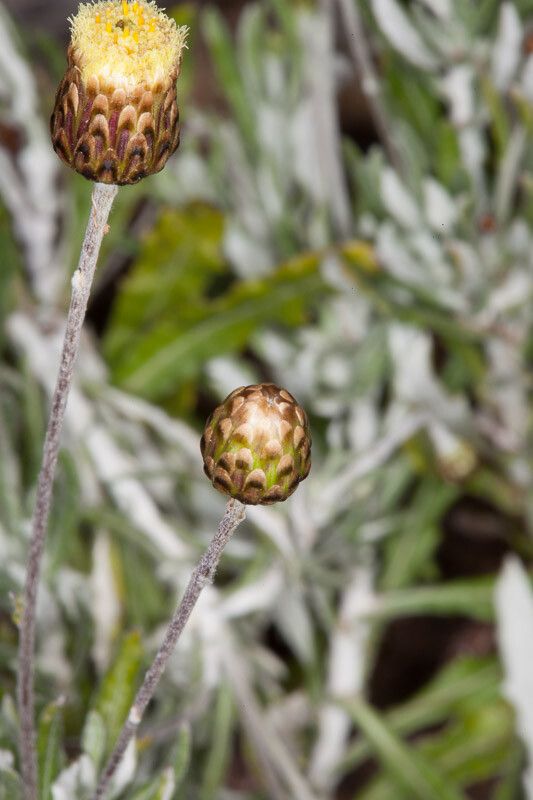
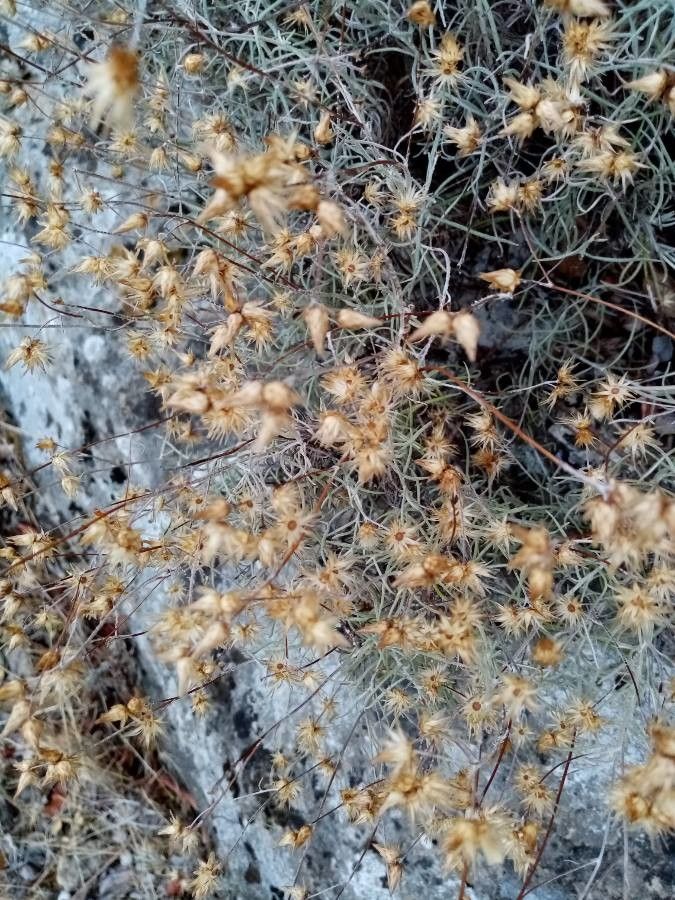
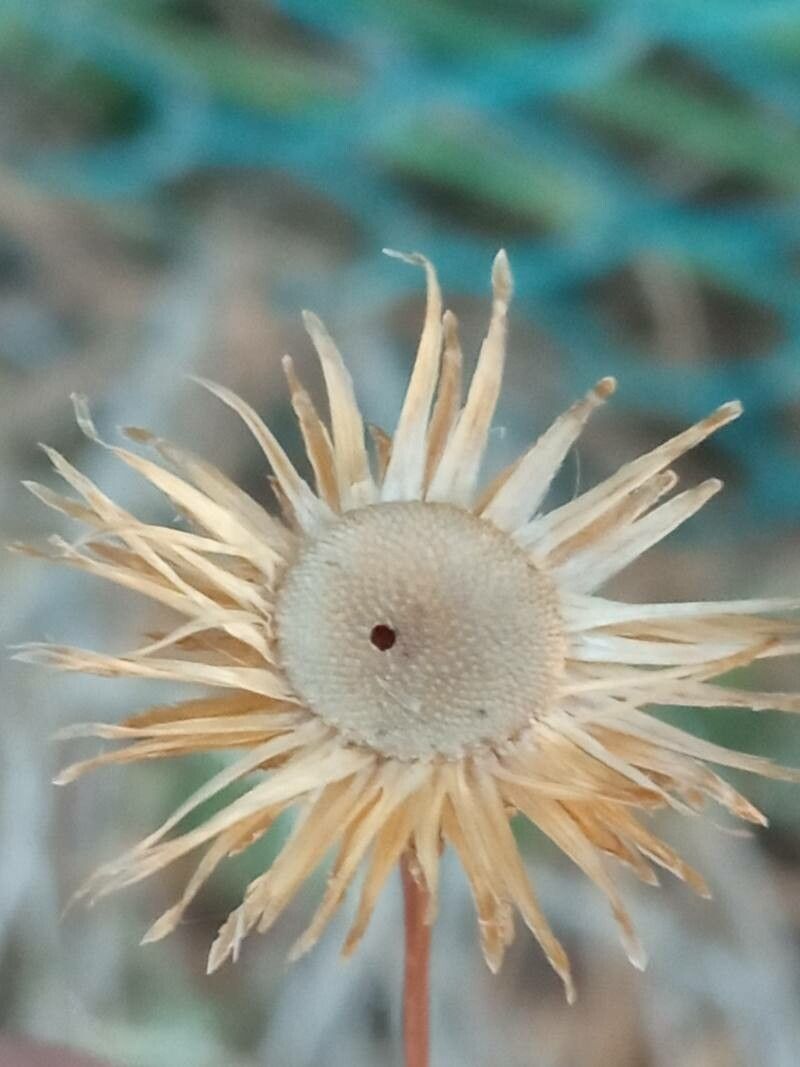
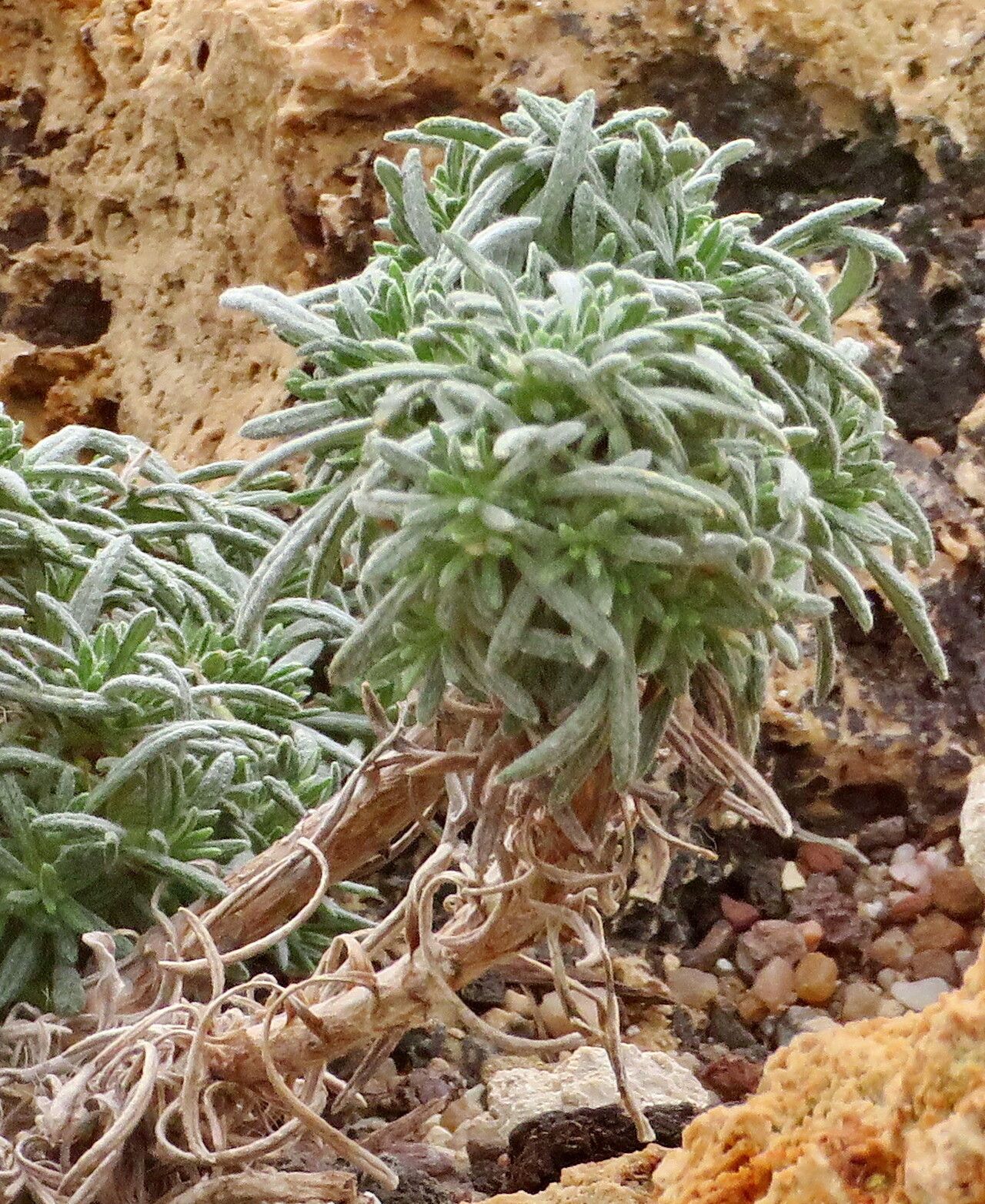
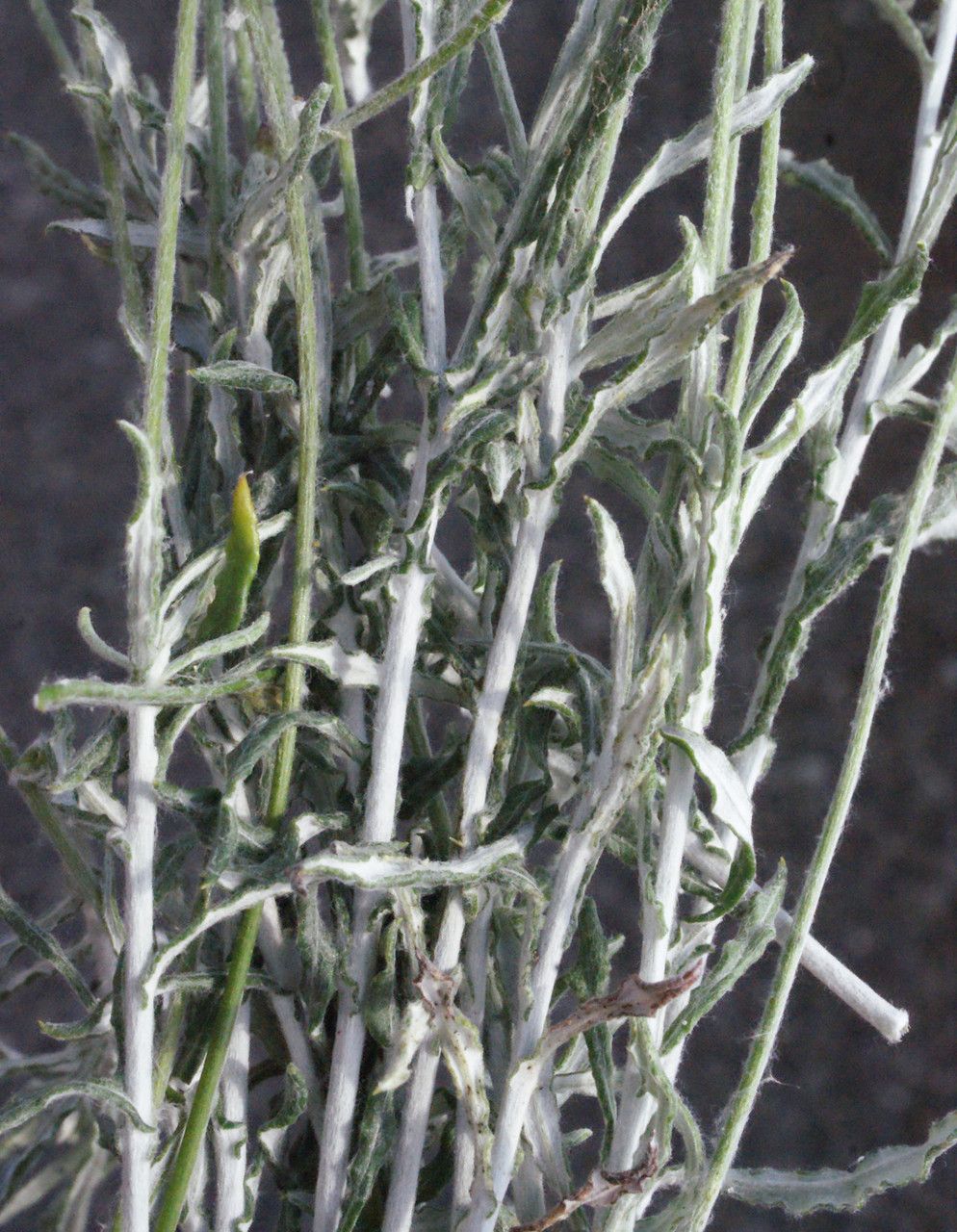
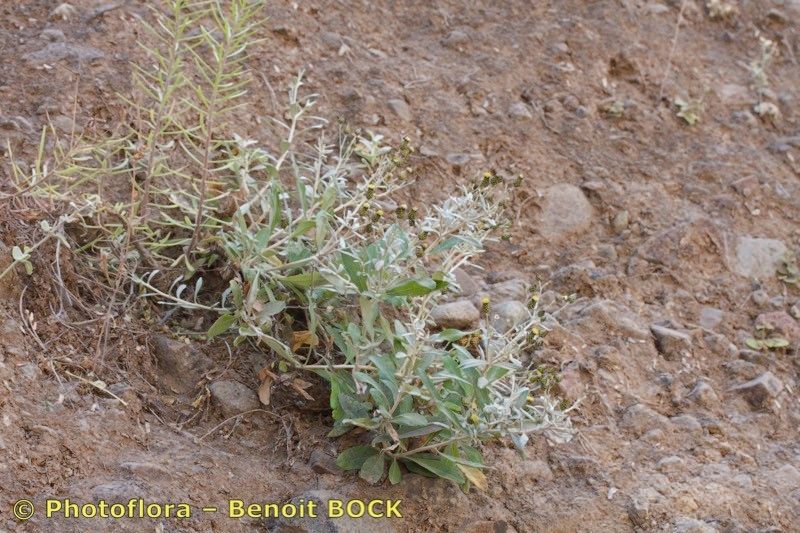
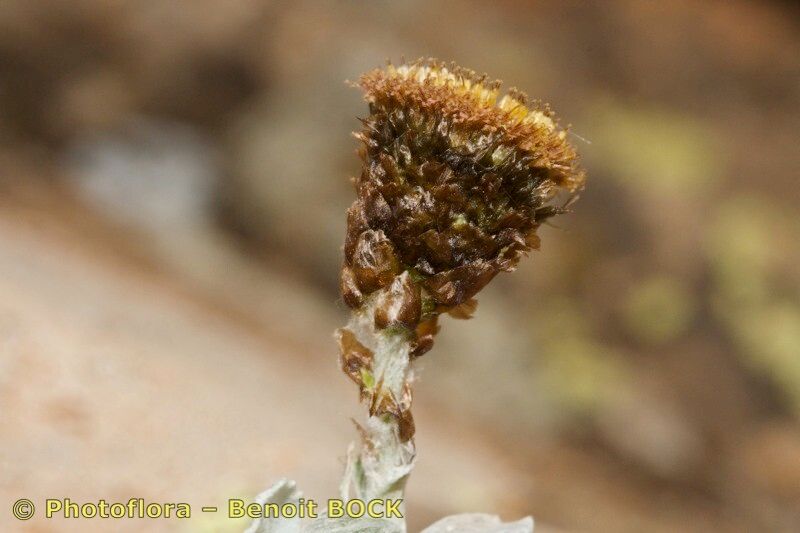
Phagnalon rupestre is a species of shrub in the family Asteraceae. They have a self-supporting growth form, simple, broad leaves and dry fruit. Individuals can grow to 0.25 m.
Rock phagnalon shows good resistance to disease and is typically not susceptible to illnesses. Regarding care, this plant is fairly low-maintenance. When grown outdoors it needs little watering, and larger specimens usually do not require pruning. Smaller plants, however, should be trimmed after they have bloomed. Rock phagnalont is appropriate for anyone with an outdoor space, such as a garden or a deck, and does not demand a lot of gardening experience.
How to keep Phagnalon Rupestre.
Light
Rock phagnalon is native to open habitats, such as sunlit meadows and forest margins, where light is plentiful. It thrives in Full Sun but will also tolerate Partial Sun, adapting well to a range of sunlight conditions.
Water
Native to the dry Mediterranean regions, rock phagnalon is a drought-tolerant plant that thrives with very little water. It only needs to be watered every 2-3 weeks. Its strong root system allows it to extract moisture from poor soils, making it an excellent choice for xeriscaping and outdoor landscaping in rocky areas.
Temperature
Rock phagnalon is suited to flourish in its native habitat where average temperatures fall between 59 and 95 °F (15 to 35 ℃). It favors warmer conditions, so watch seasonal variations closely and adjust care as needed to prevent stress.
Fertilizer
The timing of fertilization is crucial for Rock phagnalon. Apply fertilizer in early spring and continue monthly until early summer. Fertilizer encourages beautiful blooms and supplies energy during both dormant and active growth phases.
Pruning
To help rock phagnalon thrive, start with early spring pruning to remove dead stems and maintain its shape. Light trimming encourages bushier growth and more blooms, while avoiding heavy pruning prevents stress on the plant. Regular maintenance improves airflow and light penetration, reduces the risk of disease, and enhances the plant's overall appearance.
Botanical profile.
- Plant Type
- Shrub
- Life Cycle
- Perennial
- Genus
- Phagnalon
- Family
- Asteraceae
- Hardiness Zone
- 8-10
- Mature Height
- 49 cm
- Mature Spread
- 30 cm to 49 cm
- Leaf Color
- Gray, Light Gray
- Leaf Type
- Semi-evergreen
- Flower Color
- Yellow
- Flower Size
- 1.02 cm to 1.52 cm
- Bloom Time
- Mid spring, Late spring, Early summer
- Planting Time
- Spring, Summer, Autumn
- Harvest Time
- Summer
Other names.
Reader questions.
How should I water my Rock phagnalon plant in the best way?
Here are some tips to ensure excellent root development for your plants: 1. Place a garden hose at the base of each plant to water it. Avoid spraying the leaves directly, as they don't need as much water. However, if your plants are outdoors and exposed to direct sunlight, the leaves will need more watering. 2. Consider using bubblers, which can be attached to each plant to provide moisture to the roots. This method is especially useful when adding or removing plants, as it helps the roots to penetrate deeper into the soil. 3. Soaker hoses are also a great option, as they can cover the entire garden or bed. Ensure you remove any excess water and allow the soil to dry before watering again. It is best to water at ground level to prevent the risk of diseases. 4. On a sunny day, it can be beneficial to spray the entire bush with water. This practice helps to keep the plant hydrated and maintain its overall health. 5. Whether your plants are potted or in-ground, keep in mind that Rock phagnalon prefers deep watering rather than light sprinkling.
What are the sunlight requirements for Rock Phagnalon?
Rock Phagnalon, with its scientific name Phagnalon rupestre, thrives in environments that provide ample light. It does best in full sun, which means it needs above 6 hours of sunlight daily, but it can also tolerate partial sun, requiring about 3-6 hours of sunlight. These plants originate from open environments like sunny meadows and forest edges. It's essential to observe how sunlight moves through your garden, choosing spots that offer a perfect balance of light and shade, to ensure the plants' well-being.
What is the ideal temperature range for Rock phagnalon?
Rock phagnalon, also known by its botanic name Phagnalon rupestre, thrives in environments where the average temperatures range between 59 to 95°F (15 to 35°C). It prefers warmer climates but exhibits some degree of cold tolerance. While it generally doesn't need special attention in temperatures above -5°C, care should be taken when temperatures are expected to dip below this threshold. During such cold spells, temporary measures like wrapping the plant in plastic film, fabric, or other materials for protection are advisable. Once the temperature rises, these protective measures should be promptly removed to avoid stress on the plant.
What should I do if I give too much/not enough water to Rock phagnalon?
When a Rock phagnalon is overwatered, its leaves may turn yellow, drop off, and wilt. The plant may appear dull and unhealthy, with mushy stems. To address these issues, it's best to adjust your watering schedule. Additionally, wilting can also indicate under watering, which is characterized by crispy and dry leaves. In such cases, check the soil moisture and provide a full watering if necessary. However, even with sufficient water, the Rock phagnalon may continue to display dryness and yellow leaves due to root damage. Once the plant returns to normal, the yellowing will cease. When caring for an indoor Rock phagnalon, always check the moisture levels in the pot and avoid overwatering. If black spots are present, allow the soil to dry by refraining from watering for a few days. Overwatering can lead to root rot, so it is recommended to transfer the plant to a different pot if discolored and slimy roots are observed. Preventing root rot involves avoiding overly soggy soil. When planting the Rock phagnalon outdoors, ensure that the soil is adequately watered by checking with your fingers. If the soil feels too dry, it may indicate under watering, in which case you should provide adequate water to facilitate the plant's recovery.
How can artificial lighting support Rock Phagnalon indoors?
When Rock Phagnalon is grown indoors and natural sunlight is insufficient, especially during winter or in less sunny spaces, artificial lighting provides an essential alternative. Indoor plants benefit from adequate lighting for optimal growth. LED lights are a popular choice because they can offer the specific wavelengths plants need. Full sun plants need 30-50W/square foot of artificial light, partial sun plants require 20-30W/square foot, and full shade plants need 10-20W/square foot. The light source should be placed 12-36 inches above the plant, mimicking natural sunlight, and most plants will need 8-12 hours of light per day.
How does Rock phagnalon react to low temperatures?
Rock phagnalon has a moderate tolerance to low temperatures and performs best when the temperature remains above 15°C. In winter, it's important to ensure the temperature does not fall below -5°C. If the temperature drops below -10°C, the Rock phagnalon's leaves may begin to droop; they can recover in mild cases, but in severe instances, the leaves may wilt and eventually fall off. To manage frost damage, trim off the frost-damaged parts and prepare for future cold spells by wrapping the plant with materials like non-woven fabric or cloth and erecting a wind barrier to protect it.
How frequently do I need to water my Rock phagnalon?
The Rock phagnalon prefers deep and infrequent watering. If you have them in pots, it's especially important to soak them with a gallon of water each time. Pots don't hold much water, so the soil tends to dry out quickly. In cold regions, you should water every 3 to 5 days. Ideally, water them in the morning when the soil is dry. You can check if they need water by examining the top 2-3 inches of soil. If it's dry, it's time to water. On hot days, check the moisture daily as the soil can dry out fast. If you have a garden, you'll need to irrigate the soil as well. In hot climates, water once a week if about 2 to 3 inches of soil are too dry. Avoid overwatering if there's already been a lot of rainfall. Rock phagnalon grows primarily in spring and fall. Applying 3 to 4 inches of mulch when they are outdoors can help conserve water. Sandy soil needs more frequent watering, while clay soil requires less to prevent root rot. Keep a watering schedule and pay attention to drooping leaves as a sign of needing water.
What are the symptoms of light deficiency or overexposure in Rock Phagnalon?
Rock Phagnalon can show several symptoms when it's not receiving the ideal amount of sunlight. Light deficiency symptoms include smaller new leaves, leggy or sparse growth, faster leaf drop, slower or halted growth, and lighter-colored new leaves, indicating insufficient chlorophyll and nutrients. Chlorosis (yellowing leaves), sunscald, leaf curling, wilting, and leaf scorching are manifestations of excessive sunlight exposure. Chlorosis affects photosynthesis, sunscald presents as damaged plant tissue, leaf curling minimizes water loss, wilting is due to water loss overwhelming the plant's hydration, and leaf scorching shows as dry, brown edges on leaves.
What should I do if Rock phagnalon is exposed to high temperatures?
During the summer, it's crucial to ensure that Rock phagnalon isn't exposed to temperatures above 35°C. Exposure to temperatures exceeding 41°C can lead to symptoms such as lighter leaf color, dry and withered leaf tips, curled leaves, and increased susceptibility to sunburn. To mitigate these issues, trim away the sunburned and dried components. Relocate the plant to a shaded area away from the midday and afternoon sun or utilize a shade cloth. Additionally, maintain soil moisture by watering the plant in the morning and evening.
How much water does my Rock phagnalon need?
The Rock phagnalon plant typically requires about a gallon of water on a regular basis. If you have potted plants, it's best to water them until the excess water drips out of the bottom of the pot. Allow the soil to dry before watering again. You can use a water calculator or moisture meter to help determine how much water your plants receive each week. During the flowering stage, make sure to provide ample water, but allow the moisture to evaporate to avoid root rot. If you have outdoor Rock phagnalon plants and there is enough rainfall, additional watering may not be necessary. Young or newly planted Rock phagnalon plants should receive 1-2 inches of rain per week. As the plant matures, it can rely solely on rainfall. However, if the weather is very hot or there is a prolonged period without rain for 2-3 weeks, it's best to water the Rock phagnalon during the cooler parts of the day to prevent heat damage. Additional watering may be needed during extended periods of dry weather.
What solutions exist for managing light exposure for Rock Phagnalon?
Managing light exposure for Rock Phagnalon requires a meticulous approach, whether indoors or outdoors. Indoors, gradually moving your plant to sunnier spots can help, aiming for at least 6 hours of direct sunlight daily. Utilizing a south-facing window and keeping curtains open maximizes sunlight exposure. If a plant is large or immobile, consider artificial lighting, such as desk, ceiling, or professional grow lights for at least 8 hours a day. Outdoors, adapt your plants to sunlight gradually to prevent sunburn by incrementally moving them to sunnier spots each week. For ground plants, reduce obstructions like overhanging branches by pruning, or transplant smaller plants during their dormant stages to locations with more sunlight and better drainage. Note that parts of the plant that suffered from insufficient sunlight might not recover, but new growth will thrive with improved light conditions.
Should I water my Rock phagnalon more or less depending on the season or climate?
To keep your Rock phagnalon healthy and thriving, it is important to provide the right amount of water throughout the different seasons. During the spring and fall, the soil should be kept moist but not soggy. Alternating between dry and moist soil conditions will benefit the plant. In the summer, hot weather and lack of rainfall can cause water to evaporate quickly, so you'll need to water more frequently to keep the soil moist. During winter, the Rock phagnalon requires less water as it goes dormant, and using well-draining soil with moisture retention properties can help. Once the plant begins to leaf out and go dormant, you can rely on fall and winter rains for its water needs. When growing your Rock phagnalon in pots, ensure good drainage and keep them well-watered, especially in the summer. Deep soaking once or twice a week is recommended, avoiding shallow sprinkles. During the fall and winter, even in dormancy, avoid letting the plants dry out completely. However, be careful not to overwater, as sitting in water can harm the plants. Applying mulch can also help reduce stress, conserve water, and promote healthy blooms.