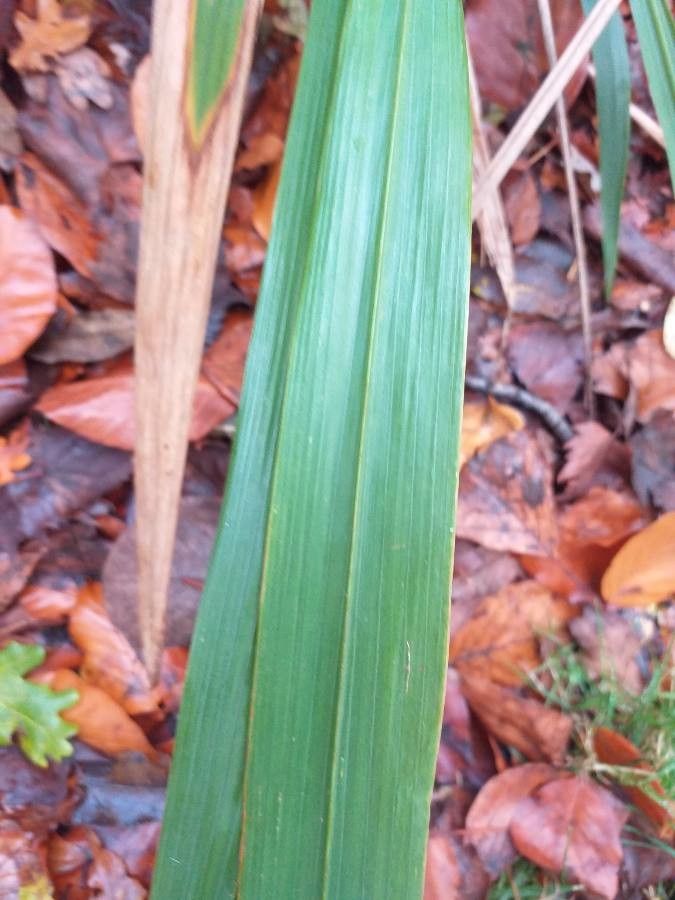
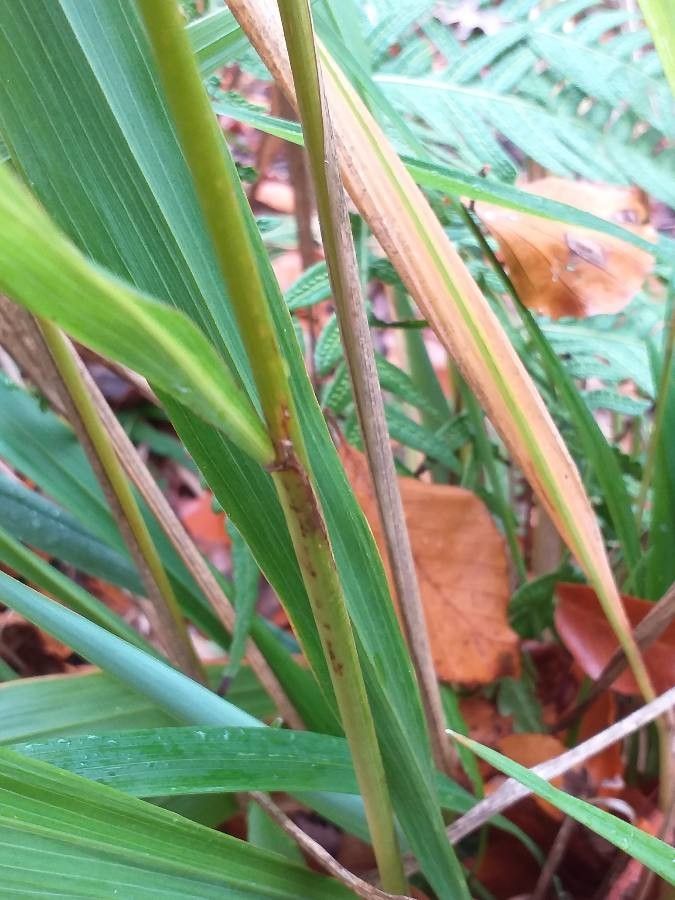
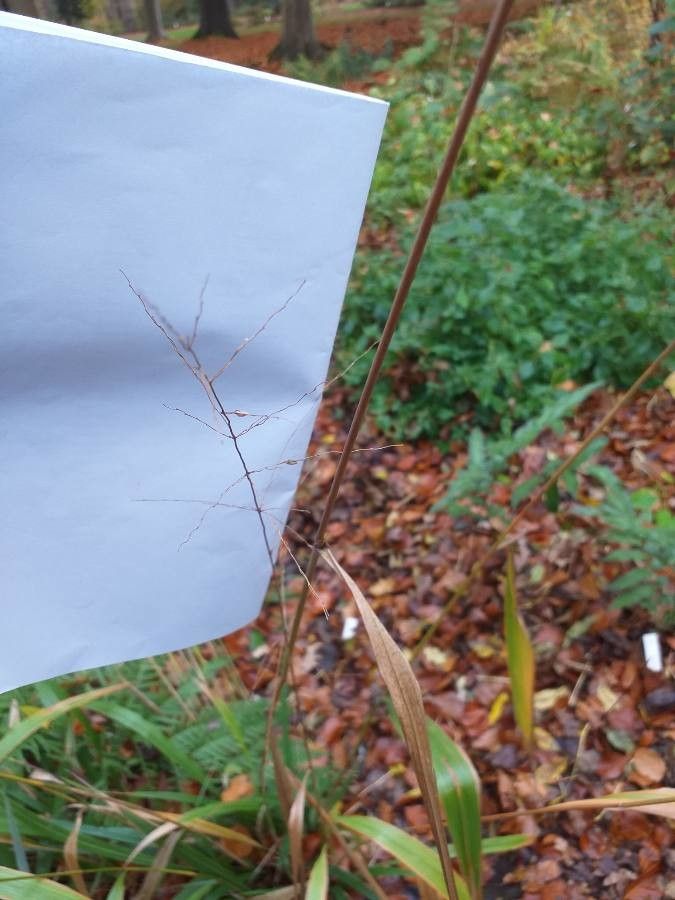
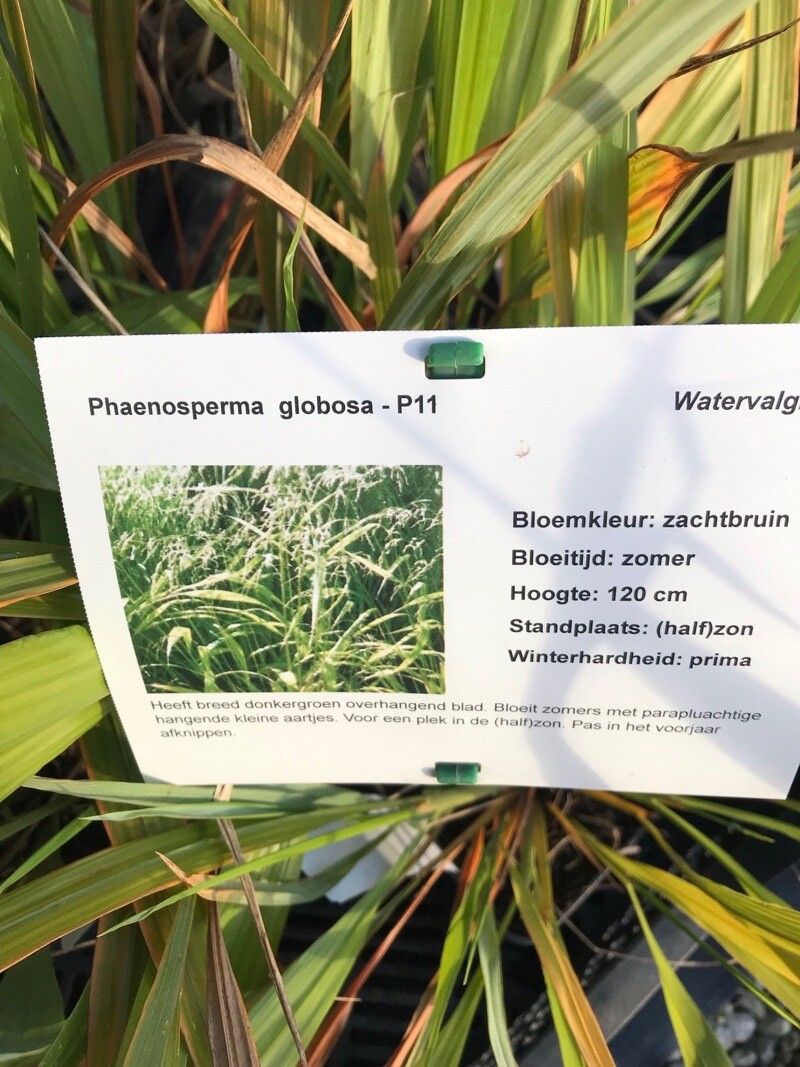
Phaenosperma is a genus of Asian plants in the grass family. The only known species is Phaenosperma globosum, native to China (Anhui, Gansu, Guangxi, Hubei, Jiangsu, Jiangxi, Shaanxi, Sichuan, Taiwan, Tibet, Yunnan, Zhejiang), Japan, Korea, Assam, and Bhutan.
Waterfall millet has strong disease resistance and is generally not prone to illness. Nevertheless, it can be affected by pests and diseases present in its environment. These problems are typically not serious. Regarding maintenance, this plant needs a moderate level of care. It should be pruned regularly to keep a good appearance and support healthy growth. Fertilizing can also help encourage flowering. Waterfall millet is appropriate for anyone with an outdoor area, such as a garden or patio, and does not demand extensive care experience. When grown indoors, it may require more attention.
How to keep Phaenosperma Globosum.
Light
Waterfall millet is a perennial herbaceous plant that favors bright sunlight and is native to open habitats, frequently found in meadows and grasslands. It prefers full sun exposure but can also tolerate partial shade.
Water
Waterfall millet, native to East Asia, thrives in humid environments. It requires a careful balance of moisture and drainage to prevent root rot. During the growing season, water it weekly and take advantage of morning dew to boost moisture levels. This plant is particularly suited for outdoor cultivation because of its ornamental grass-like appearance.
Temperature
Waterfall millet can adapt to a wide range of temperatures, but its distribution may still be constrained by specific combinations of water and heat. It does best in warm summer climates with sufficient rainfall or watering. Long stretches of cloudy, rainy weather or prolonged high temperatures raise the risk of Waterfall millet dying. In winter, adequate protection from cold improves the plant’s survival rate.
Fertilizer
Applying fertilizer once in spring is generally enough for Waterfall millet, although several feedings can boost growth. Fertilize every month to every one and a half months. Fertilization improves the leaves' appearance and function, supporting even color and a healthy texture. It also encourages root development and nutrient uptake for lasting plant health.
Pruning
Waterfall millet is known for its beautiful cascading foliage. To keep it healthy and attractive, prune it in early spring. Start by removing dead stems and thinning out crowded areas to improve air circulation. This encourages new growth and helps maintain its shape. Remember to use sharp, clean tools to prevent the spread of disease while pruning.
Botanical profile.
- Plant Type
- Herb
- Life Cycle
- Perennial
- Genus
- Phaenosperma
- Family
- Poaceae
- Hardiness Zone
- 6-8
- Mature Height
- 0.91 m to 3.05 m
- Mature Spread
- 20 cm to 40 cm
- Leaf Color
- Green, Dark Green
- Leaf Type
- Deciduous
- Flower Color
- White
- Flower Size
- 0.51 cm to 0.51 cm
- Bloom Time
- Early summer, Mid summer
- Planting Time
- Spring, Summer
- Harvest Time
- Late summer, Early fall
- Native Area
- India, Japan, Bhutan, South Korea, China
Reader questions.
What are the sunlight requirements for Waterfall millet?
Waterfall millet, botanically known as Phaenosperma globosum, thrives best in full sunlight, which means it requires above 6 hours of sunlight daily. However, it can also tolerate partial sun conditions, needing about 3 to 6 hours of sunlight. It's crucial to observe the movement of sunlight through your garden to find the ideal spots that offer a perfect balance of light and shade, ensuring the plants' well-being and growth.
What is Waterfall millet?
Waterfall millet, known botanically as Phaenosperma globosum, is a plant species notable for its distinctive characteristics and uses, although specific details about its essentials, such as its general description, care instructions, or any additional information, were not provided. Furthermore, there's no information available regarding the symptoms it may cause or be used to treat, if any.
What essentials do I need to know about growing Waterfall millet?
Waterfall millet is a sun-loving perennial herbaceous plant that prefers full sun but can tolerate partial sun. This plant originates from open habitats like meadows and grasslands. For indoor plants, when natural sunlight is insufficient, artificial lighting can provide a vital solution. LED lights are a popular choice for simulating the necessary wavelengths for plant growth. Full sun plants need 30-50W/sq ft of artificial light, partial sun plants require 20-30W/sq ft, and full shade plants need 10-20W/sq ft. Position the light source 12-36 inches above the plant, mimicking natural sunlight's distance, and ensure 8-12 hours of light per day to promote faster, healthier growth.
What symptoms indicate inadequate lighting for Waterfall millet?
When Waterfall millet does not receive sufficient light, several symptoms might appear, including new leaves growing smaller in size, leggy or sparse growth, faster leaf drop, slower or stopped new growth, lighter-colored or chlorotic(new leaves losing green color) leaves, sunscald (damage from intense sunlight), leaf curling as a defense mechanism, wilting from excessive transpiration, and leaf scorching characterized by brown, crispy patches on leaves. These signs suggest the need for better light management to ensure the plant's health.
How can I remedy the symptoms of light deficiency in Waterfall millet?
To address light deficiency in Waterfall millet, gradually increase exposure to sunlight by moving the plant to a sunnier location each week, aiming for at least 6 hours of direct sunlight daily. For indoor plants, especially large ones or those difficult to move, consider using artificial light, keeping a lamp on for at least 8 hours daily, or investing in plant grow lights. For outdoor plants, avoid sudden light intensity changes to prevent sunburn. Removing obstructions and potentially transplanting smaller plants during their dormant period to sunnier locations with good drainage can also help. Remember, parts of the plant already affected by insufficient sunlight may not fully recover, but new growth should be healthier.