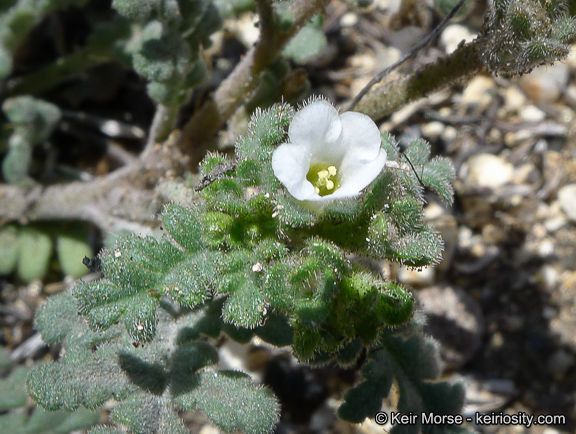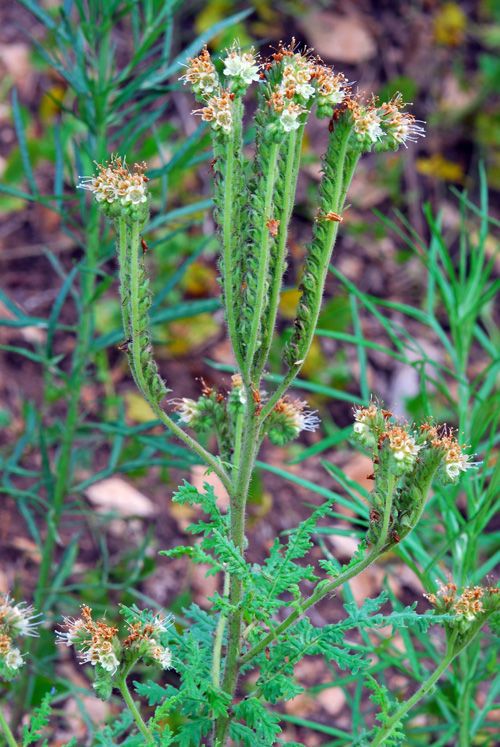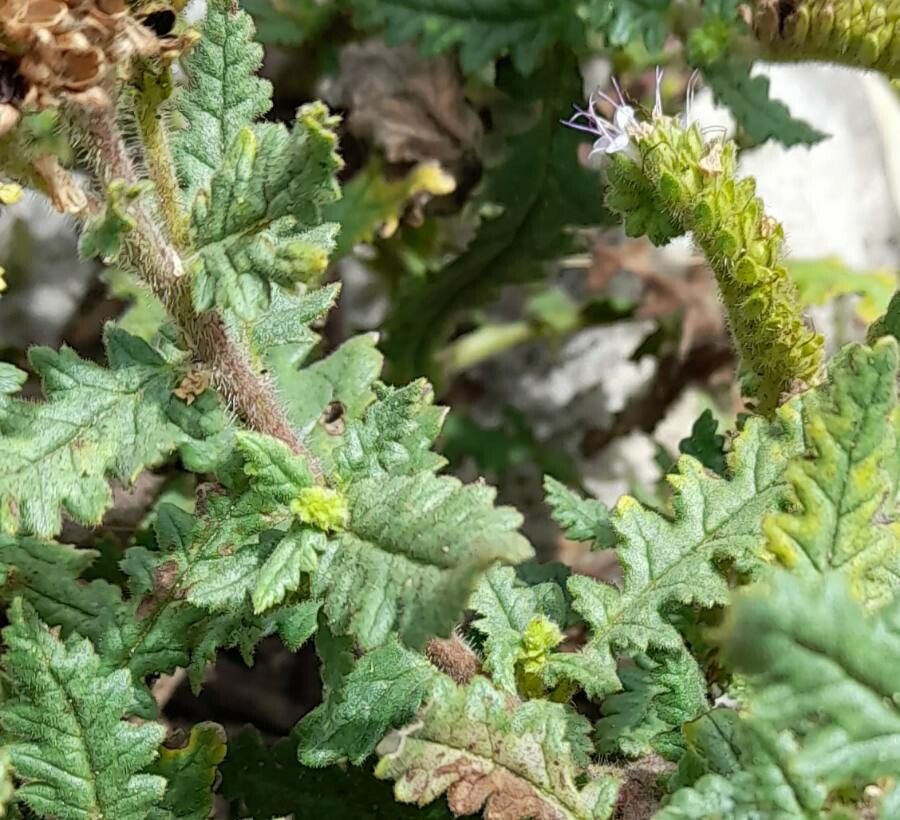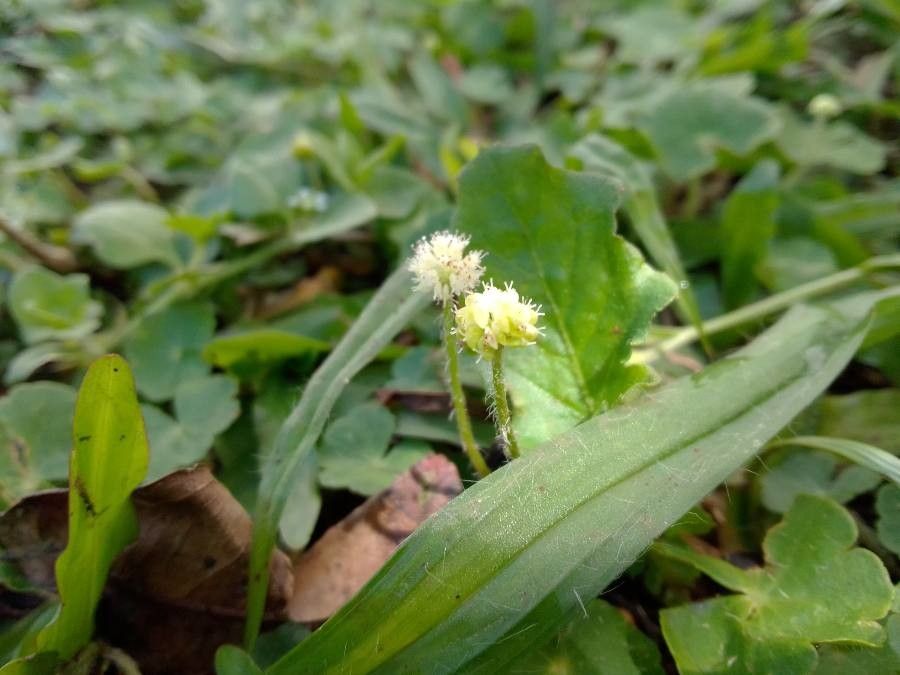
Phacelia malvifolia, with the common name stinging phacelia, is a species of phacelia. It is native to California, where it grows along the northern and central Coast and the California Coast Ranges. its distribution extends north along the coast just into southwestern Oregon. It grows in forest and scrub habitat.
Stinging phacelia shows strong resistance to disease and is generally not susceptible to illnesses. Nevertheless, it can be affected by pests and diseases present nearby. Such infections are typically mild. Regarding maintenance, this plant needs a moderate level of care. Regular pruning is necessary to preserve an attractive appearance and support healthy growth. Applying fertilizer can also encourage blooming. Stinging phacelia is appropriate for anyone with outdoor areas like a garden or patio and does not demand extensive gardening experience. It may need additional attention if cultivated indoors.
How to keep Phacelia Malvifolia.
Light
Stinging phacelia comes from bright, open habitats and flourishes in full sun. It can withstand partial sun but favors direct sunlight for the best growth. This plant, which may be annual or biennial, is recognized for its sun-loving character.
Temperature
Stinging phacelia can tolerate a wide range of temperatures, but its distribution can still be constrained by different combinations of moisture and heat. It grows best in warm summer climates with sufficient rainfall or irrigation. Extended periods of cloudy, rainy weather, as well as sustained high temperatures, can increase the chance of Stinging phacelia dying. In winter, adequate protection from cold can boost the plant's likelihood of surviving.
Fertilizer
Stinging phacelia benefits from frequent, weak fertilizer applications to encourage healthy leaf growth. You should apply fertilizer to Stinging phacelia about once a month during the summer months. Nitrogen is essential for foliage, and adding nitrogen-rich sources helps Stinging phacelia thrive.
Pruning
Stinging phacelia has delicate purple flowers and stinging hairs. Minimal pruning is advised, ideally from early to late spring, to promote healthy growth. Using clean, sharp tools is crucial for removing dead stems and thinning overcrowded areas, which enhances the plant's appearance and helps prevent disease.
Botanical profile.
- Plant Type
- Herb
- Life Cycle
- Annual
- Genus
- Phacelia
- Family
- Boraginaceae
- Hardiness Zone
- 8-10
- Mature Height
- 30 cm to 61 cm
- Mature Spread
- 30 cm to 46 cm
- Leaf Color
- Green, Dark Green
- Leaf Type
- Deciduous
- Flower Color
- Lavender
- Flower Size
- 1.02 cm to 1.52 cm
- Bloom Time
- Spring
- Planting Time
- Spring, Summer
- Harvest Time
- Late spring, Early summer, Mid summer