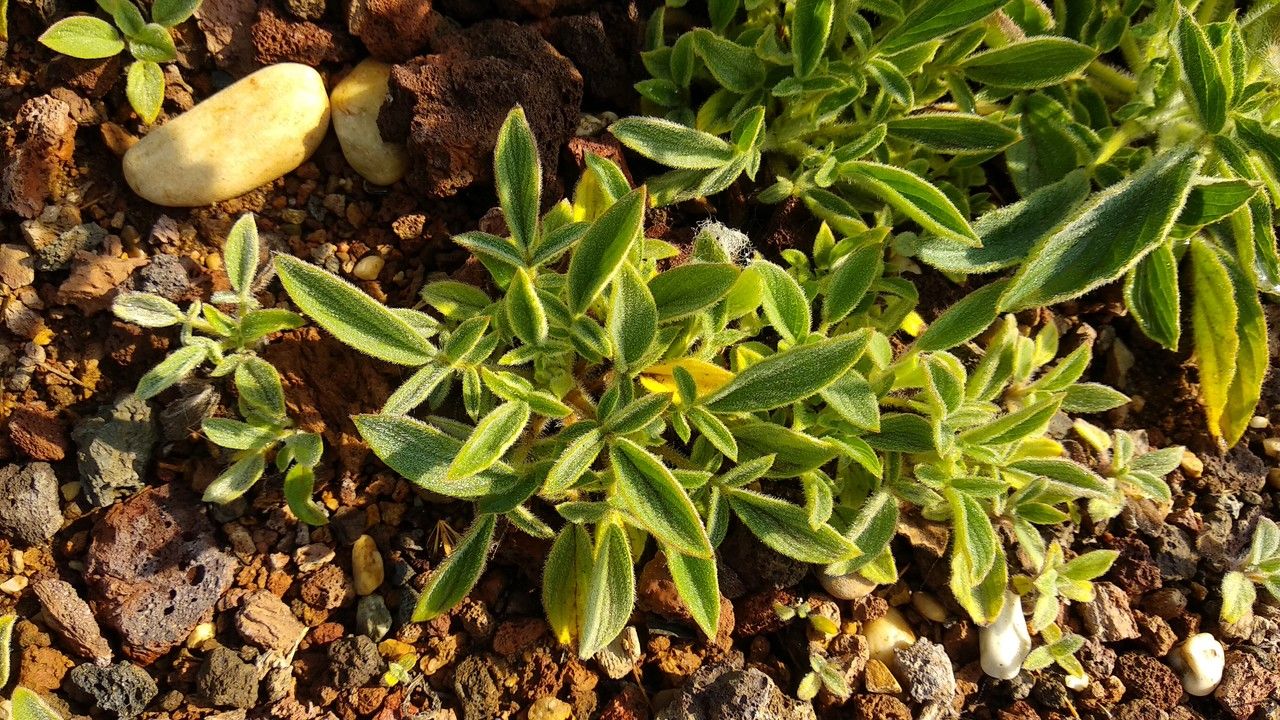
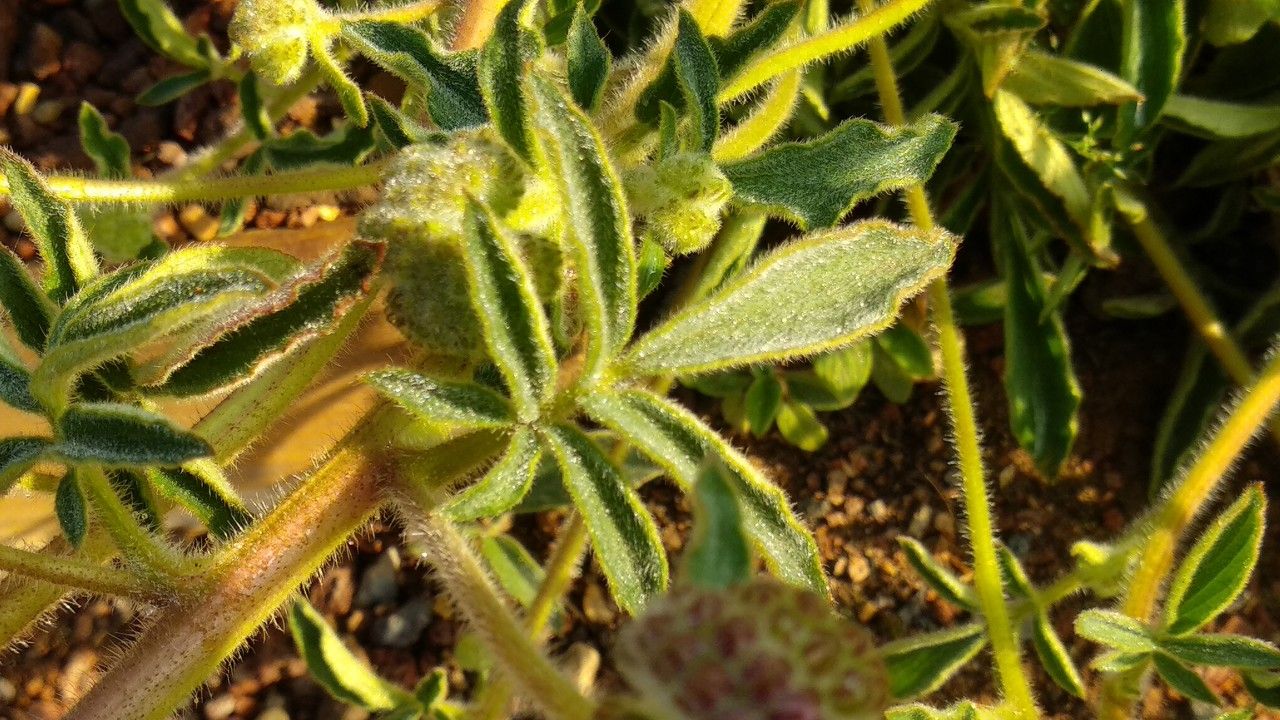
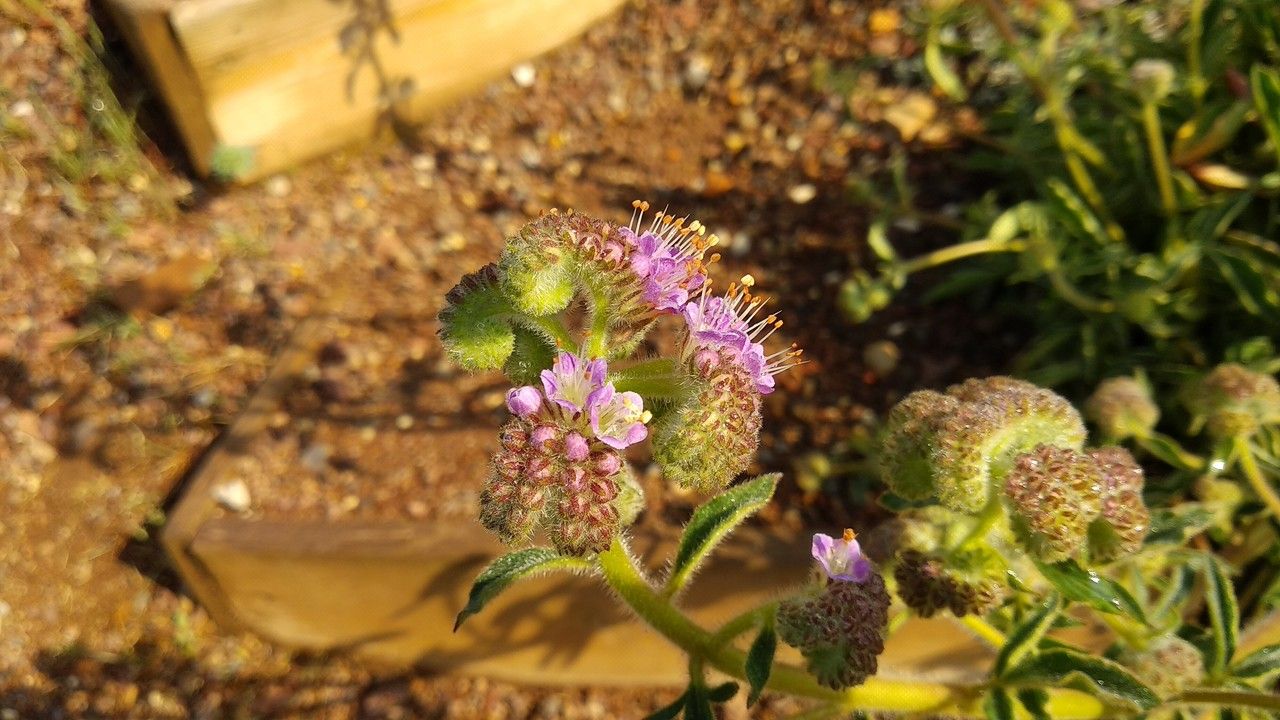
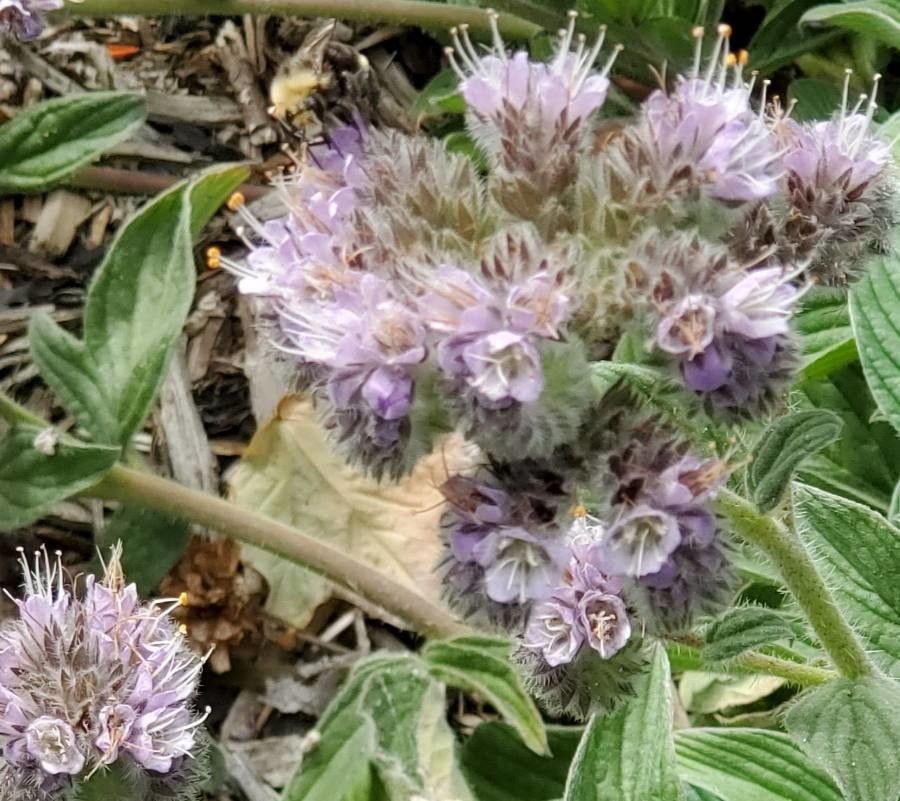
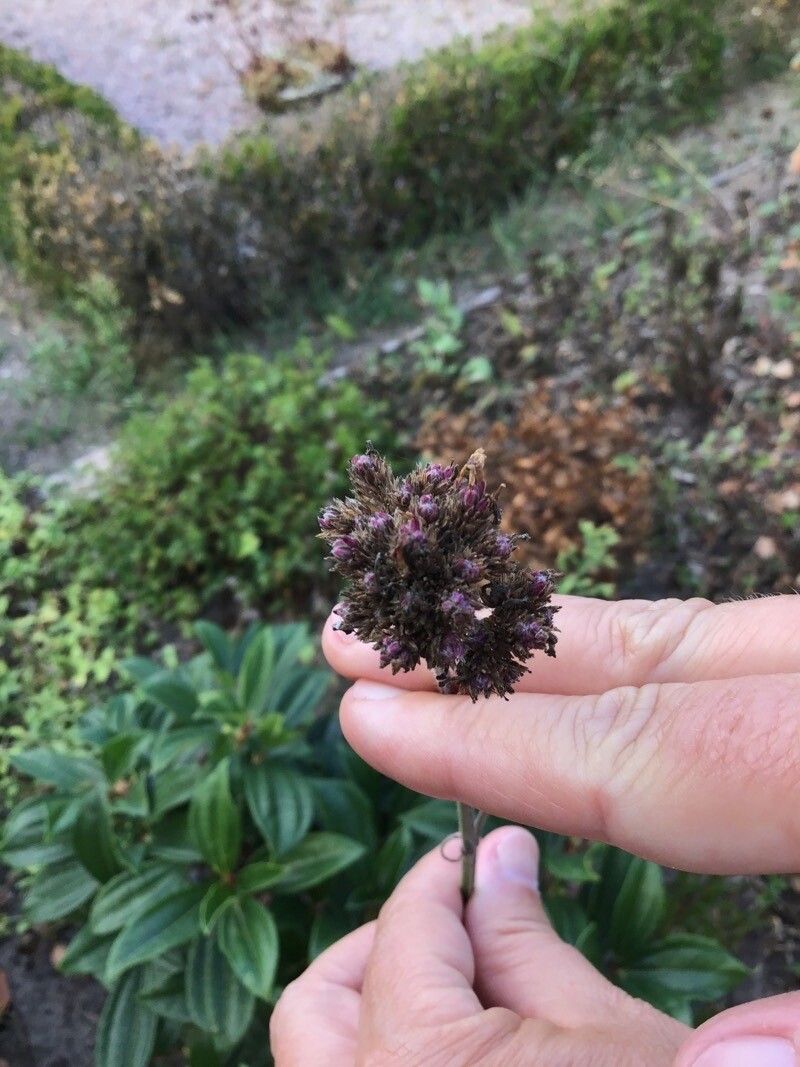
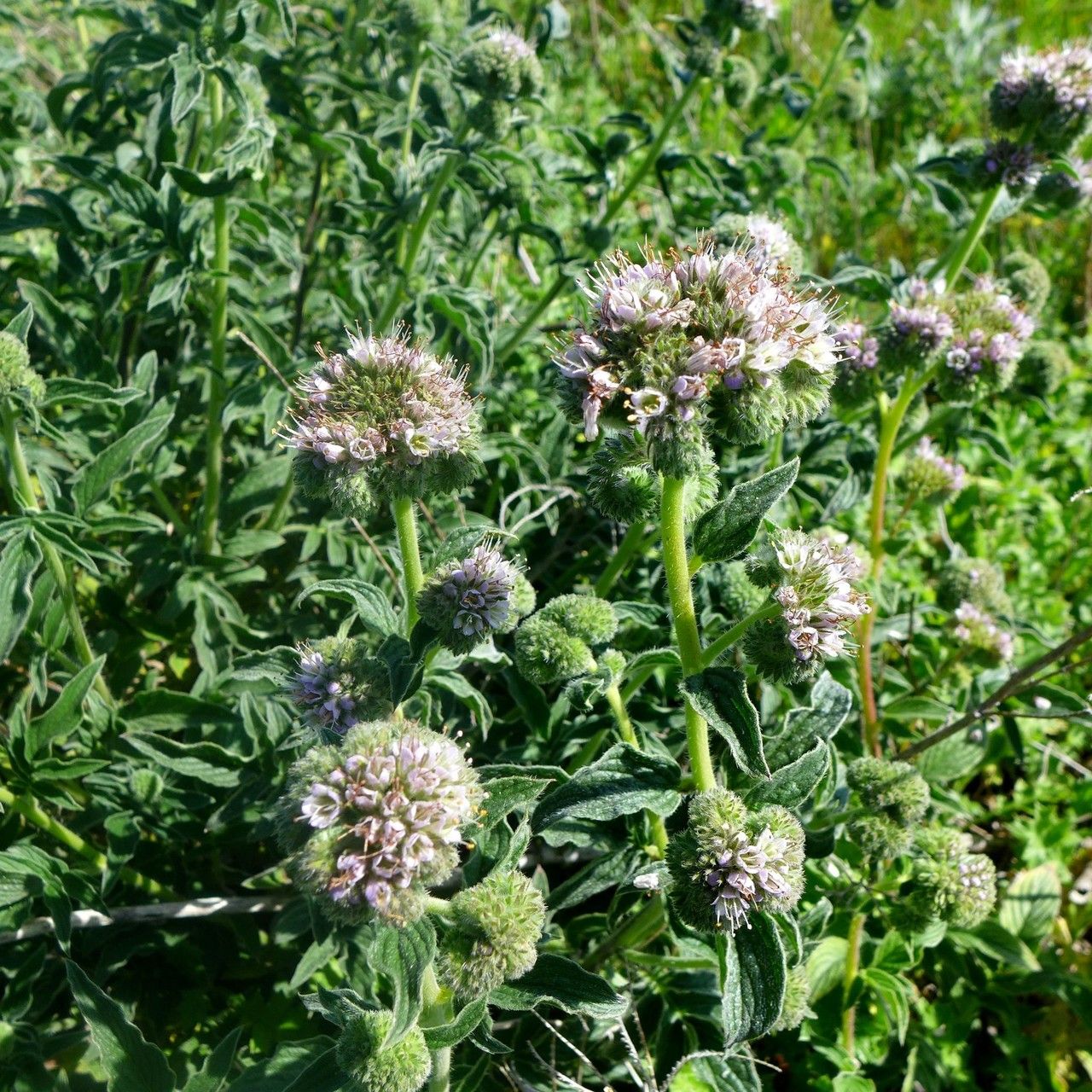
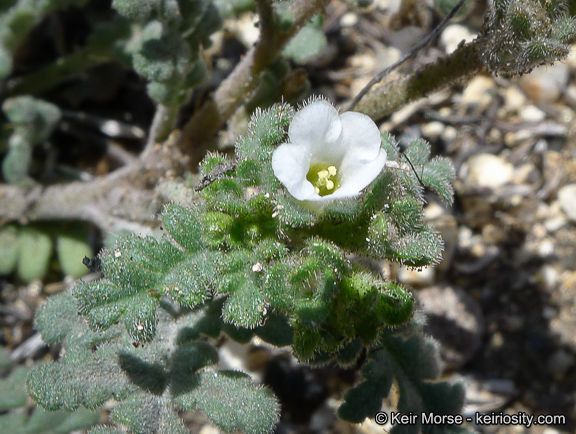
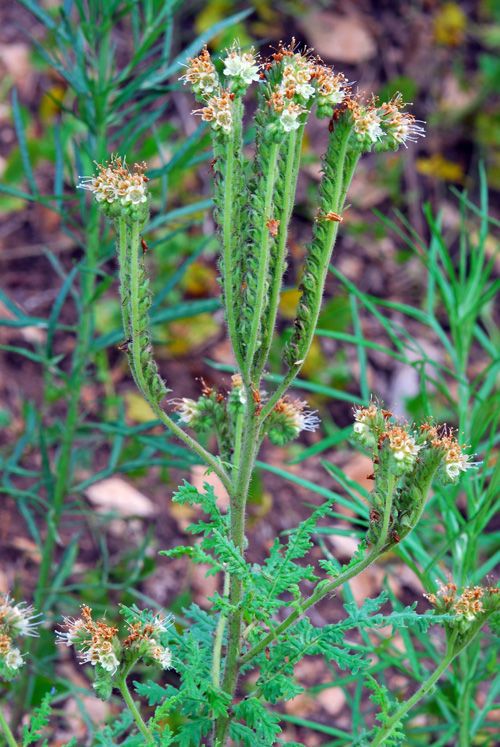
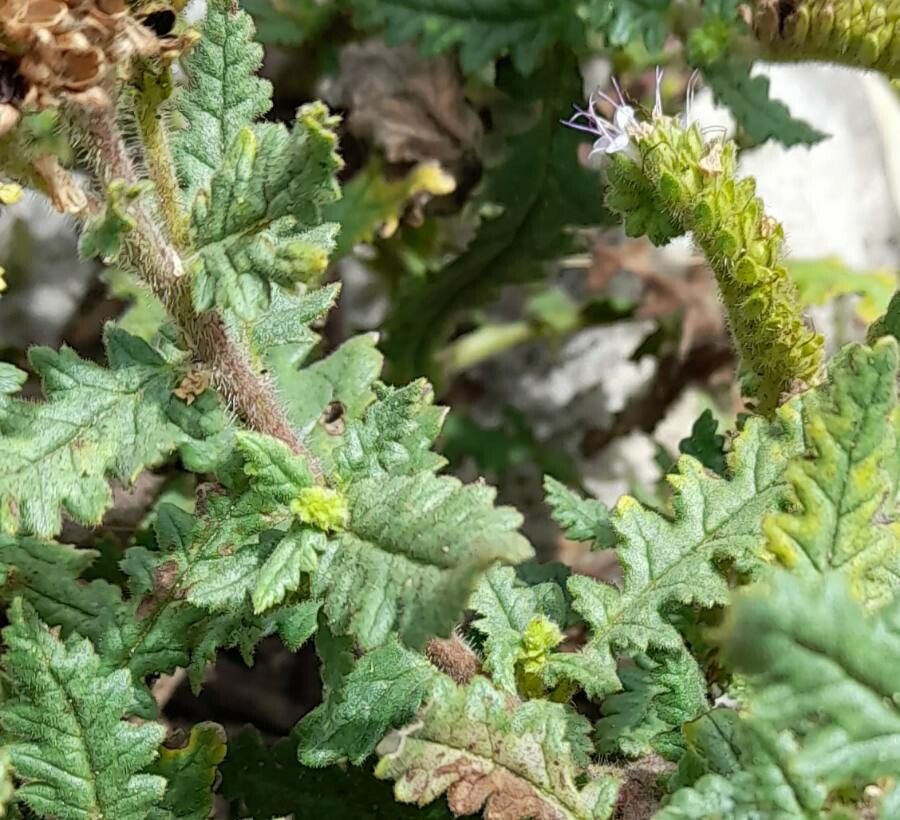
Phacelia californica, commonly known as California bluebells, is a species of flowering plant in the borage family. Native to California, it thrives in diverse habitats including chaparral, coastal sage scrub, and oak woodlands. Typically growing up to 2 feet tall, the plant features hairy stems adorned with clusters of bell-shaped blue-purple flowers that bloom from March to June. Its leaves are deeply lobed, giving them a fern-like appearance.
Phacelia californica plays a crucial role for pollinators such as bees and butterflies, thanks to its nectar-rich flowers. Additionally, it possesses medicinal properties that have been utilized by Native Americans to treat various ailments like respiratory issues and skin irritations.
This hardy annual is easy to grow from seed, making it a popular choice for gardens. It is also effective for erosion control on slopes or disturbed areas, as it establishes quickly and requires minimal water once established.
California phacelia is fairly disease-resistant and generally not prone to illness. Still, it can be affected by pests and diseases present in its surroundings. Such problems are usually not serious. Carewise, the plant needs moderate maintenance. Regular pruning is required to maintain an attractive appearance and healthy growth. Applying fertilizer can also encourage flowering. California phacelia is suitable for anyone with outdoor space, such as a garden or patio, and does not demand extensive care experience. It may need more attention when grown indoors.
How to keep Phacelia Californica.
Light
California phacelia comes from bright, open habitats and performs best in full sun. It will tolerate some partial shade but favors direct sunlight for the best growth. This plant, which can be annual or biennial, is noted for its preference for sunny conditions.
Temperature
California phacelia can tolerate a wide array of temperature conditions, though its range may still be constrained by specific combinations of moisture and heat. It grows best in warm summer climates with sufficient rainfall or watering. Extended stretches of cloudy, rainy weather, as well as prolonged high temperatures, can raise the risk of California phacelia dying. In winter, adequate protection from cold can increase the plant's survival rate.
Fertilizer
When most of California phacelia's flowers have opened to full size, resume fertilizing. At the peak of bloom, feed the plant every three to four weeks, weather permitting. Once the phacelia begins to produce fewer new flowers, stop fertilizing, since there's no point in feeding it when it can no longer set more blooms.
Pruning
Pruning California phacelia from early to late spring can improve both the blooms and the overall health of the plant. The key techniques include removing dead growth and shaping the plant to promote air circulation and reduce the risk of disease. Pruning during this time aligns with the plant's active growth period, allowing for optimal recovery. For the most effective methods, consult horticultural guides.
Botanical profile.
- Plant Type
- Herb
- Life Cycle
- Annual
- Genus
- Phacelia
- Family
- Boraginaceae
- Hardiness Zone
- 8-10
- Mature Height
- 30 cm to 61 cm
- Mature Spread
- 30 cm to 61 cm
- Leaf Color
- Dark Green, Forest Green
- Leaf Type
- Deciduous
- Flower Color
- Purple, Lavender
- Flower Size
- 1.02 cm to 2.03 cm
- Bloom Time
- Spring
- Planting Time
- Spring, Summer, Autumn
- Harvest Time
- Late spring, Early summer, Mid summer
Other names.