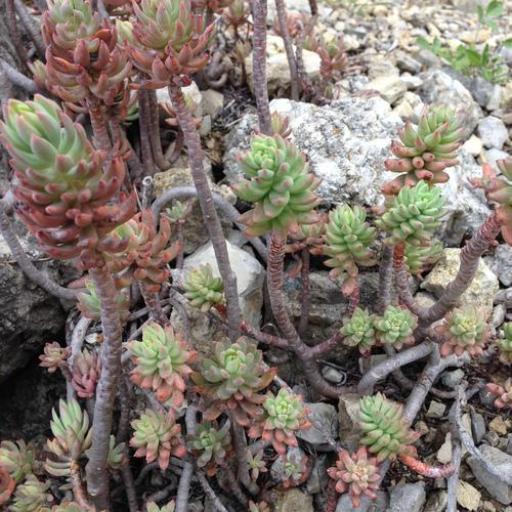
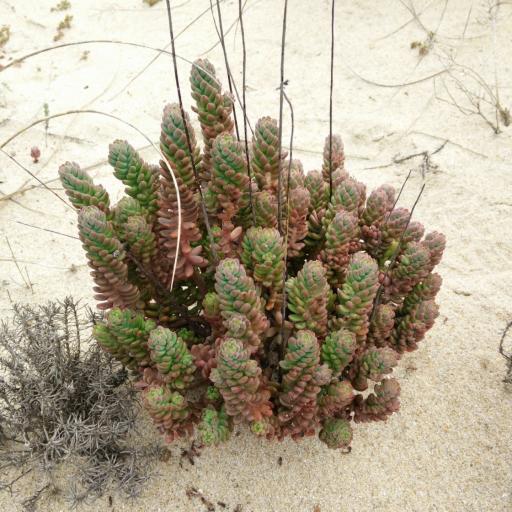
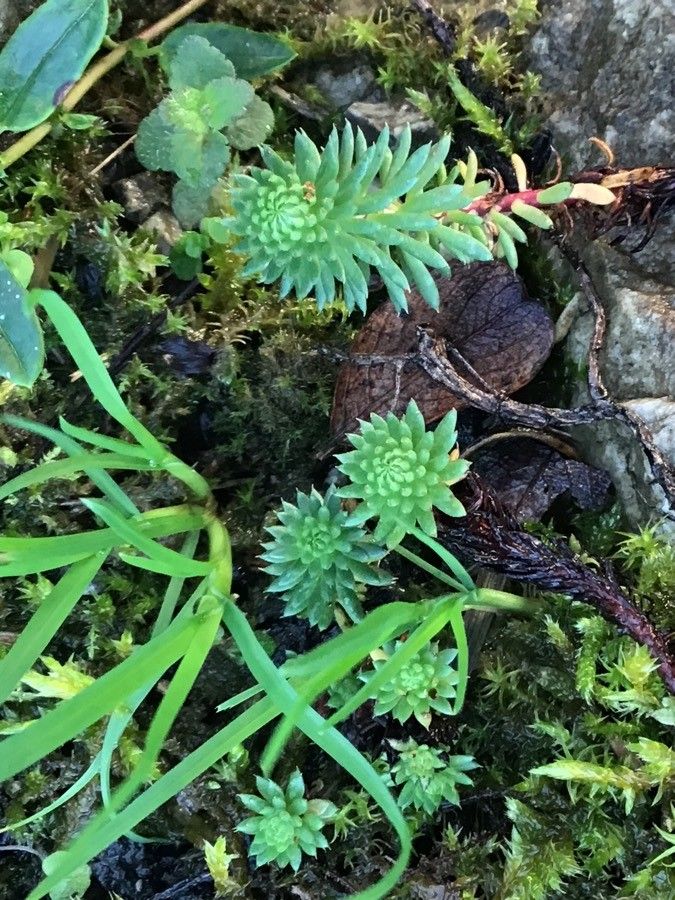
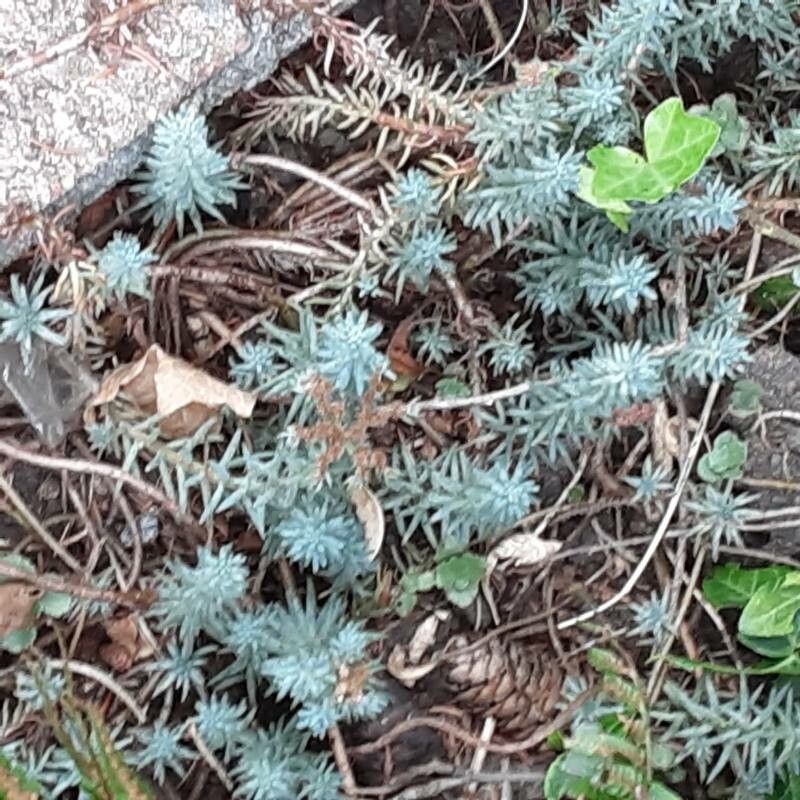
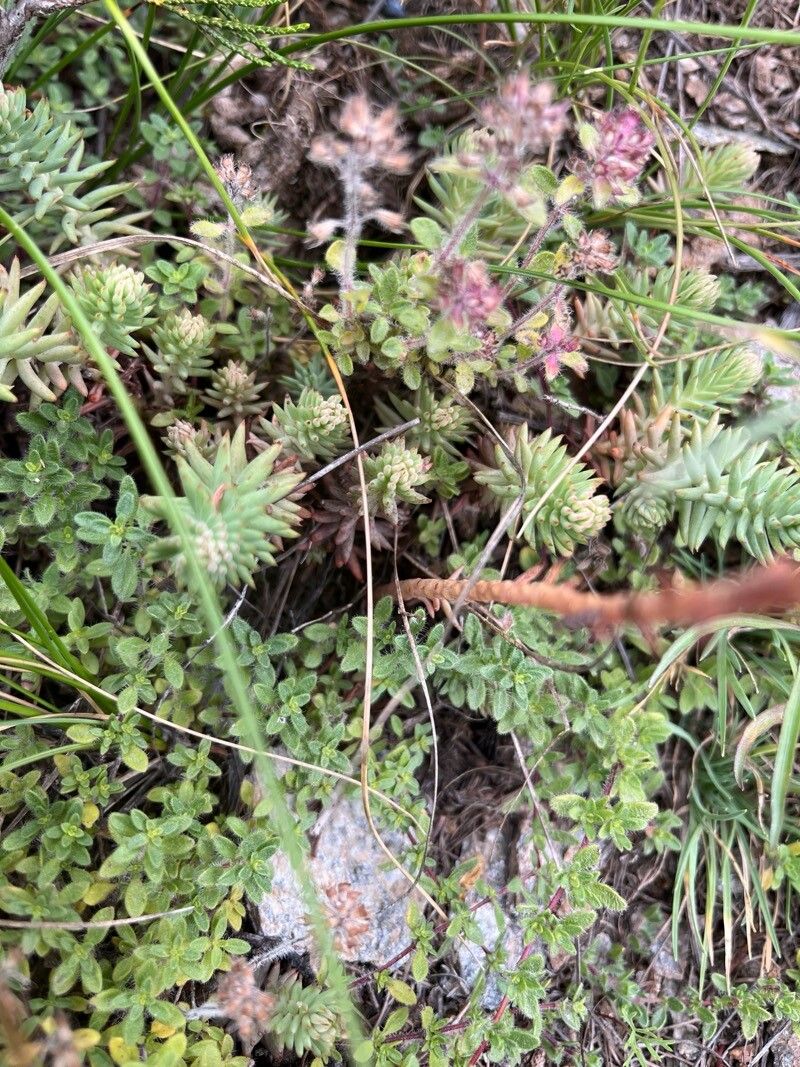
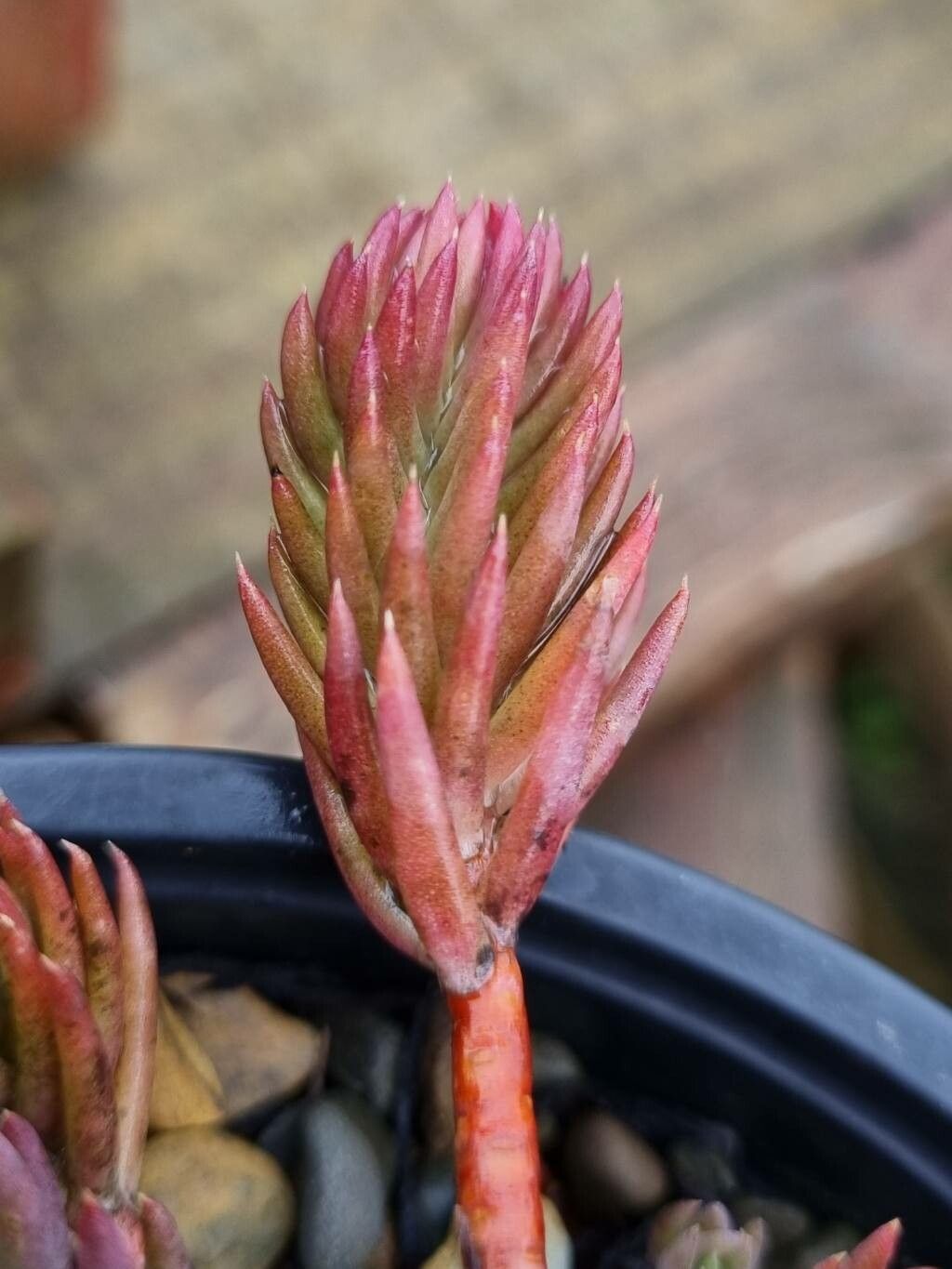
Petrosedum sediforme, the pale stonecrop, is a perennial flowering plant in the family Crassulaceae. It is naturally distributed throughout the Mediterranean Basin, from Portugal in the west to Syria in the east. It is similar to other species of Petrosedum, but grows taller, and may be used in cooking or as an ornamental plant.
Pale stonecrop has moderate resistance to disease but is more sensitive to humidity. It is prone to illness when humidity is high and can develop root rot while dormant. Regarding care, Pale stonecrop tolerates drought but requires increased watering during the active growing season. Water should be greatly reduced or stopped entirely during dormancy. Pale stonecrop is appropriate for growers with some experience, though it can be challenging to maintain, especially in its dormant period. It is particularly well suited to those who can dedicate time to its care over the winter months.
How to keep Petrosedum Sediforme.
Light
Pale stonecrop grows vigorously with regular sun exposure. Native to areas with open, plentiful sunlight, the plant’s health and development are much better in those conditions. Too much sun generally does not harm it, but too little sunlight can restrict its growth.
Water
Pale stonecrop, a succulent native to rocky and arid regions, is highly drought-tolerant and requires only a small amount of moisture to thrive. Watering it once a week is sufficient to keep it healthy. It prefers well-draining soil to prevent root rot, as it retains water in its thick, fleshy leaves. This makes it an excellent choice for dry climates and rock gardens.
Temperature
Pale stonecrop does best in temperatures of 68 to 105.8 °F (20 to 41 ℃). Native to regions with moderate climates, it tolerates temperature fluctuations; however, seasonal adjustments may be required for optimal growth, particularly in extreme temperature conditions.
Fertilizer
For Pale stonecrop, small amounts of fertilizer once or twice a year during the growing season are enough. Do not fertilize in winter or summer while it is dormant. Cut back on fertilizer for plants that have been repotted, and wait a couple of months after repotting before feeding. Fertilizing helps maintain healthy growth and encourages flowering.
Pruning
Pale stonecrop is a low-growing succulent that thrives in rocky soil and full sunlight. To encourage denser growth and maintain its shape, it's best to prune the plant in the spring. During pruning, remove any damaged stems and trim just above the leaf nodes with clean scissors. This will promote healthy growth and help prevent the plant from becoming leggy.
Botanical profile.
- Plant Type
- Herb
- Life Cycle
- Perennial
- Genus
- Petrosedum
- Family
- Crassulaceae
- Hardiness Zone
- 10-13
- Mature Height
- 40 cm
- Mature Spread
- 20 cm to 40 cm
- Leaf Color
- Green
- Leaf Type
- Evergreen
- Flower Color
- Yellow
- Flower Size
- 1.02 cm to 1.27 cm
- Bloom Time
- Early summer, Mid summer
- Planting Time
- Spring, Summer, Autumn
- Harvest Time
- Late summer, Early fall
Other names.