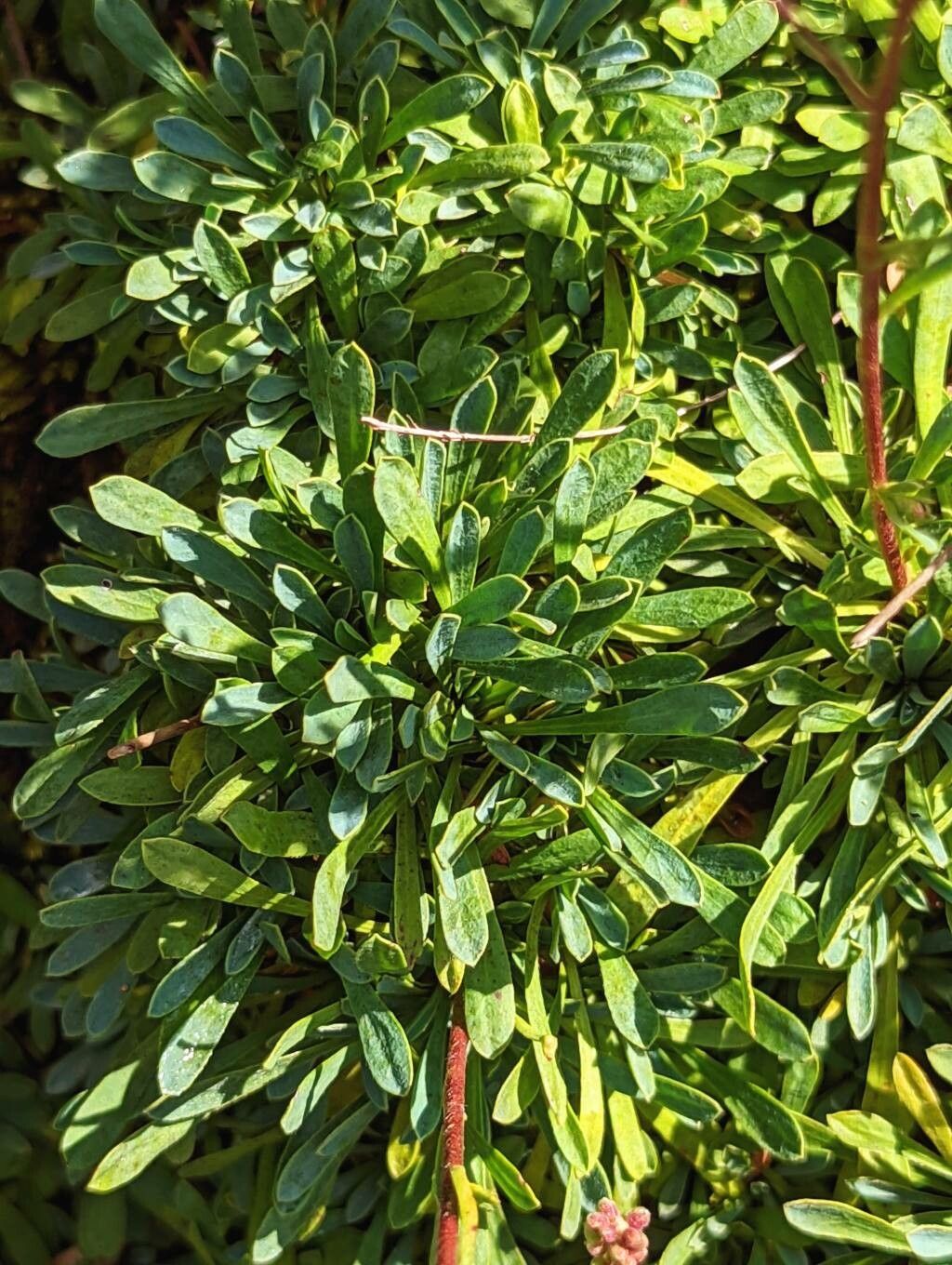
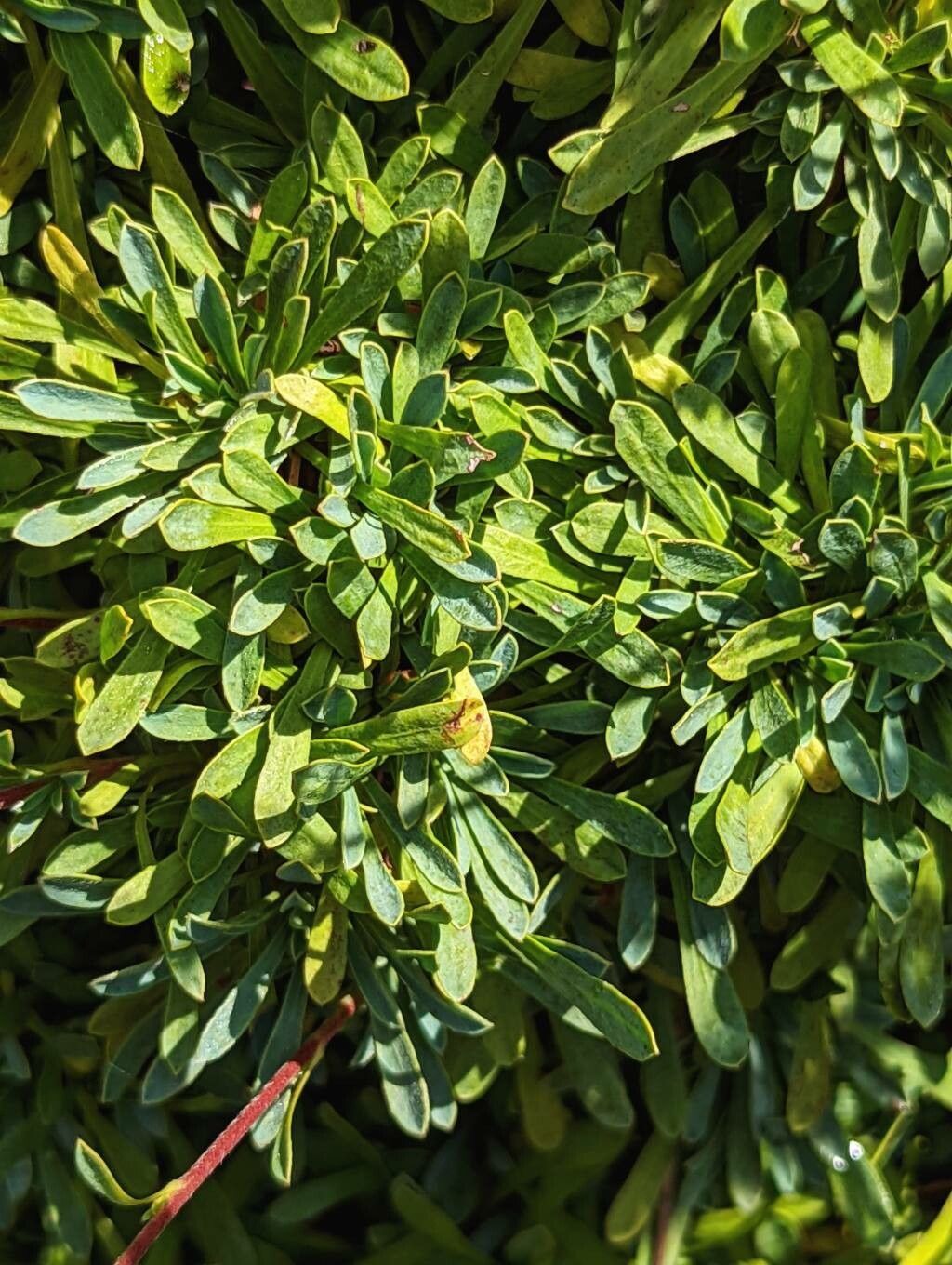
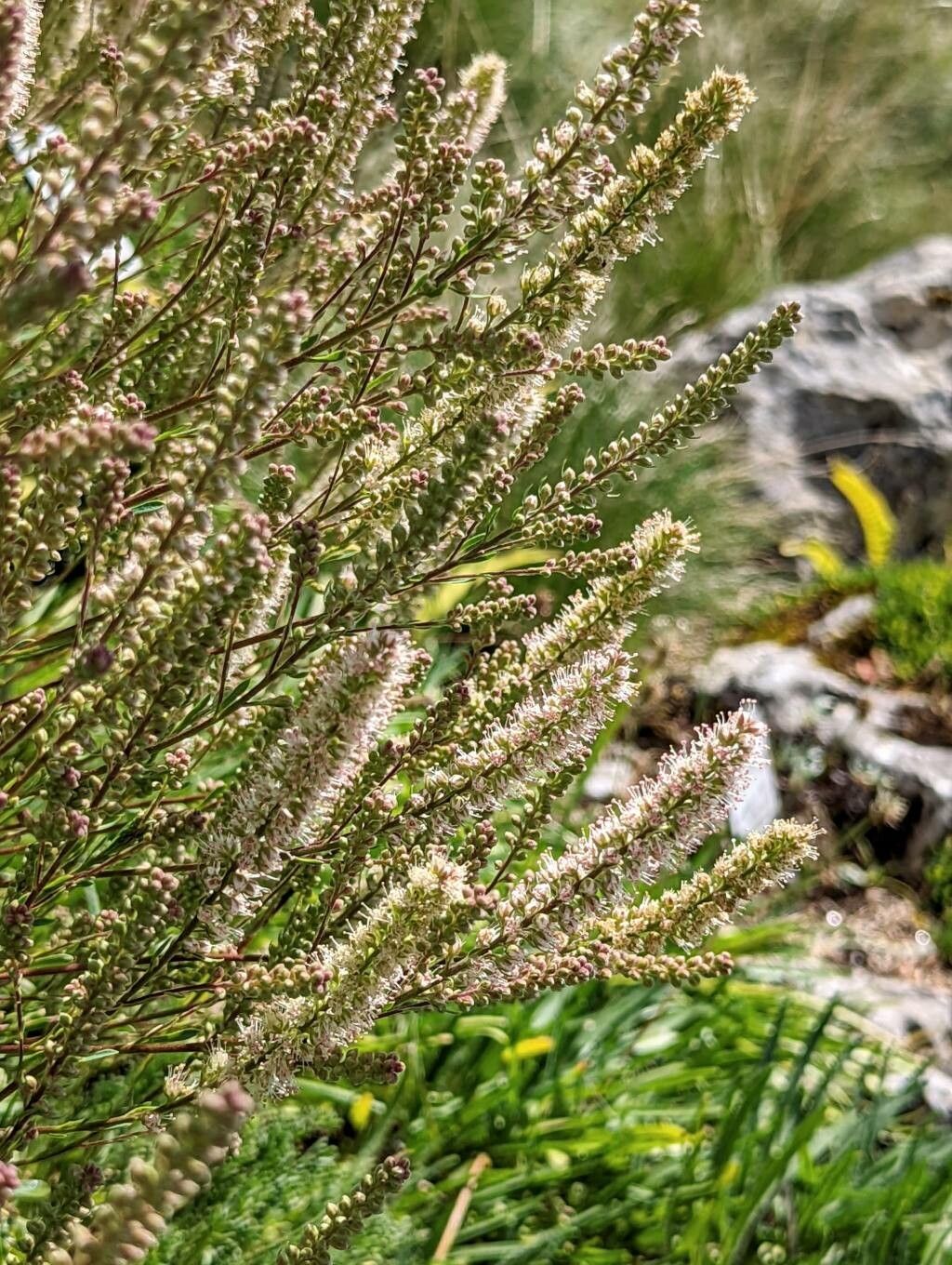
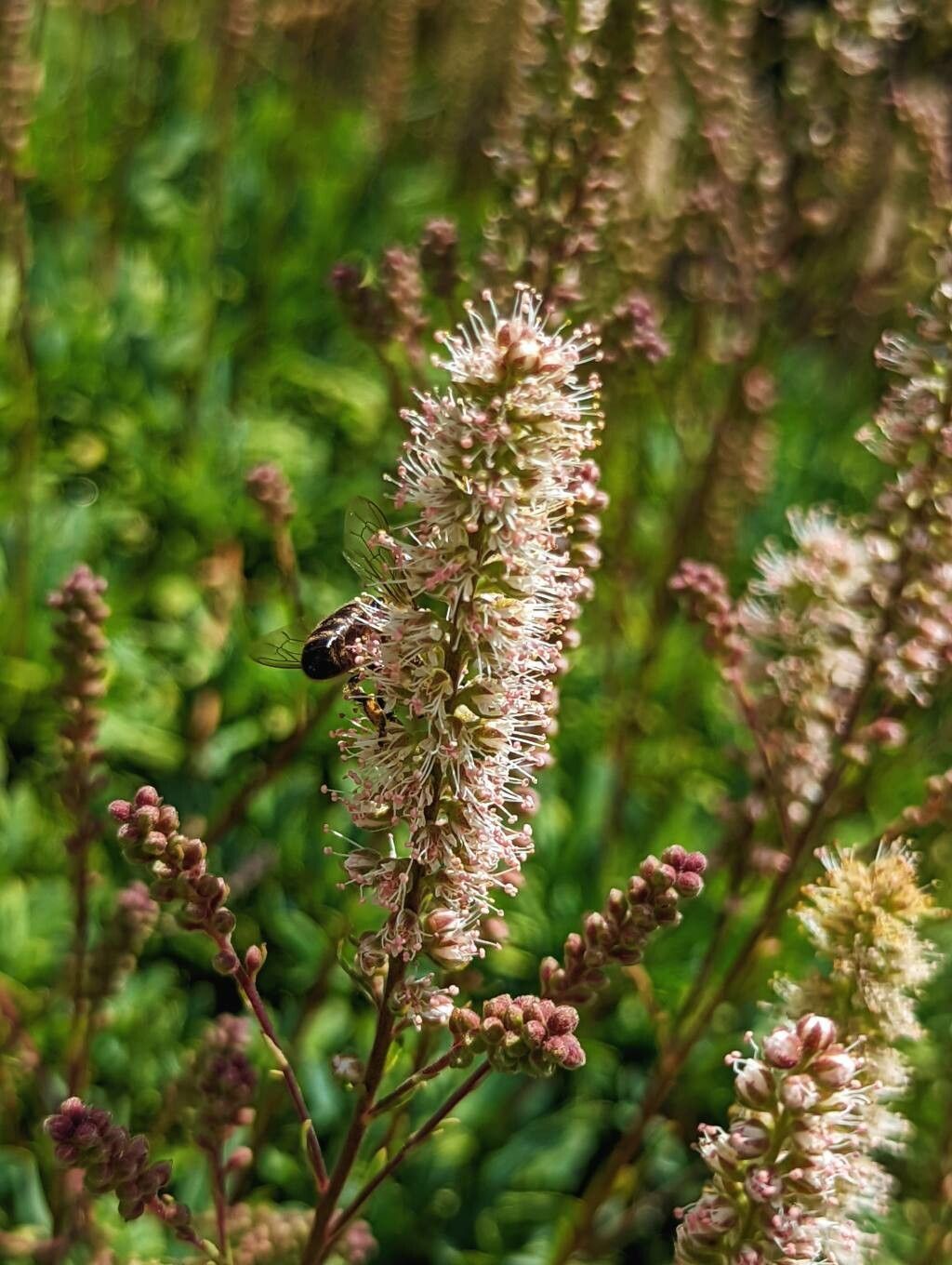
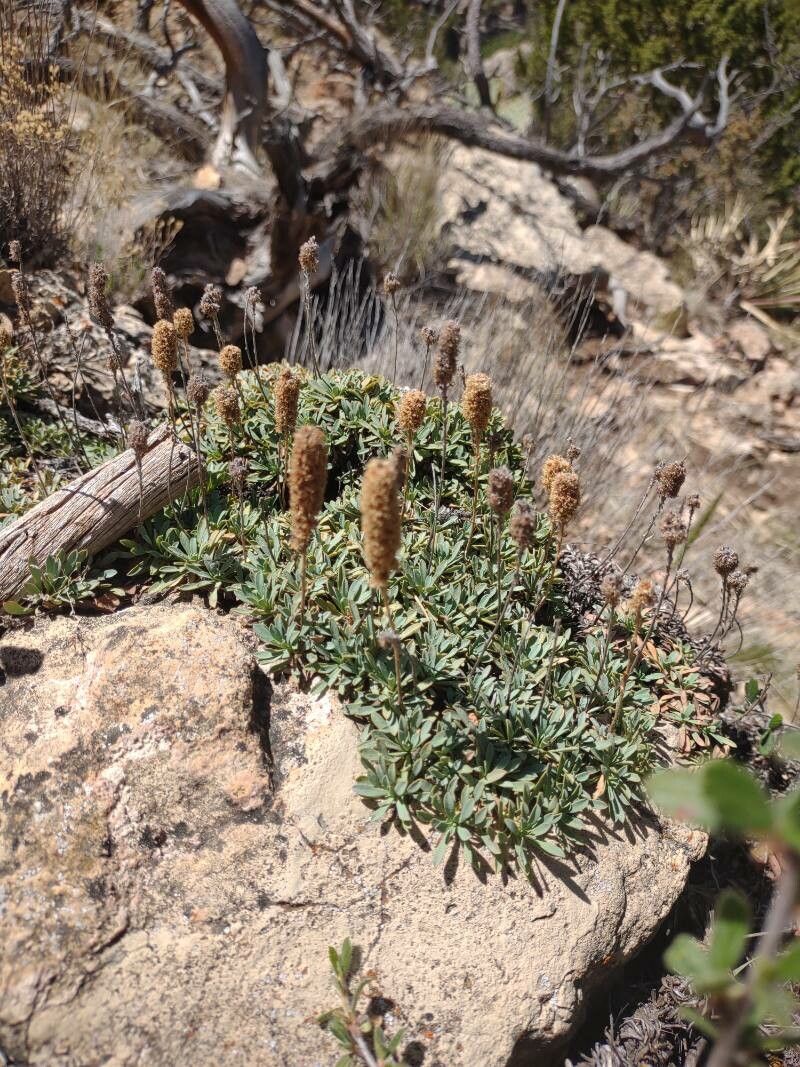
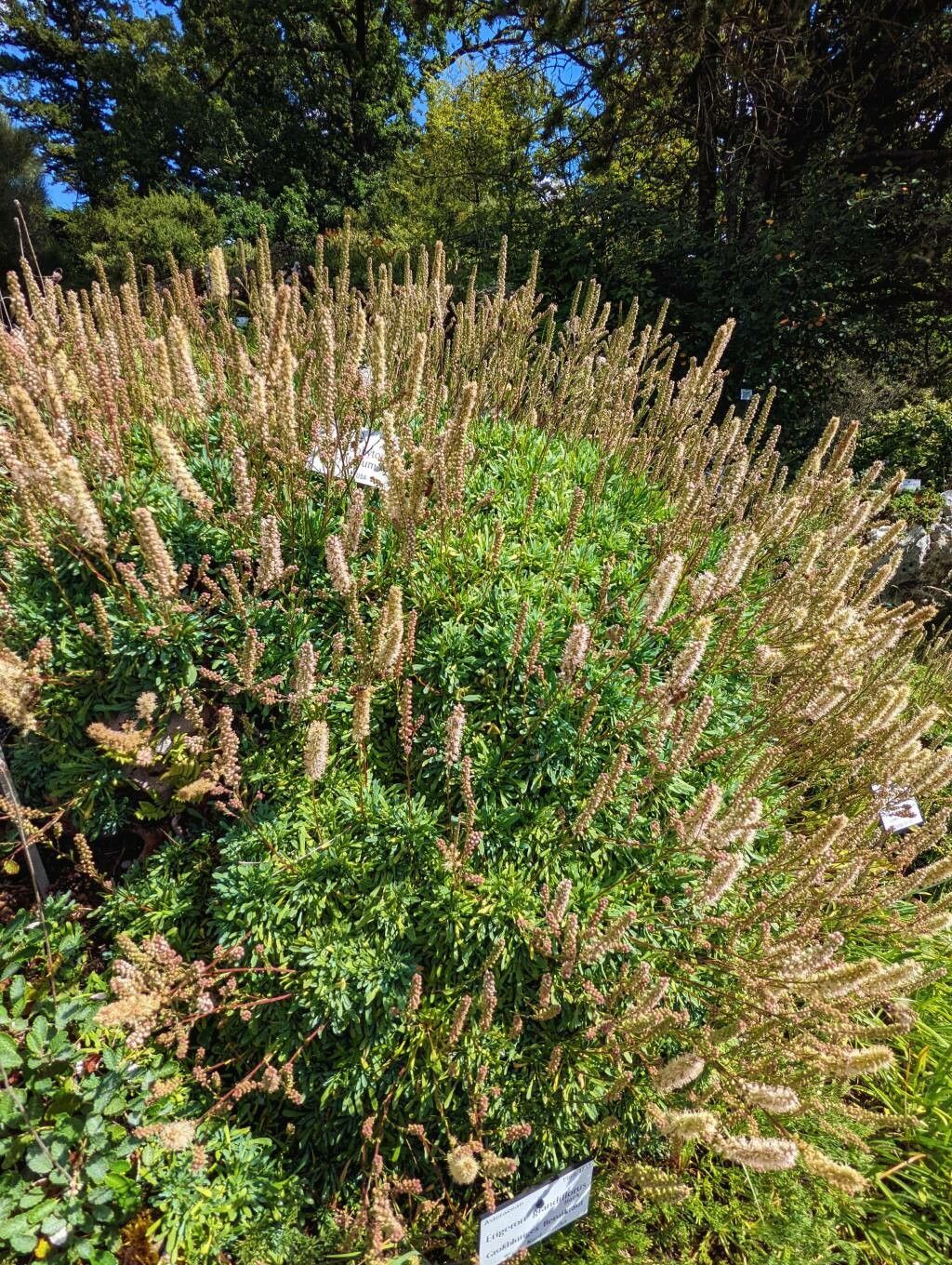
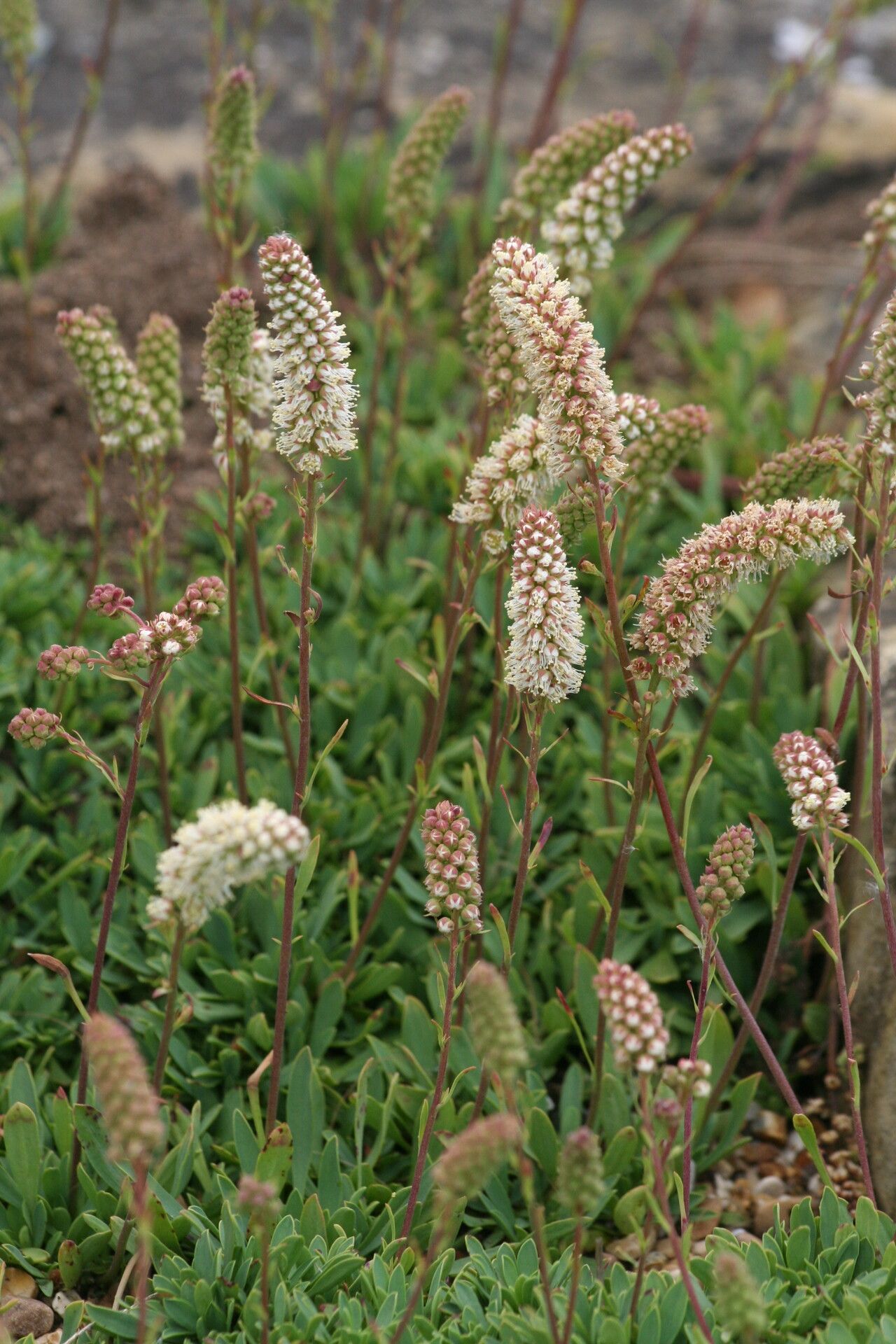
Petrophytum caespitosum (orth. var. Petrophyton caespitosum) is a species of flowering plant in the rose family known by the common name mat rock spiraea. It is native to the Western United States where it grows in mountainous areas from the Sierra Nevada to the Rocky Mountains. It grows among limestone rocks in forested and woodland habitat.
Mat rock spiraea is resistant to disease and is generally unlikely to develop problems. In terms of care, this plant is fairly low-maintenance. When grown outdoors it needs little watering, and larger plants typically do not require pruning. Smaller plants, however, should be cut back after they finish blooming. Mat rock spiraea is appropriate for anyone with an outdoor area, such as a garden or deck, and does not demand much gardening experience.
How to keep Petrophytum Caespitosum.
Light
The mat rock spiraea does best with plenty of sunshine, preferring light for most of the day. It can also grow satisfactorily in partly shaded conditions. The plant is native to places with abundant sun, and that exposure is crucial for its health and growth. Too much or too little light can negatively affect its well-being.
Water
Mat rock spiraea thrives in dry conditions and needs watering only every 2 to 3 weeks, allowing the soil to dry out completely between waterings. Its succulent-like characteristics help it retain water efficiently, making it an excellent choice for xeriscaping. It flourishes in rocky areas where moisture is limited.
Temperature
Mat rock spiraea is a plant native to temperate regions, generally thriving in temperatures of 32 to 77 °F (0 to 25 °C). Its growth can be impeded outside of this range, and adjustments to warmer or cooler conditions may be needed throughout the year.
Fertilizer
The timing of fertilizing Mat rock spiraea is essential. Apply fertilizer in early spring and repeat it monthly until early summer. Fertilizer encourages attractive blooms and supplies energy during both dormant and active growth phases.
Pruning
Mat rock spiraea is a low-growing plant that forms a dense mat and produces fluffy white flowers. To keep it healthy and looking its best, prune it in early spring. This involves removing dead stems and thinning crowded areas to improve air circulation and encourage better growth. Pruning not only enhances the plant's health and appearance but also extends its life as a ground cover before the blooming season begins.
Botanical profile.
- Plant Type
- Shrub
- Life Cycle
- Perennial
- Genus
- Petrophytum
- Family
- Rosaceae
- Hardiness Zone
- 3
- Mature Height
- 2.13 m
- Mature Spread
- 9.75 m
- Leaf Color
- Gray, Light Gray
- Leaf Type
- Semi-evergreen
- Flower Color
- White
- Flower Size
- 2.54 cm
- Bloom Time
- Early summer, Mid summer
- Planting Time
- Autumn
- Harvest Time
- Late summer, Early fall
- Native Area
- Mexico
Other names.
Reader questions.
What are the sunlight requirements for Mat rock spiraea?
Mat rock spiriae, also known by its botanical name Petrophytum caespitosum, thrives best under conditions of full sun, which means it needs more than 6 hours of sunlight daily. However, it can also grow well in partial sun, receiving about 3-6 hours of sunlight. It's important to observe how sunlight moves through your garden to find spots that offer a good balance of light and shade, ensuring the plants' optimal growth and happiness.
What is Mat rock spiraea and where does it thrive?
Mat rock spiraea, botanically known as Petrophytum caespitosum, is a plant native to temperate environments. It thrives best in temperature ranges from 32 to 77 °F (0 to 25 °C), typically requiring adjustments to either cooler or warmer conditions throughout the year depending on its surroundings. This plant is highly adaptable to cold and does not need additional frost protection measures during winter. However, it is crucial to water the plant generously before the first freeze in autumn to keep the soil moist and help prevent drought and water scarcity during winter and early spring.
What essentials do I need to know for growing Mat rock spiraea successfully?
Growing Mat rock spiraea successfully requires abundant sunshine for the most part of the day, although it can tolerate partially shaded sunlight. Originating from areas with ample sun exposure, it's crucial for the plant’s health. For indoor plants where natural sunlight is limited, especially during winter or in less sunny areas, artificial lighting provides a solution. LED lights are recommended for indoor plants, with full sun plants needing 30-50W/sq ft, partial sun plants requiring 20-30W/sq ft, and full shade plants needing 10-20W/sq ft. The light source should be placed 12-36 inches above the plant, and for most plants, 8-12 hours of light per day is advisable.
How does Mat rock spiraea react to low temperatures?
Mat rock spiraea is extremely tolerant of cold temperatures, capable of withstanding winter temperatures above -35°C without noticeable damage during the winter months. However, if temperatures fall below this threshold, the plant may exhibit brittleness and dryness in its branches come spring, with no new shoots emerging. To mitigate this, it’s recommended to prune away any dead branches that have failed to produce new leaves in the spring, which helps promote healthier growth and recovery.
What symptoms indicate that my Mat rock spiraea is not getting enough light?
If your Mat rock spiraea is not receiving adequate sunlight, it may display several symptoms. These include smaller new leaves, leggy or sparse growth, faster leaf drop, slower or halted new growth, and pale or irregular coloration in new leaves indicating insufficient chlorophyll. Furthermore, excessive sunlight can lead to chlorosis (leaves turning yellow), sunscald, leaf curling as a defense against too much light, wilting due to excessive water loss, and leaf scorching characterized by brown or crispy leaf edges.
What should I do if Mat rock spiraea experiences high temperatures?
Mat rock spiraea is not tolerant of high temperatures. When exposed to temperatures above 25°C, the plant may suffer significant leaf drop, and in severe cases, it might wither and die. To protect and care for your Mat rock spiraea in these conditions, you should trim away the sunburned and dried-up parts of the plant. Moving it to a location that provides shade during the midday and afternoon sun, or using a shade cloth, can help mitigate direct sunlight exposure. Ensuring the soil remains moist by watering in the morning and evening is also crucial for its survival in high temperatures.
How can I address light-related issues for my Mat rock spiraea for both indoor and outdoor settings?
To address light-related issues for Mat rock spiraea, for indoor plants, gradually move them to sunnier locations to receive at least 6 hours of sunlight daily and consider using artificial lights, such as a desk or professional grow lights, for 8 hours daily if they're large or not easily movable. Outdoors, gradually acclimate your plants to more sunlight to prevent sunburn. If light obstruction is an issue, prune trees or transplant smaller plants during their dormant period to locations with more sunlight and good drainage. Note that parts of the plant damaged by insufficient light may not recover, but new growth will be healthy after adjusting the light exposure.