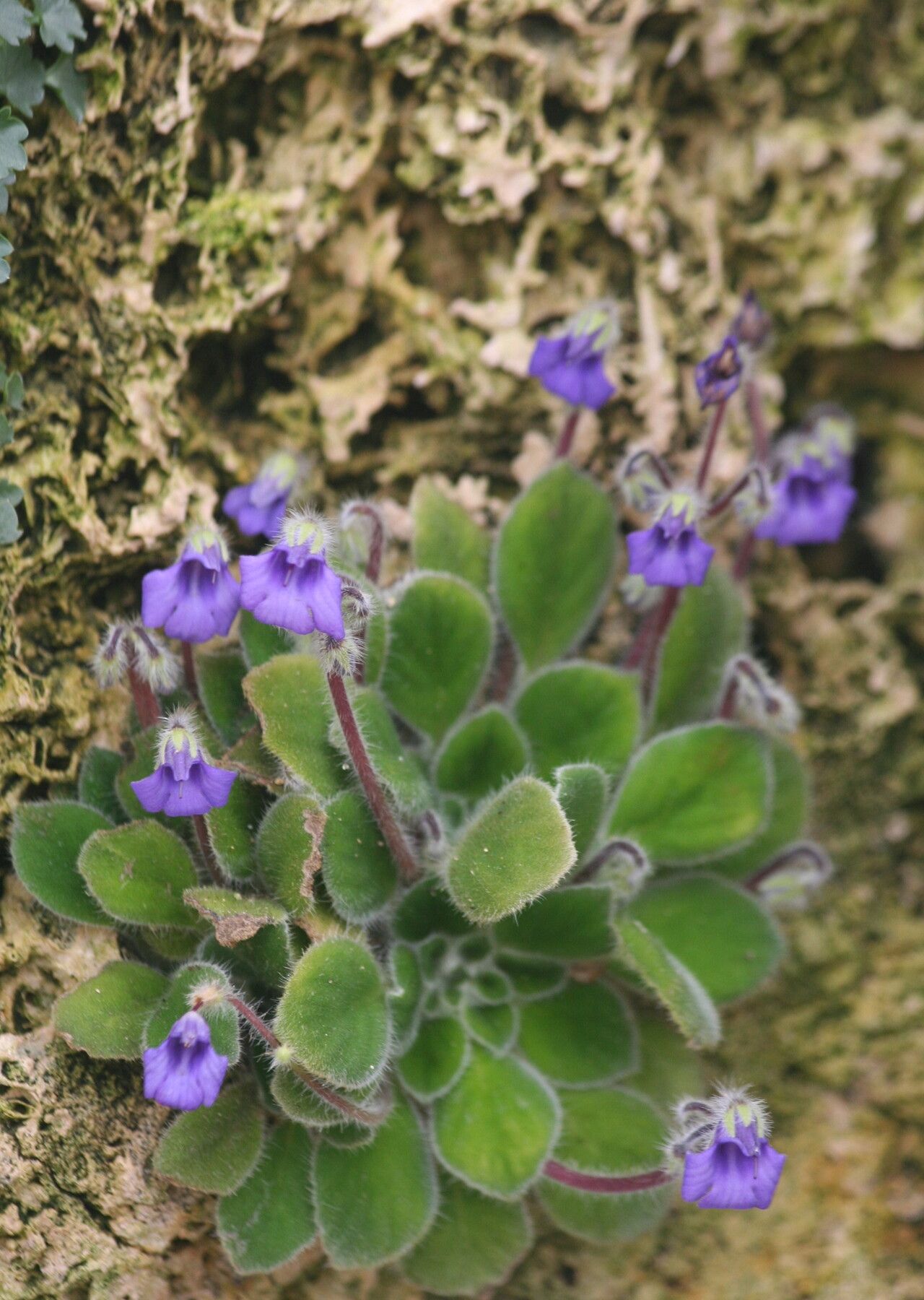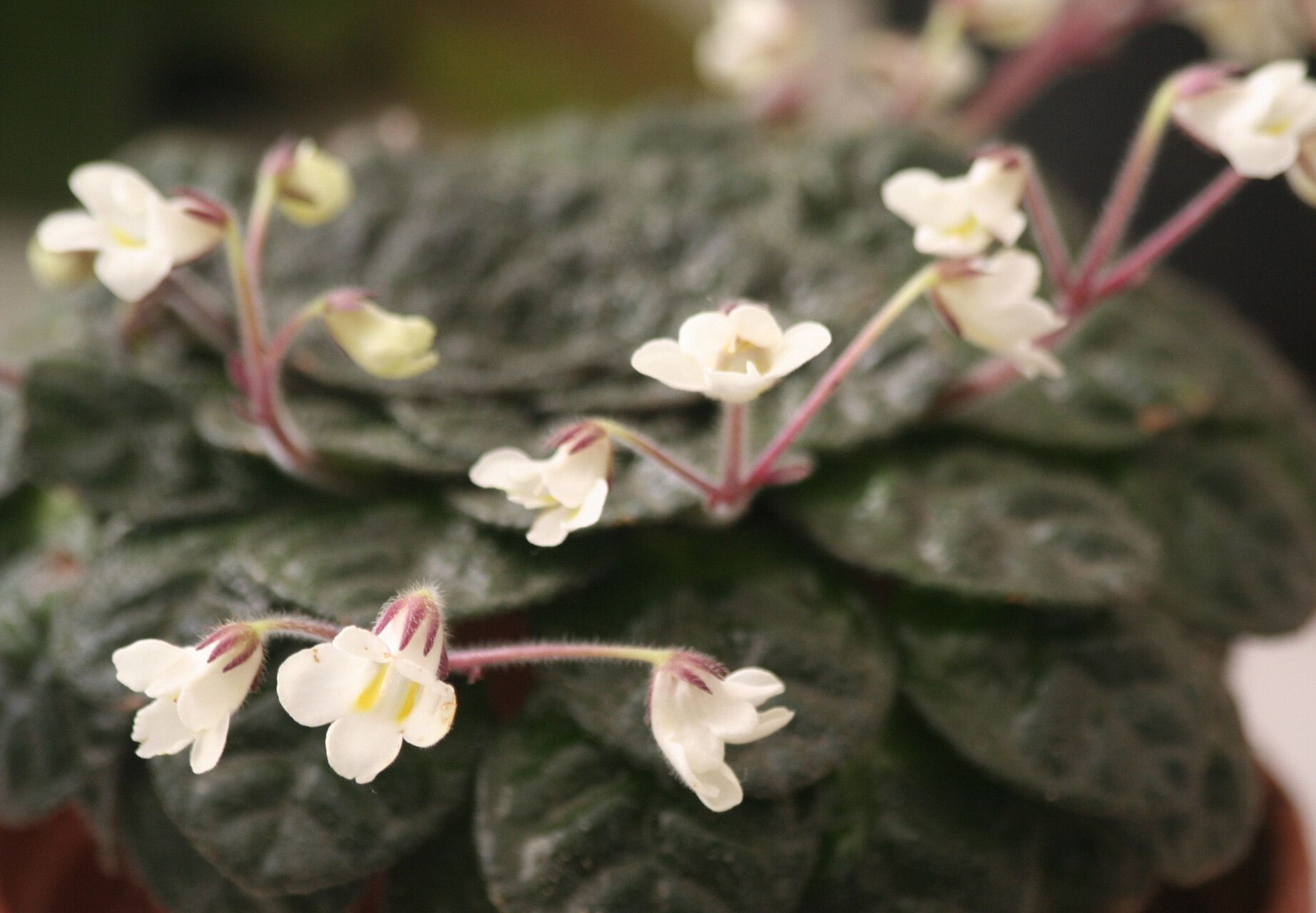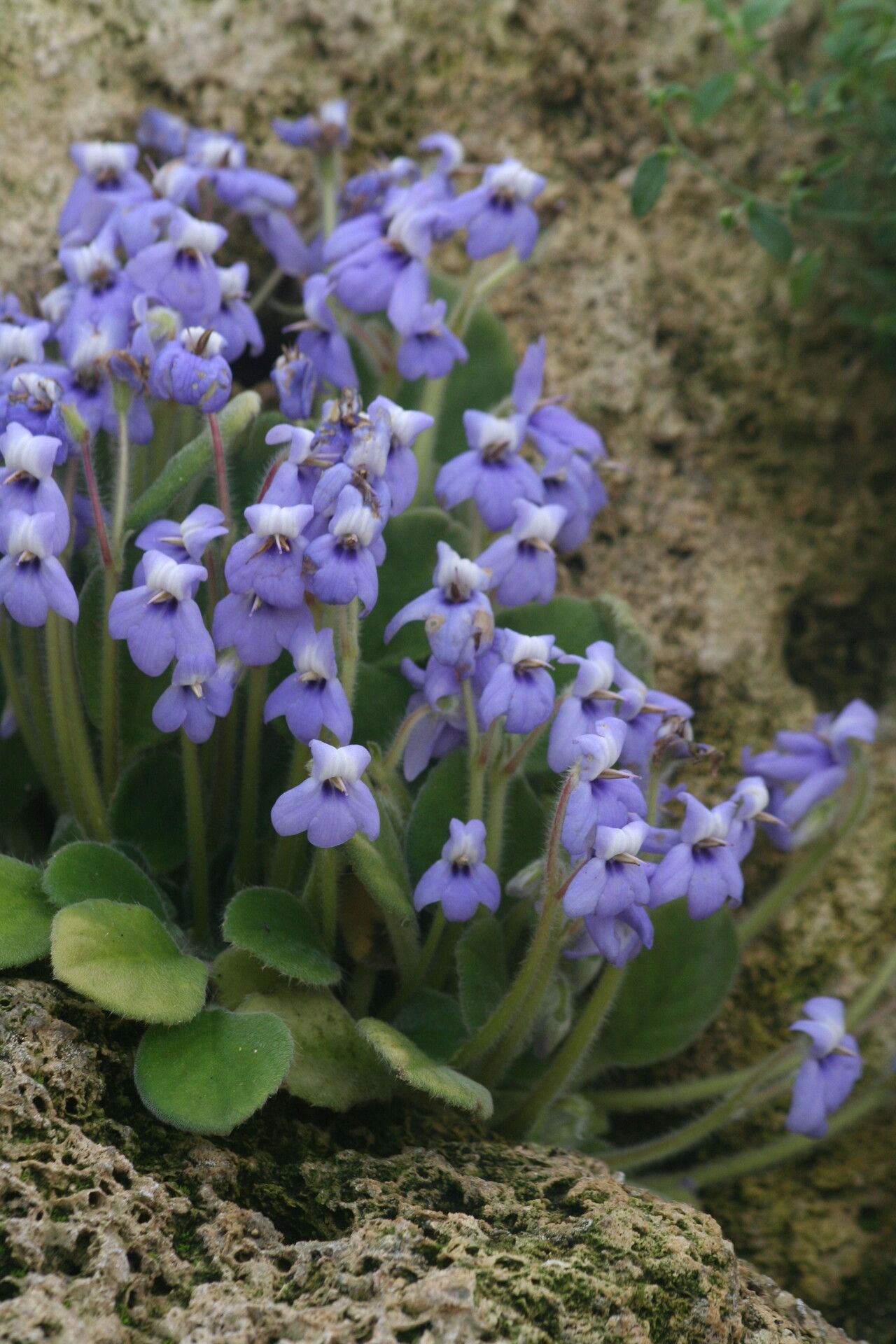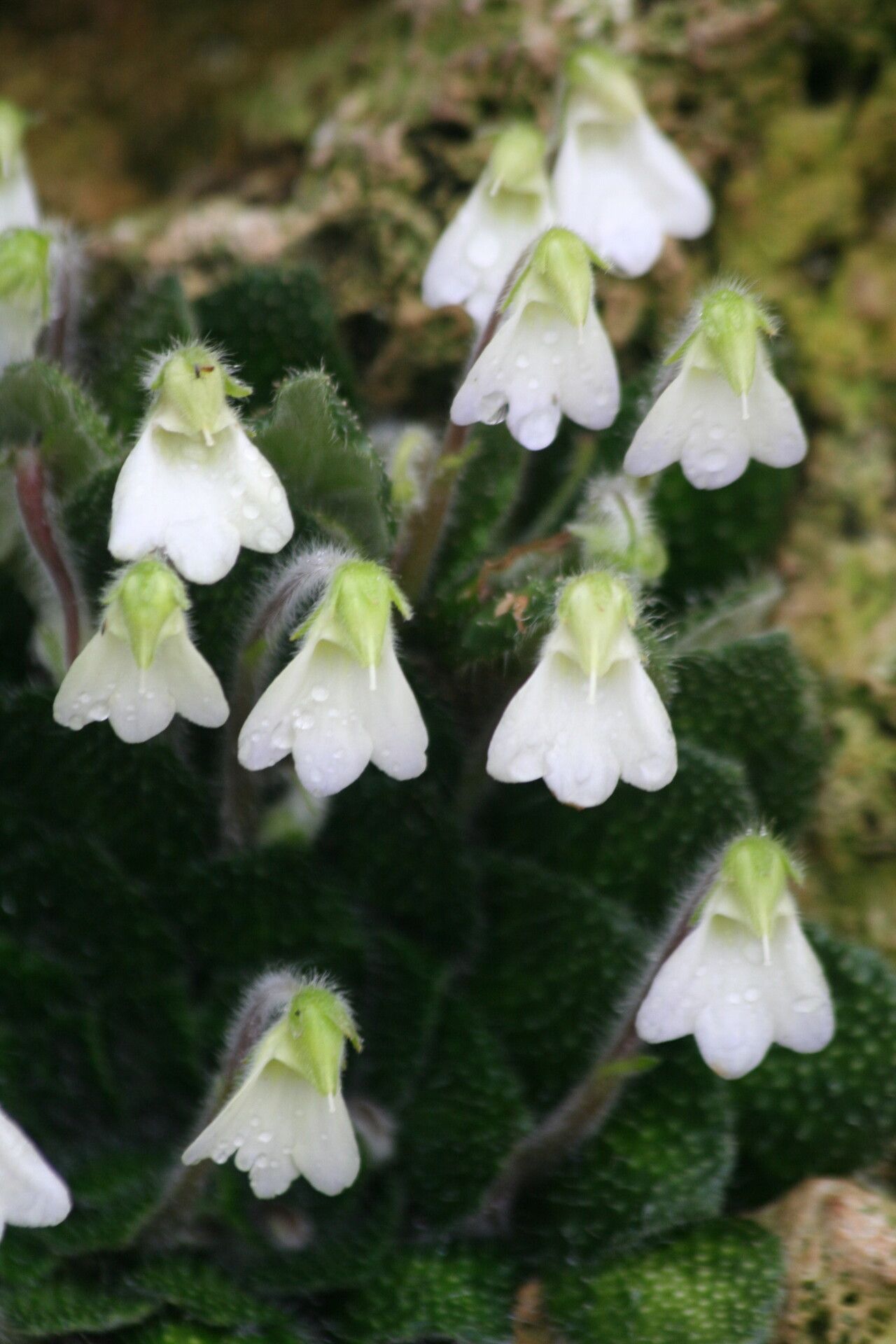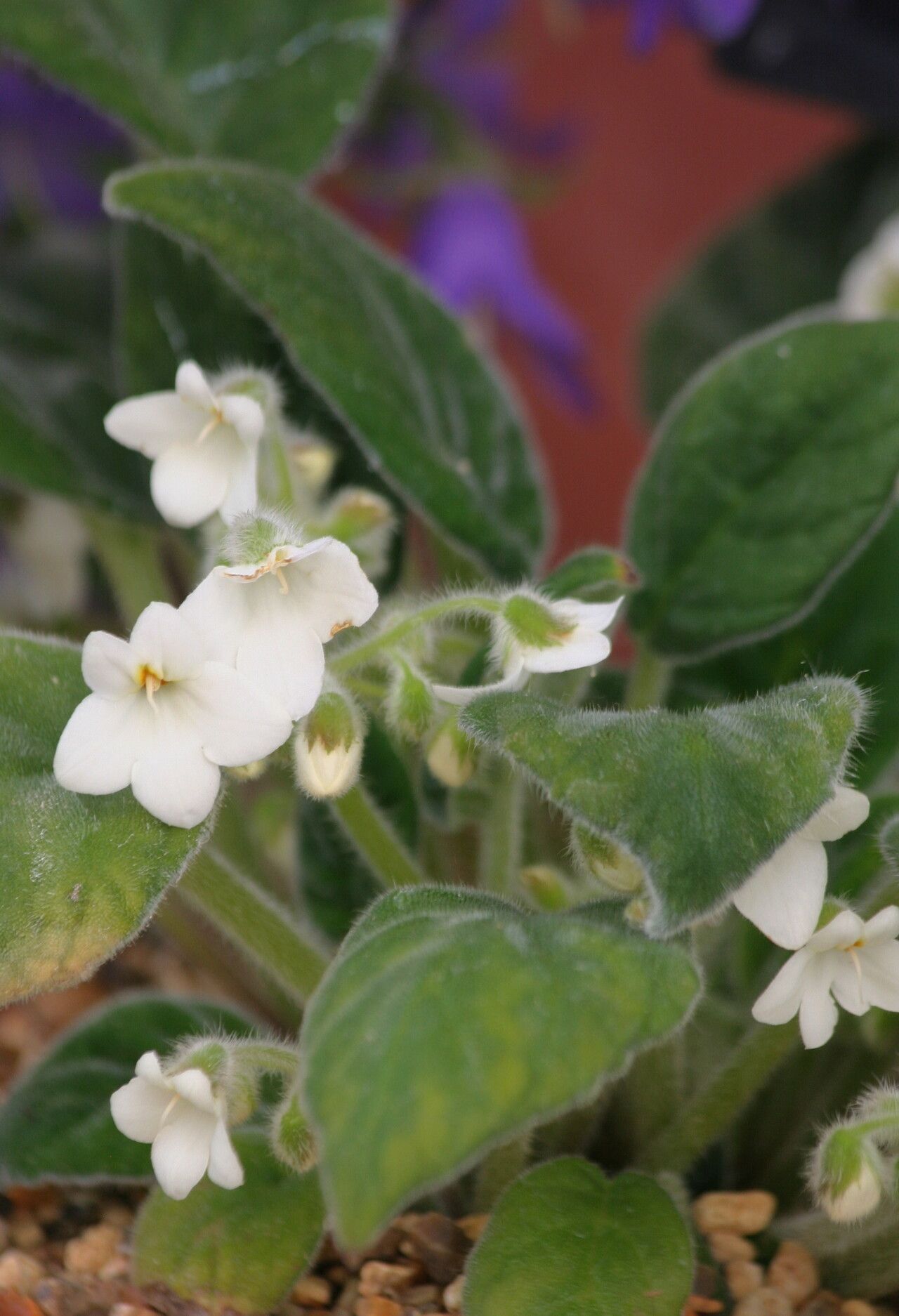
Petrocosmea kerrii is a species of flowering plant in the family Gesneriaceae, sometimes cultivated as a houseplant. In the past, it has been erroneously placed in the genus Damrongia. It was first described by William Grant Craib in 1918.
Petrocosmea kerrii is generally resistant to disease and is not often affected by it. However, it can be prone to leaf spots if light and ventilation are poor and watering is excessive. This plant is considered easy to care for, requiring only regular watering and little else. Petrocosmea kerrii is suitable for people who do not have much time or energy to devote to regular care.
How to keep Petrocosmea Kerrii.
Light
Petrocosmea kerrii thrives in natural habitats such as woodland understories or stony terrains, where it is usually partially shaded. Although it prefers moderate sunlight, it can adjust to either complete sunlight or complete shade, reflecting its adaptable and resilient character.
Temperature
Petrocosmea kerrii is native to tropical areas characterized by warm and moist climates. Consequently, it is highly suited to hot and humid conditions. It doesn't favor abrupt changes in temperature and prefers a consistent thermal environment, so it's crucial to prevent temperature swings within indoor spaces. It generally cannot withstand chilly temperatures and needs elevated temperatures to flourish. Should the ambient temperature fall excessively, the plant's growth may halt or it could potentially perish.
Fertilizer
Giving the correct amount of fertilizer is essential for the health and aesthetics of Petrocosmea kerrii. Providing nutrients for this plant during summer months on a monthly basis is important. The nutrients help promote growth and sustain the plant. Fertilization boosts the flower display of Petrocosmea kerrii, helping it produce the most impressive blooms.
Pot & Repot
When transplanting Petrocosmea kerrii, select a container that is 1-2 inches (2.5-5 cm) bigger with sufficient drainage channels. Utilize a potting mix that provides good drainage. Replant in either spring or autumn, making sure that the plant's root mass is just below the top edge of the pot. Drench completely after the repotting process and position in a warm location that receives diffused sunlight.
Botanical profile.
- Plant Type
- Herb
- Life Cycle
- Perennial
- Hardiness Zone
- 10-11
- Mature Height
- 10 cm to 15 cm
- Mature Spread
- 15 cm to 20 cm
- Leaf Color
- Dark Green, Forest Green
- Leaf Type
- Evergreen
- Flower Color
- Lavender, White
- Flower Size
- 2.03 cm to 3.05 cm
- Bloom Time
- Mid winter, Late winter, Early spring, Mid spring
- Planting Time
- Spring, Summer
- Harvest Time
- Mid spring, Late spring, Early summer
- Native Area
- Myanmar, Thailand, China