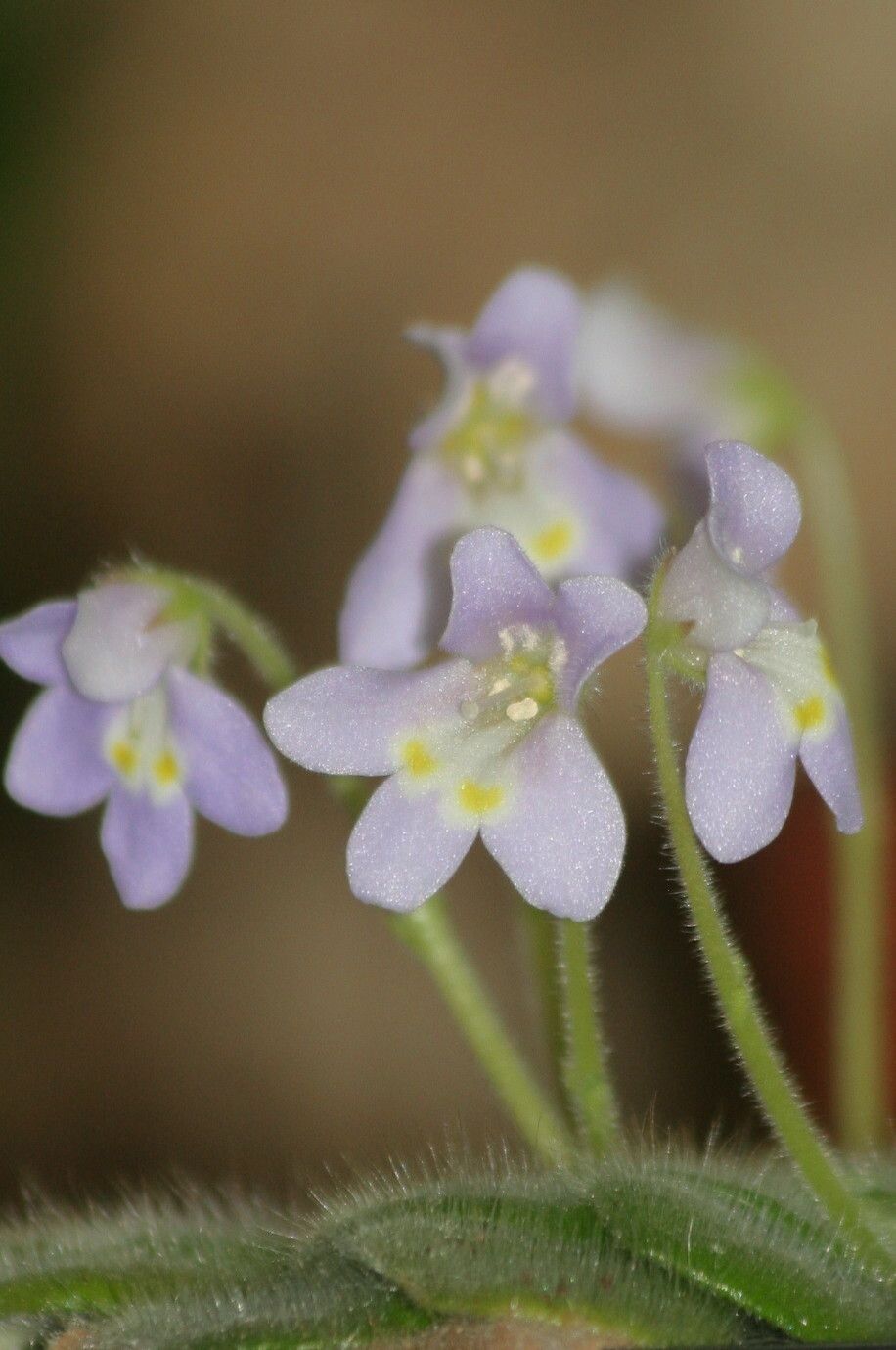
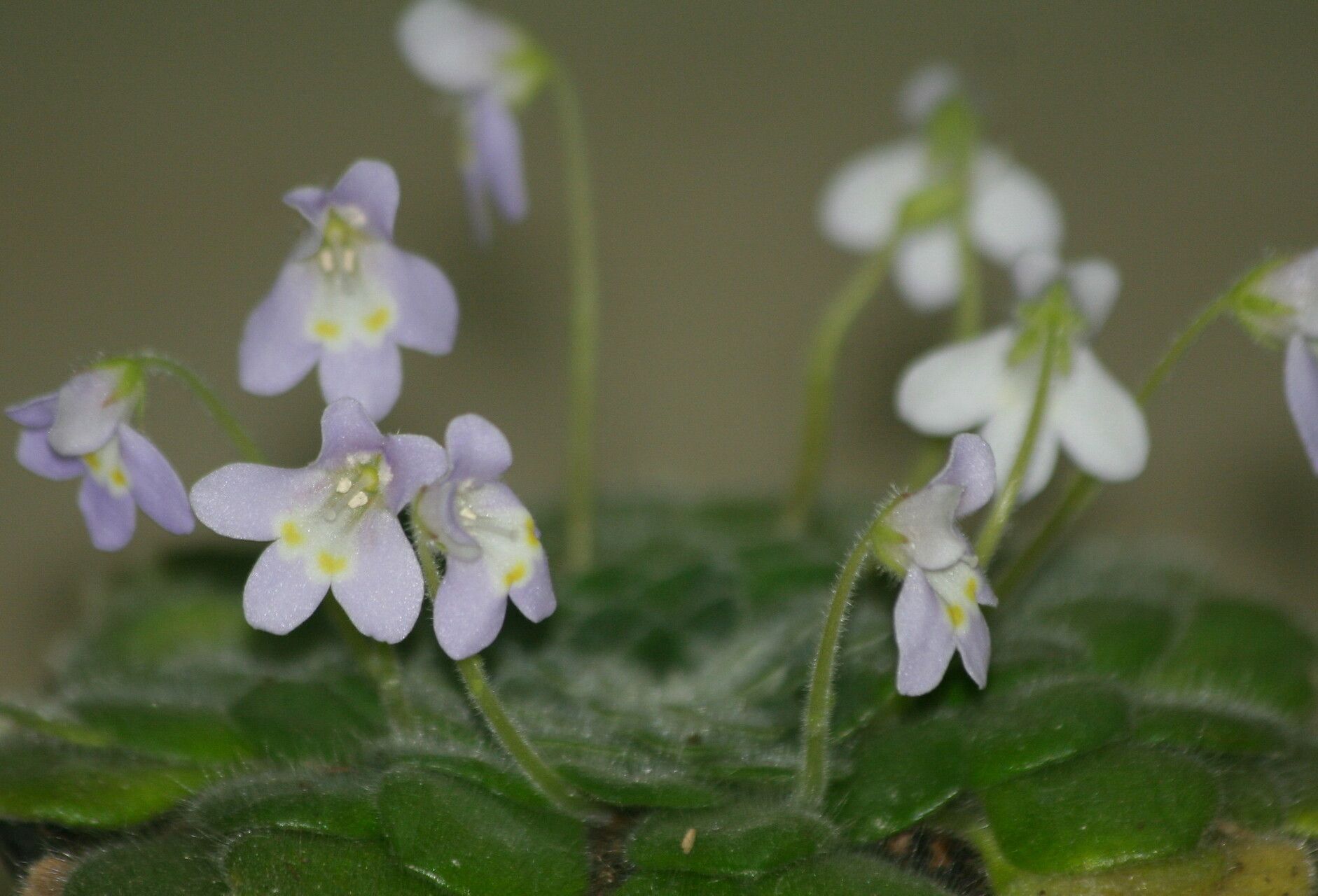
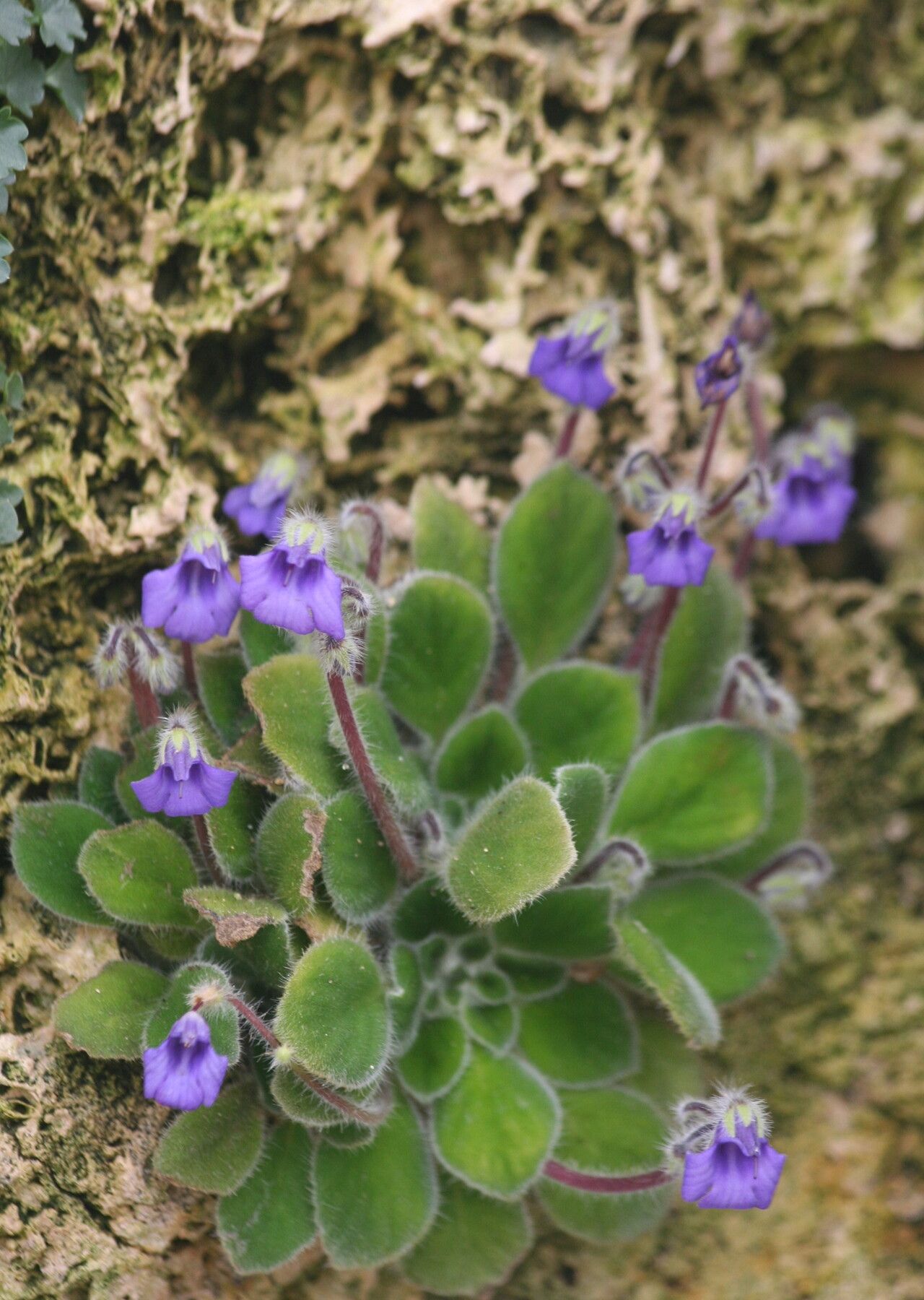
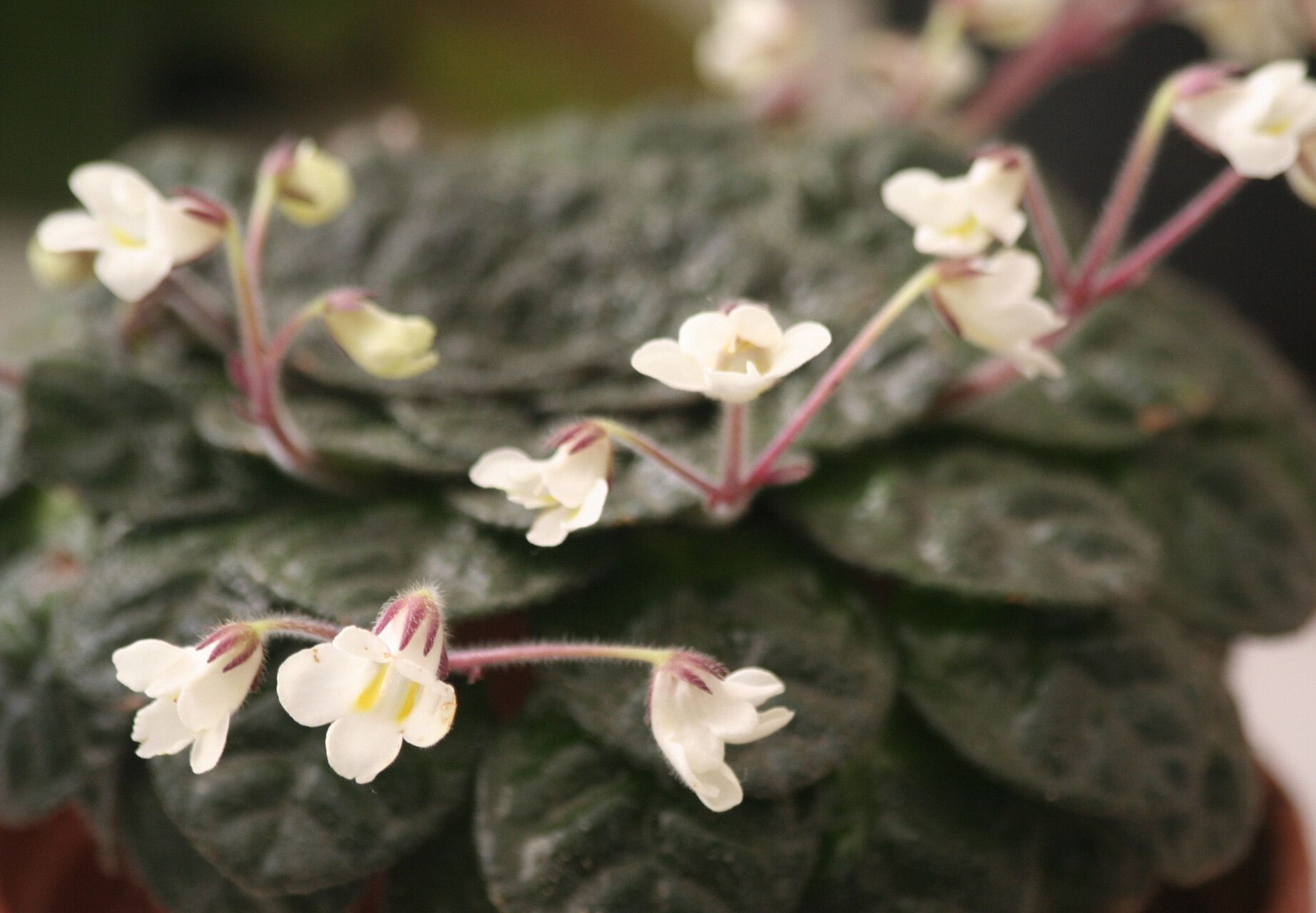
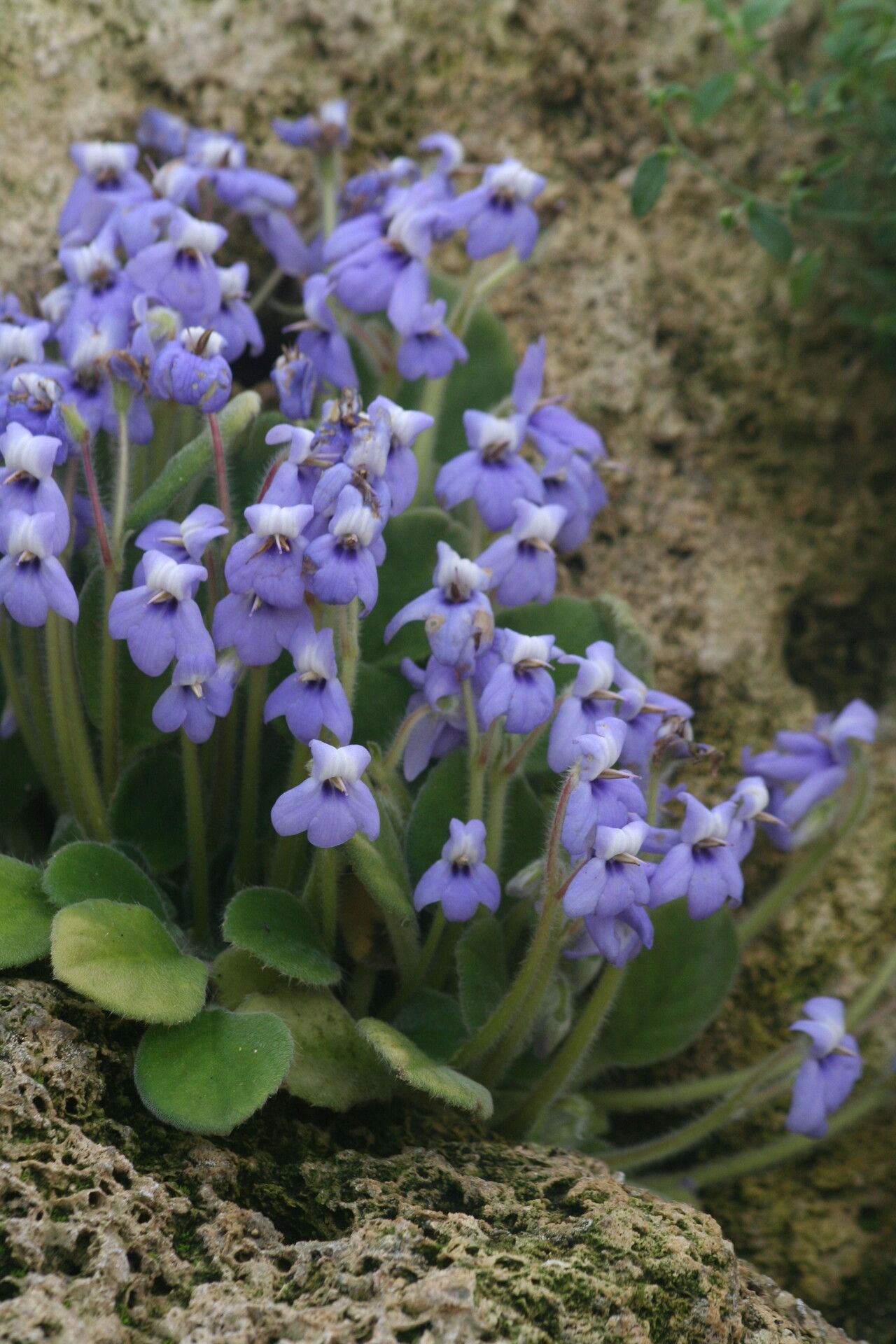
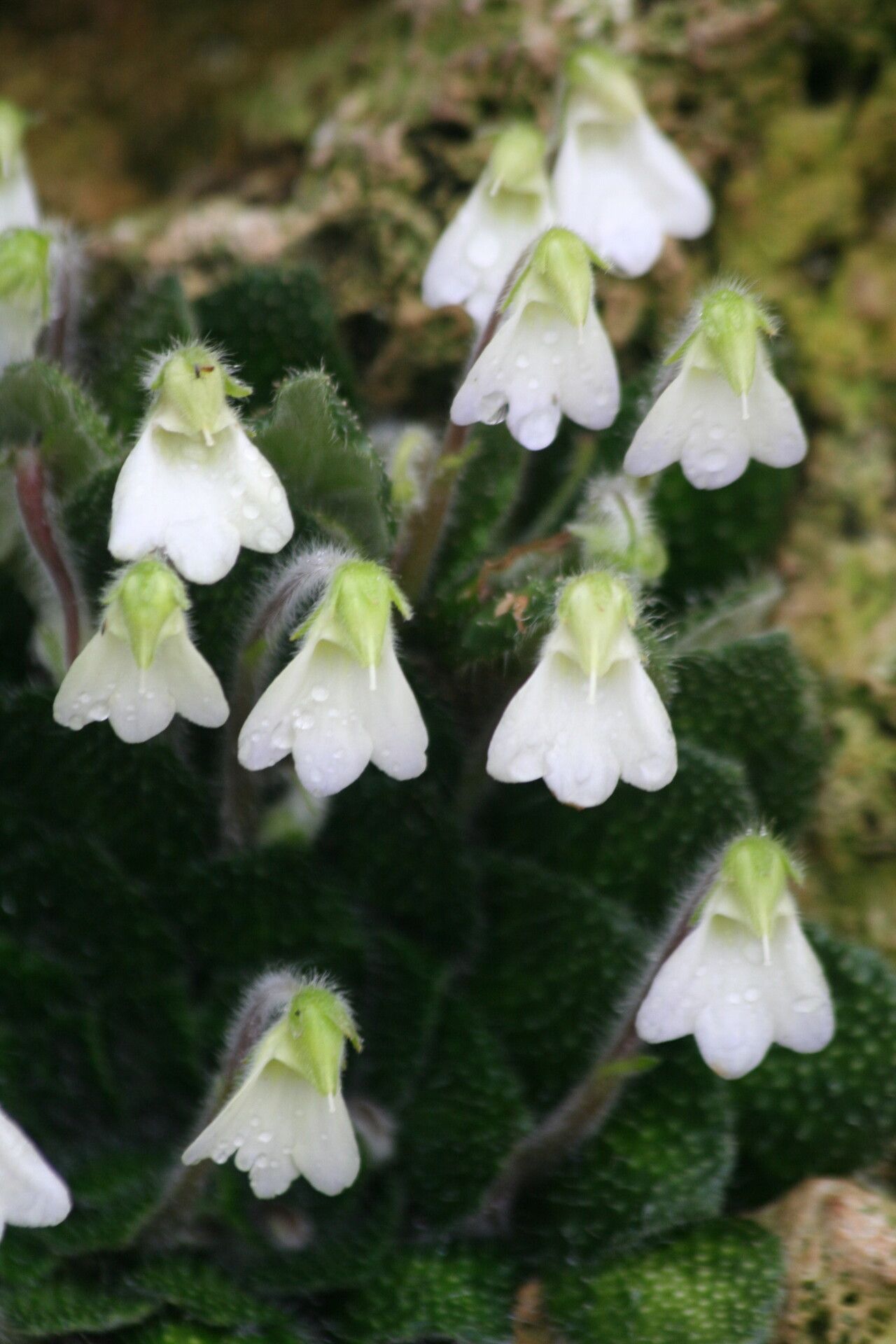
Petrocosmea forrestii is a species of flowering plant in the family Gesneriaceae native to China, and sometimes cultivated as a houseplant. It grows among rocks in shady places. Like other species in its genus, it does not develop a stem above ground, but spreads by rhizomes. The entire rosette of leaves is less than 15 centimetres (5.9 in) in diameter.
Petrocosmea is generally disease-resistant and usually not prone to illnesses. It can, however, develop leaf spots if light and ventilation are poor or if it is overwatered. The plant is considered easy to care for, needing mainly routine watering and little else. Petrocosmea is well suited for people who do not have the time and energy to dedicate to frequent care.
How to keep Petrocosmea Forrestii.
Light
Petrocosmea does best in dappled light, reproducing the conditions of its native forest understory. Excessive sun can cause leaf burn, while too little light can restrict growth. It does not need any alteration of light exposure at different stages of growth.
Water
Petrocosmea plants thrive in the humid understories of forests, where they grow best in consistently moist and well-drained soil. While they prefer stable moisture levels, they can tolerate brief periods of dryness. It is important to water them weekly, and providing higher humidity can enhance their ornamental foliage, promoting lush growth and a vibrant appearance.
Temperature
Petrocosmea is native to habitats where temperatures typically range between 41 and 95 °F (5 and 35 °C). This plant prefers steady warmth year-round, though it tolerates temperature fluctuations within that range. It is advisable to adjust home or greenhouse temperatures according to the seasons for optimal growth.
Fertilizer
The best time to fertilize a Petrocosmea is in early spring, when it is coming out of dormancy and starting active growth. Fertilization supplies essential nutrients for healthy development. Although Petrocosmea has fairly low fertilizer requirements, applying fertilizer once a year can boost its survival and encourage healthier, longer-lasting flowers.
Pruning
Petrocosmea is a compact plant with attractive foliage that requires minimal pruning. To maintain its health, focus on removing dead leaves, ideally from late winter to early spring. Regular pruning not only improves air circulation and reduces the risk of disease but also encourages new growth. Be sure to use sharp, sterile tools to minimize stress on the plant.
Pot & Repot
When repotting Petrocosmea, select a pot 1-2 inches (2.5–5 cm) larger with good drainage. Use a well-draining potting mix. Repot in spring or fall, making sure the root ball sits slightly below the rim of the flower pot. Water thoroughly after repotting and place in a warm spot with indirect sunlight.
Botanical profile.
- Plant Type
- Herb
- Life Cycle
- Perennial
- Genus
- Petrocosmea
- Family
- Gesneriaceae
- Hardiness Zone
- 5-9
- Mature Height
- 10 cm to 15 cm
- Mature Spread
- 15 cm to 25 cm
- Leaf Color
- Green
- Leaf Type
- Evergreen
- Flower Color
- Lavender, Purple
- Flower Size
- 2.54 cm
- Bloom Time
- Spring, Summer
- Planting Time
- Spring, Autumn
- Harvest Time
- Late spring, Summer, Early fall, Mid fall
- Native Area
- China