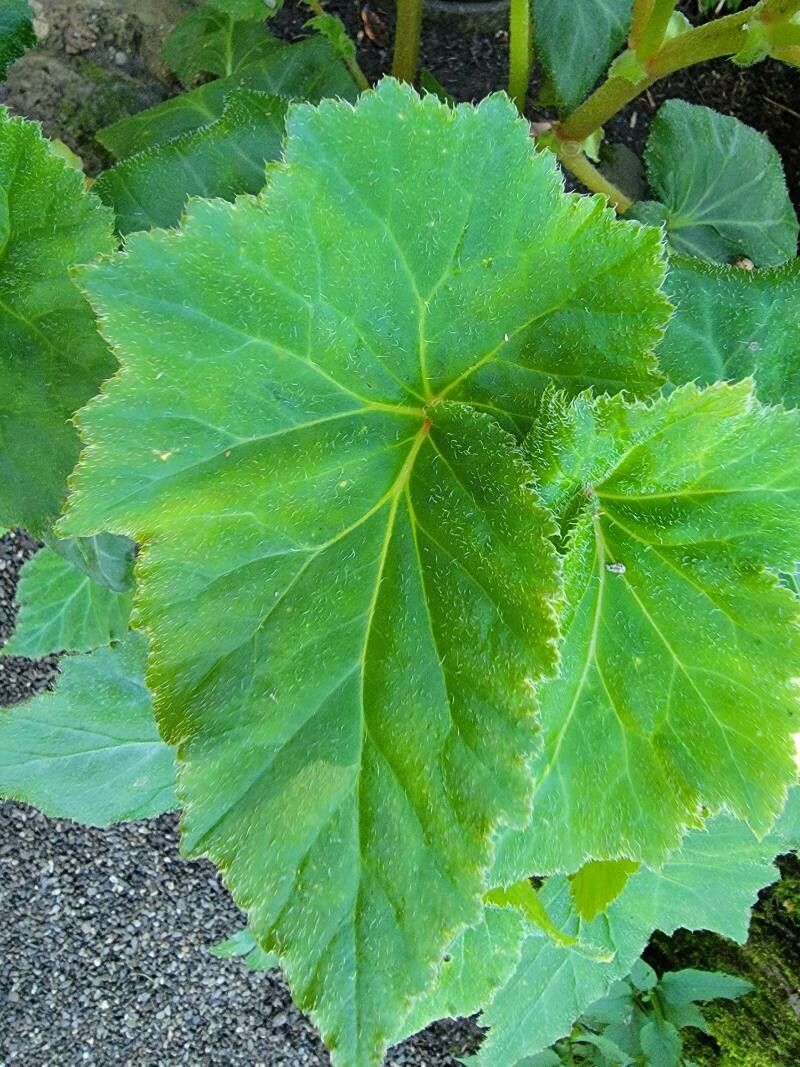
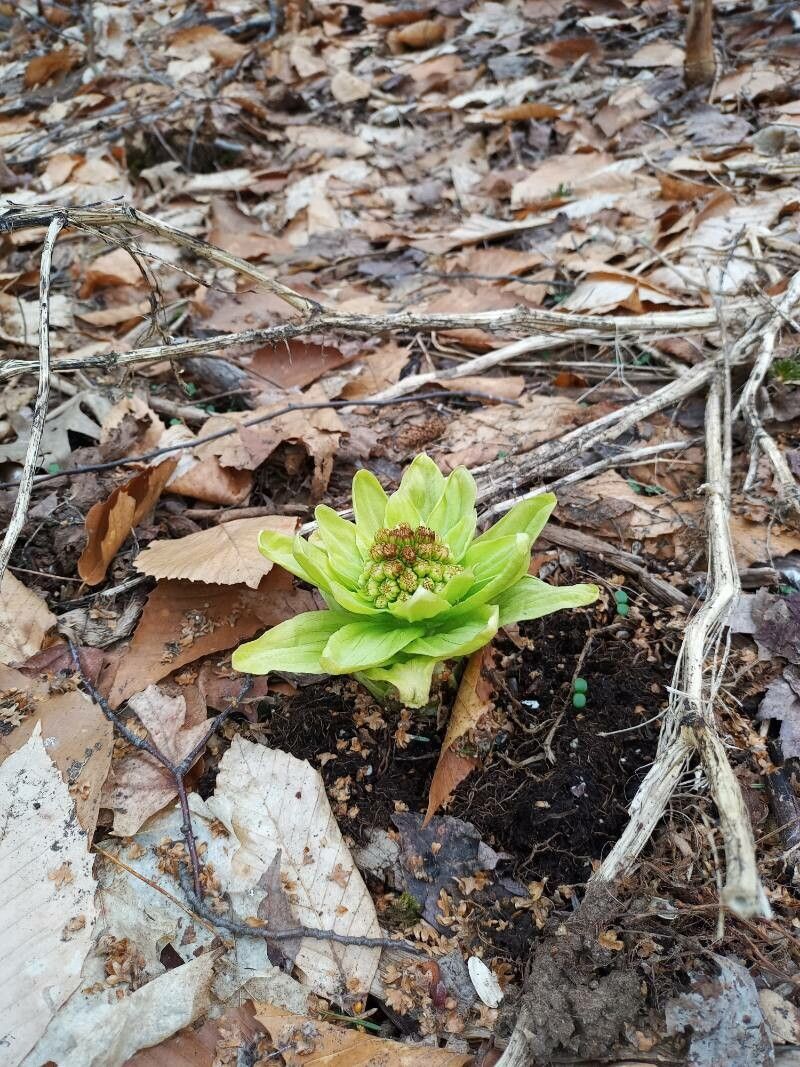
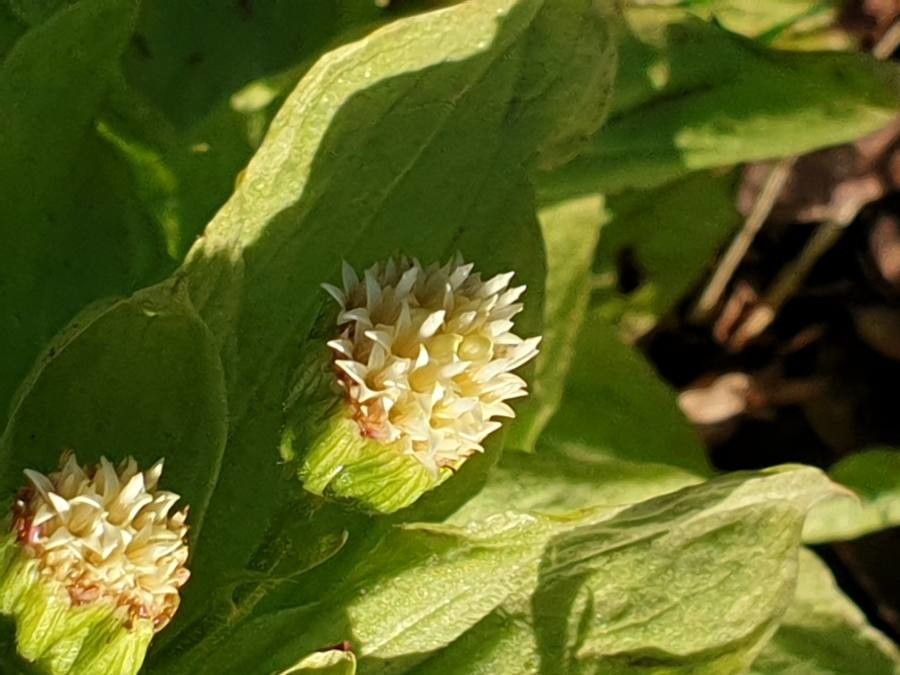
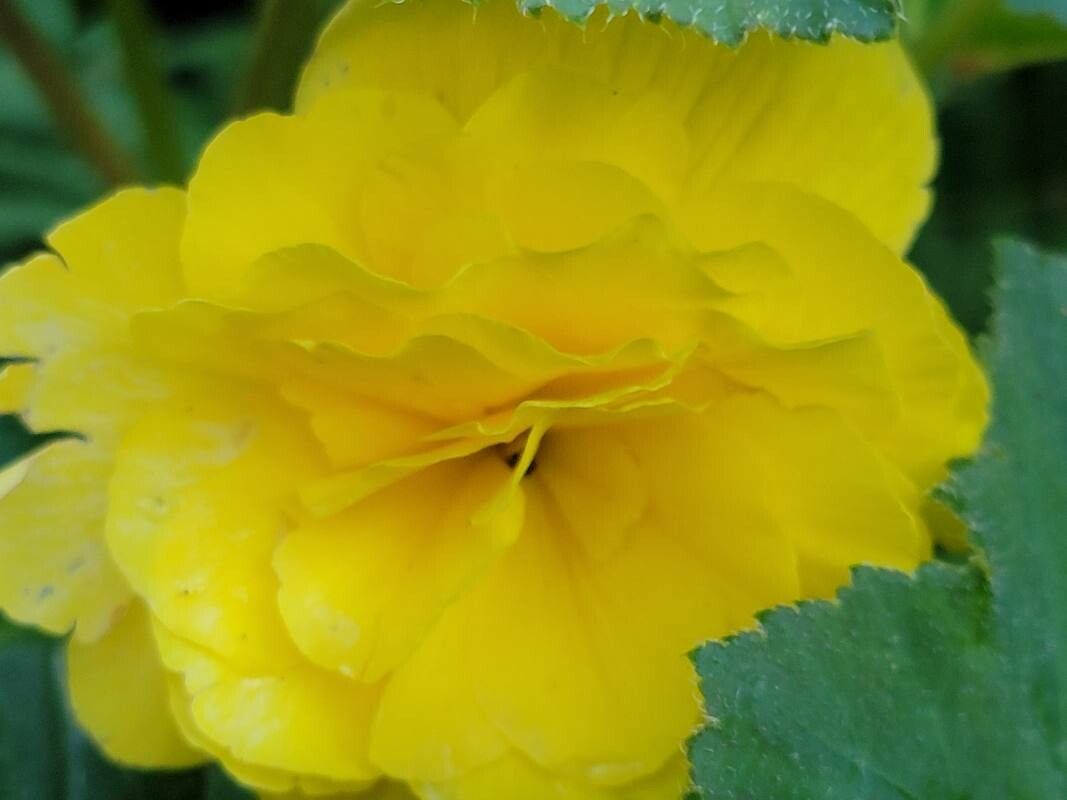
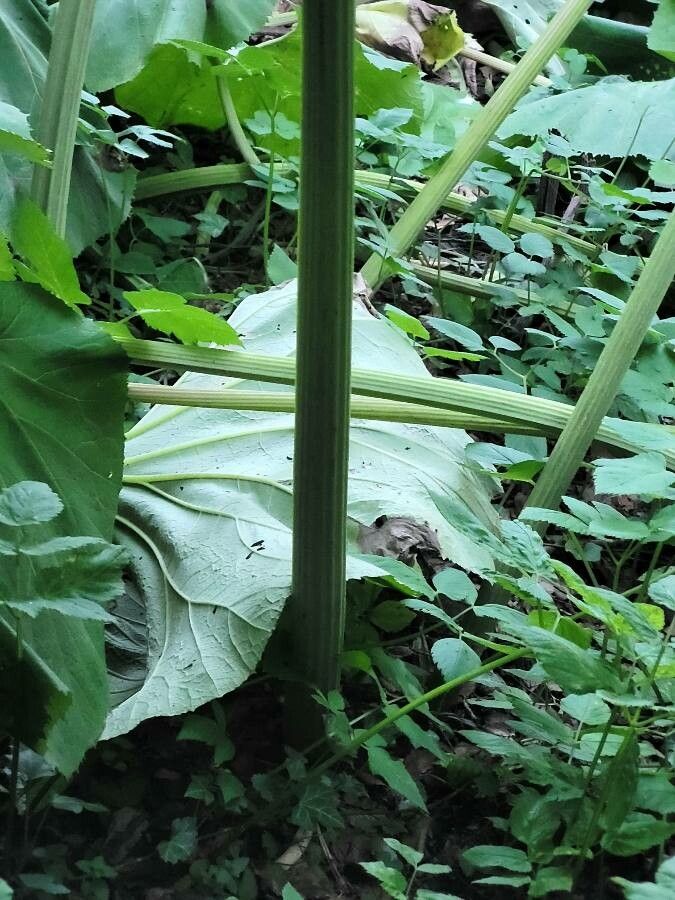
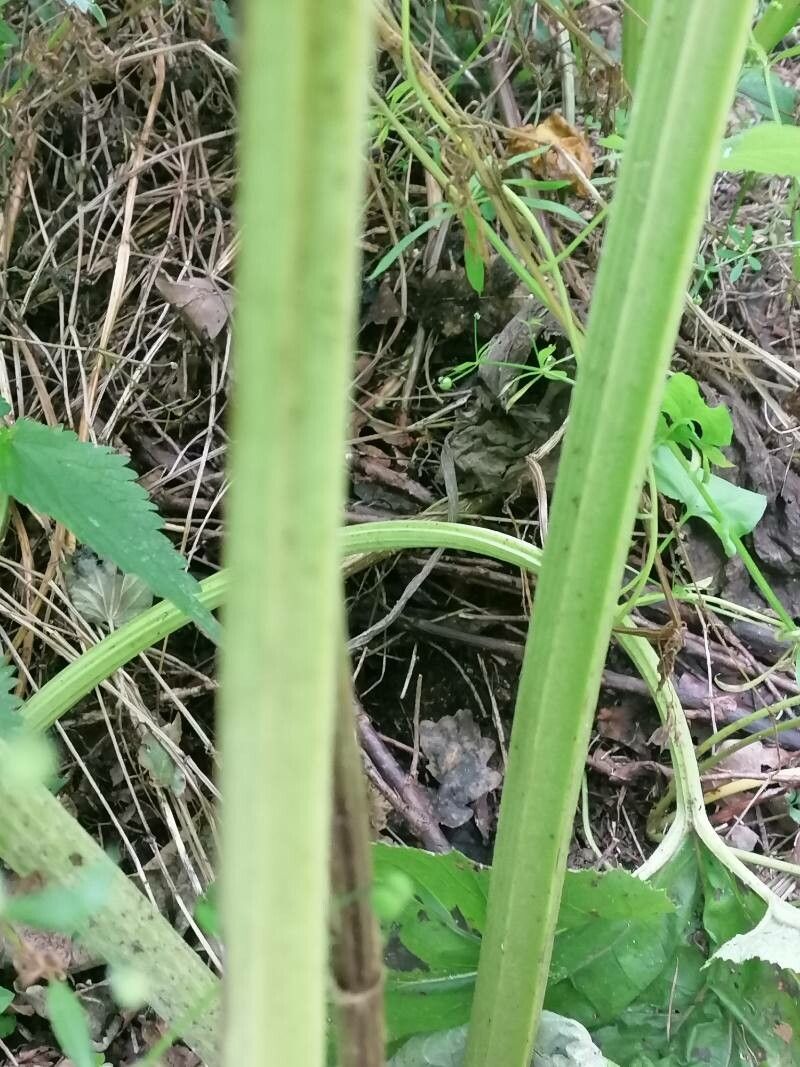
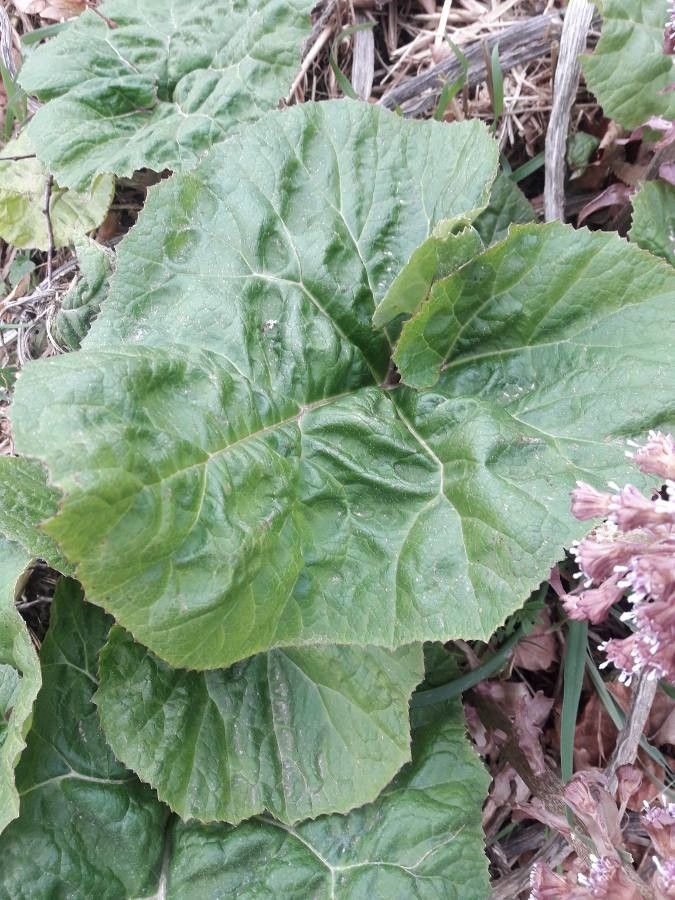
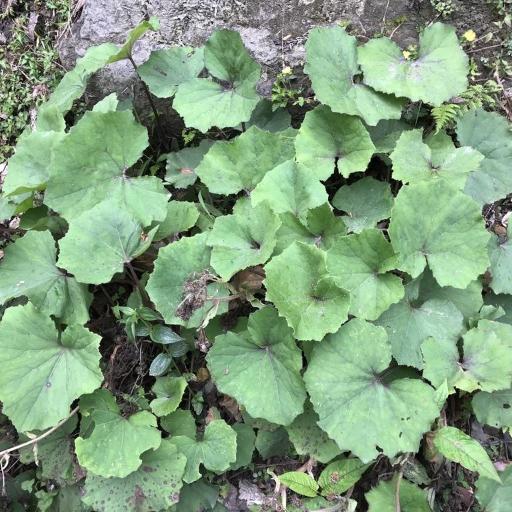
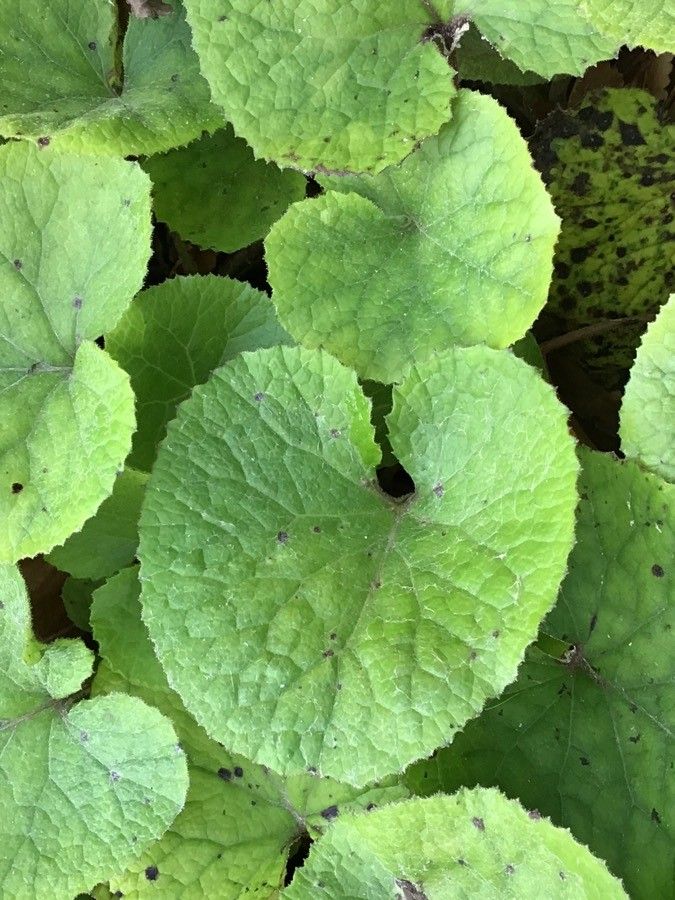
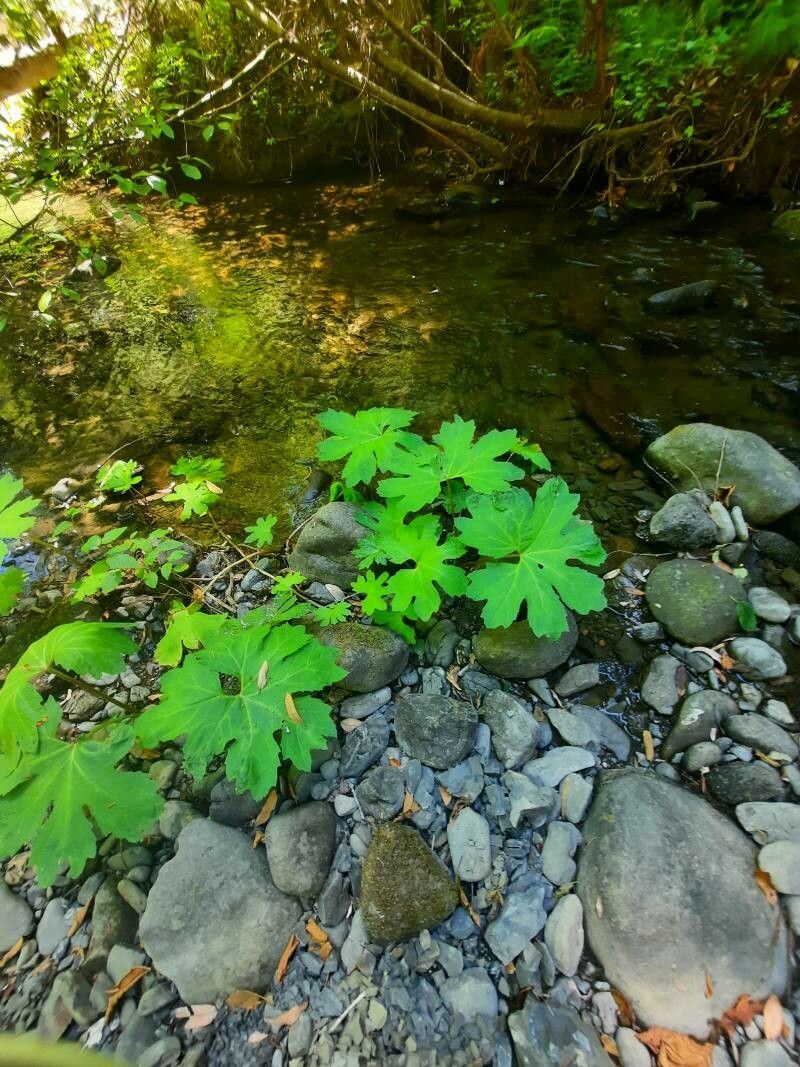
Petasites japonicus, also known as butterbur, giant butterbur, great butterbur and sweet-coltsfoot, is an herbaceous perennial plant in the family Asteraceae. It is native to China, Japan, Korea and Sakhalin and introduced in Europe and North America. It was introduced to southern British Columbia in Canada by Japanese migrants.It is dioecious, with male and female flowers produced on separate individuals. Occasionally, morphologically hermaphroditic (but functionally sterile) flowers exist.
Japanese Butterbur: Several species within the Petasites genus are commonly referred to as butterbur. In certain parts of Europe, where butterbur is prevalent, people once wrapped bars of butter in the plant's thick leaves to shield them from heat and dust. Although Japanese butterbur originated in eastern Asia, English speakers often continue to use the traditional name for this plant.
Botanical profile.
- Plant Type
- Herb
- Life Cycle
- Perennial
- Genus
- Petasites
- Family
- Asteraceae
- Hardiness Zone
- 5-9
- Mature Height
- 61 cm to 91 cm
- Mature Spread
- 0.91 m to 1.52 m
- Leaf Color
- Green, Yellow, White
- Leaf Type
- Deciduous
- Flower Color
- White
- Flower Size
- 30.48 cm
- Bloom Time
- Early spring, Mid spring
- Planting Time
- Spring
- Harvest Time
- Late spring, Early summer
Other names.