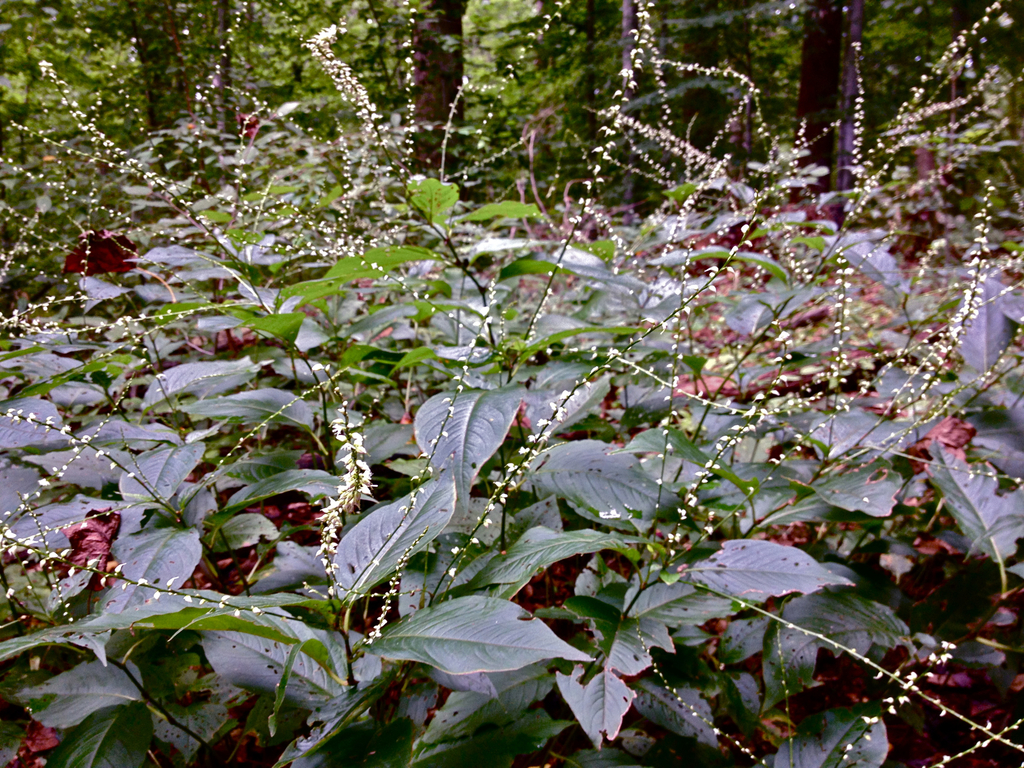
Persicaria virginiana, commonly known as Virginia knotweed or jumpseed, is a herbaceous perennial plant that belongs to the Polygonaceae family. Native to North America, it thrives in a variety of habitats, including woodlands, meadows, and along stream banks.
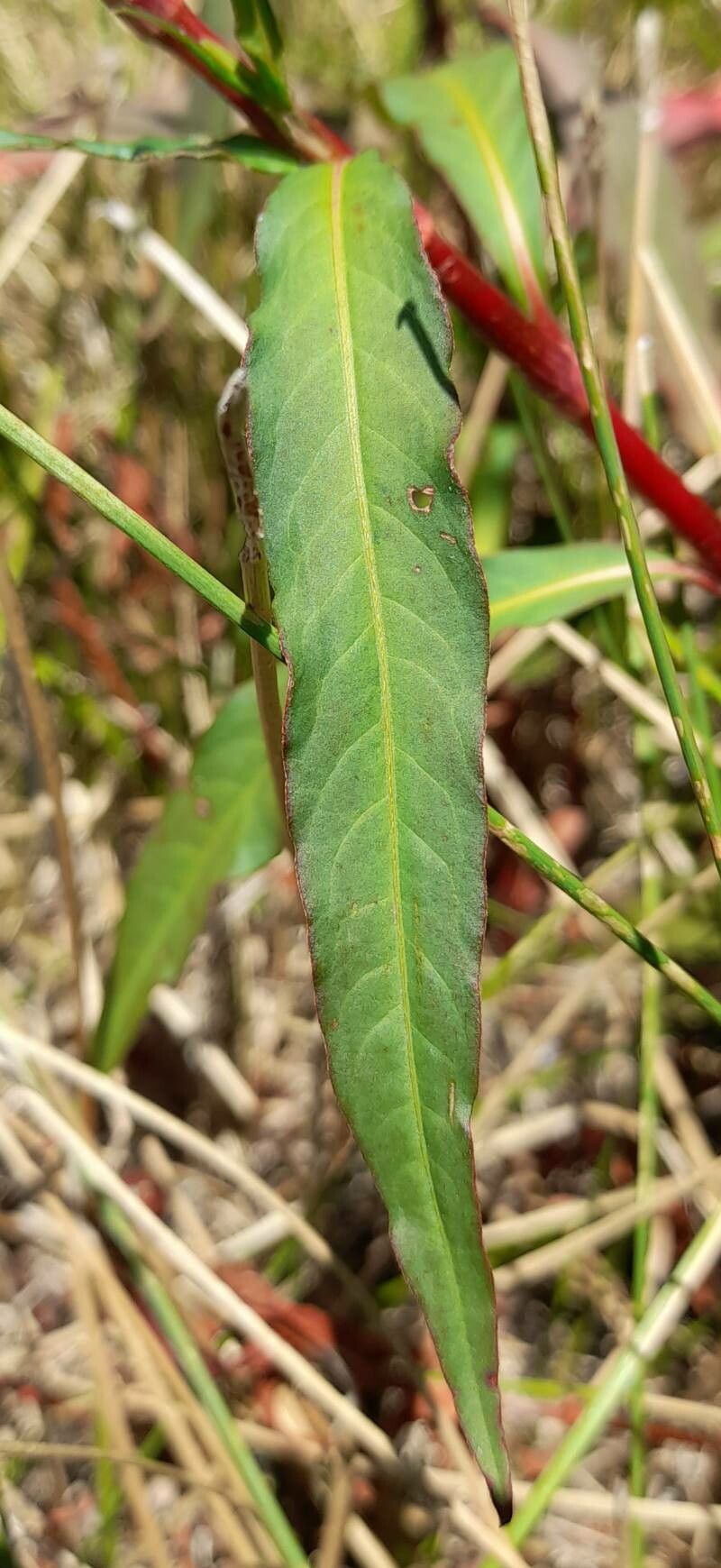
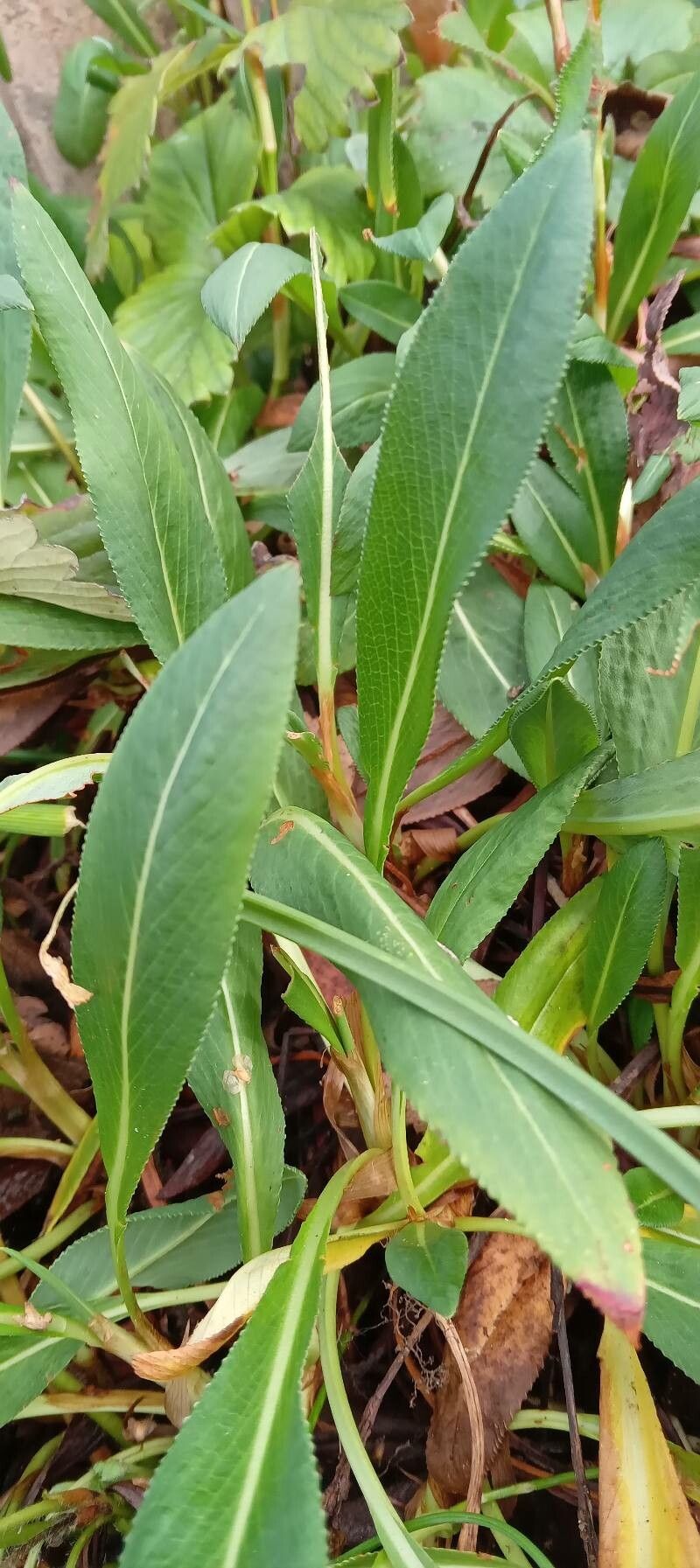
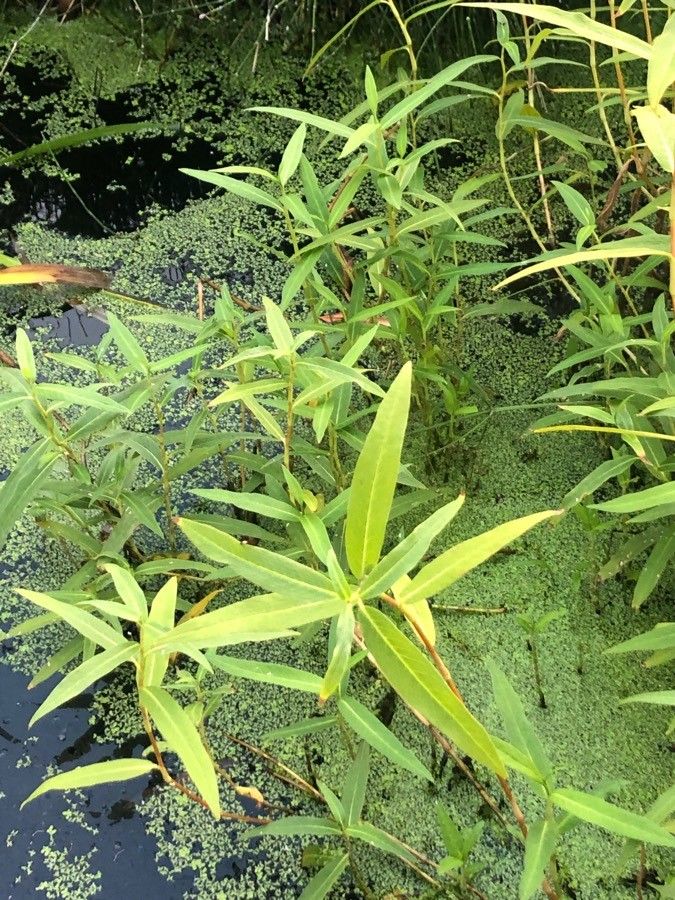
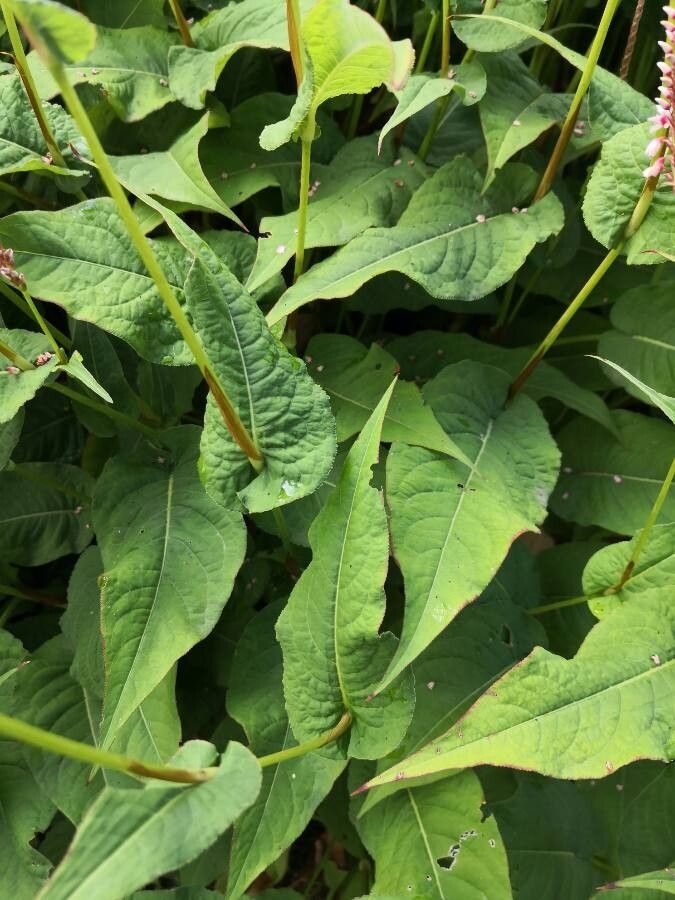
The plant typically reaches a height of 3 to 6 feet and has a spreading growth habit. Its lance-shaped leaves are dark green with prominent veins. The small, pinkish-white flowers are arranged on long spikes and bloom from mid-summer through fall.
Persicaria virginiana is easy to grow, preferring moist soil but capable of tolerating drought conditions once established. Its nectar-rich flowers attract pollinators such as bees and butterflies.
Historically, Native Americans used this plant for medicinal purposes, treating ailments like diarrhea, dysentery, fever, and sore throats. However, it is essential to consult a healthcare professional before using the plant medicinally.
Overall, Persicaria virginiana is an attractive addition to any garden or landscape. Its beautiful foliage and long-lasting blooms add visual interest, while its ability to attract pollinators provides ecological benefits to your garden space.
Jumpseed has strong resistance to disease and is generally not prone to illnesses. Still, it can be vulnerable to pests and diseases present in its environment. Such infections are generally mild. Care-wise, the plant needs a medium level of maintenance. It should be pruned regularly to keep a neat appearance and healthy growth. Applying fertilizer can also encourage flowering. Jumpseed is appropriate for anyone with an outdoor area, such as a garden or patio, and does not demand extensive care experience. It may require greater attention when grown indoors.
How to keep Persicaria Virginiana.
Light
Jumpseed does best with bright, consistent light. It can tolerate moderate light levels, though growth may be less vigorous. Native to sunny regions, the plant thrives under similar conditions. Too little light can cause thin, leggy growth, while too much can scorch the leaves.
Water
Jumpseed thrives in woodland settings and needs consistently moist soil to flourish. To maintain its lush foliage, it benefits from weekly watering. As an herbaceous perennial, its growth cycle is deeply connected to water availability, closely mimicking natural rainfall patterns for optimal health.
Temperature
Jumpseed is native to areas where the average temperature ranges from 68 to 95 °F (20 to 35 ℃). It thrives in climates that remain within this range year-round, but providing shade during hotter periods could help it adapt.
Fertilizer
One fertilizer application in spring is generally adequate for Jumpseed, though repeated feedings can boost growth. Apply fertilizer every month to six weeks. Fertilizing improves the leaves' appearance and function, helping maintain even color and a healthy texture. It also promotes root development and nutrient uptake, supporting the plant's long-term health.
Pruning
To encourage growth and prevent legginess, jumpseed should be pruned from early to late spring. Begin by cutting dead stems down to the base. Then, trim the healthy stems and thin out dense foliage to improve air circulation and promote vibrant blooms.
Pot & Repot
When repotting Jumpseed, select a pot 1–2 inches (2.5–5.0 cm) larger with ample drainage. Use a well-draining potting mix. Repot in spring or fall, making sure the root ball is slightly lower than the rim of the flower pot. Water thoroughly after repotting and place it in a warm spot with indirect sunlight.
Botanical profile.
- Plant Type
- Herb
- Life Cycle
- Perennial, Annual
- Genus
- Persicaria
- Family
- Polygonaceae
- Hardiness Zone
- 4-10
- Mature Height
- 0.46 m to 1.22 m
- Mature Spread
- 0.91 m to 1.22 m
- Leaf Color
- Green, Yellow, Red, Variegated, Brown
- Leaf Type
- Semi-evergreen
- Flower Color
- White, Pink
- Flower Size
- 0.76 cm to 1.52 cm
- Bloom Time
- Late spring, Early summer, Mid summer
- Planting Time
- Spring
- Harvest Time
- Mid summer
- Native Area
- Georgia, Mexico
Other names.
Reader questions.
How should I water my Jumpseed plant?
To properly water the Jumpseed, use filtered water at room temperature. Tap water may have harmful particles, so using filtered water is preferable. Make sure the water is at room temperature or slightly warmer since the Jumpseed is accustomed to a warm environment and cold water can shock it. Avoid overhead watering as it can cause problems with the foliage. Instead, apply the filtered room temperature water directly to the soil until it is completely soaked. This benefits the plant by moisturizing the roots and facilitating their spread through the soil to gather nutrients.
Why should I add fertilizer to my Jumpseed plant?
The main structure of the Jumpseed is made up of its leaves. Fertilization is an important way to ensure that the leaves look great and function properly. Proper fertilization helps the Jumpseed maintain consistent color and a healthy texture in its leaves. It also supports the growth of new roots and the maintenance of existing roots below the soil's surface. This means that fertilization improves the plant's current health and enhances its ability to absorb nutrients from the soil in the future.
What are the sunlight requirements for growing Jumpseed?
Jumpseed requires full sun exposure, defined as above 6 hours of sunlight daily, for optimal growth. It can also grow in partial sun, which means about 3-6 hours of sunlight each day. Observing how sunlight moves through your garden will help you choose locations that provide the right balance of light and shade, ensuring your plants thrive in their environment.
What is the ideal temperature range for Jumpseed?
Jumpseed is native to environments where the average temperature ranges between 68 to 95 °F (20 to 35 °C). It thrives in climates within this temperature range throughout the year. Although Jumpseed has strong cold resistance and special frost protection measures are usually not necessary, it is important to provide cold protection if winter temperatures are expected to drop below -30°C. This can be achieved by covering the plant with materials such as soil or straw. Additionally, to help prevent drought and water scarcity for the plant during the winter and early spring, it is recommended to water the plant abundantly before the first freeze in autumn, ensuring the soil remains moist and enters a frozen state.
What should I do if I give my Jumpseed plant too much water or too little water?
Overwatering and underwatering can harm your Jumpseed, but overwatering is more common and has more severe consequences. Excessive water causes wilting, yellowing of stems and leaves, and can lead to diseases like root rot, mold, and mildew that can kill the plant. Underwatering is less common because Jumpseed can tolerate drought, but it can still happen and results in brittle, brown leaves. It's important to recognize signs of overwatering early because some diseases, like root rot, may not be reversible if left untreated for too long. If you see signs of overwatering, reduce watering immediately and check the soil's drainage. Replace poorly draining soil with loose, well-draining potting mix. For underwatering, simply water more regularly until the signs go away.
What is the best time to put fertilizer on my Jumpseed plant?
If you grow your Jumpseed outdoors every year, you'll notice new growth in early spring, which is when you should start fertilizing. Usually, one application of fertilizer is enough for a Jumpseed to do well. However, if you want to maximize its growth, you can keep feeding it multiple times during spring and early summer. In this case, feed the Jumpseed about once every month to a month and a half.
How does Jumpseed react to different lighting conditions?
Jumpseed prefers strong, steady light exposure for optimal growth and originates from areas with abundant sun exposure. Insufficient sunlight may cause the plant to produce weak and spindly growth, while too much sun can lead to leaf burn. However, Jumpseed can also withstand moderate light scenarios but may not grow as vigorously under such conditions.
How does Jumpseed react to low temperatures?
Jumpseed is cold-tolerant and thrives best when the temperature is above 20°C. During winter, it should be kept above 0°C. When the temperature falls below -30°C, there may not be noticeable changes during winter, but there could be a decrease in sprouting or even no sprouting during springtime. If this happens, it is advised to remove any parts that have failed to sprout in spring.
How frequently should I give water to my Jumpseed?
If your Jumpseed plant is in a pot, the most precise way to determine if it needs water is by checking the soil moisture. Simply stick your finger into the soil and if you find that the top two to three inches are dry, then it's time to water it. For those growing Jumpseed outdoors in the ground, the same method can be used. Once the top few inches of soil have dried out, it's a signal to water the plant. Generally, during spring and early fall, it's recommended to water this plant once a week. However, in extremely hot weather, you may need to increase the frequency to twice or even more per week. It's worth noting that mature and well-established Jumpseed plants have an impressive ability to withstand drought.
When is it not a good idea to put fertilizer on my Jumpseed?
During the late fall and winter, your Jumpseed will go into a dormant phase and stop producing new growth. It is best to avoid fertilizing your Jumpseed during this time. In the spring and summer, if you choose to fertilize multiple times, gradually reduce the rate as summer approaches because the growth rate of your Jumpseed will also slow down. It's important to note that it is never a good idea to fertilize your Jumpseed during extremely hot weather or when the soil is excessively dry. Fertilizing in these conditions can stress your Jumpseed and lead to an early demise.
Can artificial lighting be used for Jumpseed, and if so, how?
Yes, artificial lighting can be used for Jumpseed, especially when natural sunlight is insufficient, such as during winter or in less sunny spaces. LED lights are recommended because they can be customized to provide specific wavelengths needed by plants. For full sun plants, 30-50W per square foot is needed; for partial sun, 20-30W per square foot; and for full shade plants, 10-20W per square foot. The light source should be placed 12-36 inches above the plant, mimicking natural sunlight duration, with most plants needing 8-12 hours of light per day.
How should I care for Jumpseed in high temperatures?
During summer, it's important to ensure that Jumpseed is kept below 35°C. When temperatures exceed 41°C, the plant's leaves may become lighter in color, prone to curling, susceptible to sunburn, and in severe cases, the entire plant may wilt and become dry. To combat these issues, trim away the sunburned and dried-up parts of the plant. Move the plant to a location that provides shade from the midday and afternoon sun, or use a shade cloth. Additionally, watering the plant in the morning and evening to keep the soil moist can help mitigate the effects of high temperatures.