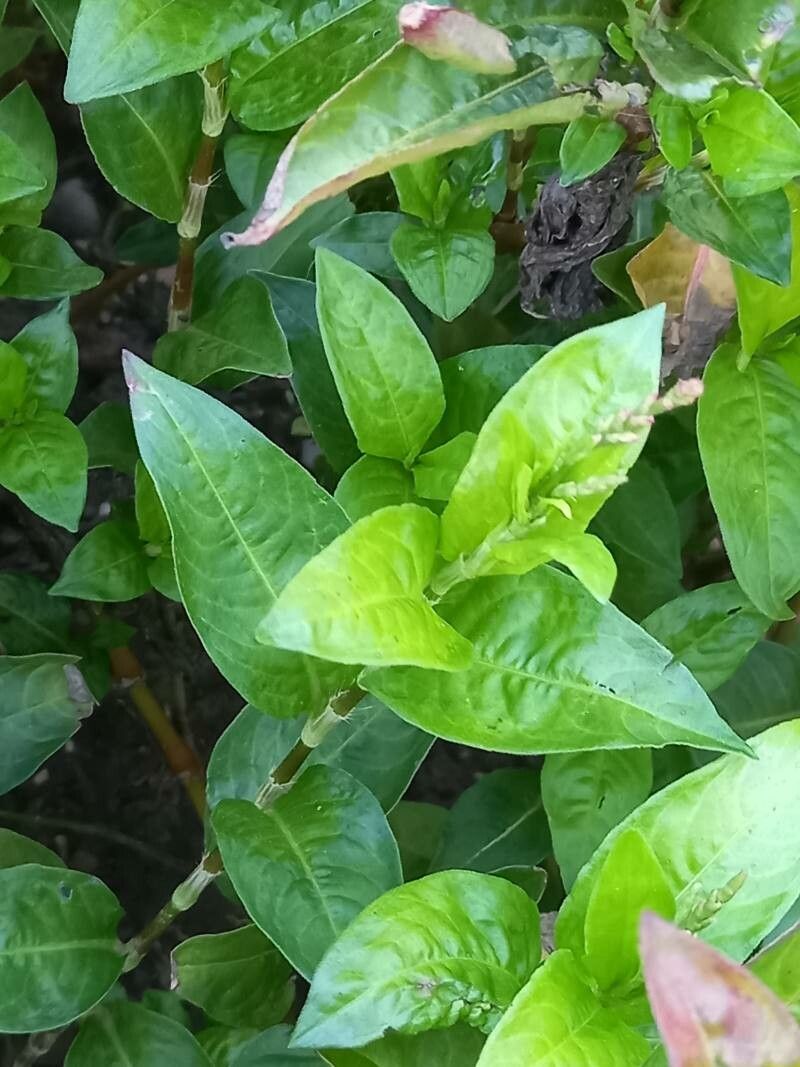
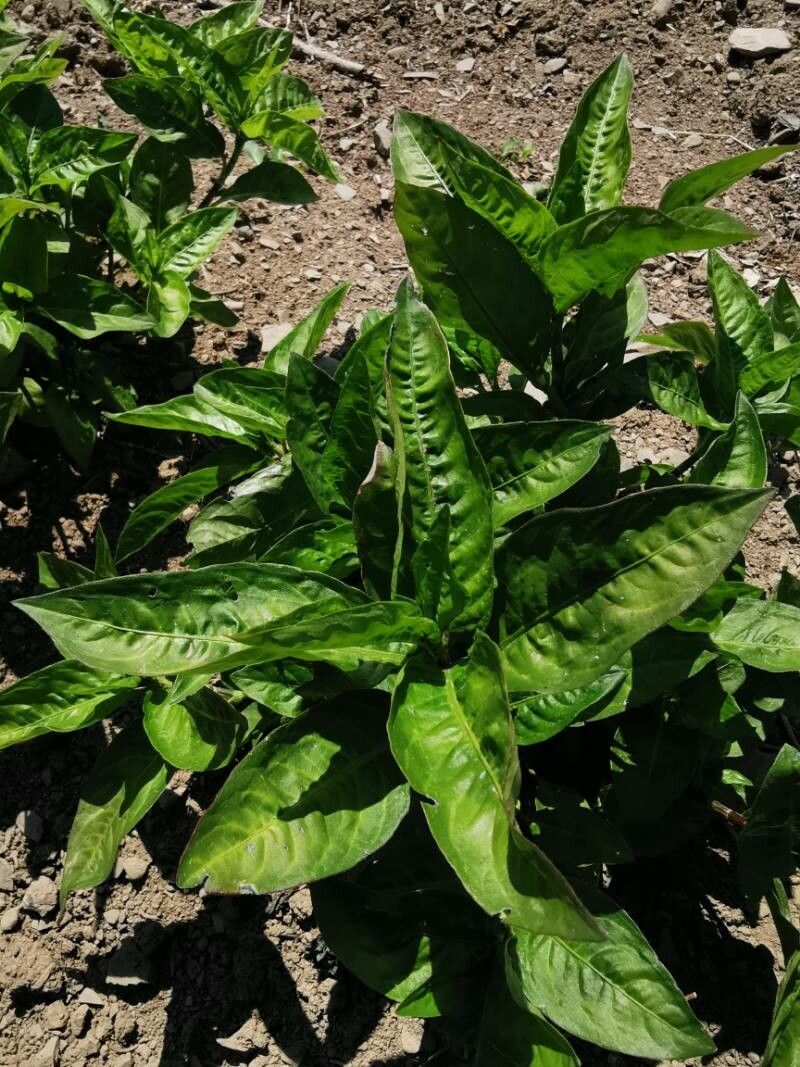
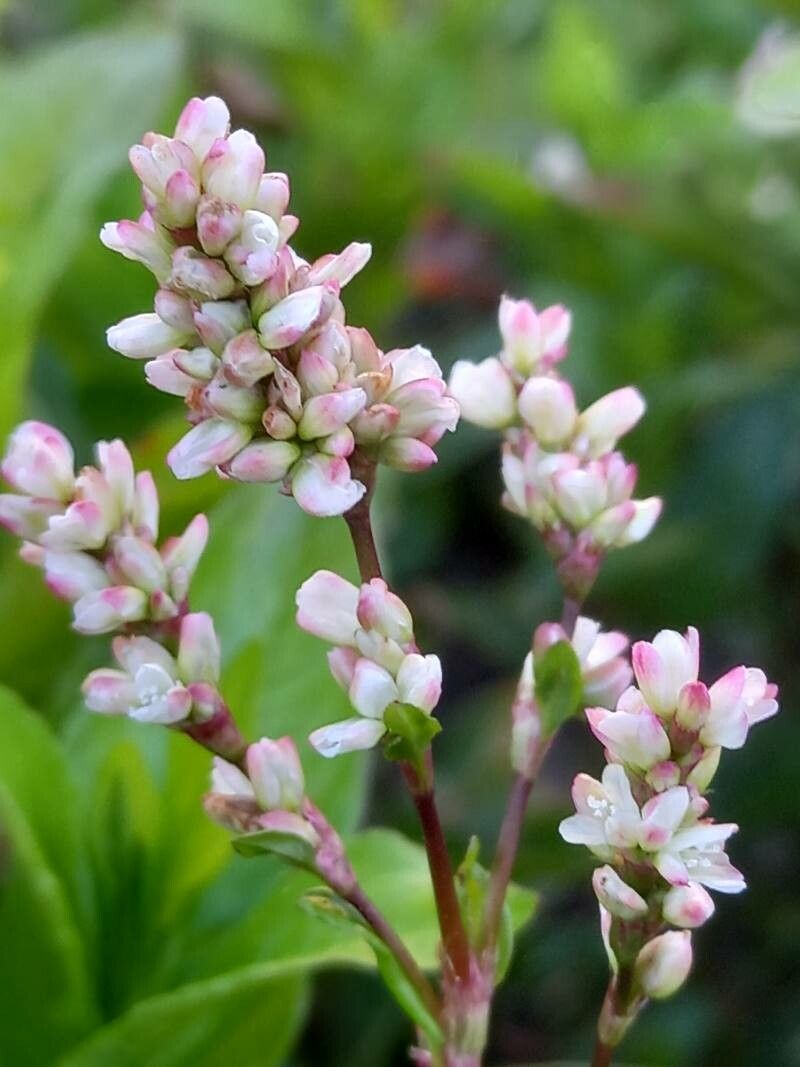
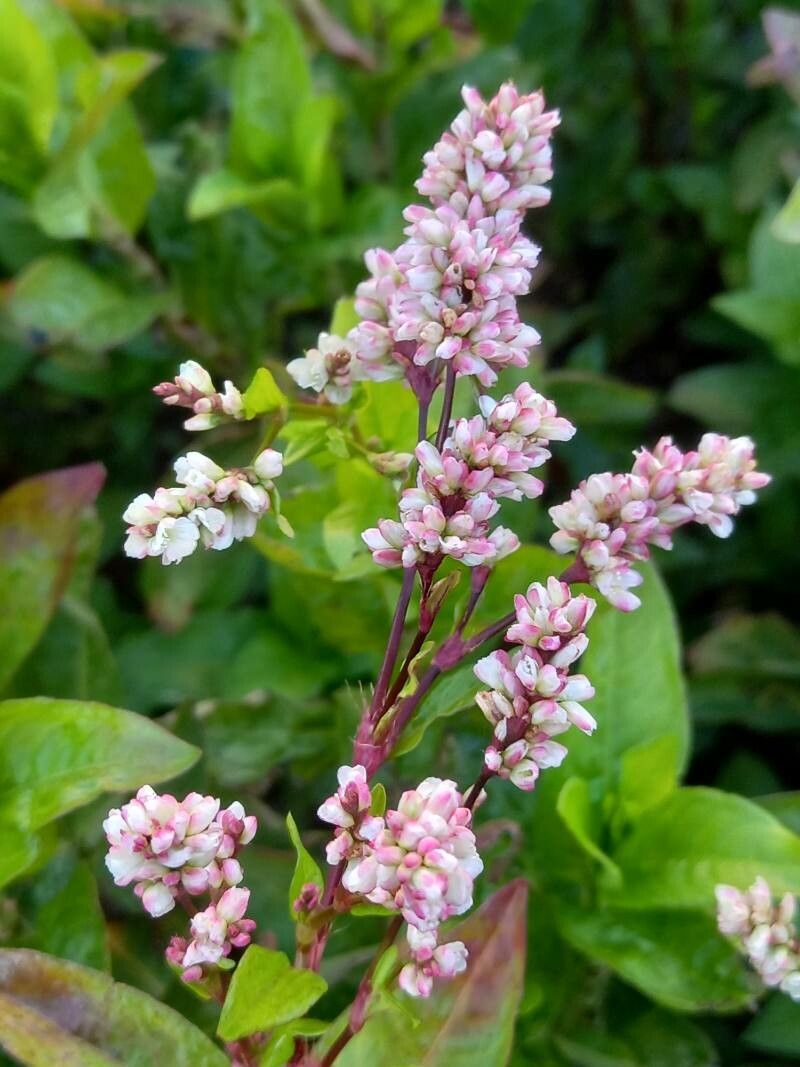
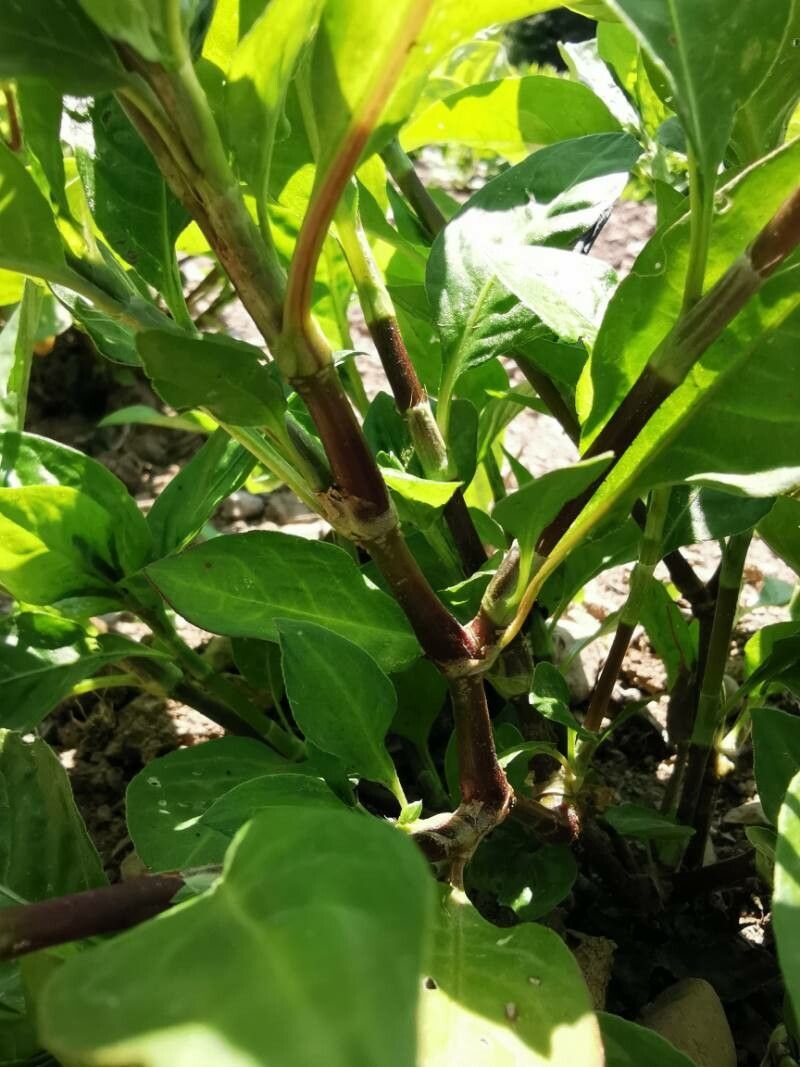
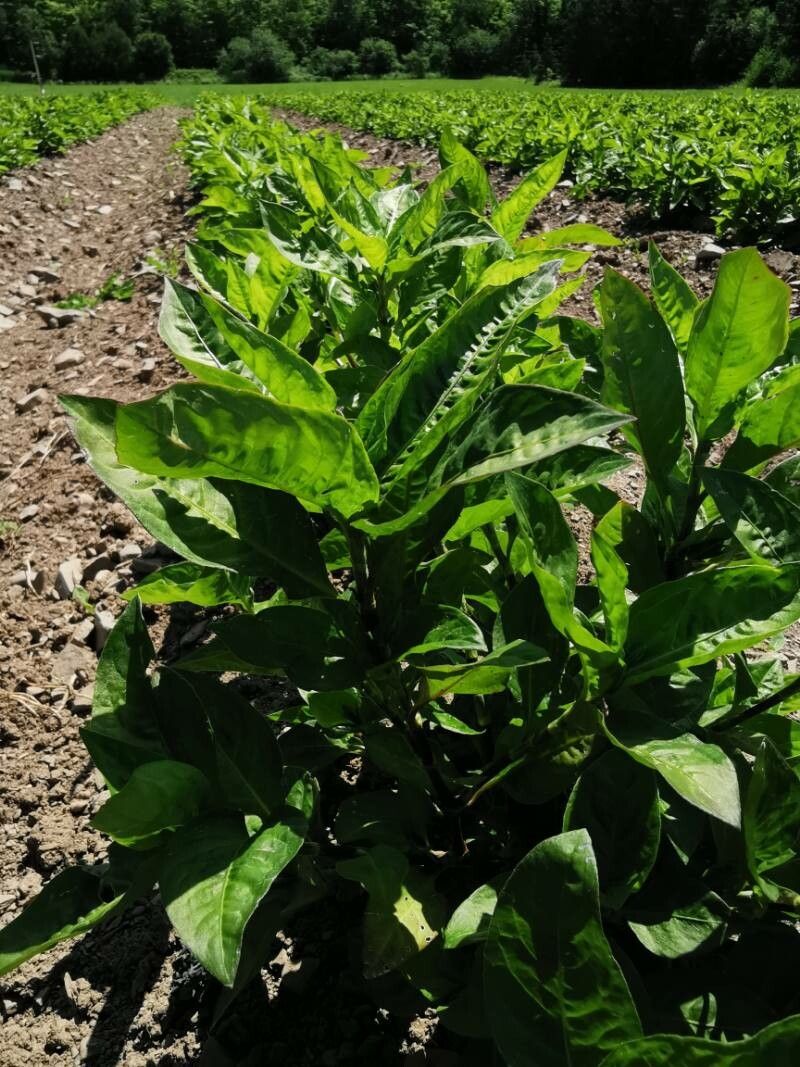
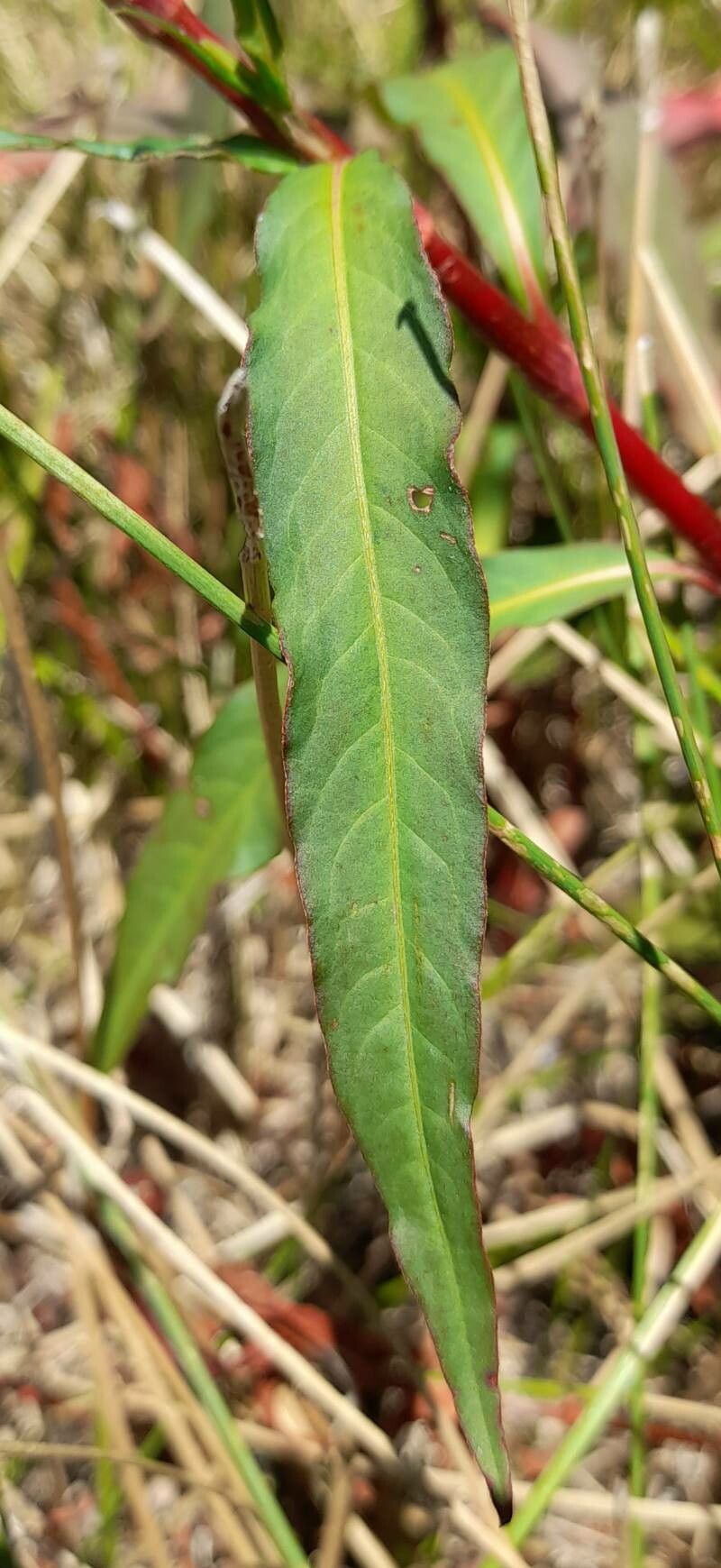
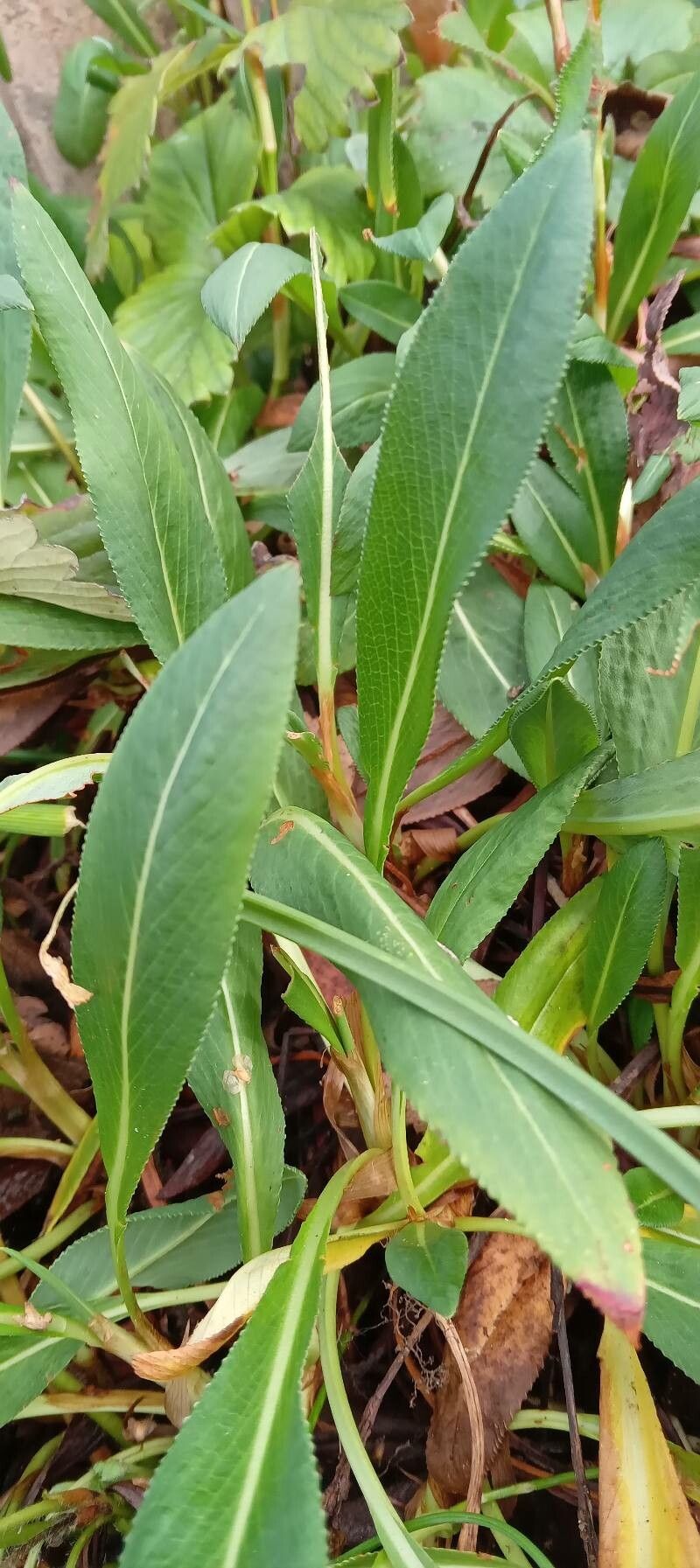
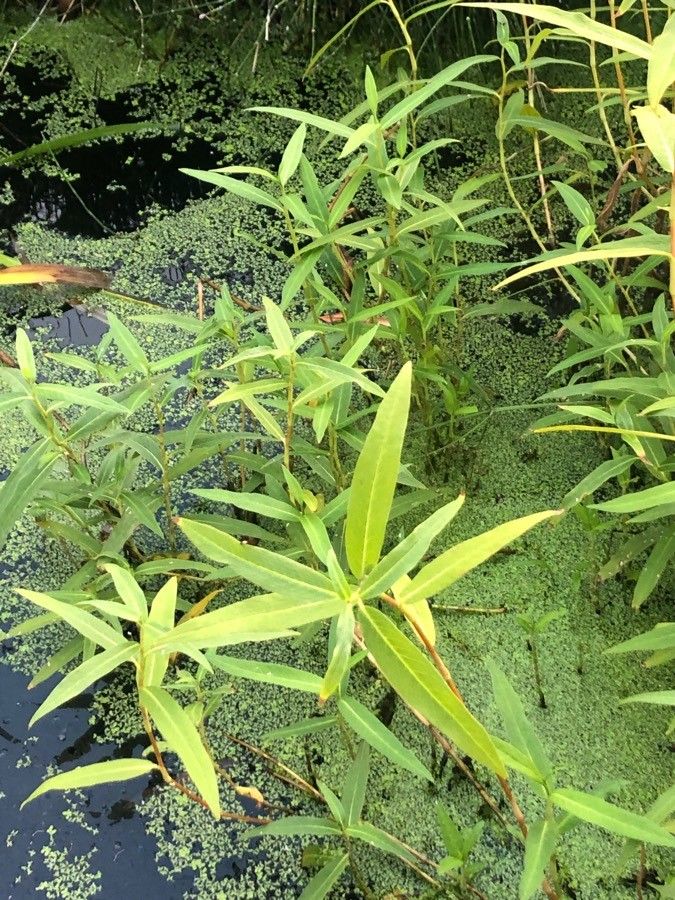
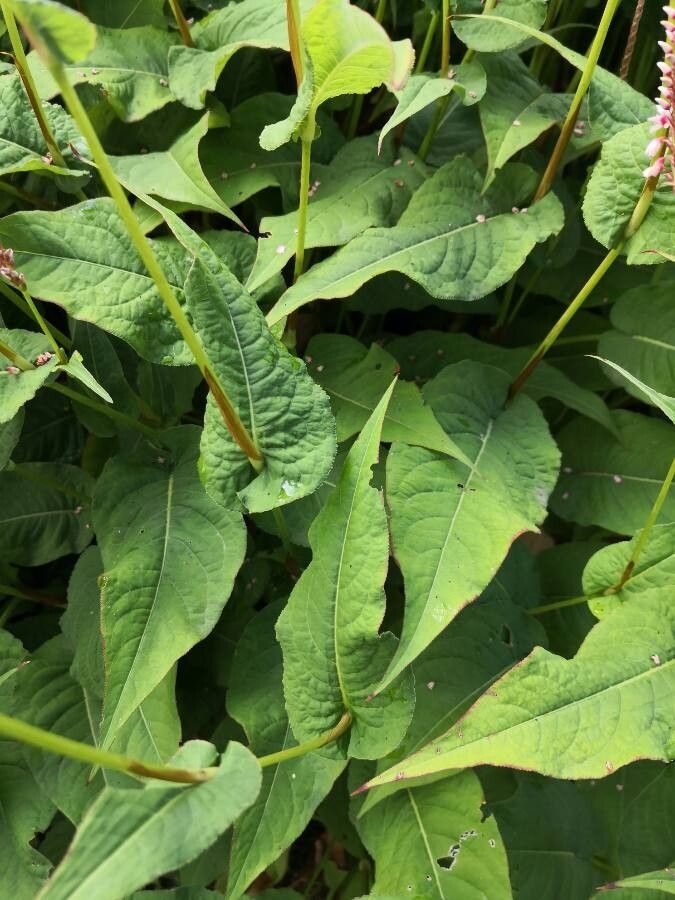
Persicaria tinctoria is a species of flowering plant in the buckwheat family. Common names include Chinese indigo and Japanese indigo. It is native to Eastern Europe and Asia. The leaves were a source of indigo dye. It was already in use in the Western Zhou period (c. 1045–771 B.C.), and was the most important blue dye in East Asia until the arrival of Indigofera from the south.
Japanese indigo is fairly disease-resistant and generally not prone to many illnesses. Still, it can be affected by pests and diseases present in its environment. These infections tend to be minor. In terms of care, the plant needs a moderate level of maintenance. Regular pruning is required to keep a neat appearance and support healthy growth. Fertilizing can also help encourage flowering. Japanese indigo is suitable for anyone with outdoor space, such as a garden or patio, and does not demand extensive gardening experience. It may need more attention when grown indoors.
How to keep Persicaria Tinctoria.
Light
Japanese indigo does best when it receives sunlight for over half the day. Although it can tolerate lower light levels, it performs most strongly with that amount of light. Its native habitat is regularly exposed to sunlight. Excessive light can cause leaf bleaching, whereas too little light may lead to slow growth and weak stems.
Water
Japanese indigo thrives in humid environments and prefers consistently moist soil, requiring weekly watering for optimal hydration. Although it has moderate drought tolerance, managing water effectively during dry spells is crucial for its healthy growth. This is especially important for an outdoor herbaceous plant like Japanese indigo, which is influenced by rainfall patterns.
Temperature
Japanese indigo is fairly adaptable to temperature, able to withstand higher heat and larger temperature swings. In hot weather, it’s important to watch watering and offer suitable shading to prevent sunburn. On the other hand, Japanese indigo has relatively weak tolerance for low temperatures. While it can endure some cold, extremely low temperatures can cause frost damage.
Fertilizer
When most of the Japanese indigo's blooms have opened fully, resume fertilizing. Around the time blooms are at their peak, apply fertilizer once every three to four weeks, as the weather allows. Then, when the plant begins to produce fewer new blooms, stop fertilizing; there's no need to feed it once it can no longer produce more flowers.
Pruning
Japanese indigo, prized for its rich blue dye, benefits from selective pruning between early and late spring. To promote healthy growth, shape the plant, and improve air circulation, remove any dead or diseased stems. Use clean, sharp tools to make precise cuts, and be careful not to over-prune to avoid causing stress or stunting the plant's growth.
Botanical profile.
- Plant Type
- Herb
- Life Cycle
- Annual
- Genus
- Persicaria
- Family
- Polygonaceae
- Hardiness Zone
- 8-11
- Mature Height
- 49 cm to 76 cm
- Mature Spread
- 30 cm to 61 cm
- Leaf Color
- Green, Dark Green
- Leaf Type
- Deciduous
- Flower Color
- White
- Flower Size
- 2.03 cm to 5.08 cm
- Bloom Time
- Mid summer, Late summer, Early fall
- Planting Time
- Spring, Summer
- Harvest Time
- Early fall, Mid fall
- Native Area
- Russia, Vietnam, China
Other names.
Reader questions.
What are the sunlight requirements for Japanese Indigo?
Japanese Indigo (Persicaria tinctoria) thrives best in full sun conditions, requiring more than 6 hours of sunlight daily to grow optimally. It is crucial to observe the movement of sunlight through your garden to select locations that provide a perfect balance of light and shade, enhancing plant health and happiness. Adequate direct sunlight is essential for the plant's growth, as it originates from an environment that regularly basks in the sun. However, it's important to note that overexposure may lead to leaf bleaching, whereas underexposure can cause slow growth and weak stems.
Can artificial lighting be used for Japanese Indigo and how?
Yes, artificial lighting can be a viable solution for growing Japanese Indigo indoors, especially when natural sunlight is inadequate, such as in winter or less sunny locations. LED lights are recommended because they can be customized to provide specific wavelengths needed by plants. For full sun plants like Japanese Indigo, it's advisable to provide 30-50W per square foot of artificial light. The artificial light source should be placed 12-36 inches above the plant to mimic natural sunlight and should be kept on for 8-12 hours per day to simulate the length of natural daylight hours, promoting faster and healthier growth.
What are the symptoms of inadequate light exposure in Japanese Indigo?
When Japanese Indigo doesn't receive sufficient light, it may exhibit several symptoms indicating light deficiency. These include smaller new leaves compared to the mature ones, leggy or sparse growth with extended spaces between leaves or stems, faster drop of older leaves to conserve resources, slower or halted new growth, lighter-colored new leaves due to a lack of chlorophyll and essential nutrients, and symptoms of too much light like chlorosis, sunscald, leaf curling, wilting, and leaf scorching.
How can light exposure for Japanese Indigo be optimized?
Optimizing light exposure for Japanese Indigo involves both indoor and outdoor strategies. Indoors, gradually moving the plants to sunnier locations each week until they receive at least 6 hours of direct sunlight daily is key. Using a south-facing window and keeping curtains open during the day maximizes sunlight exposure. Artificial lighting, such as desk or ceiling lamps or professional plant grow lights, should be used if the plant is not easily movable. Outdoors, it's important to gradually acclimate plants to sunnier spots to avoid sunburn. Additionally, reducing obstructions such as by pruning trees and considering transplanting smaller plants during their dormant period can enhance sunlight accessibility.