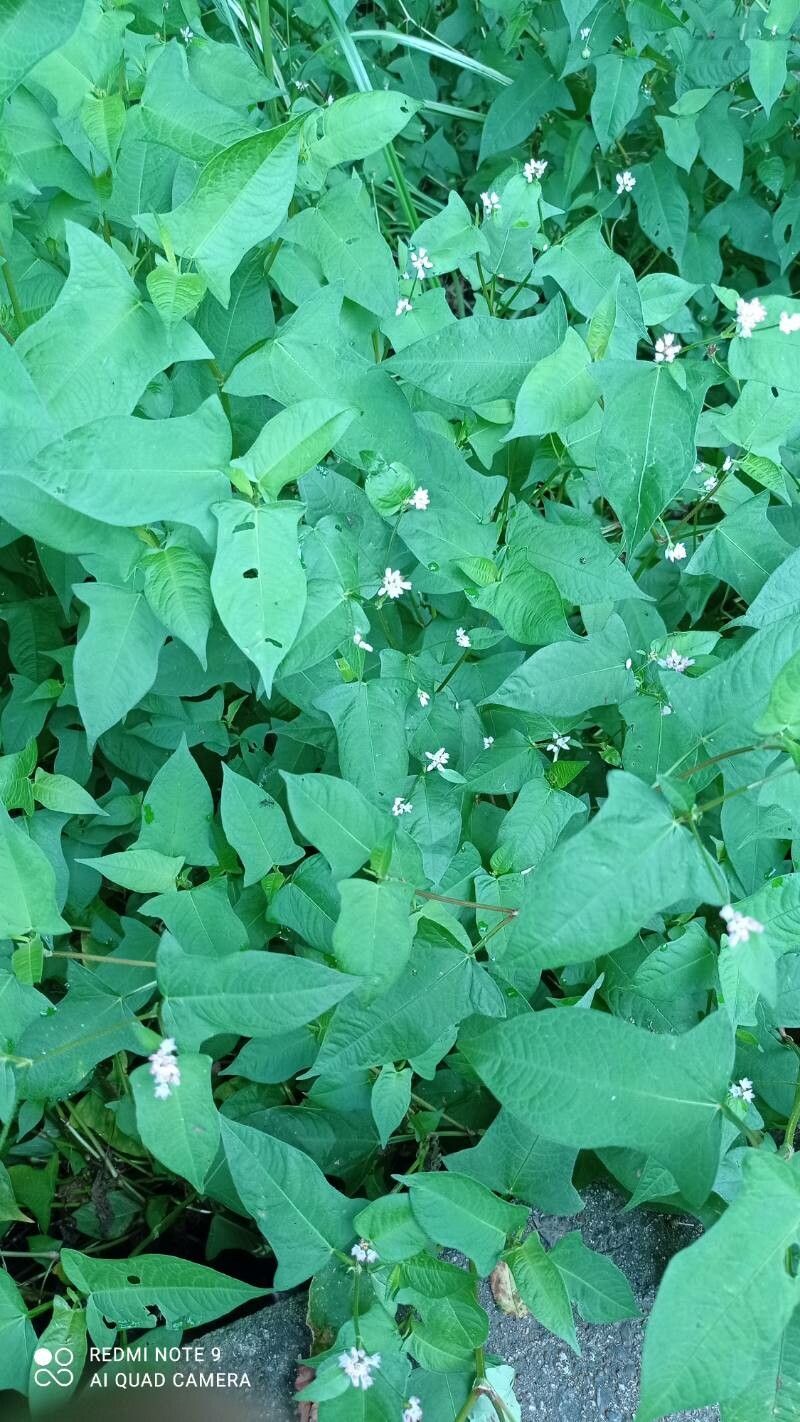
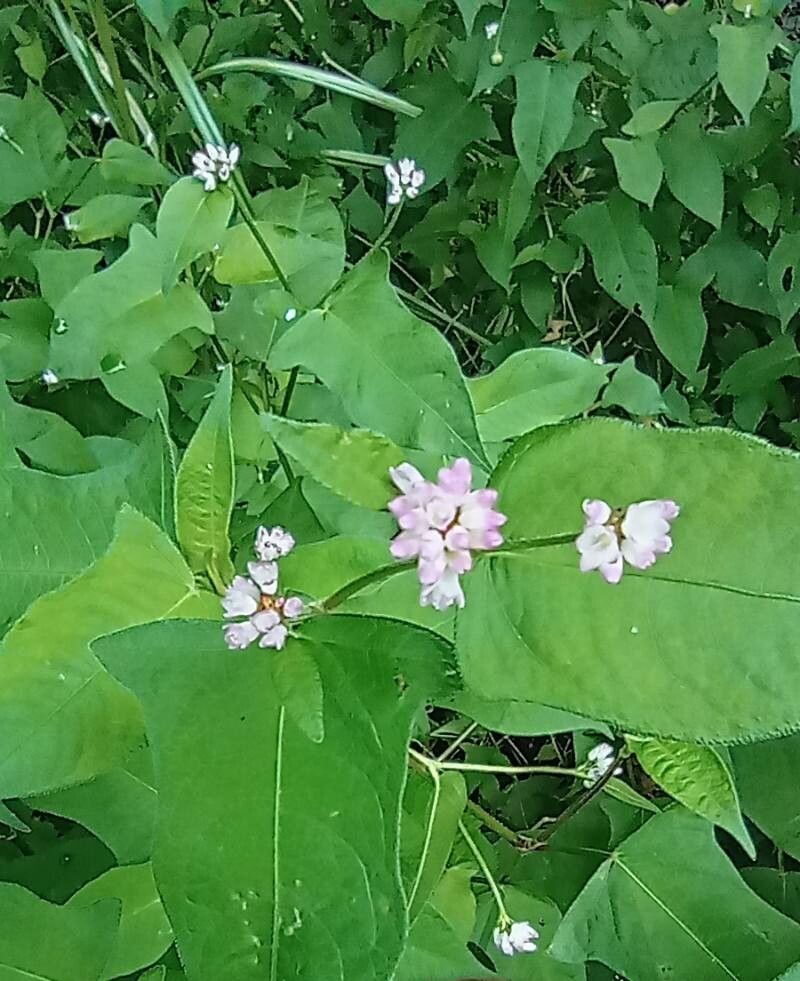
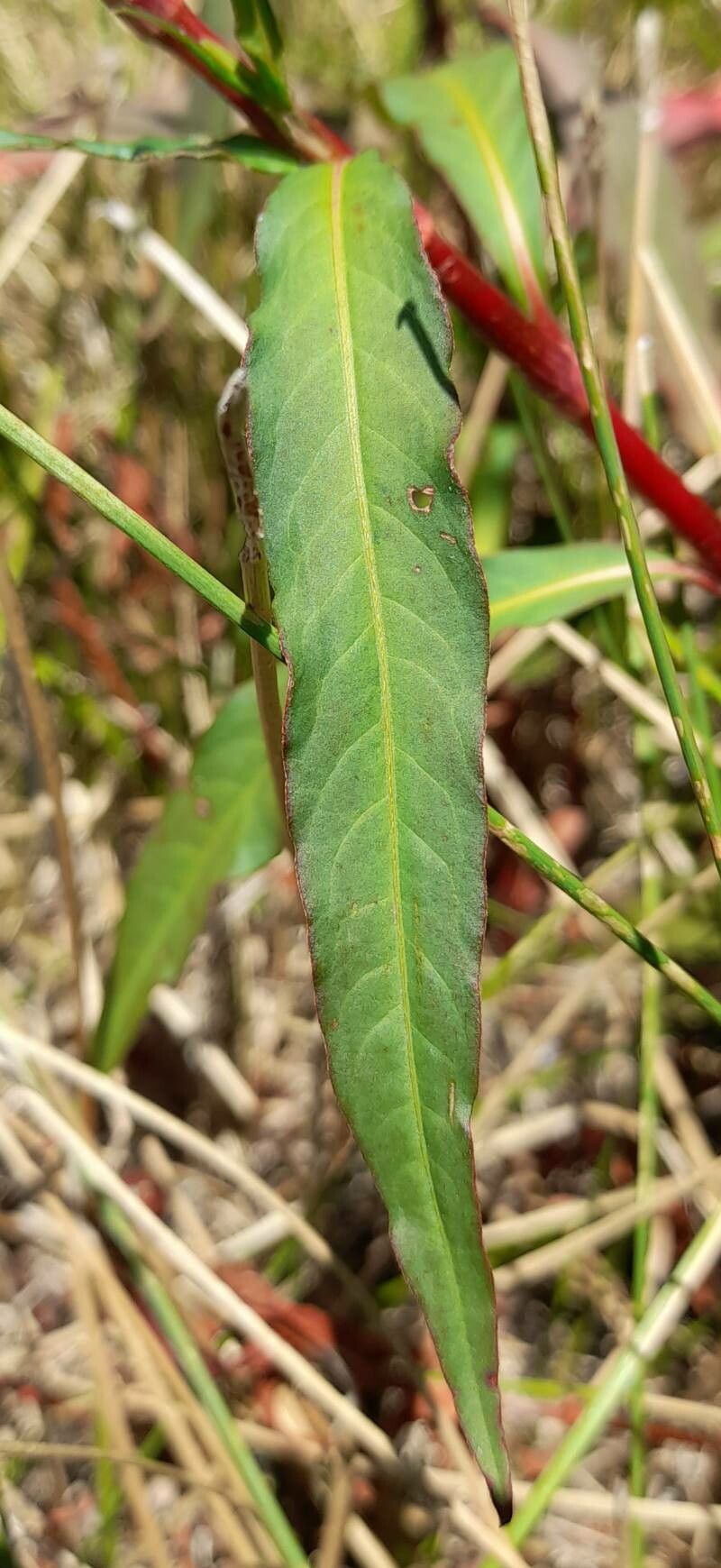
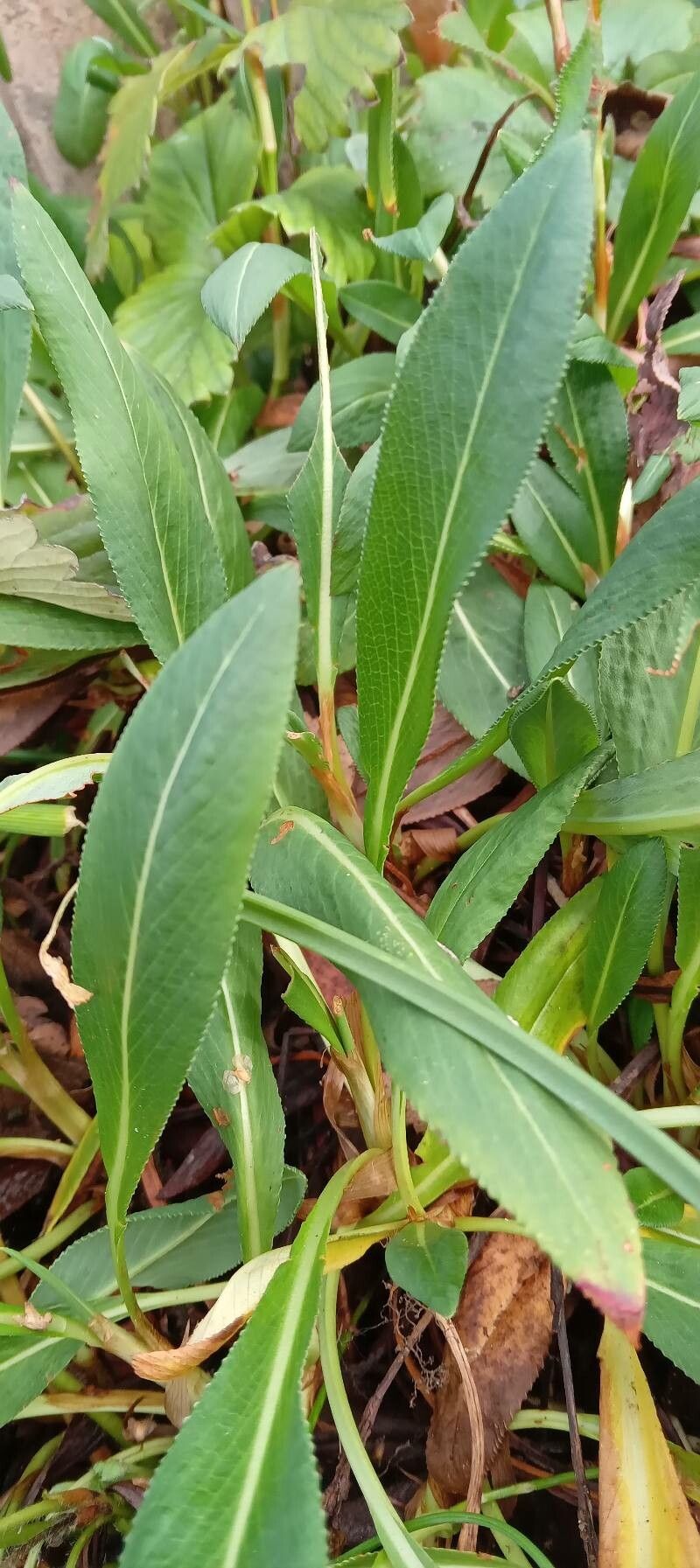
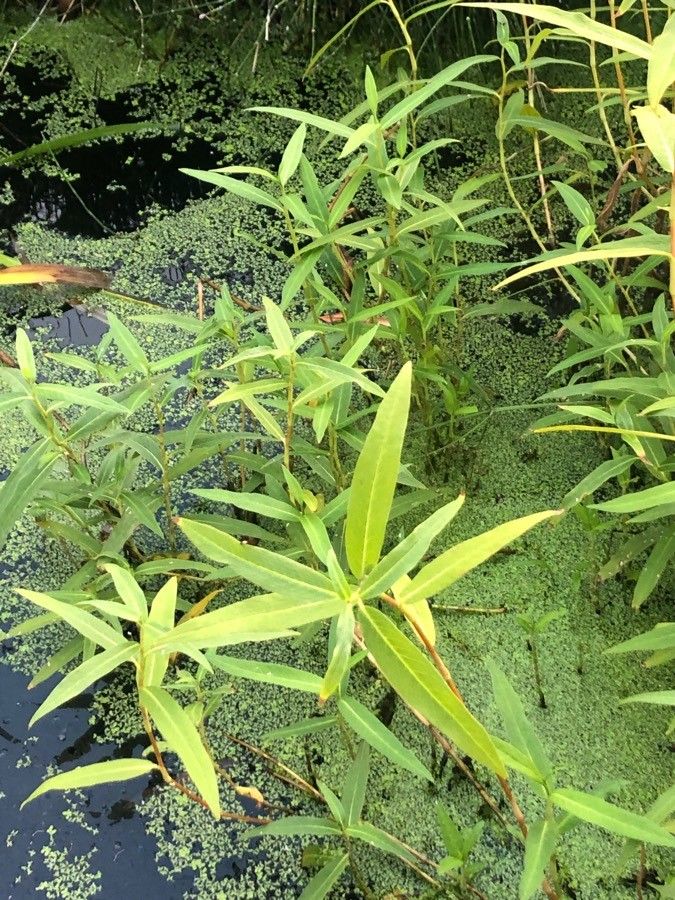
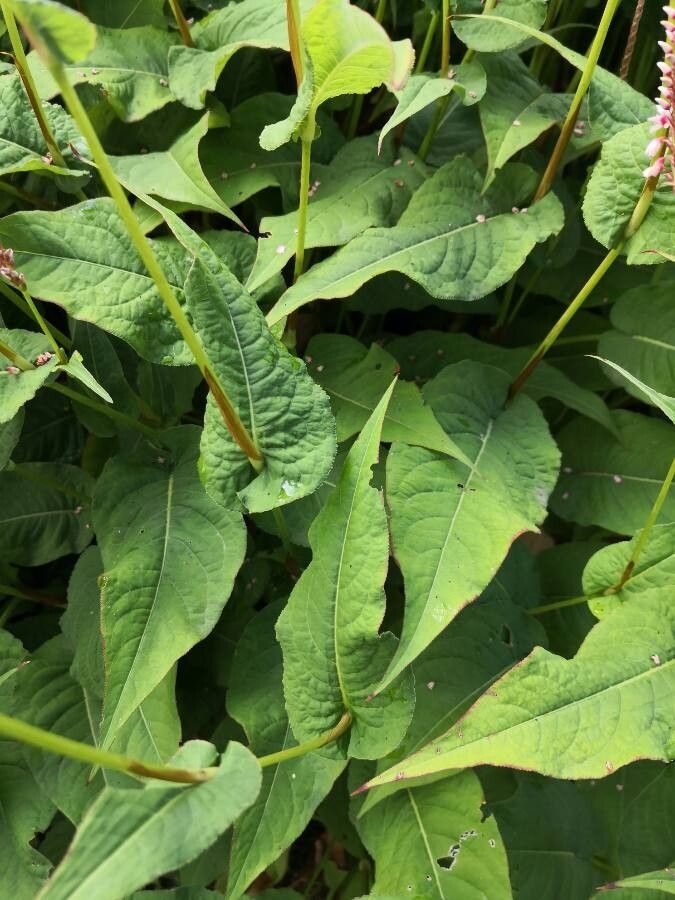
Thunbergs has strong disease resistance and is generally not highly susceptible to illnesses. However, it can be vulnerable to pests and diseases present in its environment. These infections are generally mild. Regarding care, the plant requires a moderate level of maintenance. It should be pruned regularly to preserve a good appearance and support healthy growth. Fertilizing can also help encourage flowering. Thunbergs is appropriate for anyone with outdoor space, such as a garden or patio, and does not demand extensive experience in plant care. It may need more attention when grown indoors.
How to keep Persicaria Thunbergii.
Light
Thunbergs originate in environments with dappled sunlight, such as forest understories or rocky areas that provide natural shade. They thrive in partial sun but can also adapt to full sun conditions.
Water
Thunbergs thrive with regular moisture and need to be watered weekly. While they have some drought tolerance, it's beneficial to mulch them in outdoor settings. This helps retain soil moisture, especially during their active growing season when they require more water.
Temperature
Thunbergs is a plant native to areas with temperate climates. It performs best in temperatures from 68 to 95 °F (20 to 35 ℃). If temperatures stray considerably beyond that range, seasonal adjustments may be necessary to support its growth.
Fertilizer
Thunbergs respond well to regular, low-strength applications of fertilizer to encourage healthy leaf development. You should apply fertilizer about once a month during the summer. Nitrogen is important for foliage, and providing nitrogen-rich sources helps Thunbergs thrive.
Pruning
Thunberg's features a dense, spreading growth habit with lance-shaped leaves. Pruning in early to late spring encourages healthy development. Concentrate on removing dead stems and thinning overcrowded areas. Use clean, sharp tools to prevent disease and make precise cuts, promoting robust growth.
Botanical profile.
- Plant Type
- Herb
- Life Cycle
- Annual
- Genus
- Persicaria
- Family
- Polygonaceae
- Hardiness Zone
- 5-9
- Mature Height
- 30 cm to 61 cm
- Mature Spread
- 22.86 m
- Leaf Color
- Green, Dark Green
- Leaf Type
- Deciduous
- Flower Color
- Pink, White
- Flower Size
- 0.51 cm to 0.51 cm
- Bloom Time
- Late summer, Early fall, Mid fall
- Planting Time
- Spring, Summer, Autumn
- Harvest Time
- Mid fall, Late fall, Early winter
- Native Area
- Russia, Nepal, India, Turkey, Vietnam, Japan, Koppen, South Korea, Thailand, China
Other names.