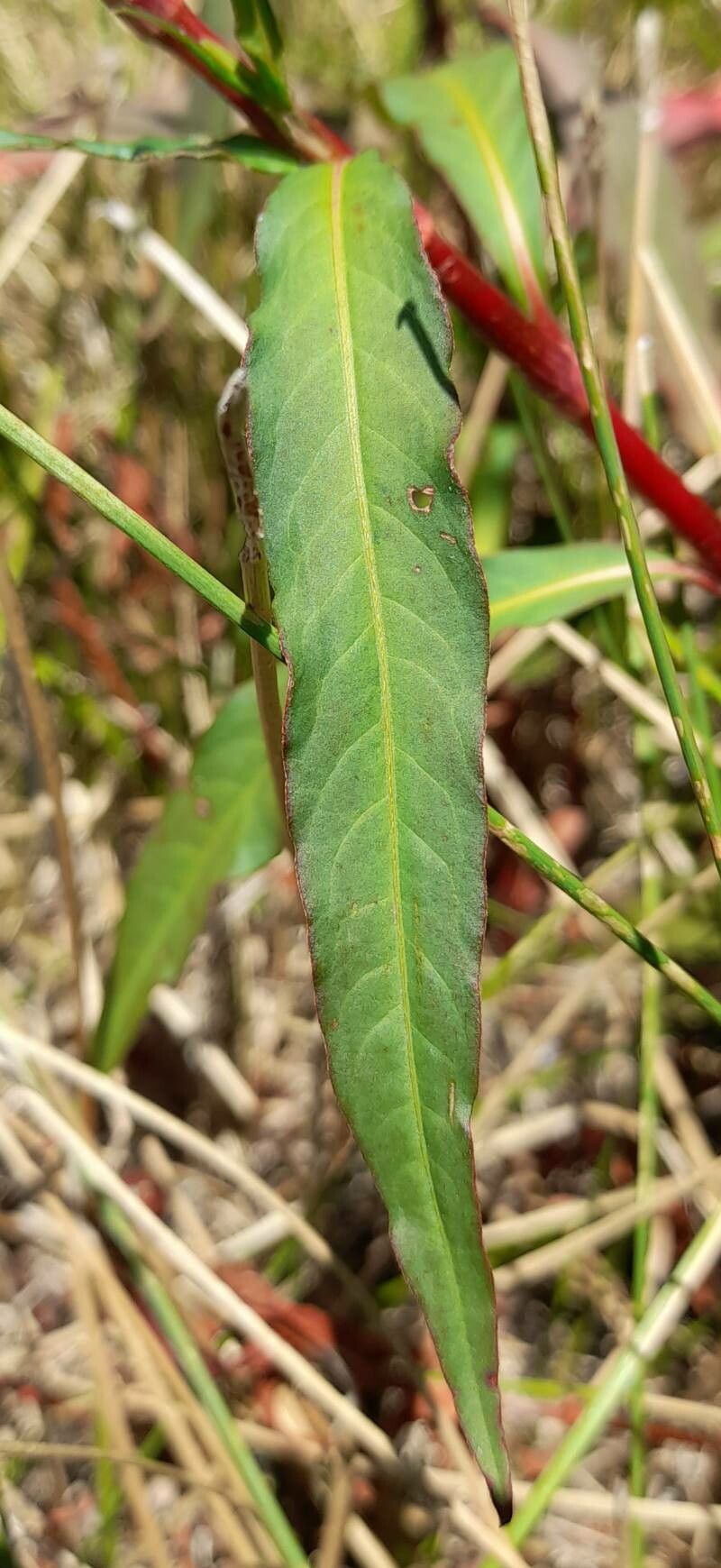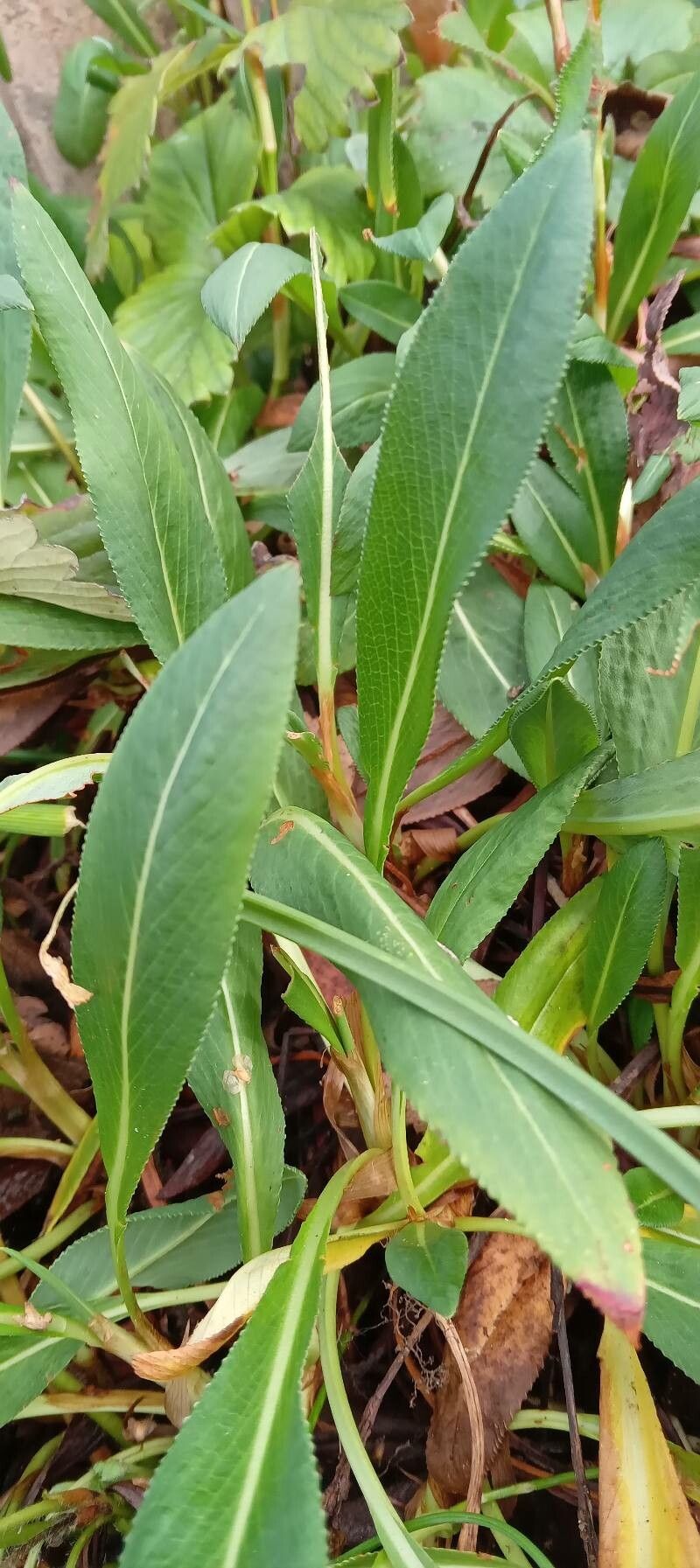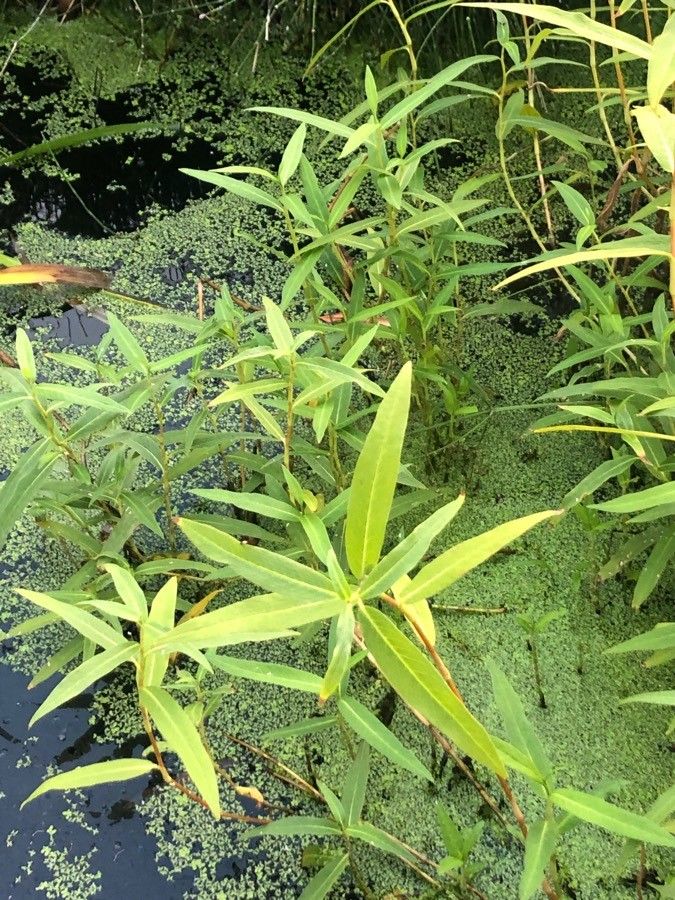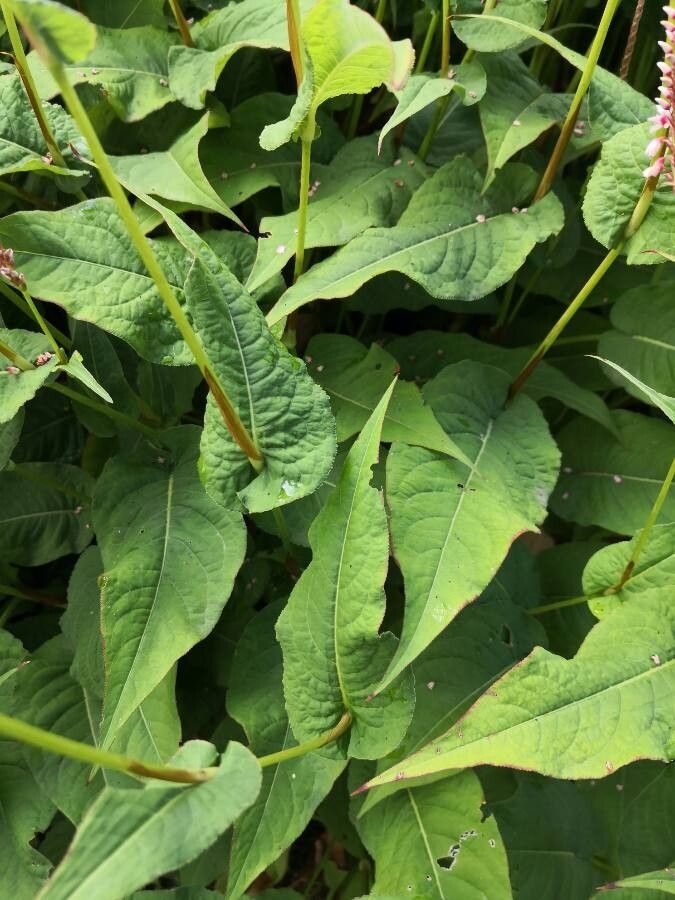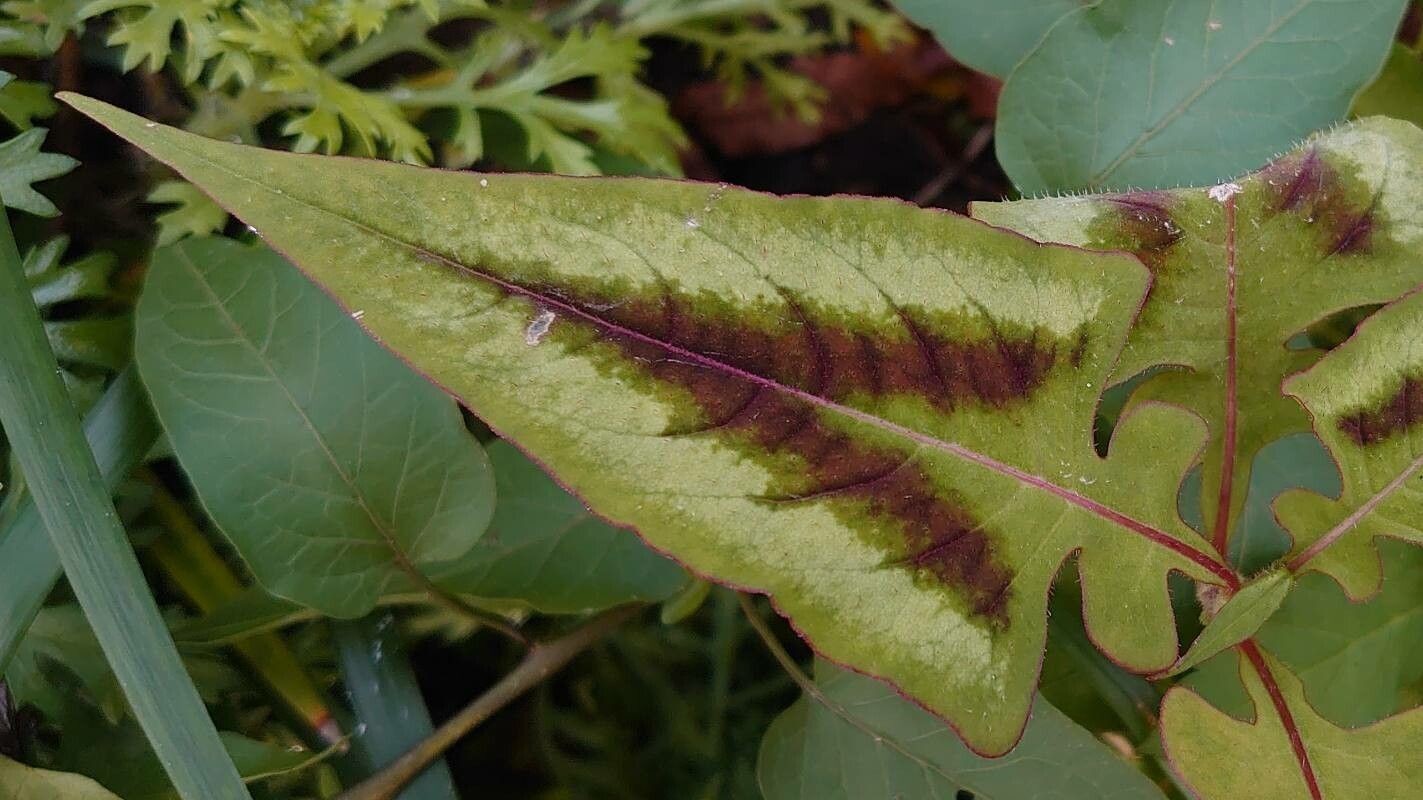
Persicaria runcinata is a species of flowering plant in the family Polygonaceae, native from the Himalayas east through mainland China to Taiwan and south to Java and the Philippines. It was first described in 1825 as Polygonum runcinata.
Lobed leaf knotweed is fairly resistant to disease and generally does not tend to get sick. However, it can be vulnerable to pests and diseases present in its surroundings. Such infections are typically not severe. Regarding care, this plant needs moderate maintenance. It should be pruned regularly to maintain a tidy appearance and encourage healthy growth. Fertilizing can also help stimulate flowering. Lobed leaf knotweed is appropriate for anyone with outdoor space, such as a garden or patio, and does not require extensive care experience. It may demand more attention when grown indoors.
How to keep Persicaria Runcinata.
Light
Lobed leaf knotweed thrives when exposed to full sunlight for the maximum number of hours each day, though it can still grow adequately with moderate sun exposure. Originating in brightly lit habitats, it has adapted to use photons efficiently. Avoid both overexposure and insufficient sunlight, as either can cause stunted growth or withered leaves.
Water
Lobed leaf knotweed, originating from moist environments, flourishes when provided with consistent hydration and well-watered soil. To ensure optimal health, water it weekly. As an outdoor plant in riparian zones, it benefits from natural rainfall, which supports its lush growth and cycles of flowering and dormancy throughout the seasons.
Temperature
Lobed leaf knotweed adapts well to temperature, able to endure high heat and wide temperature fluctuations. In hot weather, monitor watering and provide suitable shade to prevent sunburn. However, it is less tolerant of low temperatures; although it can withstand some cold, excessively cold conditions may cause frost damage.
Fertilizer
One fertilizer application in spring is generally adequate for Lobed leaf knotweed, though additional feedings can enhance growth. Apply fertilizer roughly every month to month and a half. Fertilizing improves the leaves’ appearance and function, maintaining even color and a healthy texture. It also promotes root development and nutrient uptake for long-term plant health.
Pruning
Lobed leaf knotweed, known for its distinctive lobed leaves, benefits greatly from timely pruning, which should be done from early to late spring. You can prune up to one-third of the stems to promote healthy growth, improve air circulation, and reduce the risk of disease. Always use sterilized tools to ensure clean cuts.
Botanical profile.
- Plant Type
- Herb
- Life Cycle
- Perennial
- Genus
- Persicaria
- Family
- Polygonaceae
- Hardiness Zone
- 7-10
- Mature Height
- 61 cm
- Mature Spread
- 1.52 m
- Leaf Color
- Purple, Green, Bronze
- Leaf Type
- Deciduous
- Flower Color
- White, Pink
- Flower Size
- 1.02 cm to 1.52 cm
- Bloom Time
- Summer
- Planting Time
- Spring, Autumn
- Harvest Time
- Late summer, Early fall, Mid fall
- Native Area
- Nepal, India, Malaysia, Indonesia, Vietnam, Myanmar, Philippines, Bhutan, Thailand, China