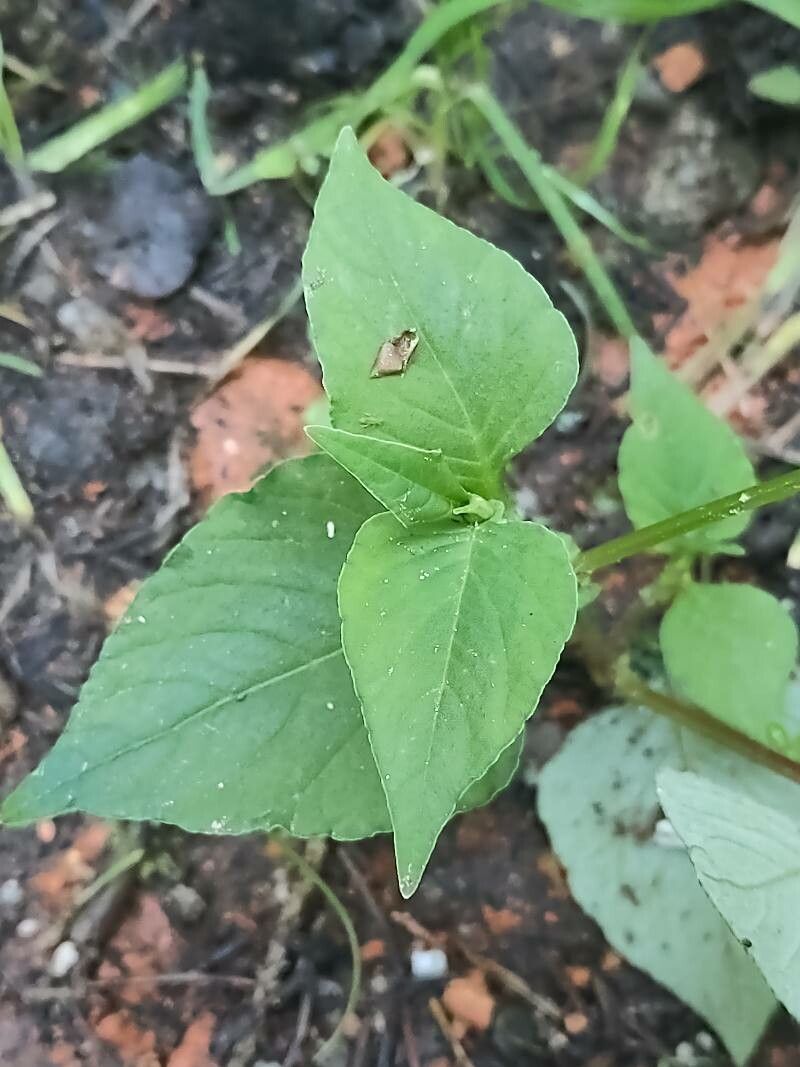
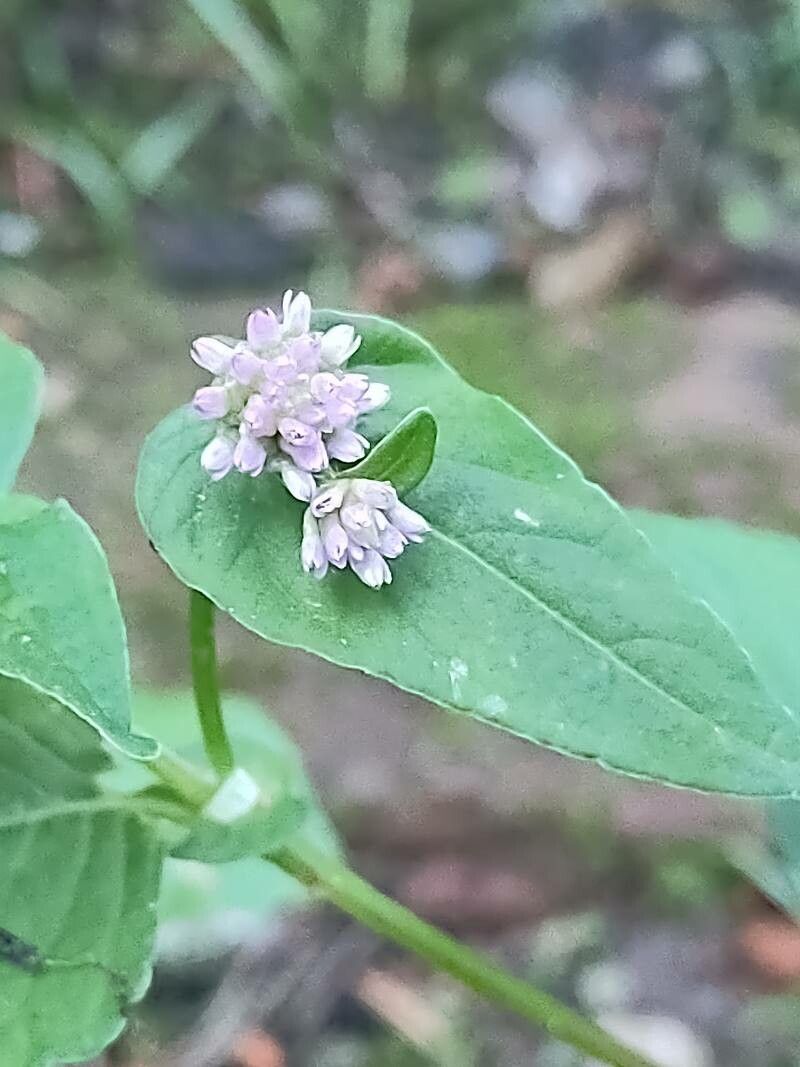
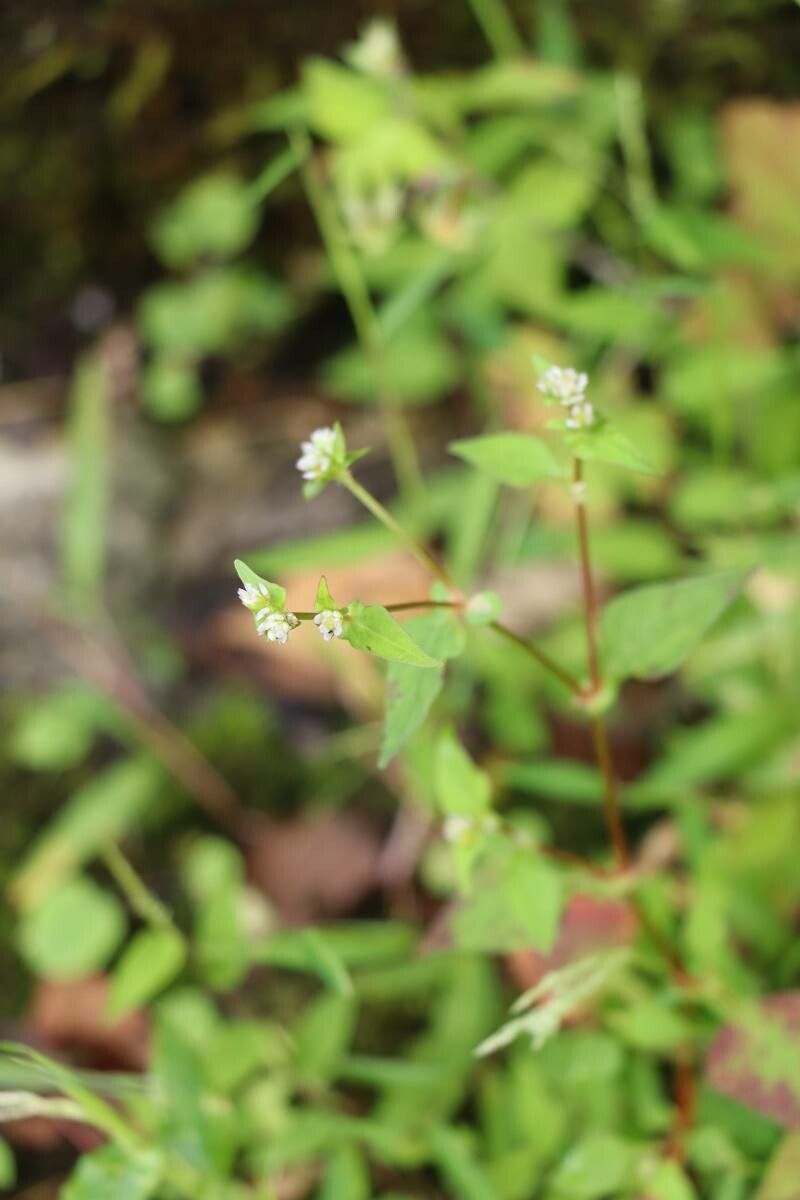
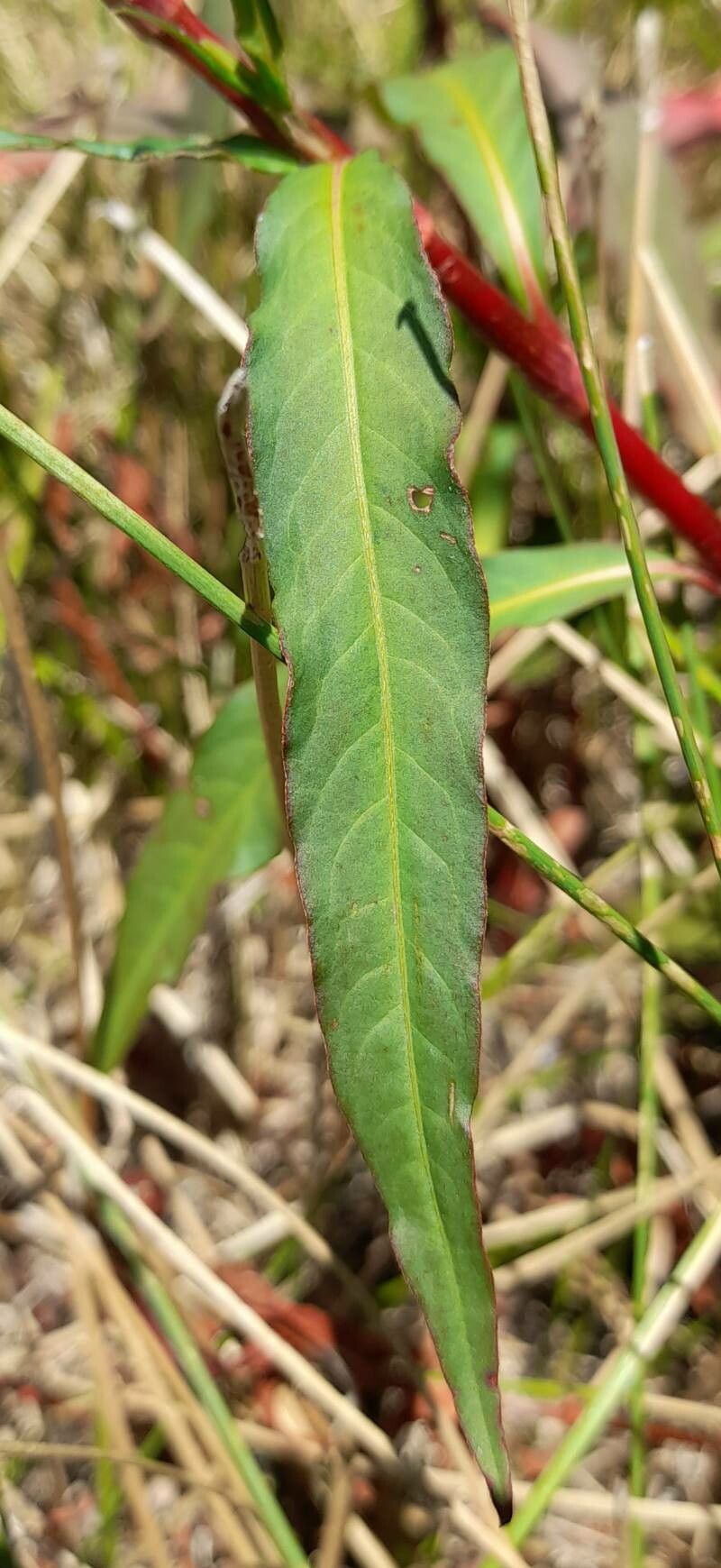
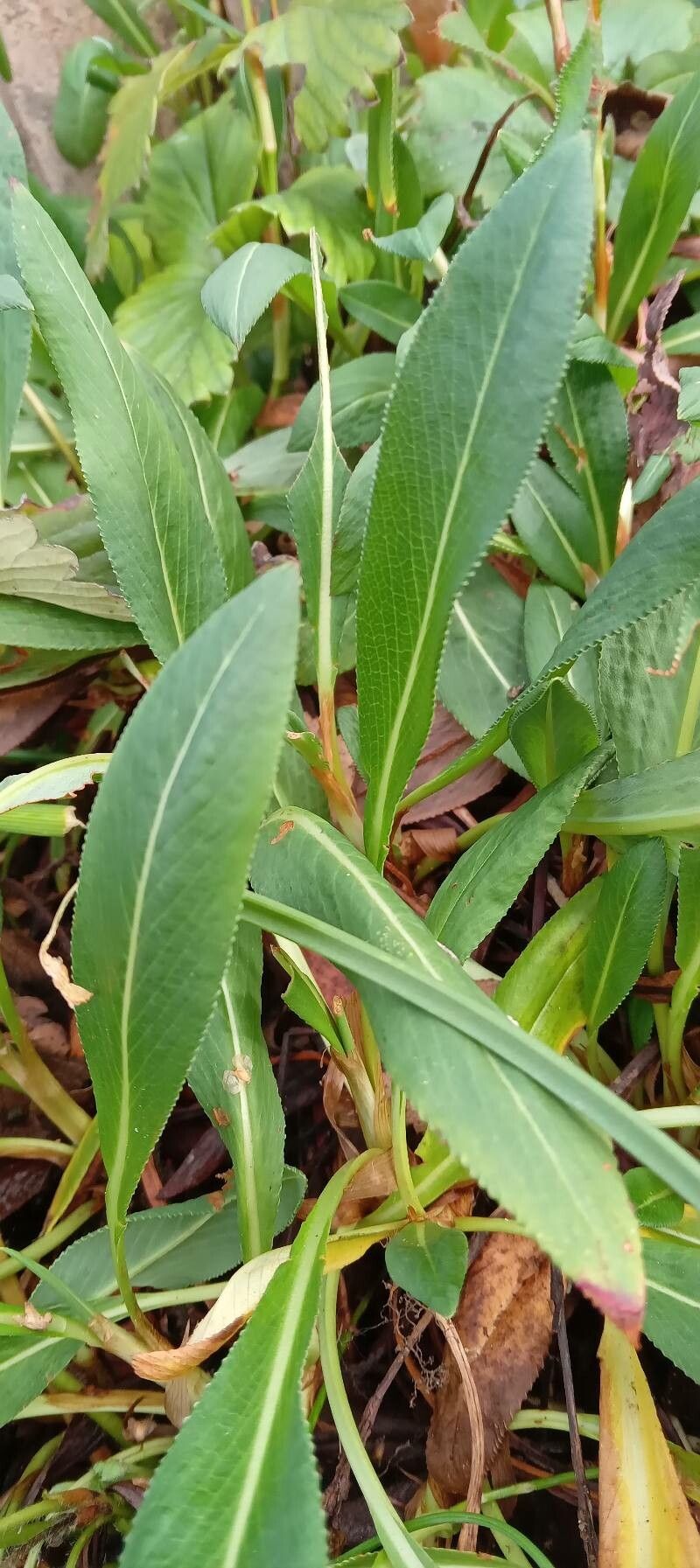
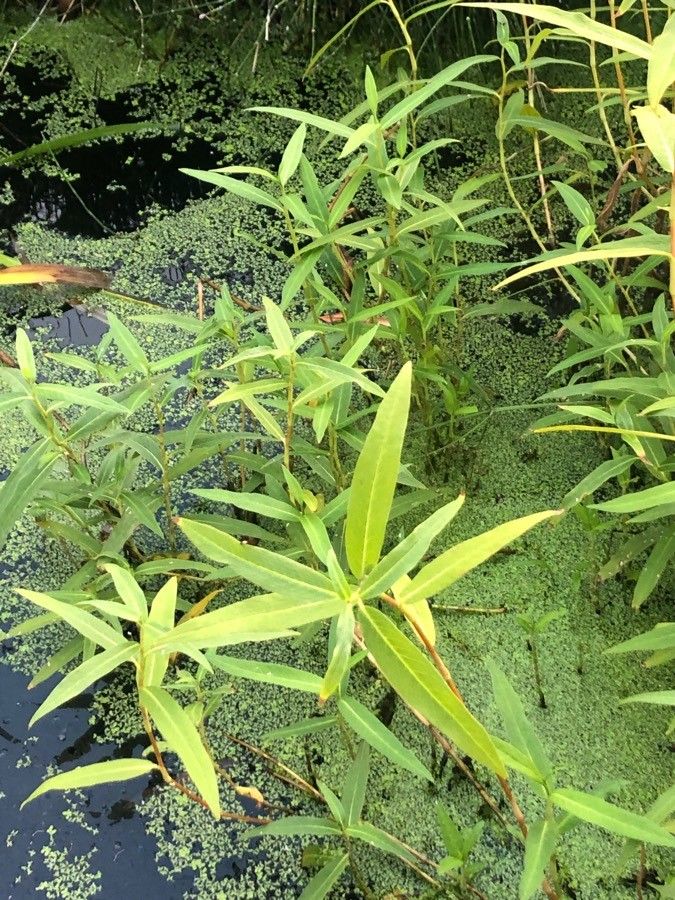
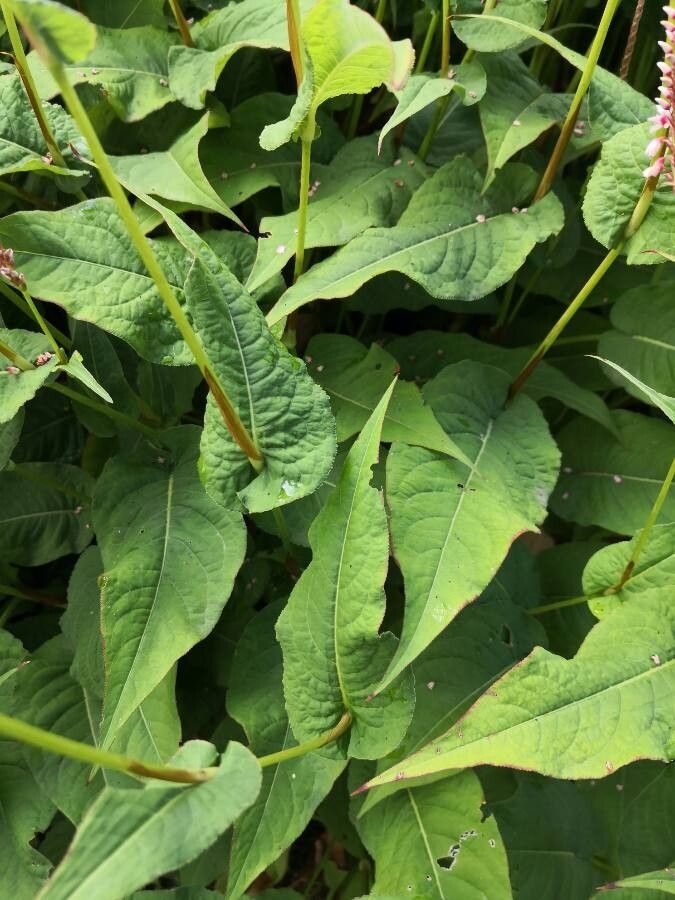
Persicaria nepalensis is a species of flowering plant in the family Polygonaceae, native to eastern Africa, including Madagascar, and parts of Asia. It has been introduced elsewhere: parts of Europe (including Great Britain), North America (including British Columbia, Connecticut, Massachusetts, New York and Pennsylvania) and northern South America. The species was first described as Polygonum nepalense by Carl Meissner in 1826, and transferred to Persicaria by Hugo Gross in 1913. (The same transfer was made later, in 1934, by Kingo Miyabe; as of 3 May 2019, Plants of the World Online used this transfer for the authorship of the combination.)
Nepal persicaria has strong disease resistance and is generally not susceptible to illnesses. However, it can be affected by pests and diseases present in its surroundings. These infections are typically not serious. As for care, this plant requires a moderate amount of maintenance. It should be pruned regularly to keep a neat appearance and support healthy growth. Fertilizing can also encourage flowering. Nepal persicaria is suitable for anyone with outdoor space, such as a garden or patio, and does not demand extensive gardening experience. It may need more attention if grown indoors.
How to keep Persicaria Nepalensis.
Light
Nepal persicaria occurs naturally in habitats like forest understories and rocky areas, which provide natural shade. It prefers partial sun but can tolerate full sun or full shade, demonstrating its versatility and hardiness.
Temperature
Nepal persicaria shows good adaptability to temperature, tolerating higher heat and wide temperature fluctuations. When temperatures are high, attention should be paid to watering and providing appropriate shade to avoid sunburn. However, Nepal persicaria is relatively intolerant of low temperatures. It can withstand some cold, but excessively cold conditions may cause frost damage.
Fertilizer
One fertilizer application in spring is generally enough for Nepal persicaria, though repeated feedings can maximize growth. Feed every month to a month and a half. Fertilization improves the leaves' appearance and function, maintaining uniform color and a healthy texture. It also promotes root development and nutrient uptake for long-term plant health.
Pruning
Nepal persicaria is known for its unique foliage and adaptability. To promote growth and shape, it should be pruned from early to late spring. Remove dead stems and thin the plant to improve airflow, which helps prevent disease. Always use clean, sharp tools to make precise cuts and reduce the risk of infection.
Botanical profile.
- Plant Type
- Herb
- Life Cycle
- Perennial, Annual
- Genus
- Persicaria
- Family
- Polygonaceae
- Hardiness Zone
- 7-10
- Mature Height
- 40 cm
- Mature Spread
- 46 cm to 61 cm
- Leaf Color
- Green, Dark Green
- Leaf Type
- Semi-evergreen
- Flower Color
- Pink, White
- Flower Size
- 0.20 cm to 0.25 cm
- Bloom Time
- Summer, Fall
- Planting Time
- Spring, Summer, Autumn
- Harvest Time
- Late summer, Fall, Early winter
- Native Area
- Sri Lanka, India, Malaysia, Madagascar, Rwanda, Pakistan, Eritrea, Yemen, Kenya, Uganda, Tanzania, Russia, Indonesia, Cameroon, Burundi, Koppen, Ethiopia, South Korea, Nepal, Malawi, Tajikistan, South Africa, Zambia, Sudan, Philippines, Laos, China, Afghanistan, Vietnam, Myanmar, Japan, Bhutan, Congo (DRC), Thailand
Other names.