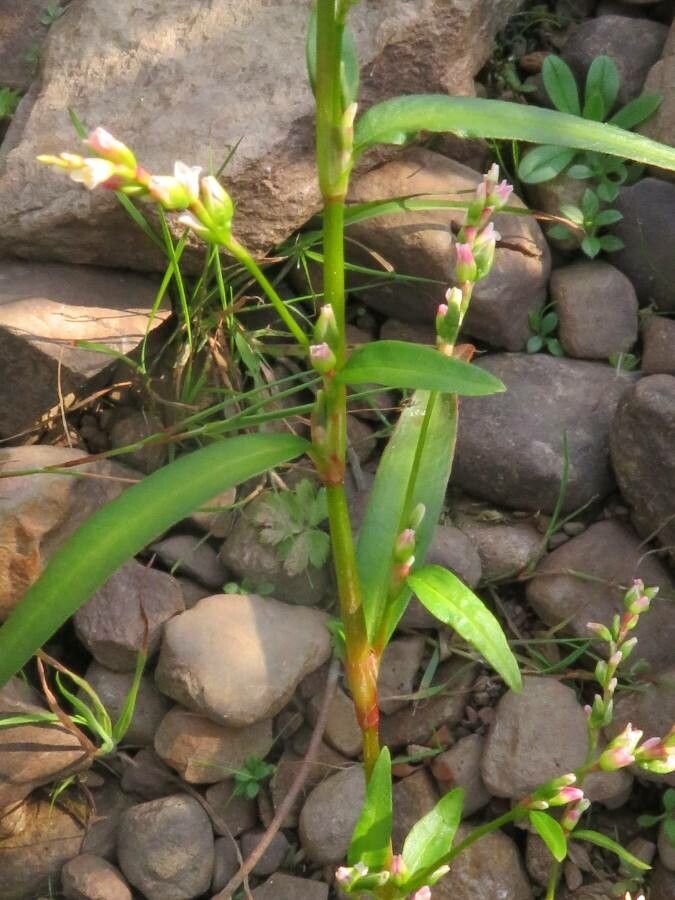
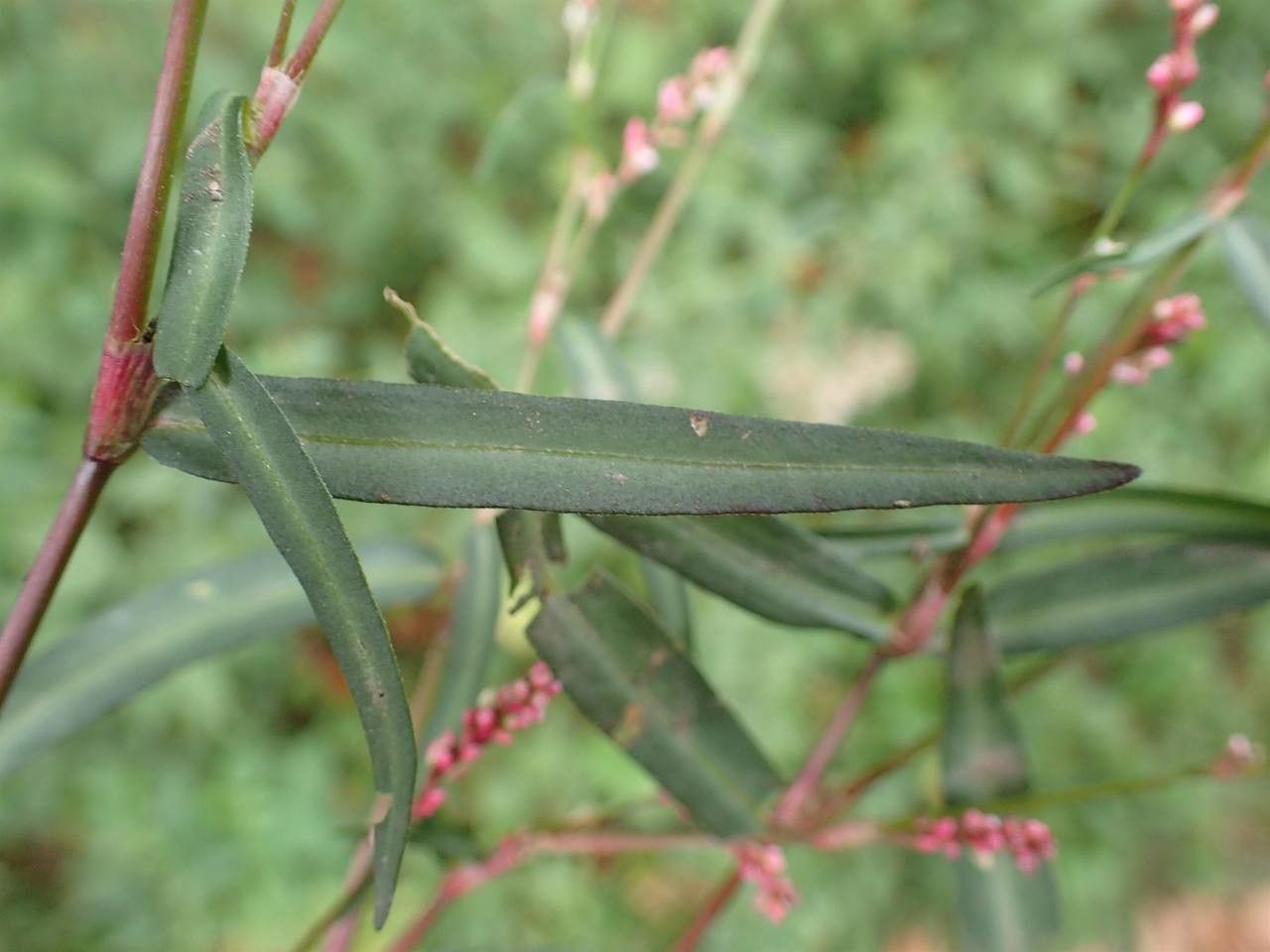
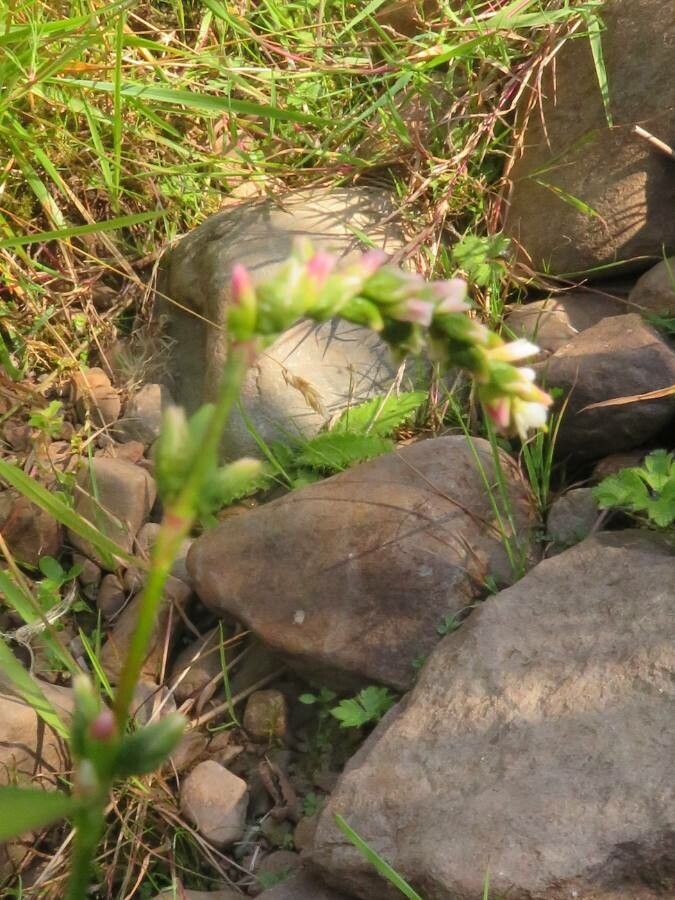
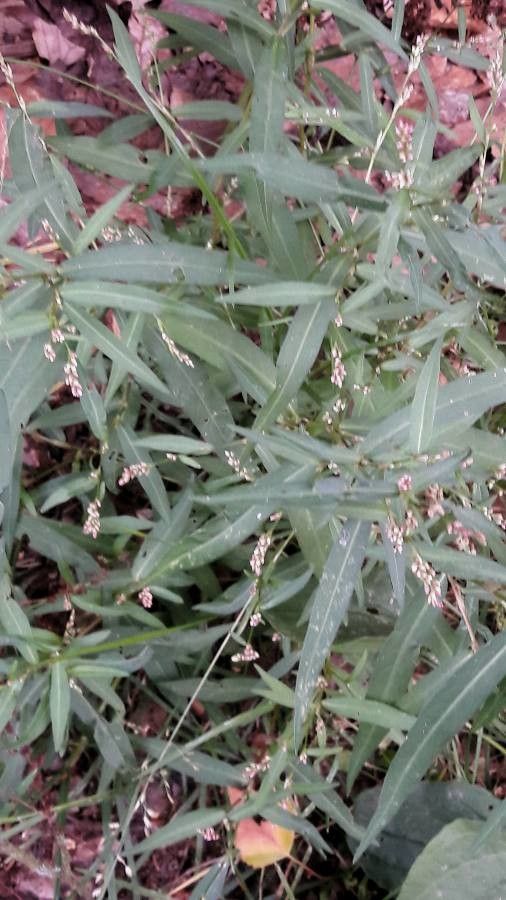
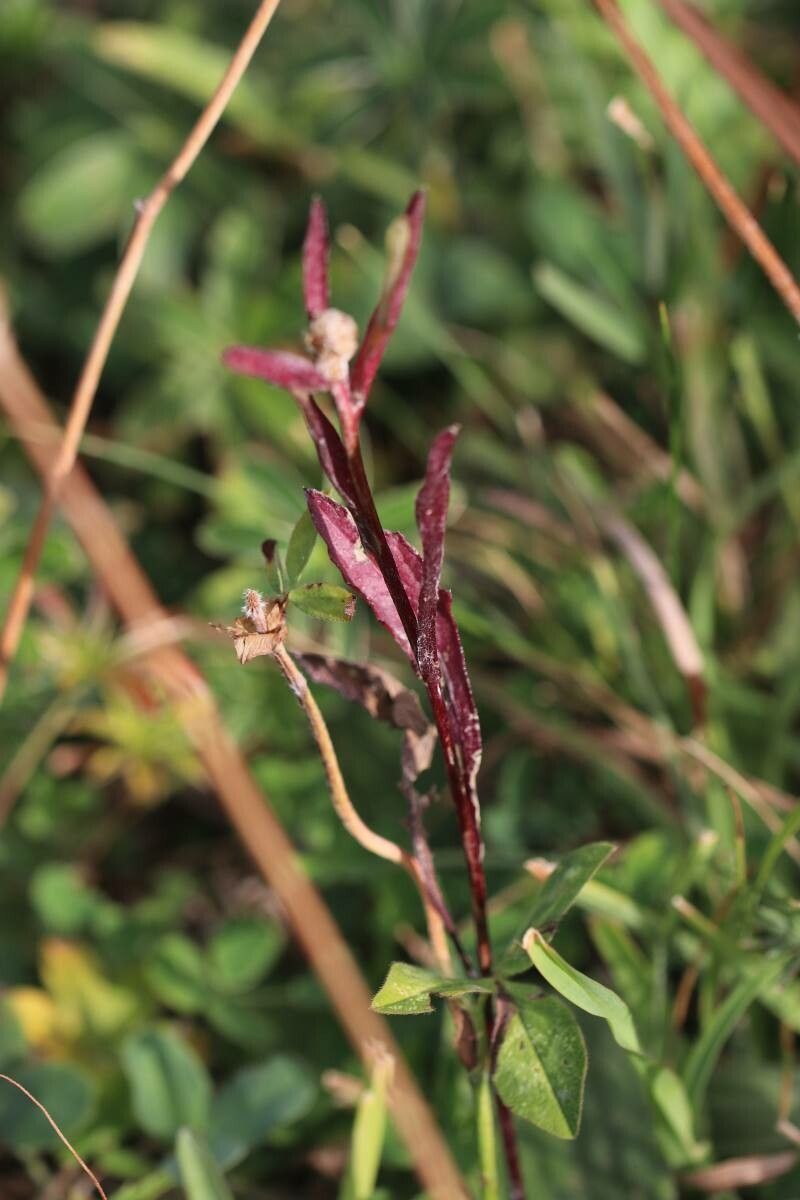
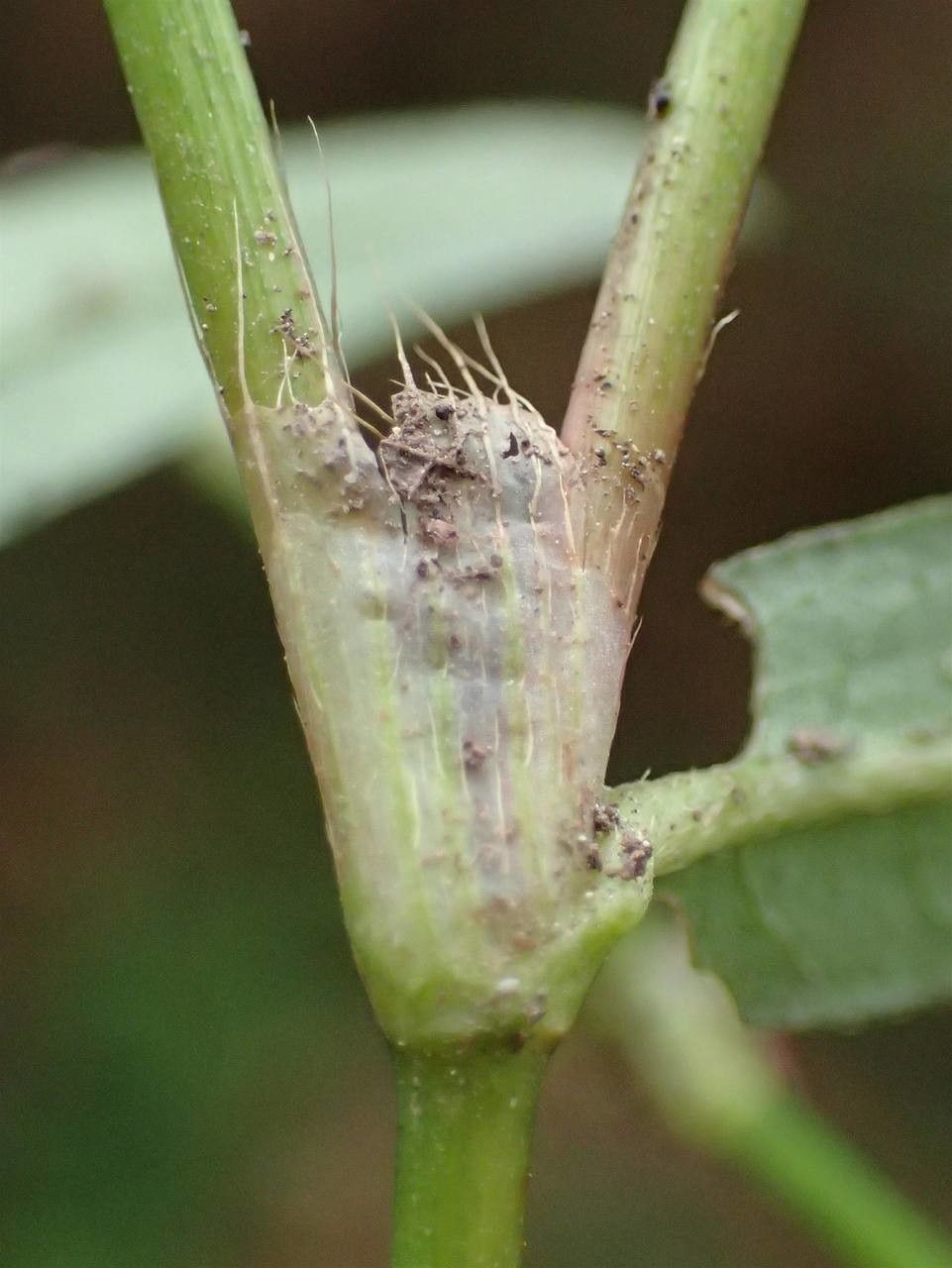
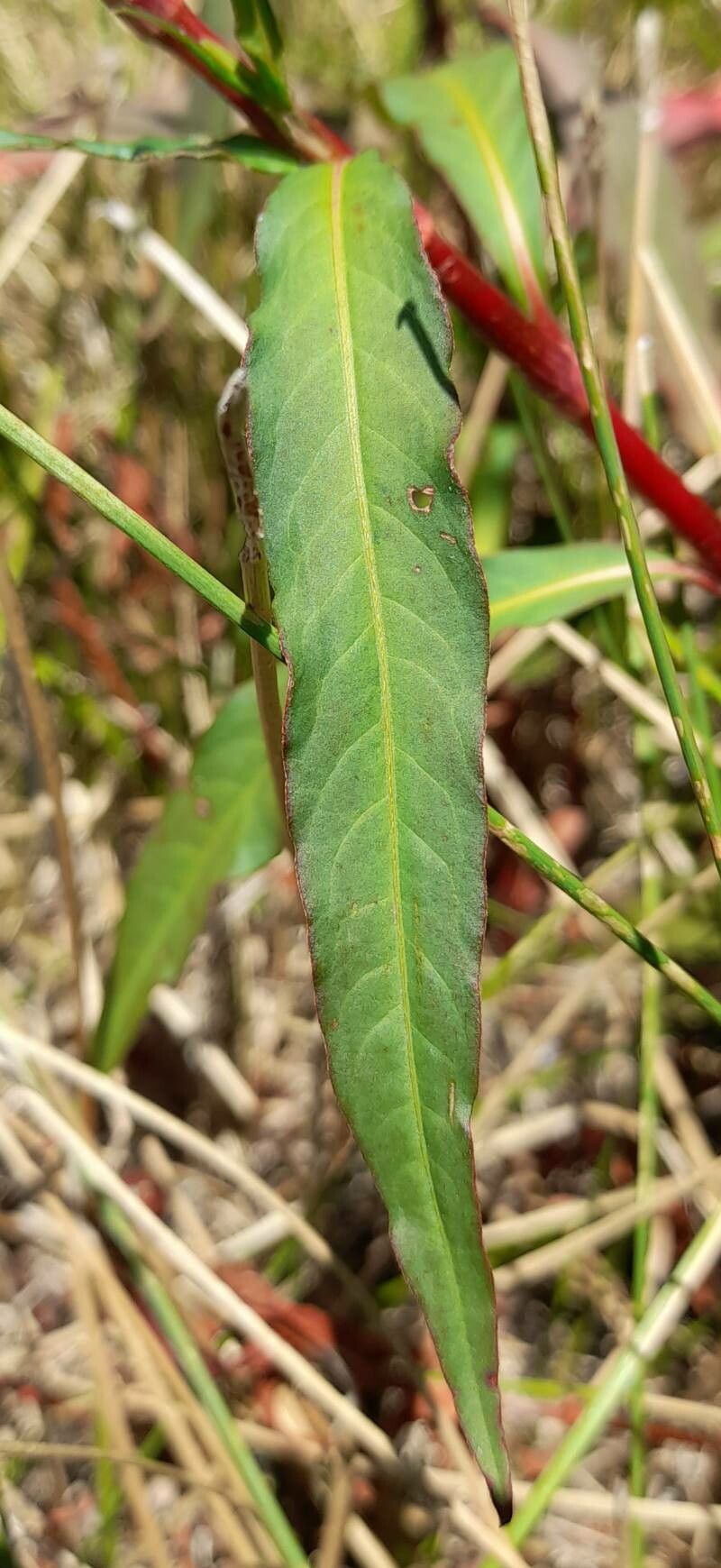
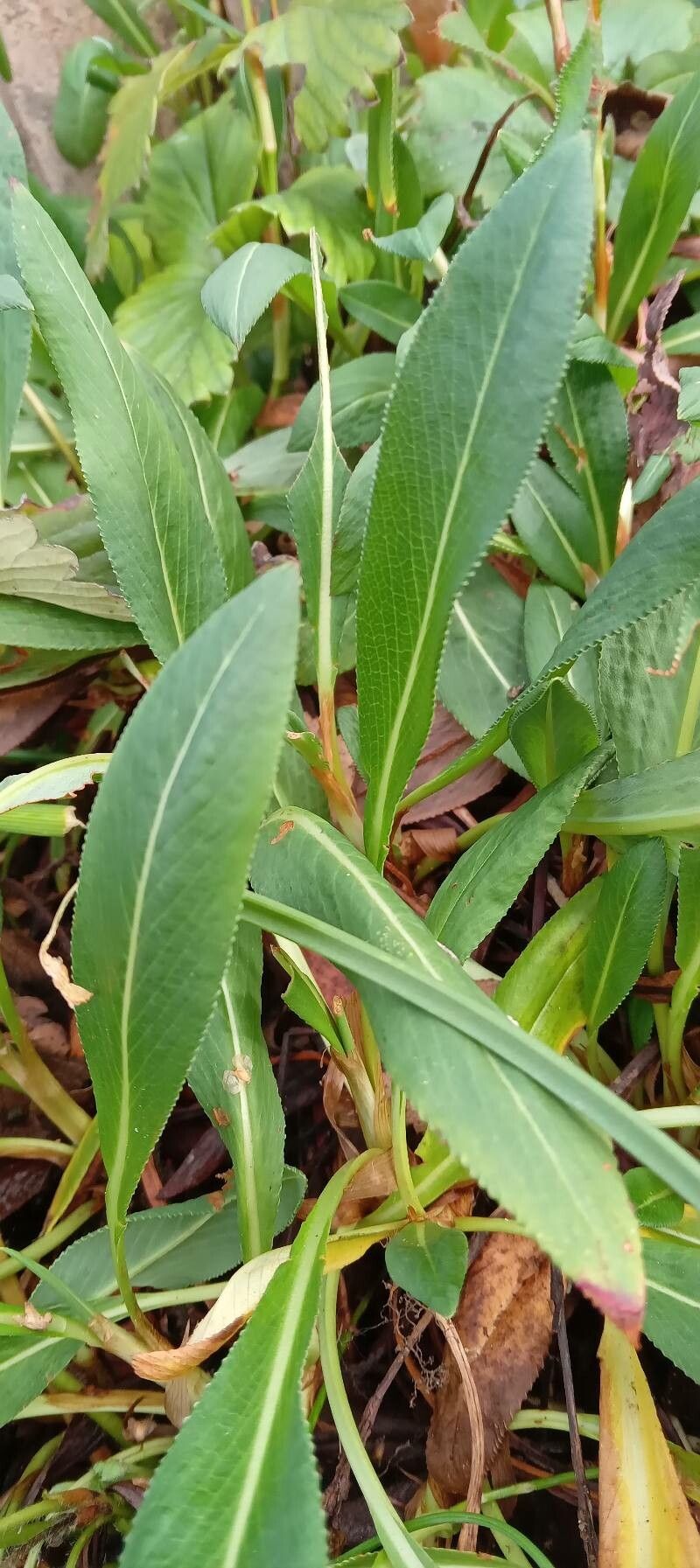
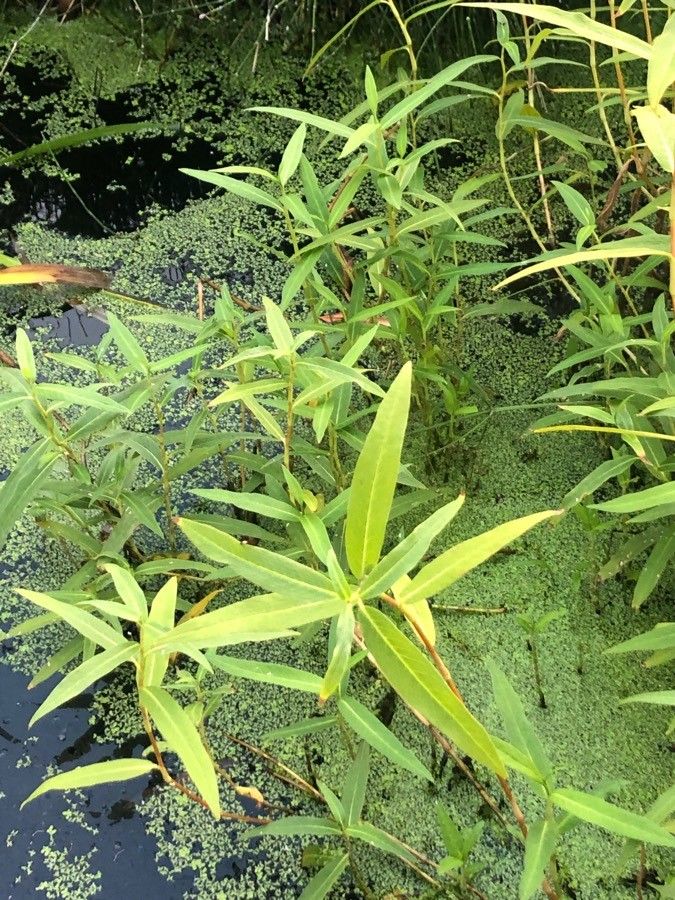
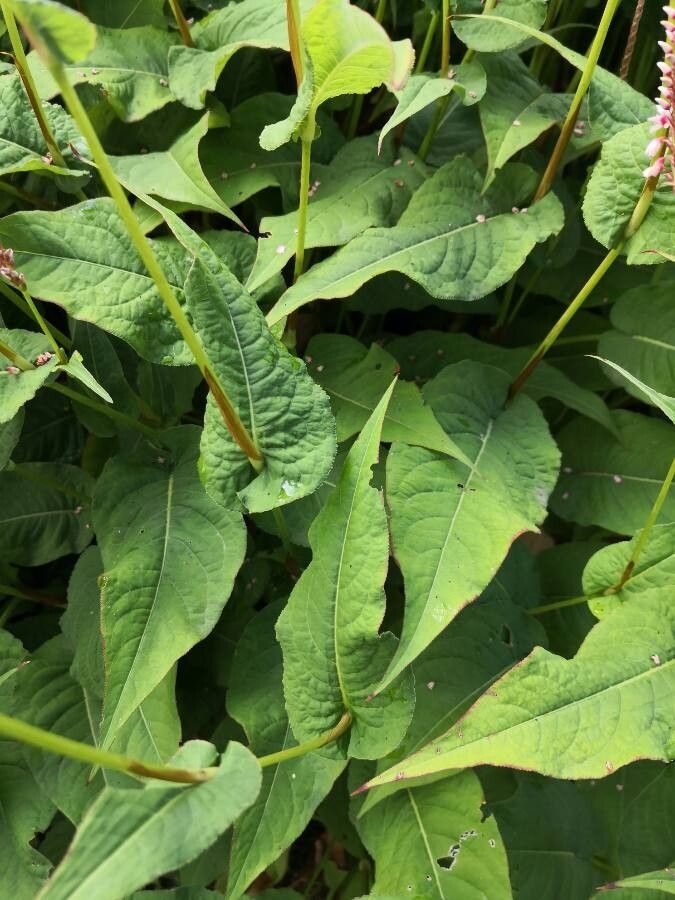
Persicaria minor is species of herb in the family Polygonaceae. Common names include pygmy smartweed, small water pepper and swamp willow weed. This herb is native to Asia, but distributed widely in Europe and Australia. It is used in South East Asian cooking.
Minor smartweed shows moderate resistance to disease but can be susceptible to problems like leaf spot. Its vulnerability to insect pests varies by variety, though most are relatively less resistant to pests. Regarding care, Minor smartweed requires regular watering and fertilizing, along with frequent removal of yellow leaves. It is important to manage pests and diseases as they occur and to harvest the plant promptly. Minor smartweed is best suited to people who can invest some time and energy in regular maintenance.
How to keep Persicaria Minor.
Light
Minor smartweed is found in habitats like forest understories or rocky sites with natural shade. It prefers partial sunlight but can tolerate full sun when necessary. This flexibility lets it thrive under a range of light exposures.
Temperature
Minor smartweed prefers moderate temperatures, similar to those most people find comfortable. It does best in conditions that are neither very hot nor very cold. Excessive heat mainly increases the risk of sunburn, so offering some shade in summer is recommended to prevent overheating. When temperatures decline, Minor smartweed becomes dormant. To sustain continuous growth, warmer conditions must be kept through the winter. Frost can injure the plant and should be avoided.
Fertilizer
To maximize the yield and flavor of Minor smartweed, maintain ample nitrogen throughout the growth cycle, from pre-planting through harvest. Plants that are well-watered and fertilized produce abundant, healthy leaves and exhibit reduced bitterness. Before planting, amend the soil with organic matter such as compost or manure, ideally 2 to 8 weeks beforehand.
Pruning
For optimal growth and health, prune minor smartweed in the early to late spring. Begin by removing any dead or damaged stems, and trim back overgrown areas to maintain the plant's shape. Always use clean, sharp tools to ensure precise cuts. This careful pruning improves air circulation and light penetration, boosting the plant's overall vigor and reducing the risk of disease.
Botanical profile.
- Plant Type
- Herb
- Life Cycle
- Perennial
- Genus
- Persicaria
- Family
- Polygonaceae
- Hardiness Zone
- 8-11
- Mature Height
- 30 cm to 61 cm
- Mature Spread
- 20 cm to 40 cm
- Leaf Color
- Green, Dark Green
- Leaf Type
- Evergreen
- Flower Color
- Pink, White
- Flower Size
- 0.25 cm to 0.51 cm
- Bloom Time
- Summer, Early fall, Mid fall
- Planting Time
- Autumn, Winter
- Harvest Time
- Late summer, Fall, Early winter
- Native Area
- Sri Lanka, Turkey, Sweden, Malaysia, India, Austria, Slovakia, Montenegro, Pakistan, Slovenia, Croatia, Belarus, Uzbekistan, Russia, Germany, Indonesia, Estonia, Romania, Latvia, Belgium, Netherlands, Nepal, France, Tajikistan, Czech Republic, Philippines, Bulgaria, Bangladesh, Poland, Laos, Greece, Ukraine, Serbia, China, Lithuania, Norway, Italy, Kazakhstan, Spain, Switzerland, Vietnam, Denmark, Mongolia, Finland, Iran, Ireland, United Kingdom, Hungary, Thailand
Other names.