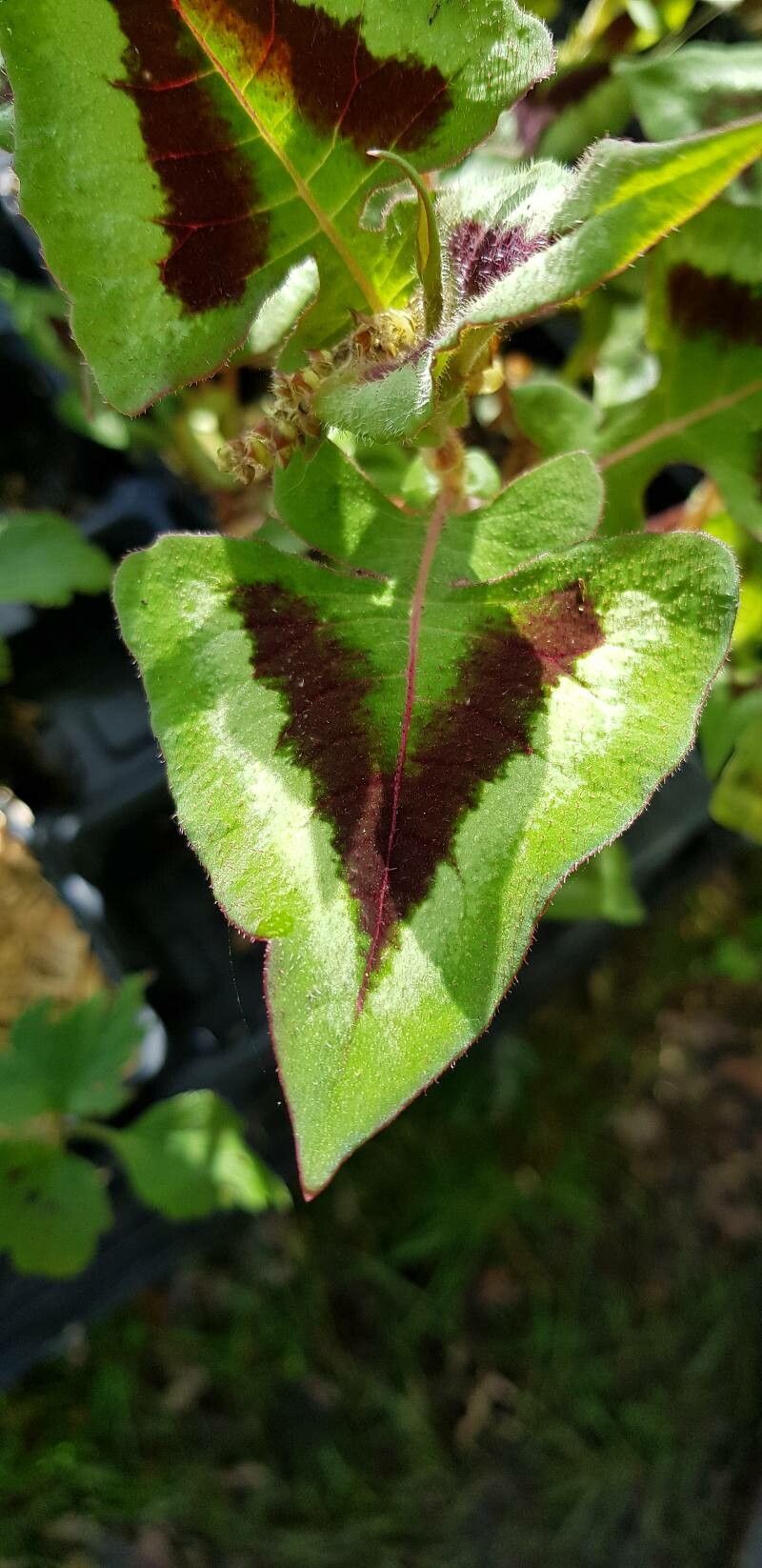
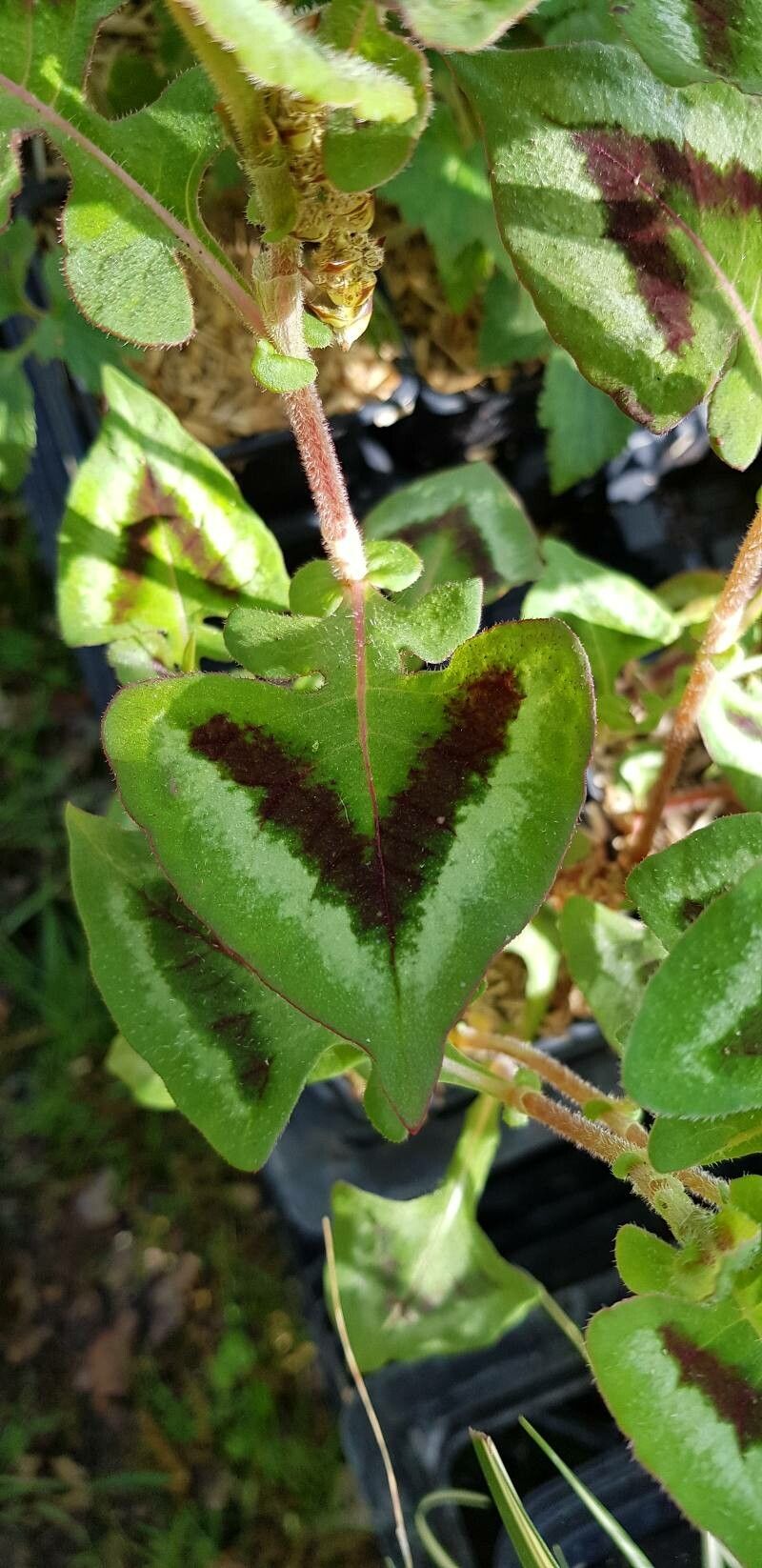
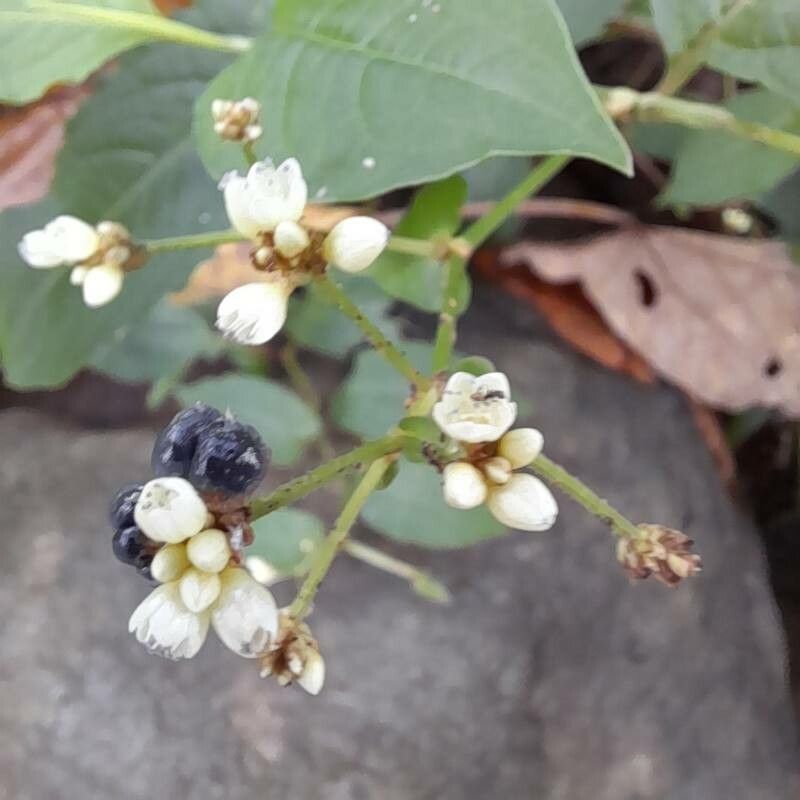
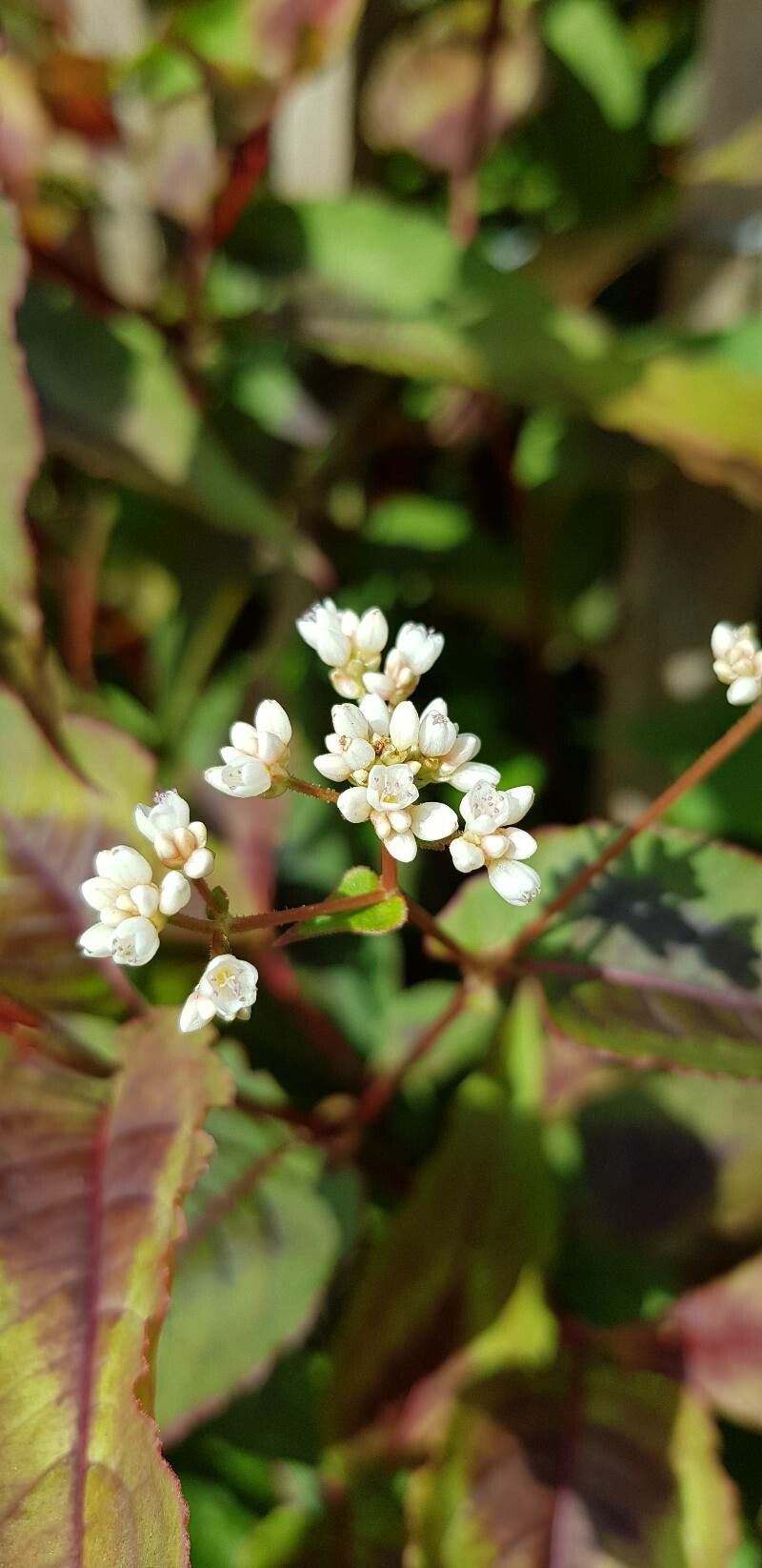
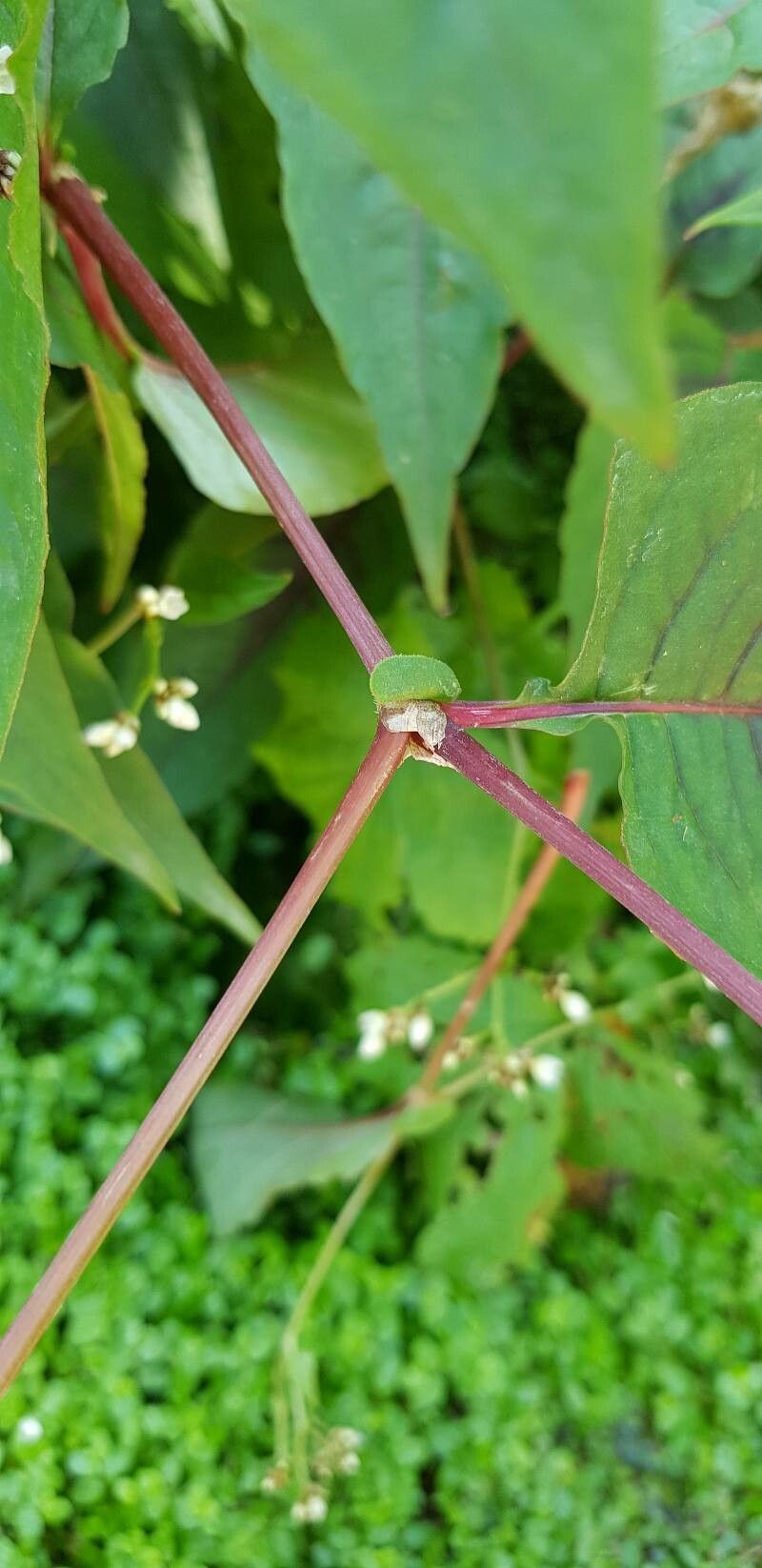
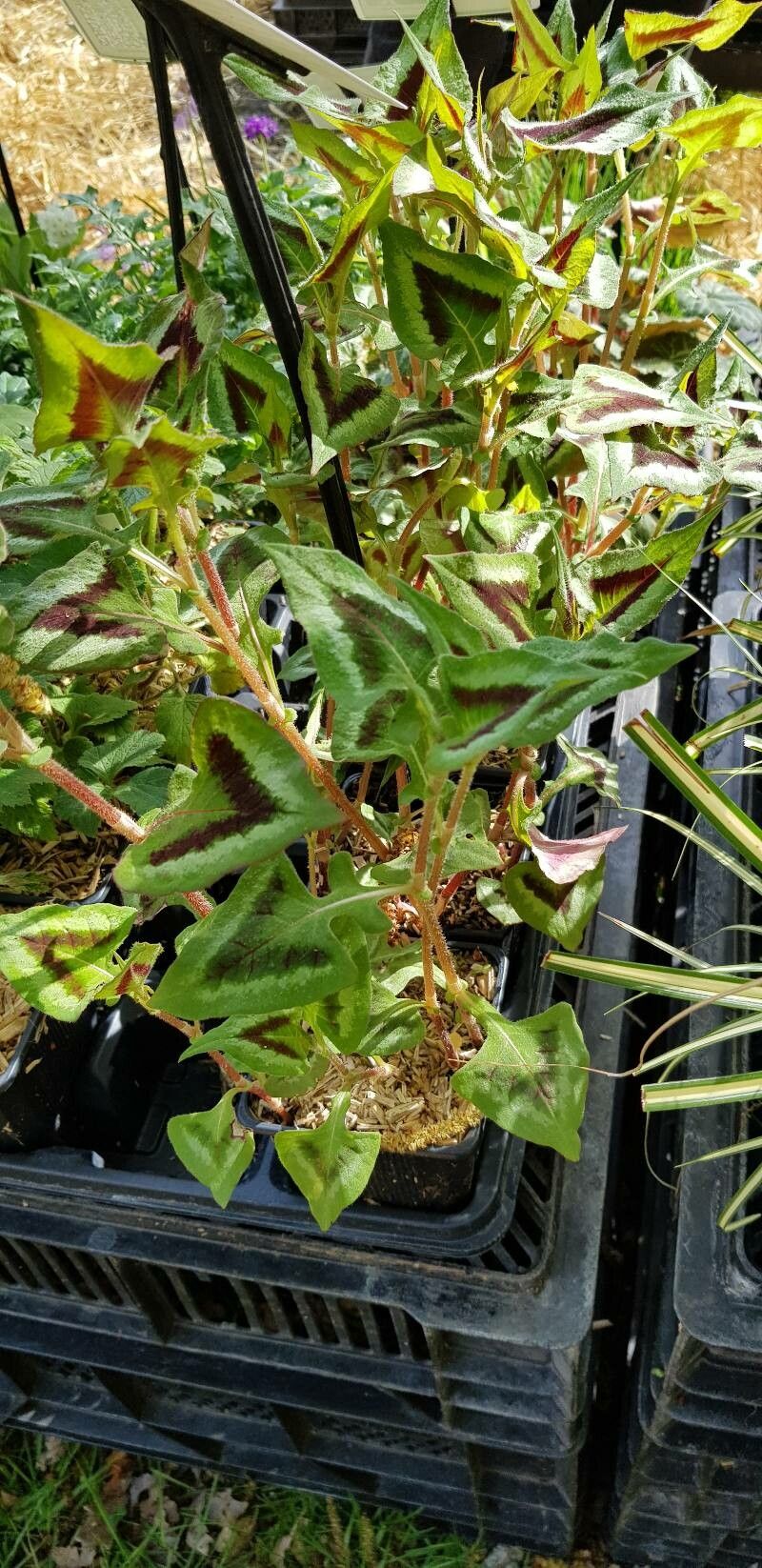
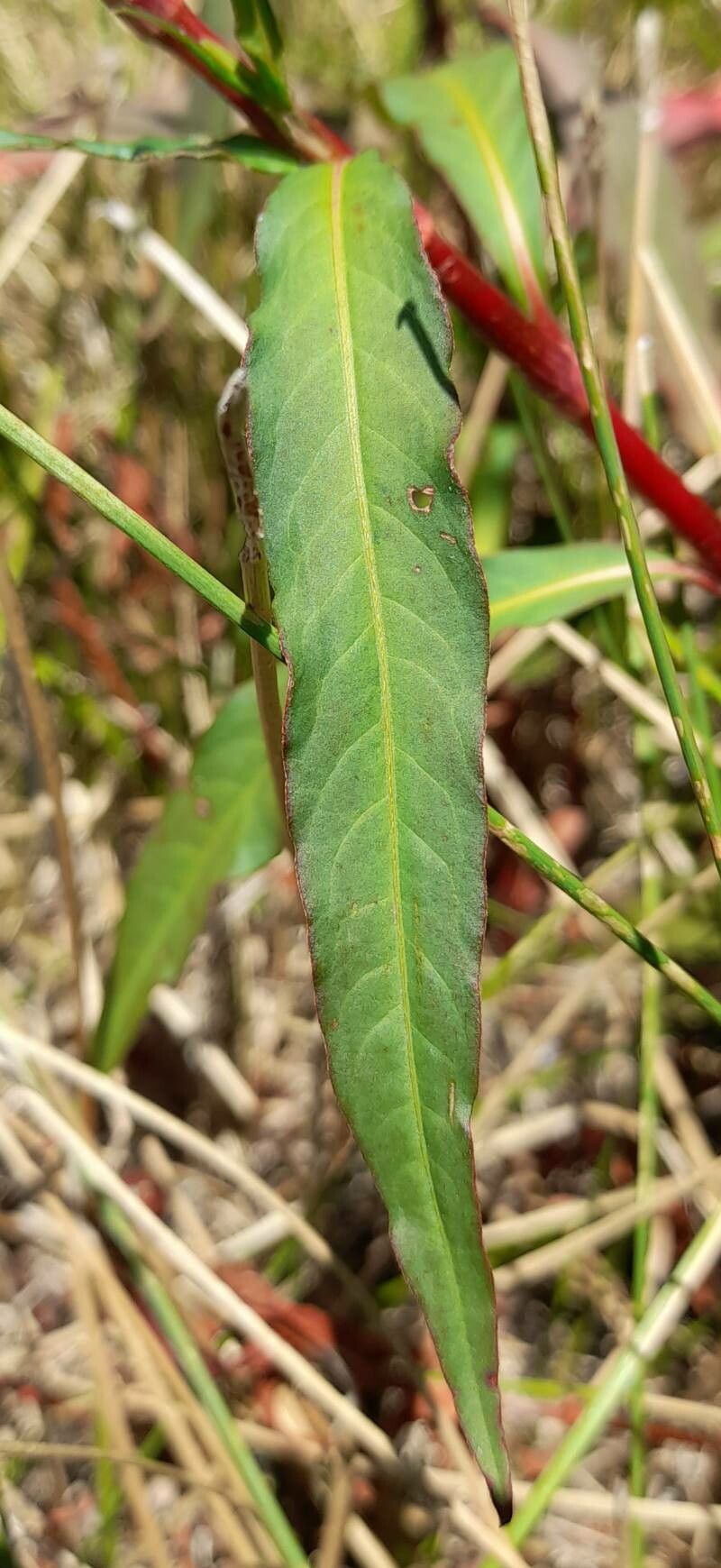
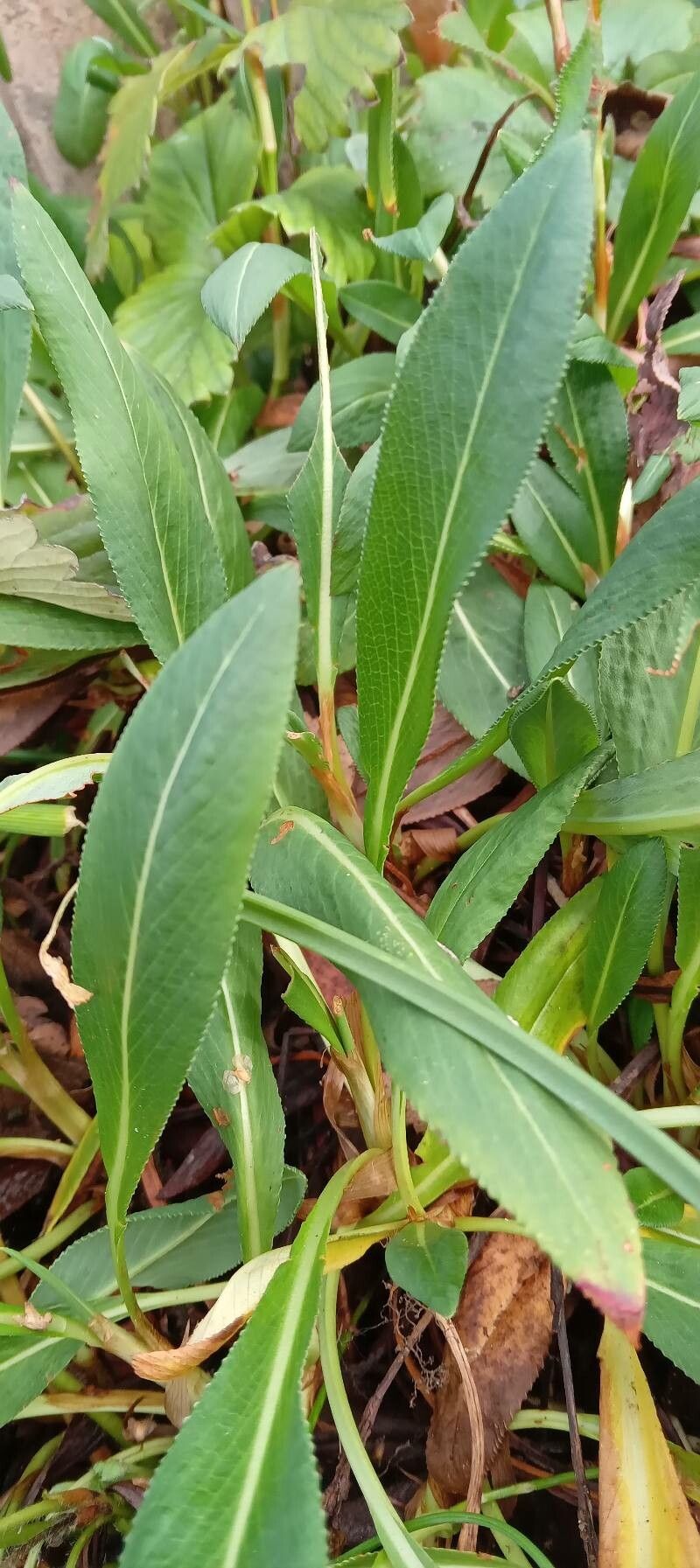
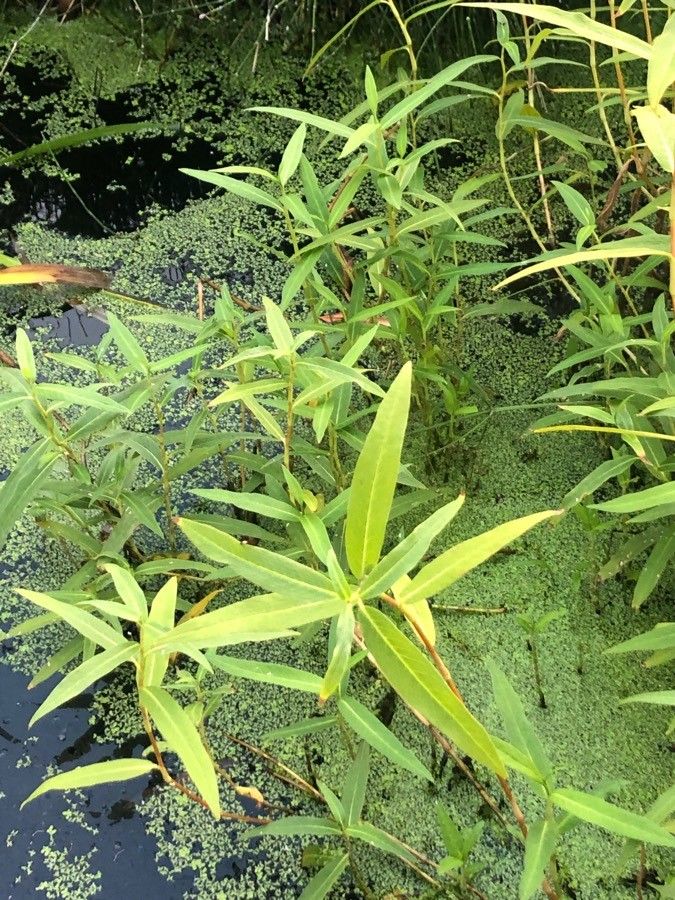
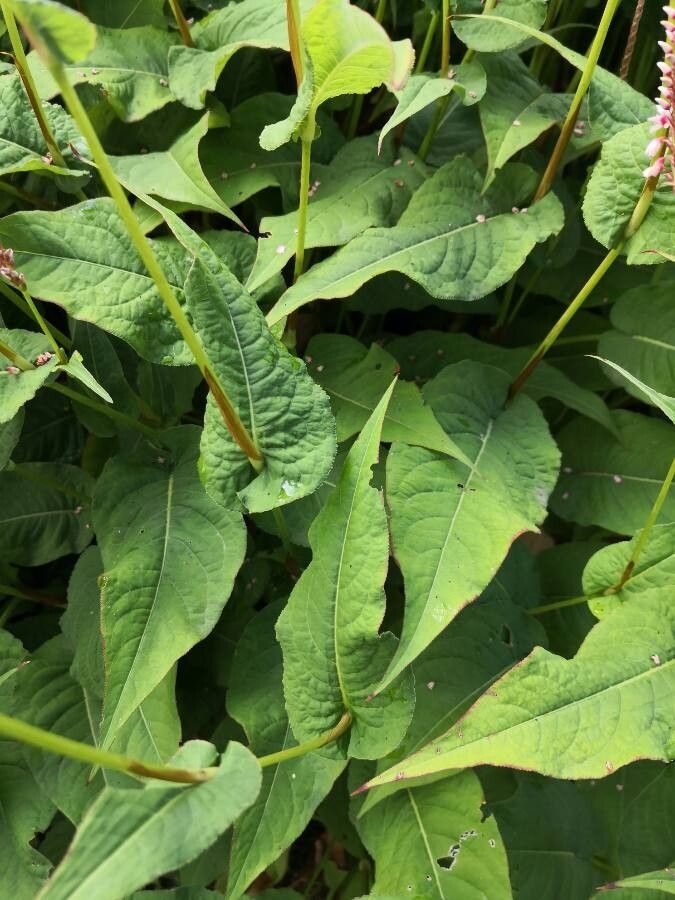
Persicaria microcephala, the small-headed knotweed, is a species of flowering plant in the family Polygonaceae. It is native to the Himalayas, and central and southern China, and it has been introduced to Great Britain. Its cultivar 'Red Dragon' has gained the Royal Horticultural Society's Award of Garden Merit.
Small-headed knotweed is fairly disease-resistant and typically does not suffer from many illnesses. That said, it can be vulnerable to pests and diseases present in its surroundings. Such infections are usually not serious. In terms of care, the plant requires moderate maintenance. It should be pruned regularly to keep a tidy appearance and encourage healthy growth. Fertilizing can also help boost flowering. Small-headed knotweed is suitable for anyone with outdoor space, such as a garden or patio, and does not demand much prior care experience. It may need additional attention if grown indoors.
How to keep Persicaria Microcephala.
Light
For healthy development, the small-headed knotweed depends on moderate sunlight. It neither needs nor prospers in intense light. In its natural habitat it grows in dappled light. Excessive exposure can be damaging, while insufficient light leads to weak, stunted growth.
Water
Small-headed knotweed thrives in consistently moist soil and prefers to be watered weekly. While it can tolerate short dry spells, it benefits from natural rainfall and requires additional watering during extended dry periods. Its robust root system makes it efficient in utilizing water, making it suitable for regions with variable precipitation.
Temperature
Small-headed knotweed comes from areas that experience variable temperature ranges. It thrives in temperatures from 50 to 95 °F (10 to 35 °C). Monitor the local climate and, when necessary, supply supplemental heating or natural shade.
Fertilizer
A single spring application of fertilizer is generally enough for Small-headed knotweed, though repeated feedings can boost growth. Apply every month to six weeks. Fertilizing improves leaf appearance and function, helping maintain even color and a healthy texture. It also encourages root development and nutrient uptake, supporting the plant’s long-term health.
Pruning
To promote the growth and shape of small-headed knotweed, light pruning is beneficial from early to late spring. Important steps include removing any damaged stems and thinning out crowded sections to improve air circulation. Regular pruning not only enhances the plant's vitality and appearance but also reduces the need for frequent maintenance.
Botanical profile.
- Plant Type
- Herb
- Life Cycle
- Perennial
- Genus
- Persicaria
- Family
- Polygonaceae
- Hardiness Zone
- 6-9
- Mature Height
- 61 cm to 91 cm
- Mature Spread
- 61 cm to 91 cm
- Leaf Color
- Green, Silver, Purple, Bronze
- Leaf Type
- Semi-evergreen
- Flower Color
- White, Pink
- Flower Size
- 2.54 cm to 5.08 cm
- Bloom Time
- Early summer, Mid summer
- Planting Time
- Spring
- Harvest Time
- Mid summer, Late summer
- Native Area
- Nepal, India, Vietnam, Bhutan, Bangladesh, China
Other names.