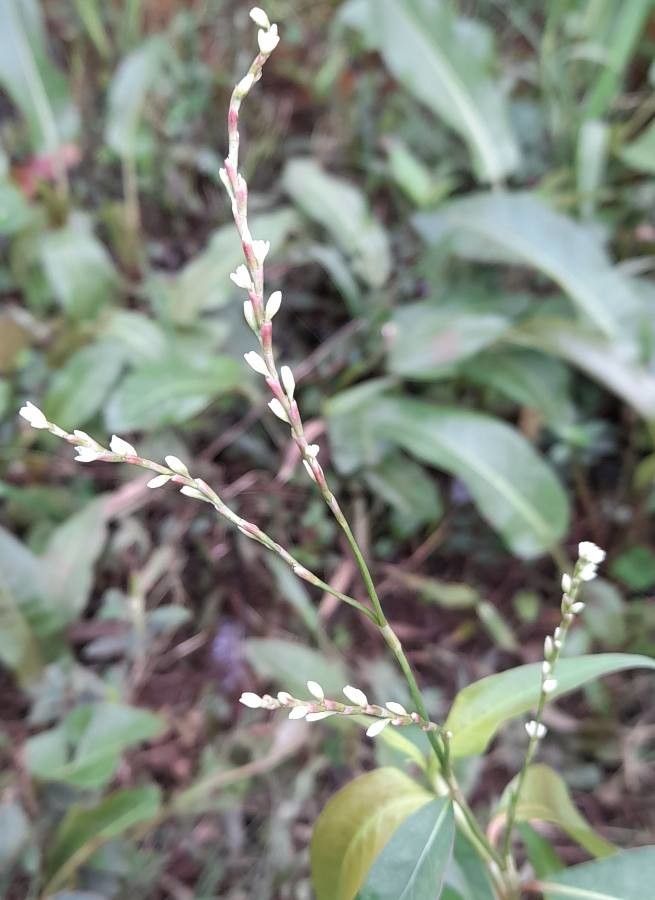
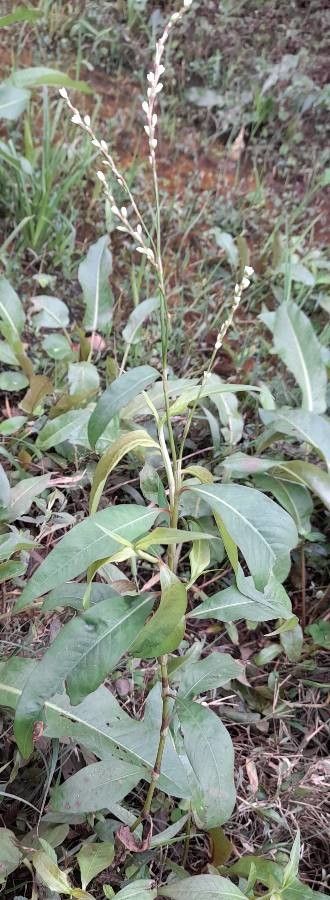
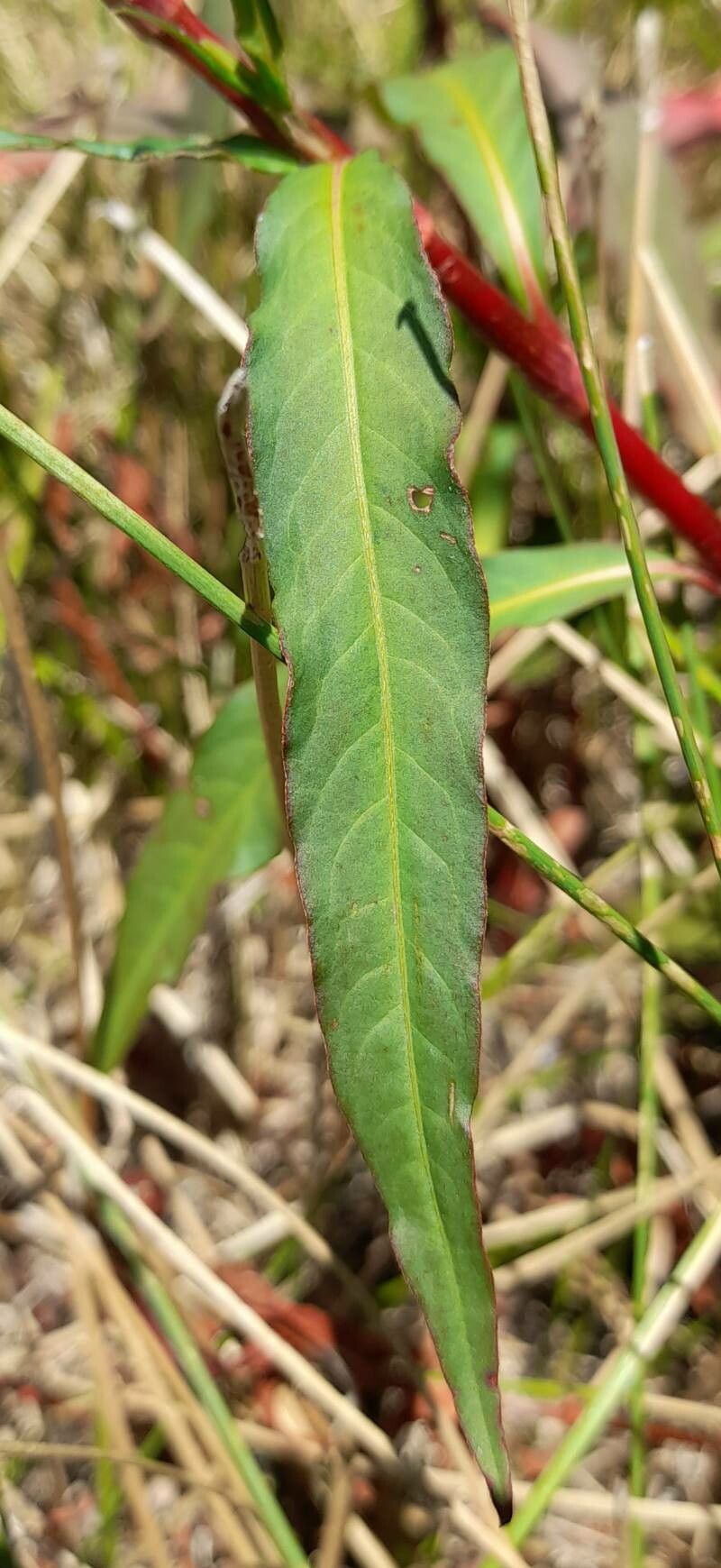
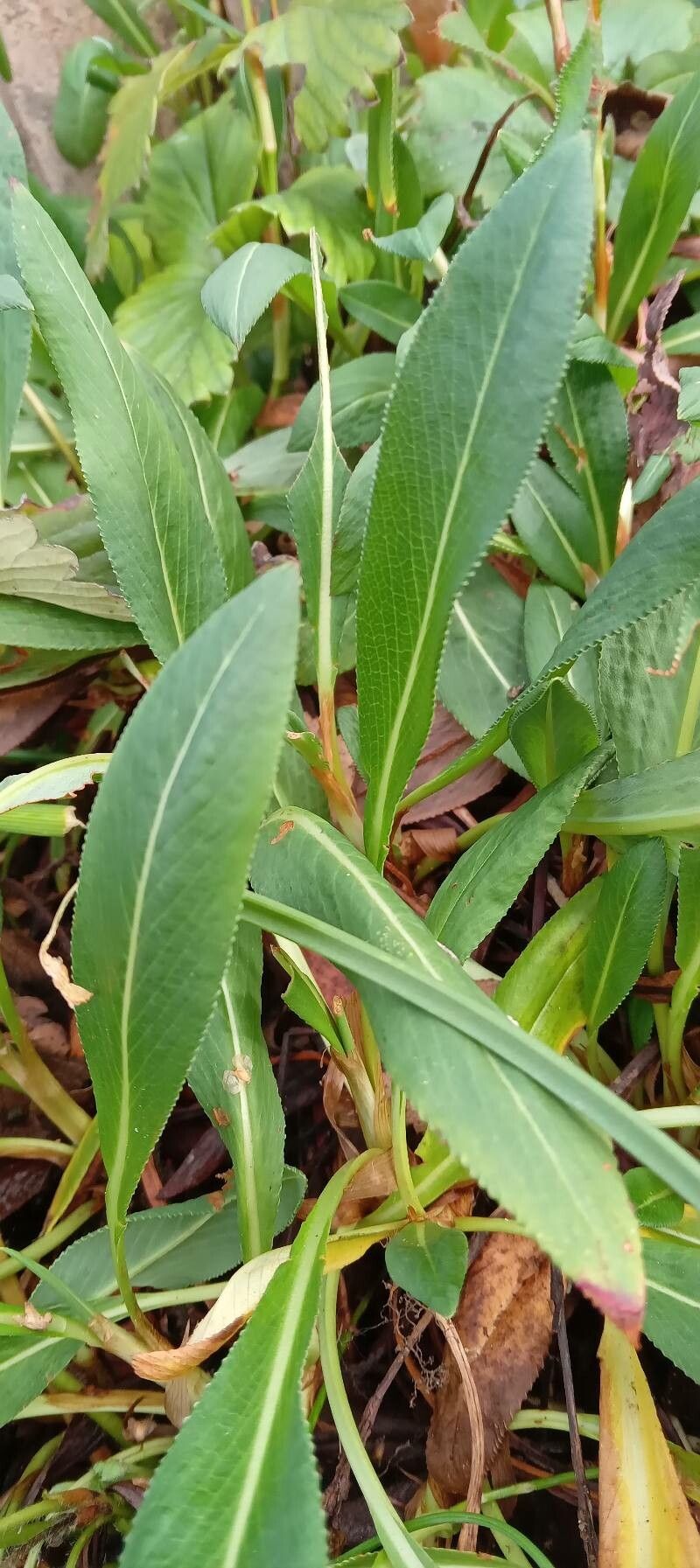
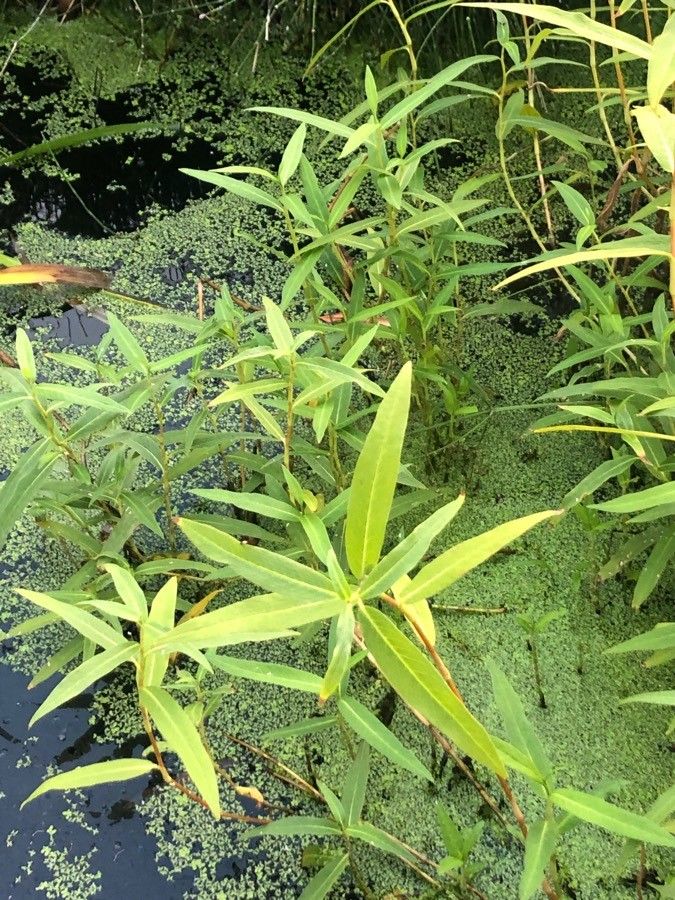
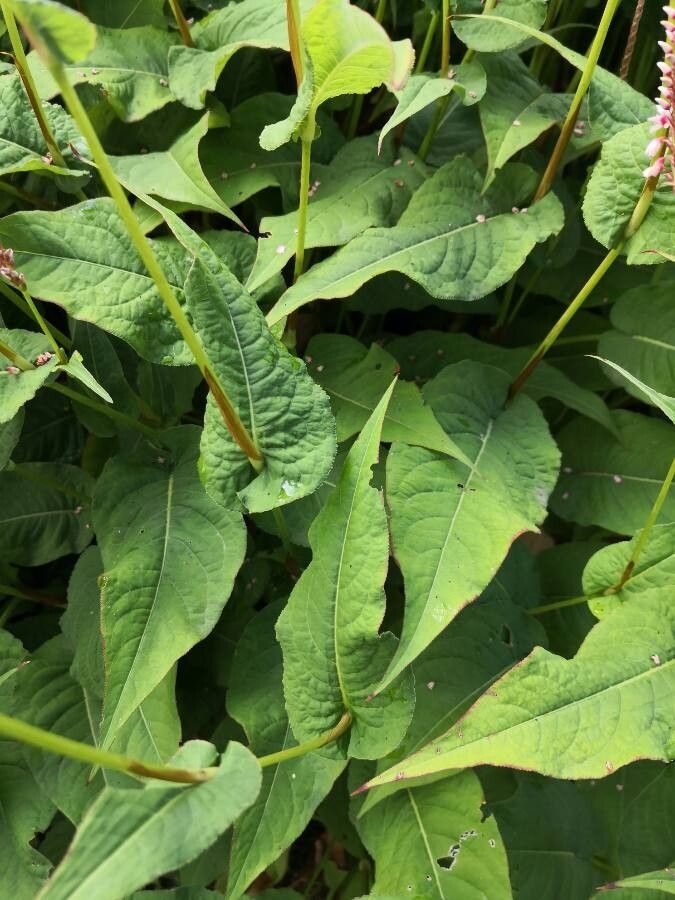
Persicaria glabra, commonly known as smooth smartweed, is a herbaceous perennial plant in the Polygonaceae family. Native to Asia, it thrives in various habitats such as wetlands, meadows, and forests. The plant can grow up to 1 meter tall and features lance-shaped leaves that are smooth and glossy green. Its small, pinkish-white flowers are arranged on long spikes that bloom from summer through fall.
For centuries, Persicaria glabra has been utilized for its medicinal properties, particularly its anti-inflammatory effects. Traditionally, it has been used to treat ailments including diarrhea, dysentery, fever, and coughs.
The plant is also prized for its ornamental value, thanks to its attractive foliage, making it a popular choice among gardeners. It can be grown in full sun or partial shade with well-drained soil.
Overall, Persicaria glabra is a versatile plant with both medicinal and ornamental value, making it an excellent addition to any garden or landscape design project.
Puerto Rico smartweed has strong disease resistance and is generally not prone to illnesses. However, it can be affected by pests and diseases present in its surroundings. Such infections are typically not severe. In terms of care, this plant needs moderate maintenance. It should be pruned regularly to maintain a good appearance and support healthy growth. Fertilizing can also help encourage flowering. Puerto Rico smartweed is suitable for anyone with outdoor space, such as a garden or patio, and does not demand extensive care experience. It may need more attention when grown indoors.
How to keep Persicaria Glabra.
Light
Puerto Rico smartweed comes from bright, open habitats and performs best in full sun. It will tolerate partial shade but favors direct sunlight for optimal growth. This plant, which can be annual or biennial, is known for its sun-loving tendencies.
Water
Puerto Rico smartweed, a plant native to wetlands, thrives in moist soil and high humidity. To ensure optimal growth, it should be watered every two weeks. As an herbaceous perennial, its growth and summer blooming are heavily influenced by the availability of water.
Temperature
Puerto rico smartweed comes from tropical areas, where the climate is usually warm and humid. Because of this, it is well suited to high temperatures and humidity. It does not respond well to abrupt temperature shifts and prefers a steady temperature, so avoiding indoor temperature fluctuations is important. It generally cannot tolerate cold and needs warmer conditions to grow. If the surrounding temperature falls too low, the plant may stop growing or even die.
Fertilizer
Puerto rico smartweed does well with regular, light applications of fertilizer to encourage healthy leaf development. Fertilize Puerto rico smartweed about once a month in the summer. Nitrogen is important for foliage, and adding nitrogen-rich sources helps Puerto rico smartweed thrive.
Pruning
Puerto Rico smartweed has fibrous stems and attractive foliage. Prune it in early to late spring to promote growth. Use sharp shears to make precise cuts just above the nodes. This practice enhances the plant's size and shape, improves airflow, and reduces the risk of disease. Additionally, it allows you to assess any winter damage, ensuring the plant is optimally prepared for the growing season.
Botanical profile.
- Plant Type
- Herb
- Life Cycle
- Annual, Perennial
- Genus
- Persicaria
- Family
- Polygonaceae
- Hardiness Zone
- 8-11
- Mature Height
- 49 cm to 91 cm
- Mature Spread
- 30 cm to 61 cm
- Leaf Color
- Green, Dark Green
- Leaf Type
- Semi-evergreen
- Flower Color
- White, Pink
- Flower Size
- 0.25 cm to 0.51 cm
- Bloom Time
- Summer, Fall
- Planting Time
- Spring, Summer, Autumn
- Harvest Time
- Late summer, Fall, Early winter
- Native Area
- Sri Lanka, India, Mexico, Guatemala, Madagascar, Pakistan, Dominican Republic, Yemen, Jamaica, Uruguay, Cuba, Paraguay, Indonesia, Haiti, Argentina, Venezuela, Brazil, Oman, Ethiopia, Central African Republic, Nepal, Saudi Arabia, Honduras, Georgia, Peru, Philippines, Sudan, Bangladesh, Laos, China, Colombia, Bolivia, Vietnam, Myanmar, Japan, Guyana, Nicaragua, Ecuador, Thailand
Other names.