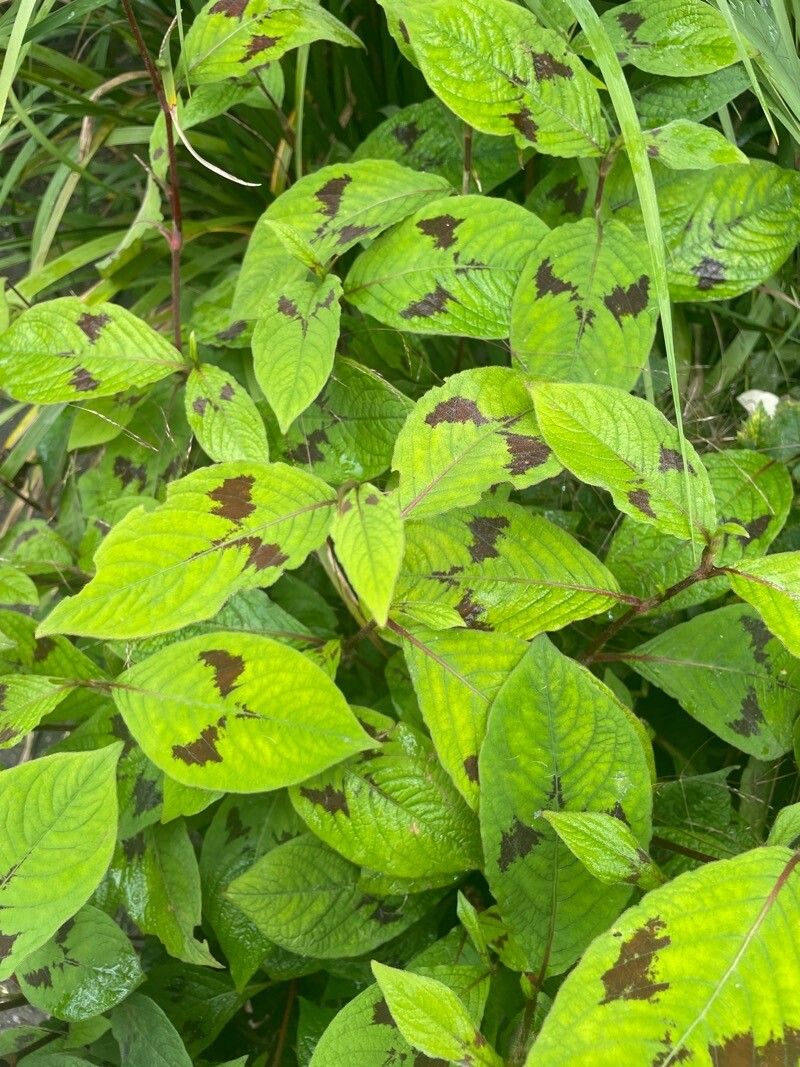
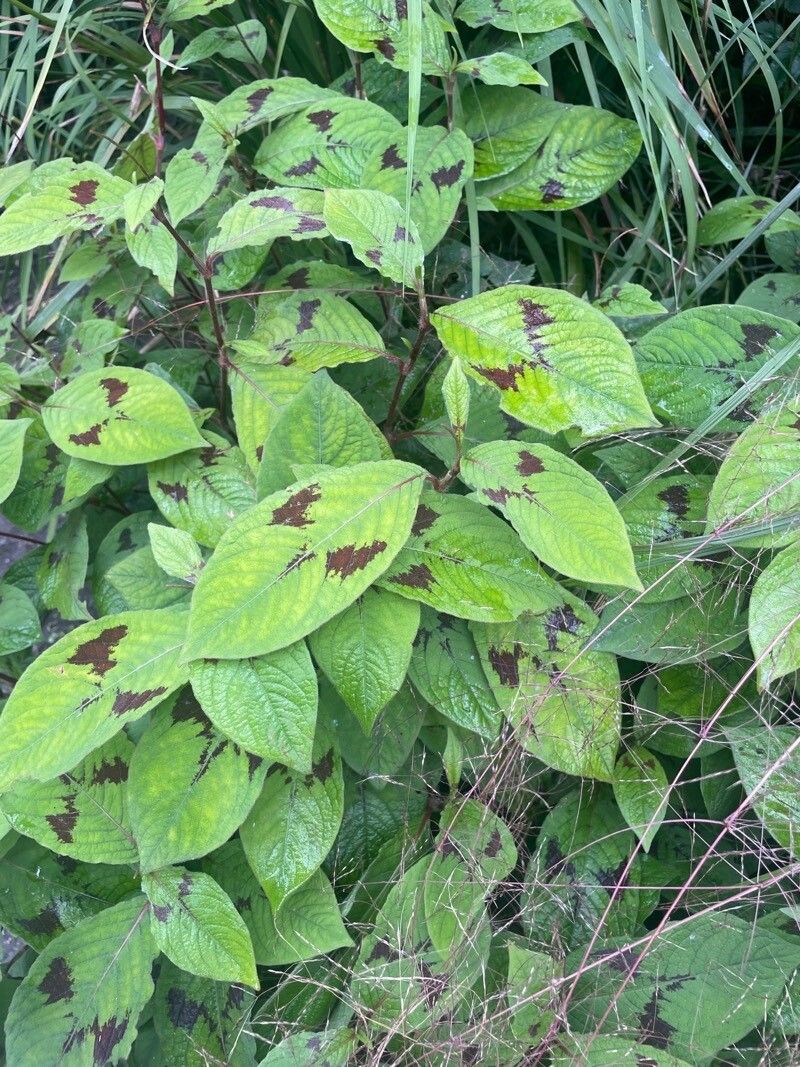
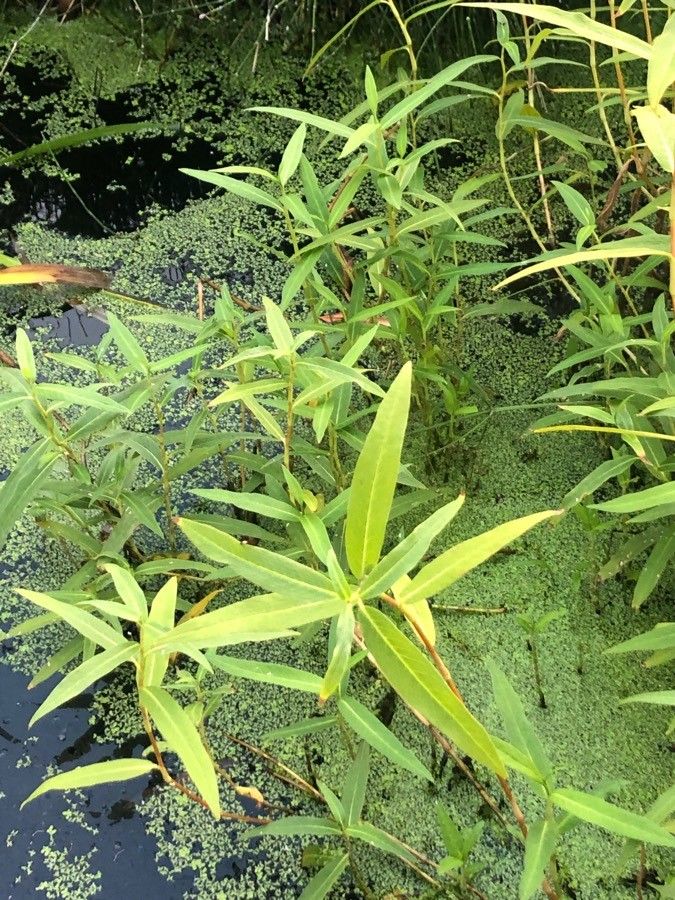
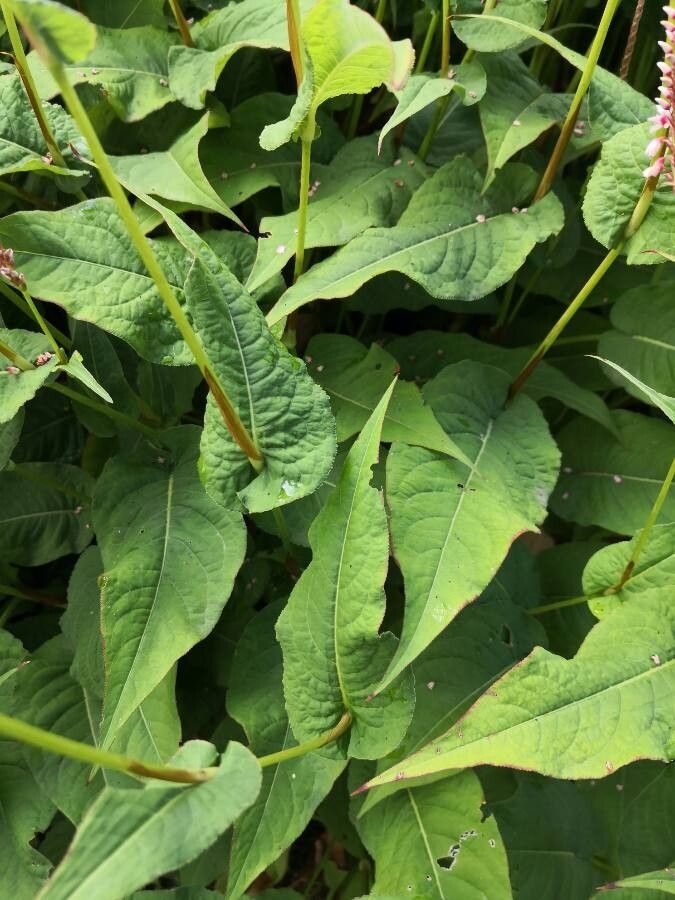
Persicaria filiformis is a species of flowering plant in the family Polygonaceae, native to the Kuril Islands, Japan, Korea, Myanmar, the Philippines and Vietnam. It was first described as Polygonum filiforme in 1784 by Carl Thunberg and transferred to the genus Persicaria in 1819 by Takenoshin Nakai. The species has been treated as the variety filiformis of Persicaria virginiana, a North American species. The leaves are light green, eliptical, and about 15 cm (5.9 in) long. They are commonly marked with a pair of brown spots near the center of the leaf.
Asian jumpseed is fairly disease-resistant and usually not prone to illness. However, it can be vulnerable to pests and diseases present in its surroundings. These infections tend to be mild. As for care, the plant needs moderate maintenance. It should be pruned regularly to keep a tidy appearance and support healthy growth. Fertilizing can also help encourage flowering. Asian jumpseed is suitable for anyone with outdoor space, such as a garden or patio, and does not require extensive care experience. When grown indoors, it may demand more attention.
How to keep Persicaria Filiformis.
Light
Asian jumpseed does best with abundant sunlight but can still grow in locations with moderate light. Because it comes from ecosystems rich in sunlight, it can withstand a high amount of sun. Too much sun exposure, or too little, can negatively impact its health and growth.
Water
Asian jumpseed thrives in moist environments and requires consistently hydrated and evenly moist soil. To support its growth, it should be watered weekly. Being an herbaceous perennial, it also benefits from natural rainfall, which promotes lush foliage during the growing season.
Temperature
Asian jumpseed can adjust to a broad range of temperatures, though its distribution may still be limited by different combinations of moisture and heat. It does best in warm summer climates with adequate rainfall or watering. Extended periods of cloudy, rainy weather or prolonged high temperatures can raise the likelihood of Asian jumpseed dying. In winter, proper protection from cold can increase the plant's chances of survival.
Fertilizer
One spring application of fertilizer is generally enough for Asian jumpseed, though multiple feedings can maximize growth. Fertilize about once a month to every six weeks. Feeding improves the leaves' appearance and function, helping maintain even color and a healthy texture. It also encourages root development and nutrient uptake for the plant's long-term health.
Pruning
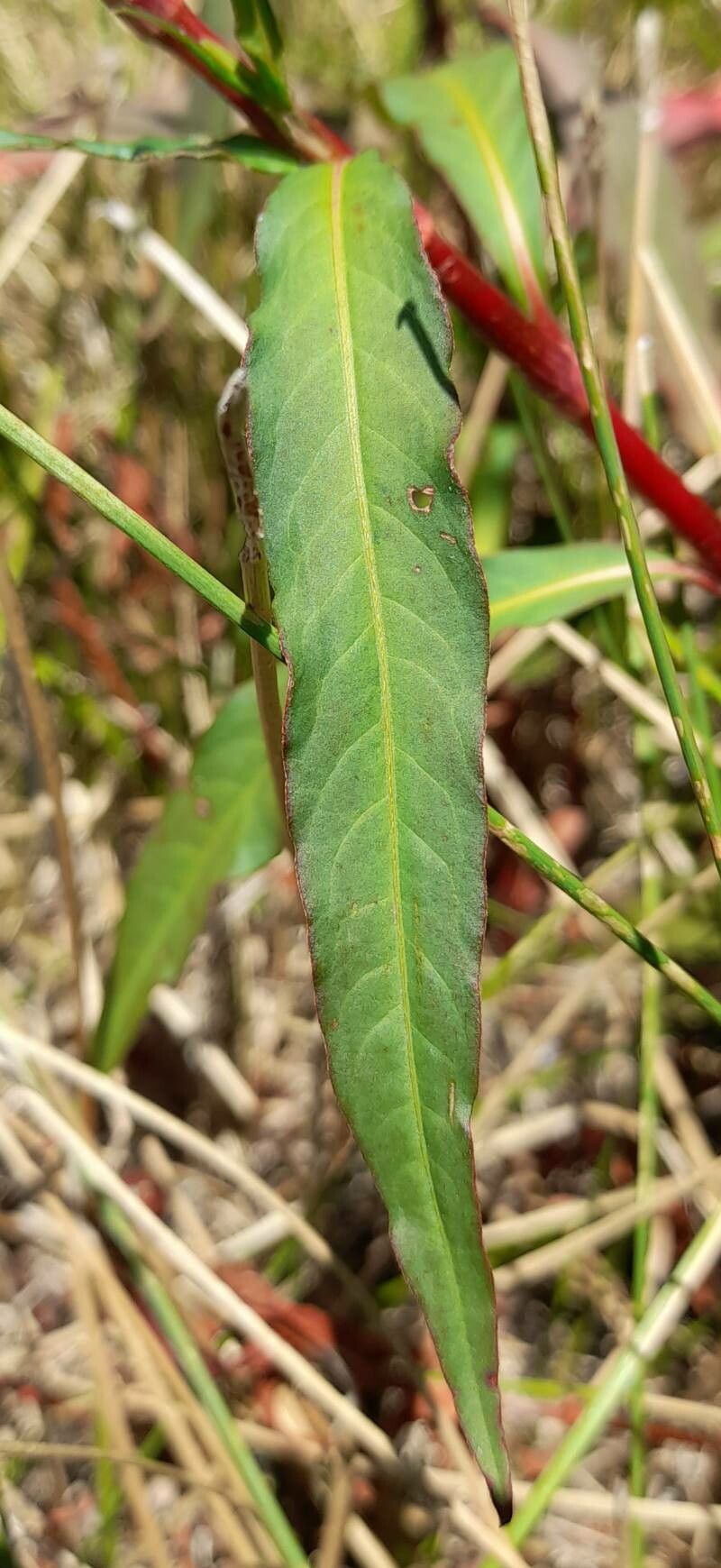
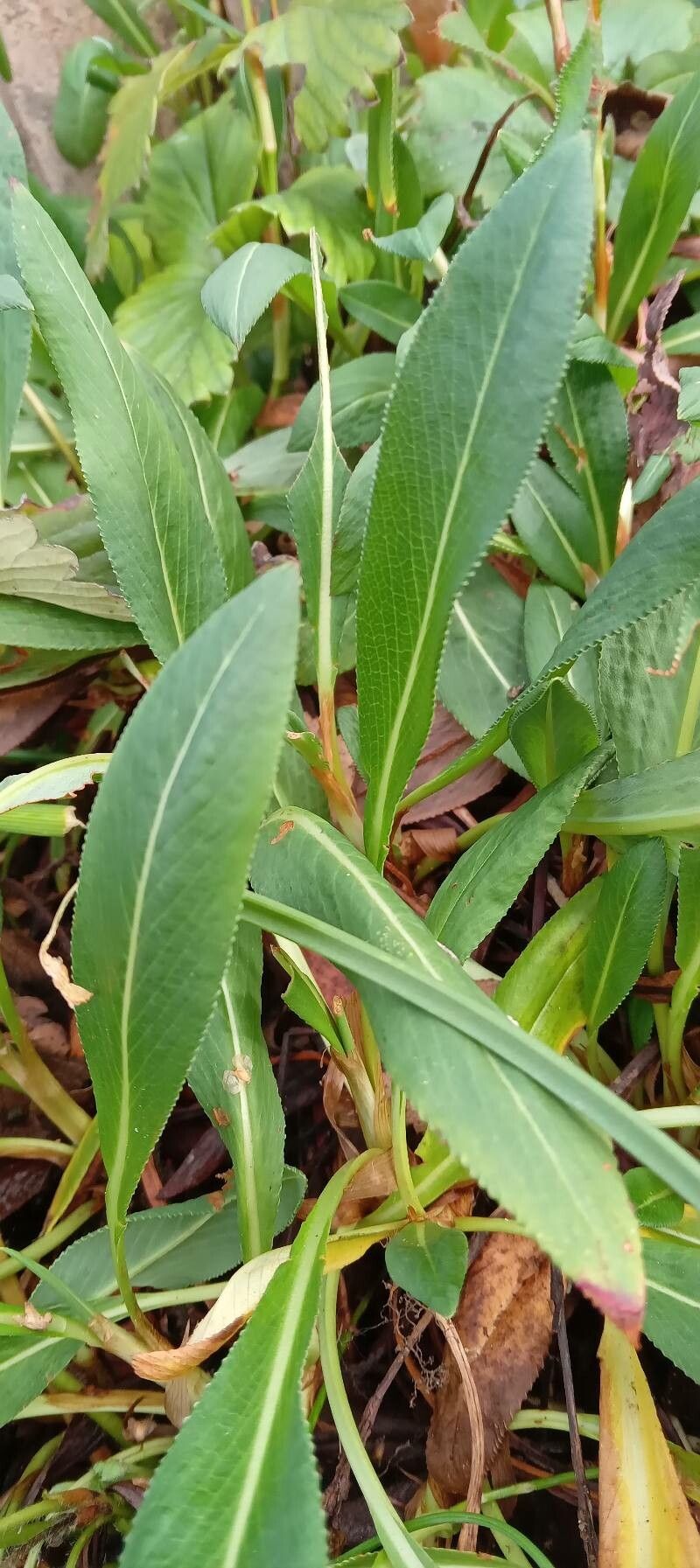
Asian jumpseed has arching stems and elongated leaves. To maintain its health and appearance, prune this plant from early to late spring, removing any dead stems to encourage new growth. Thinning also promotes better airflow, and pruning after flowering can enhance future blooms. To minimize the risk of disease and improve the plant's vigor and aesthetics, use clean tools and make precise cuts.
Botanical profile.
- Plant Type
- Herb
- Life Cycle
- Perennial
- Genus
- Persicaria
- Family
- Polygonaceae
- Hardiness Zone
- 8-10
- Mature Height
- 61 cm
- Mature Spread
- 91 cm
- Leaf Color
- Green, Blue
- Leaf Type
- Deciduous
- Flower Color
- White, Pink
- Flower Size
- 0.25 cm to 0.51 cm
- Bloom Time
- Early summer, Mid summer
- Planting Time
- Spring
- Harvest Time
- Mid summer
- Native Area
- Russia, India, Vietnam, Myanmar, Japan, Philippines, Koppen, Bhutan, Pakistan, South Korea, China
Other names.