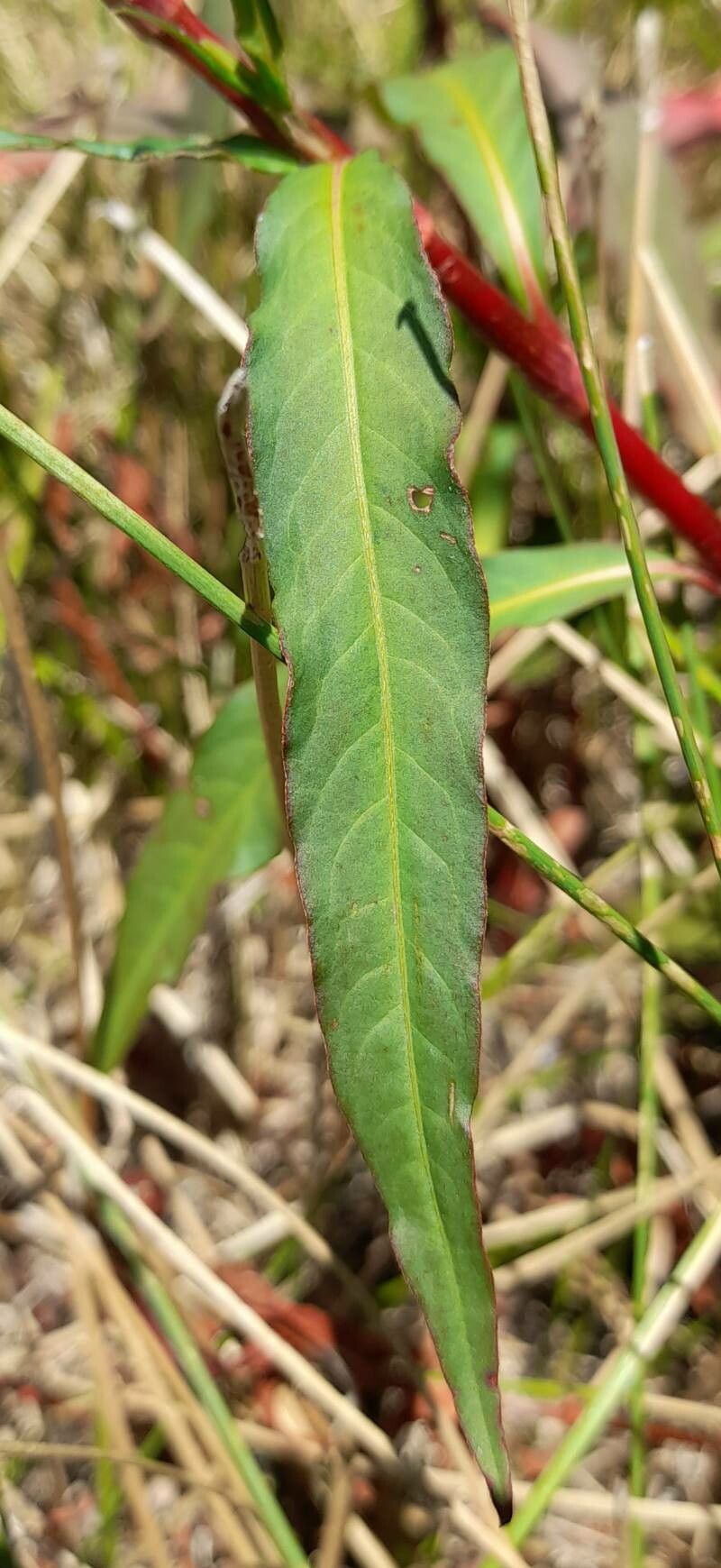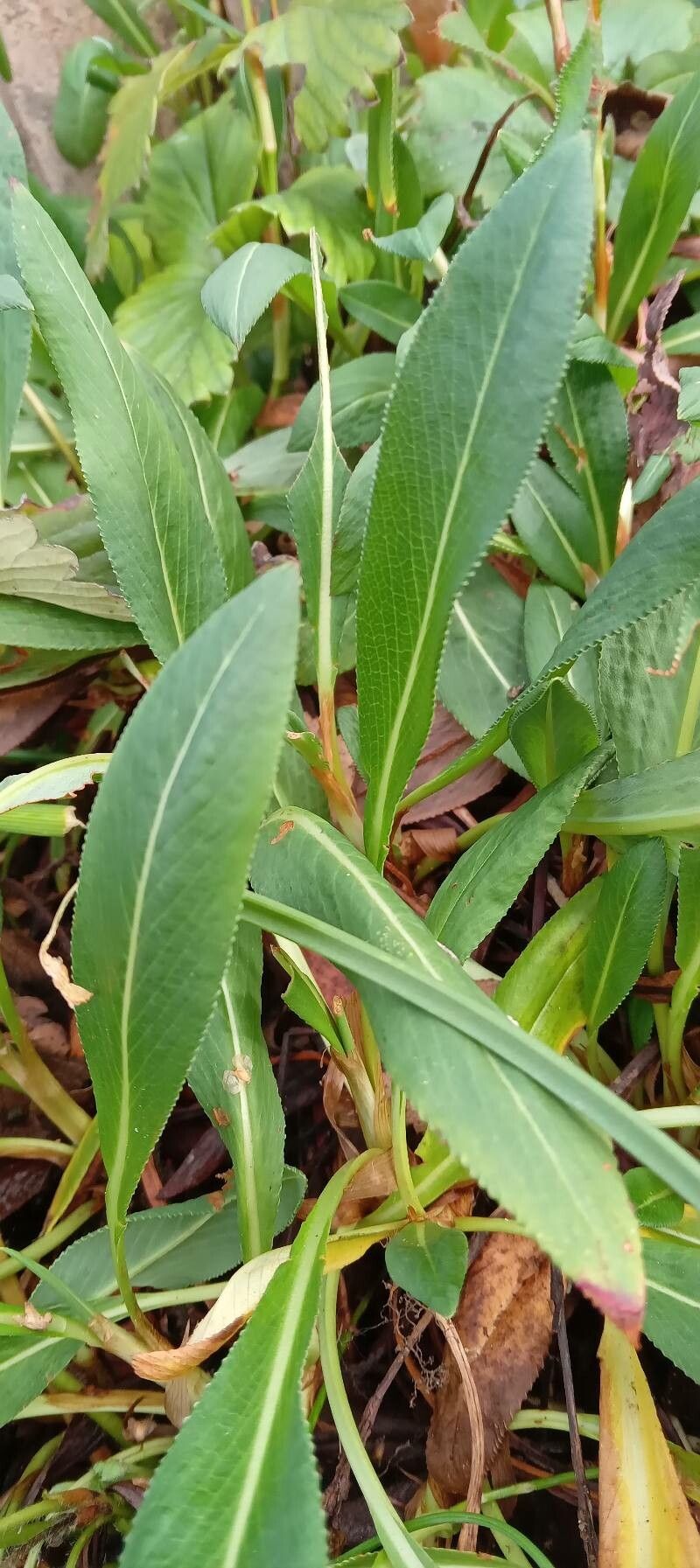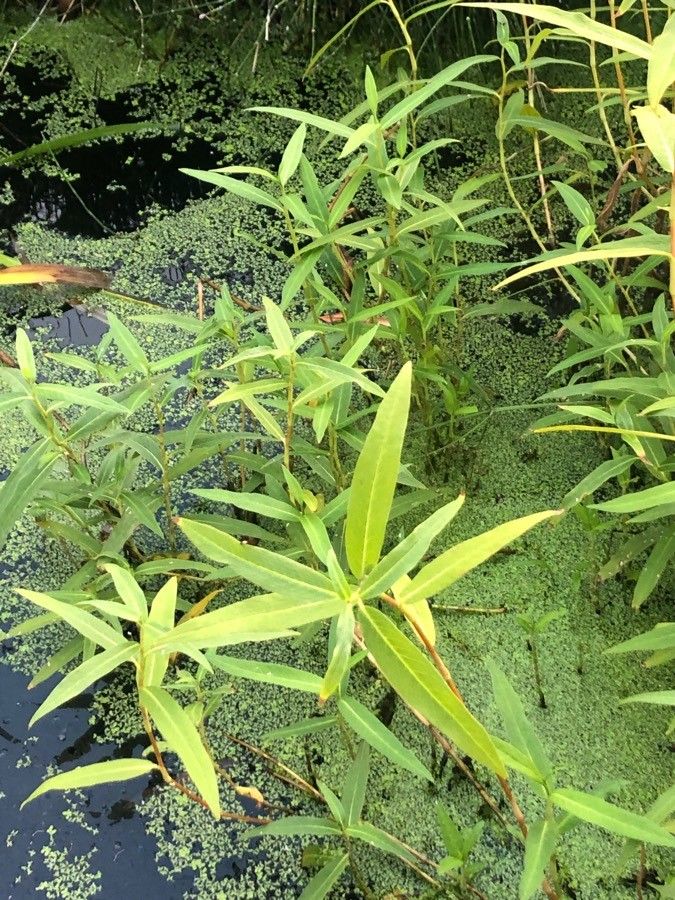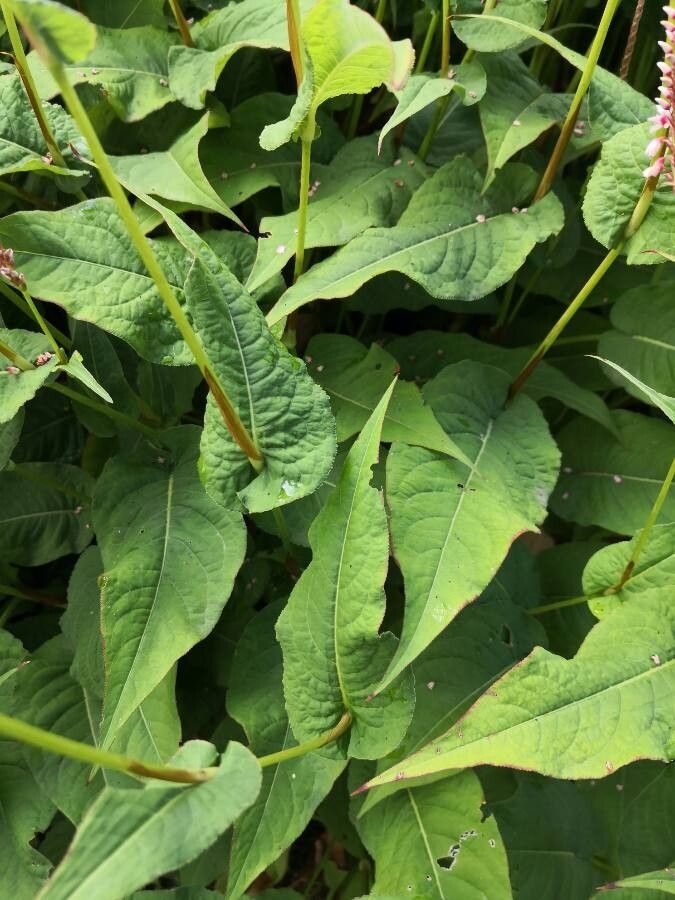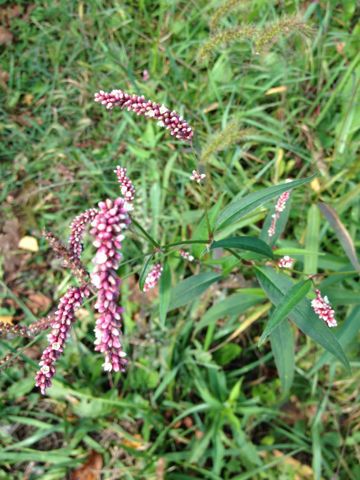
Carey's smartweed is fairly disease-resistant and typically not prone to illnesses. However, it can be vulnerable to pests and diseases present in its environment. These problems are usually mild. In terms of care, the plant requires moderate maintenance. It should be pruned regularly to preserve its appearance and encourage healthy growth. Fertilizing can also help stimulate flowering. Carey's smartweed is suitable for anyone with an outdoor area, such as a garden or patio, and does not demand extensive care experience. When grown indoors, it may need more attention.
How to keep Persicaria Careyi.
Light
Carey's smartweed is native to habitats that have patchy sunlight, like the lower levels of forests or rocky regions that offer natural shadow. It flourishes in semi-sunlit conditions, but can also accommodate itself to fully sunlit circumstances.
Water
Carey's smartweed thrives in moist environments and requires regular watering—ideally twice a week—to support its growth without becoming over-saturated. As a herbaceous perennial, it benefits from rainwater during the growing season, which enhances its hydration and promotes optimal development.
Temperature
Carey's smartweed possesses the capacity to adjust to varied temperature circumstances, however, its spread could still be constrained by diverse mixtures of heat and water conditions. It performs optimally in hot climates during the summer, given that there is sufficient rainfall or irrigation. Extended bouts of overcast and wet weather, together with prolonged extreme heat, can enhance the chances of Carey's smartweed perishing. Throughout the winter, shielding the plant properly from the cold can enhance its chances of surviving.
Fertilizer
Regular, low-strength applications of fertilizer can assist in the healthy growth of leaves in Carey's smartweed. It's best to provide fertilizer to Carey's smartweed roughly once every month over the summer season. Nitrogen plays an essential role in leaf development, and using nitrogen-rich supplementation aids in the flourishing of Carey's smartweed.
Pruning
Carey's smartweed is known for its attractive foliage and compact flowers. To maintain its health and encourage growth, it is best to prune in early to late spring. This timing helps remove dead stems and aligns with the plant's natural growth cycle. Regular pruning helps maintain the plant's shape, enhances air circulation, and reduces the risk of disease. Be sure to use clean, sharp tools for more effective cuts.
Botanical profile.
- Plant Type
- Herb
- Life Cycle
- Annual
- Genus
- Persicaria
- Family
- Polygonaceae
- Hardiness Zone
- 4-8
- Mature Height
- 0.3 m to 1.22 m
- Mature Spread
- 30 cm to 61 cm
- Leaf Color
- Green
- Leaf Type
- Deciduous
- Flower Color
- Pink
- Flower Size
- 0.25 cm to 0.51 cm
- Bloom Time
- Summer
- Planting Time
- Spring, Summer, Autumn
- Harvest Time
- Late summer, Early fall, Mid fall