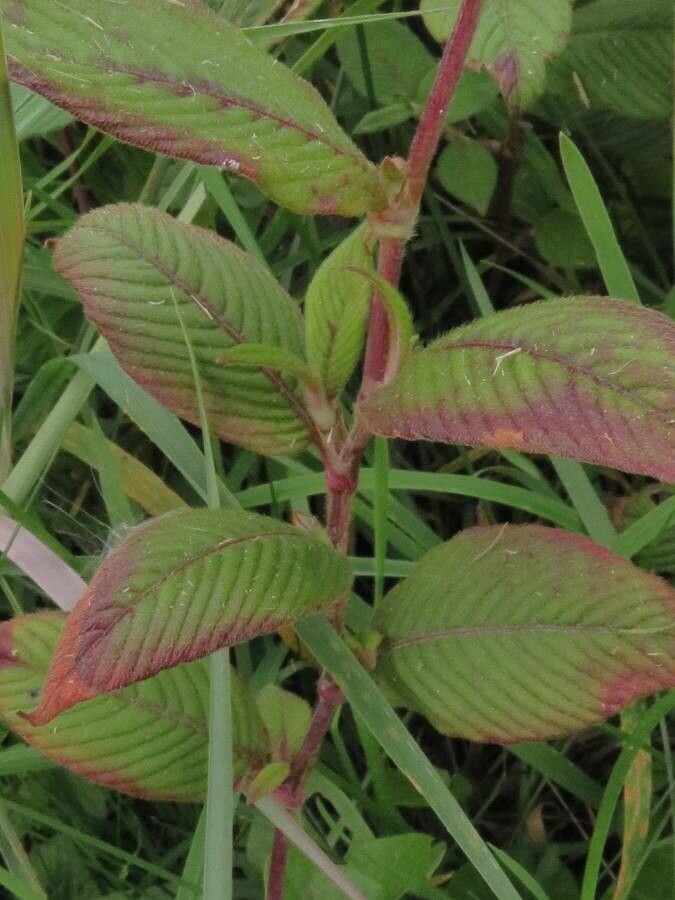
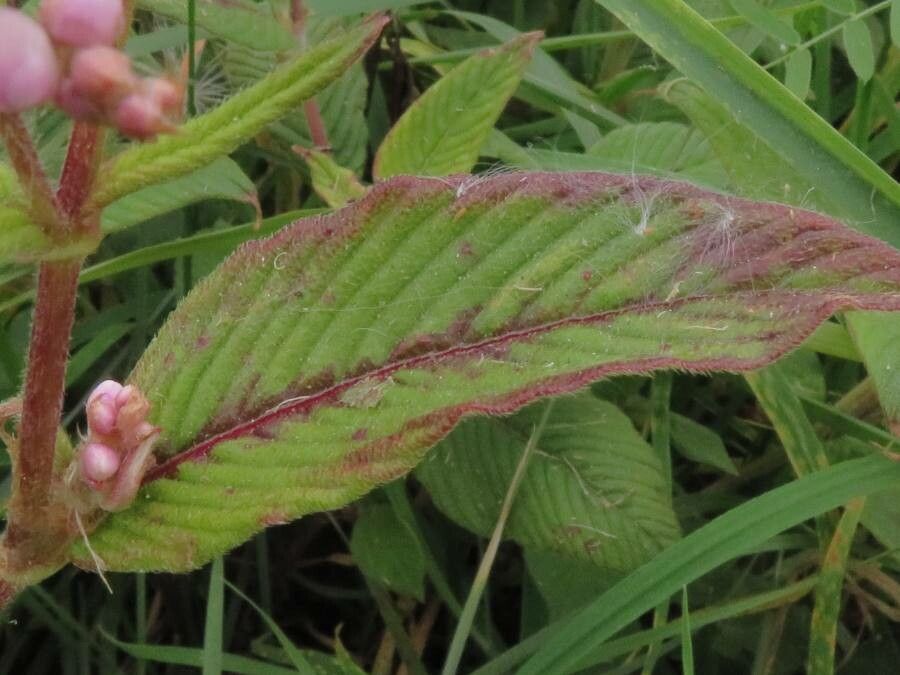
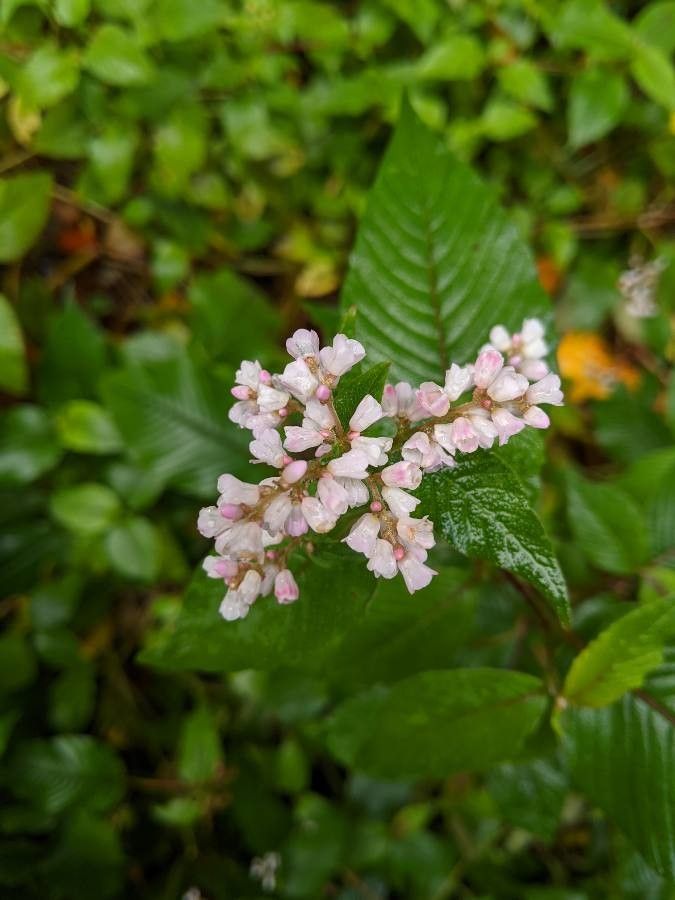
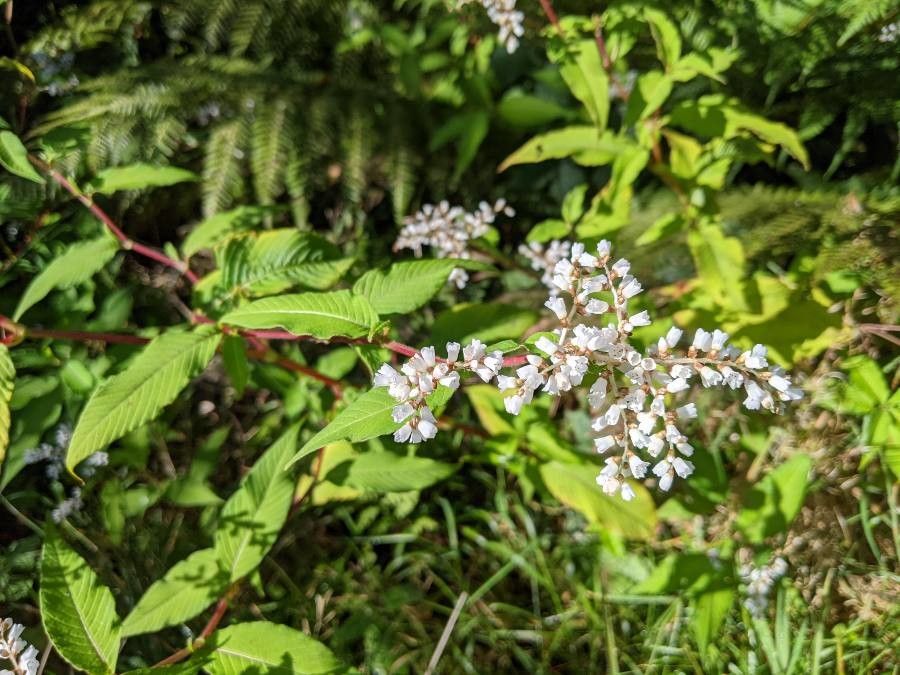
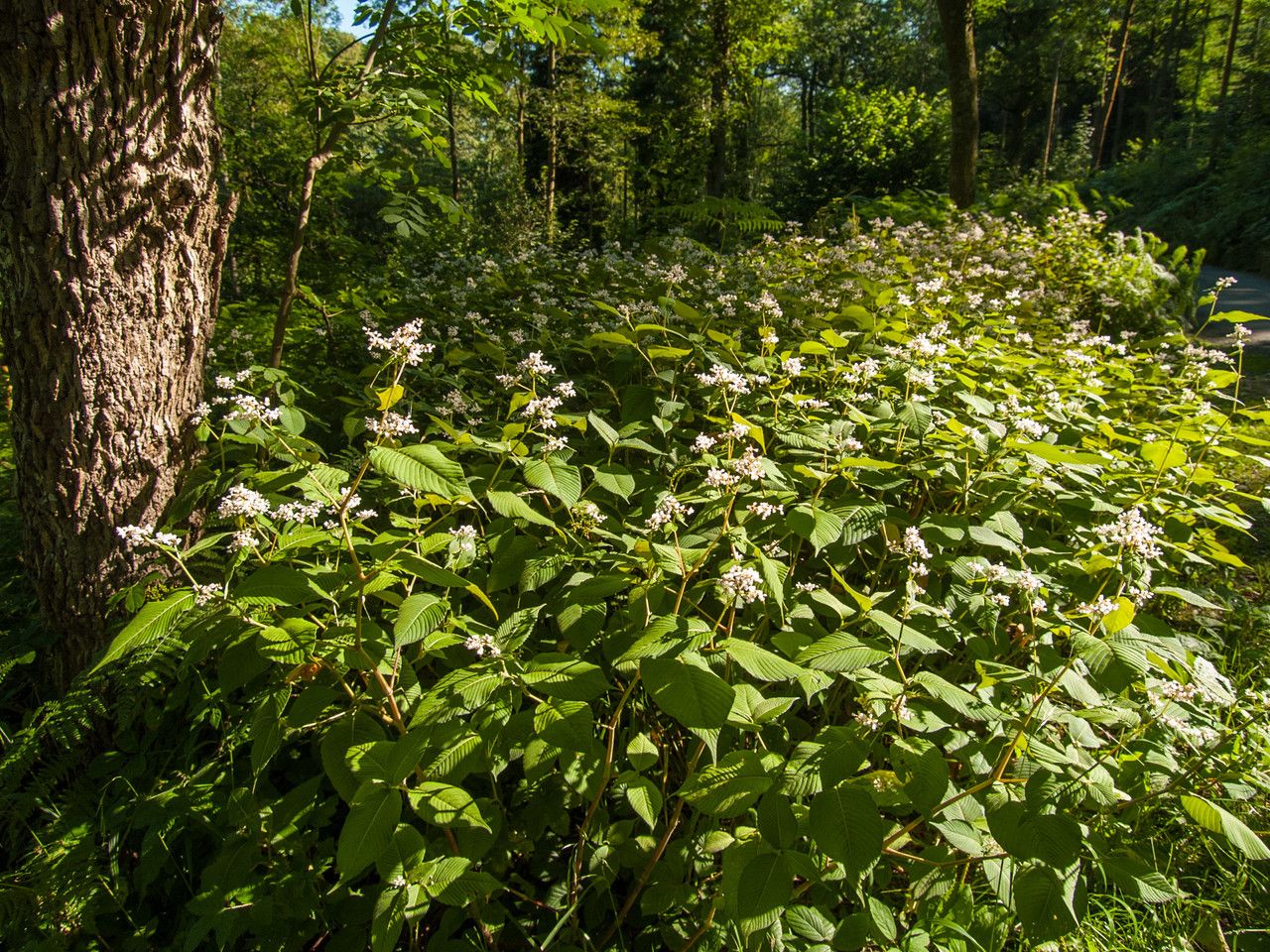
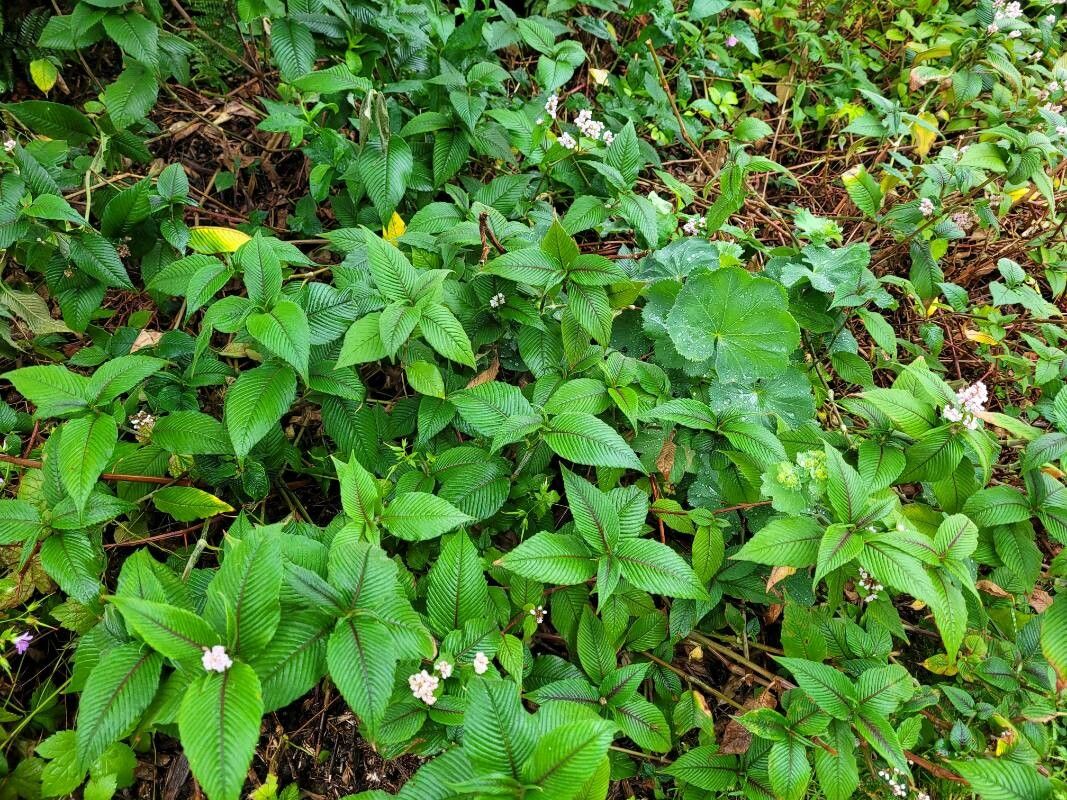
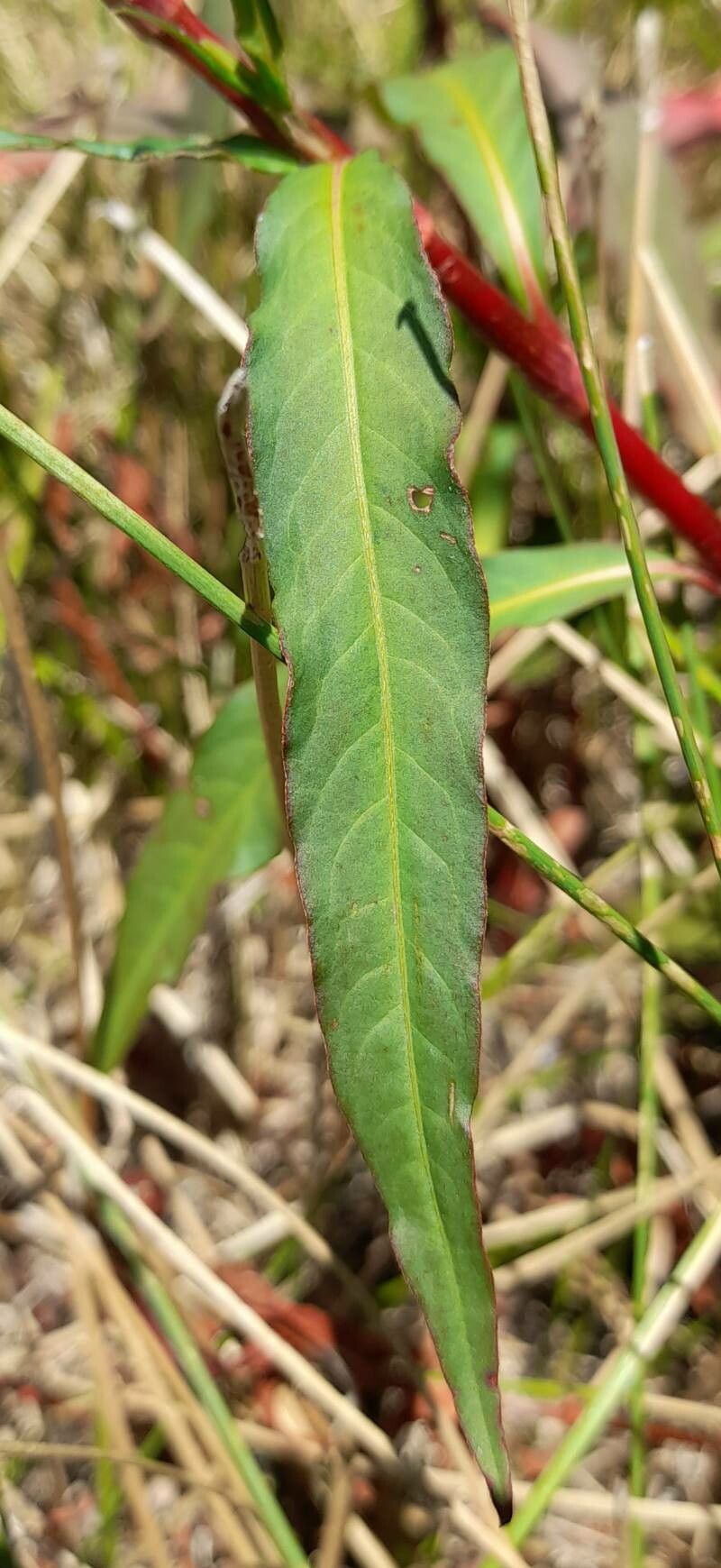
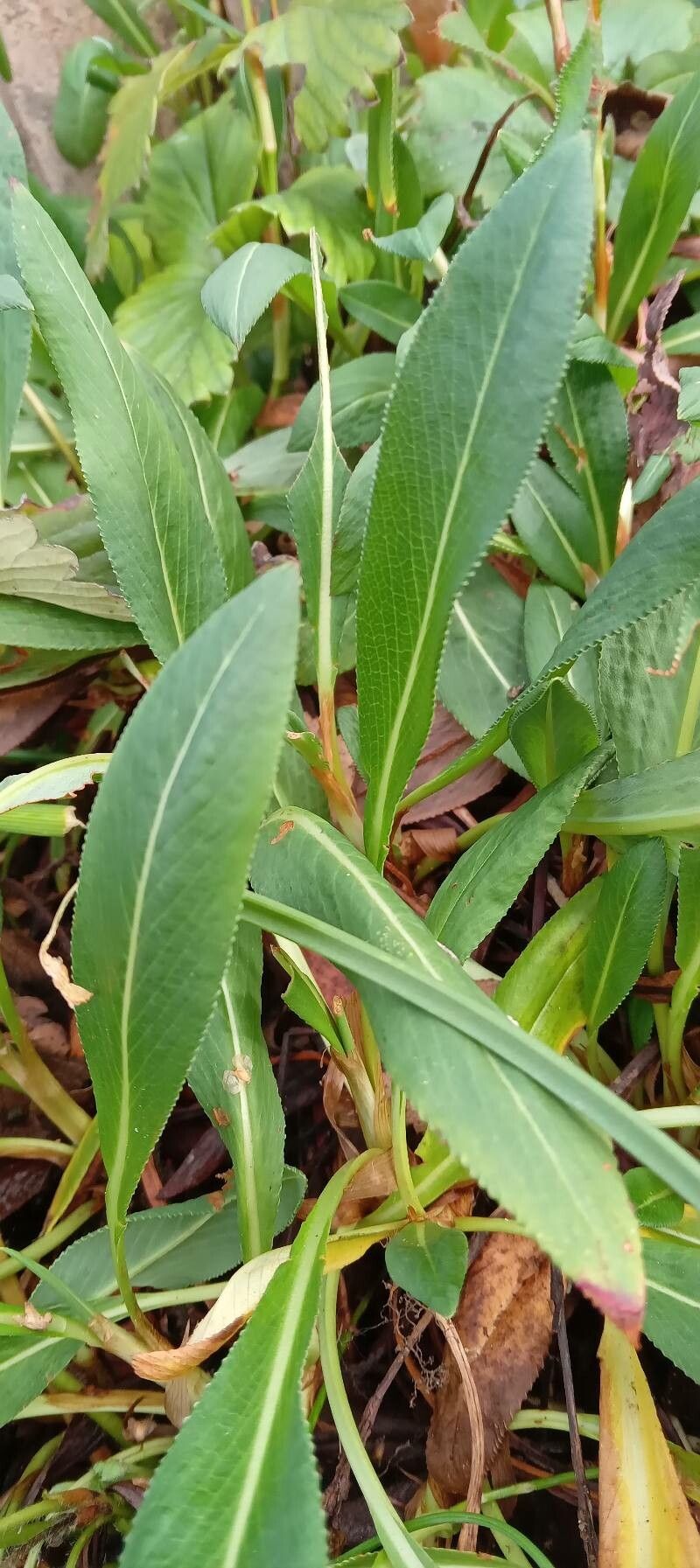
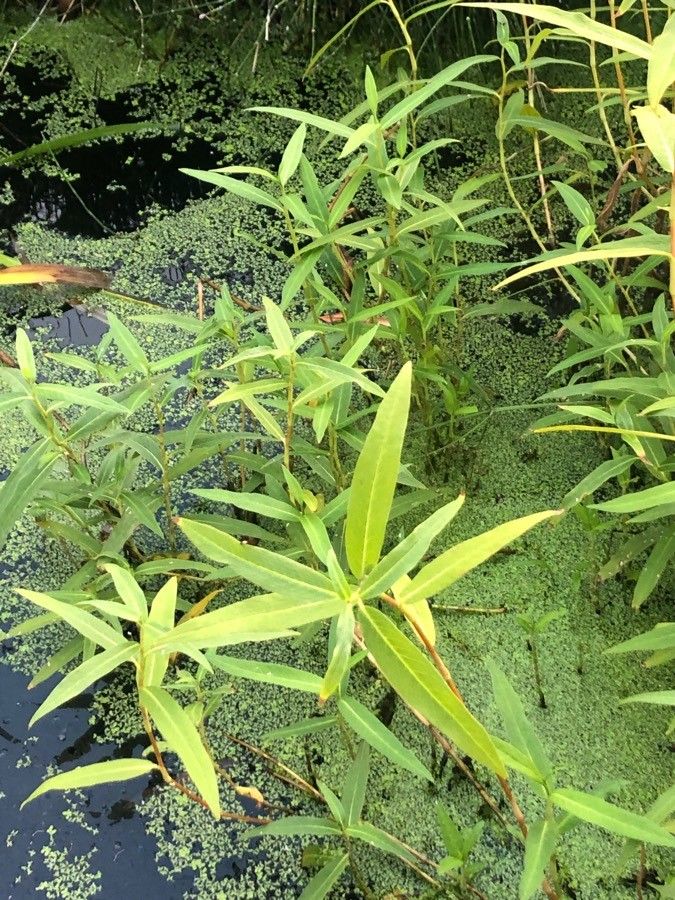
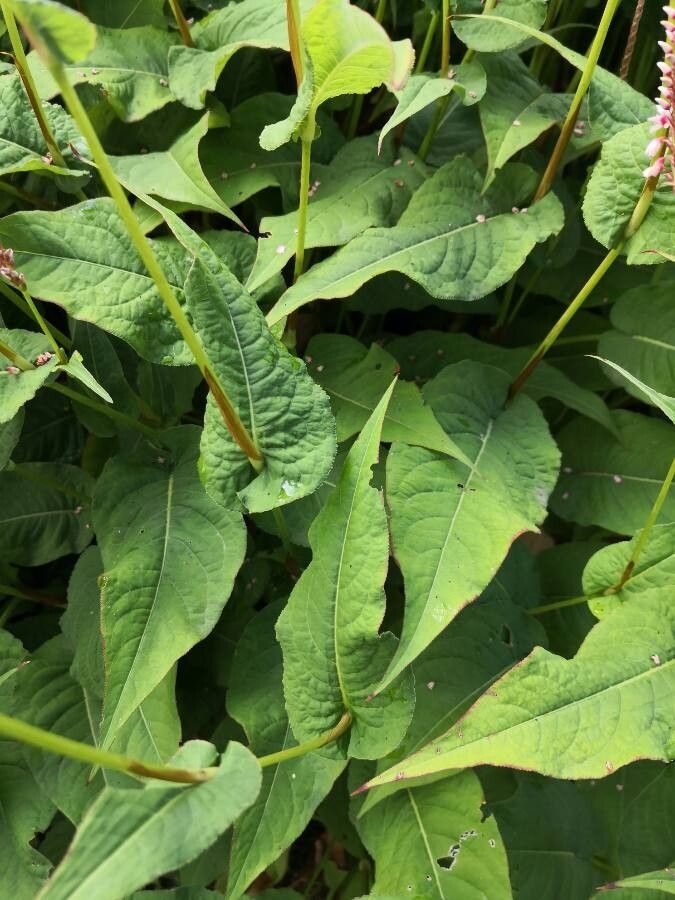
Koenigia campanulata is a species of flowering plant in the family Polygonaceae. It is native to China (Guizhou, west Hubei, Sichuan, Yunnan and Tibet), Bhutan, north Myanmar, Nepal and Sikkim. It has been introduced into south Chile, Great Britain and Ireland.
Lesser Knotweed shows strong resistance to disease and is typically not prone to illnesses. Still, it can be vulnerable to pests and diseases present in its environment. Such infections are generally mild. Regarding maintenance, this plant needs a moderate level of care. It should be pruned on a regular basis to preserve an attractive appearance and healthy growth. Applying fertilizer can also help encourage flowering. Lesser Knotweed is well suited for anyone with outdoor areas like a garden or patio and does not demand extensive care experience. It may need more attention when cultivated indoors.
How to keep Persicaria Campanulata.
Light
Lesser Knotweed occurs naturally in habitats like forest understories and rocky areas, where it grows in natural shade. It prefers partial sun but can tolerate full sun or full shade, demonstrating its versatility and hardiness.
Fertilizer
One fertilizer application in spring is generally enough for Lesser Knotweed, though repeated feedings can help achieve maximum growth. Apply fertilizer every month to six weeks. Fertilizing improves the leaves' appearance and function, helping maintain even color and a healthy texture. It also promotes root development and better nutrient uptake for the plant's long-term health.
Botanical profile.
- Plant Type
- Herb
- Life Cycle
- Perennial
- Genus
- Persicaria
- Family
- Polygonaceae
- Hardiness Zone
- 7-9
- Mature Height
- 91 cm
- Mature Spread
- 91 cm
- Leaf Color
- Green, Brown
- Leaf Type
- Deciduous
- Flower Color
- White, Pink
- Flower Size
- 0.25 cm to 0.51 cm
- Bloom Time
- Early summer, Mid summer
- Planting Time
- Spring, Summer, Autumn
- Harvest Time
- Late summer, Early fall
- Native Area
- Nepal, India, Myanmar, Bhutan, China
Other names.