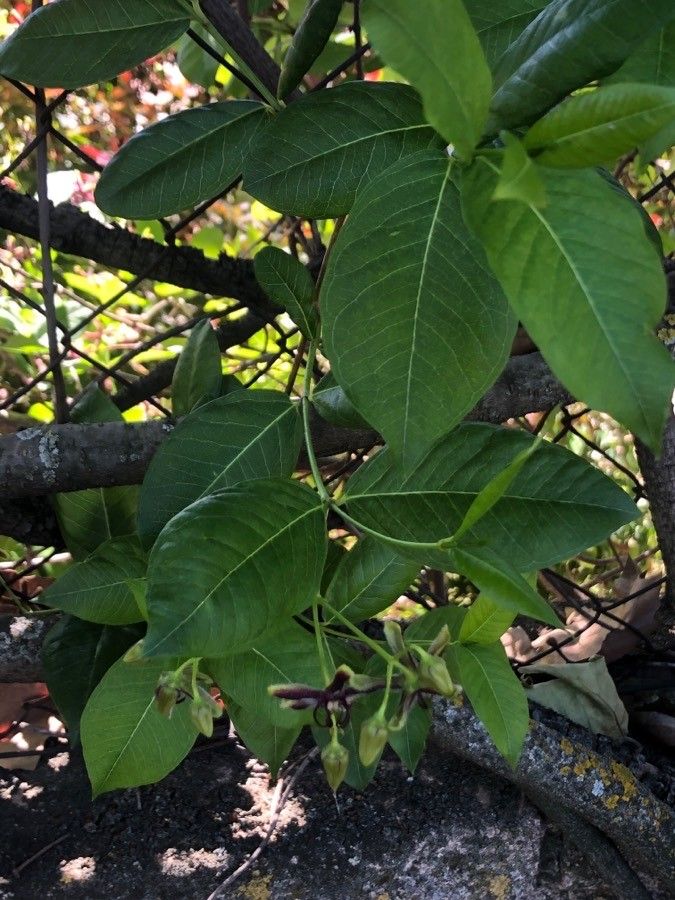
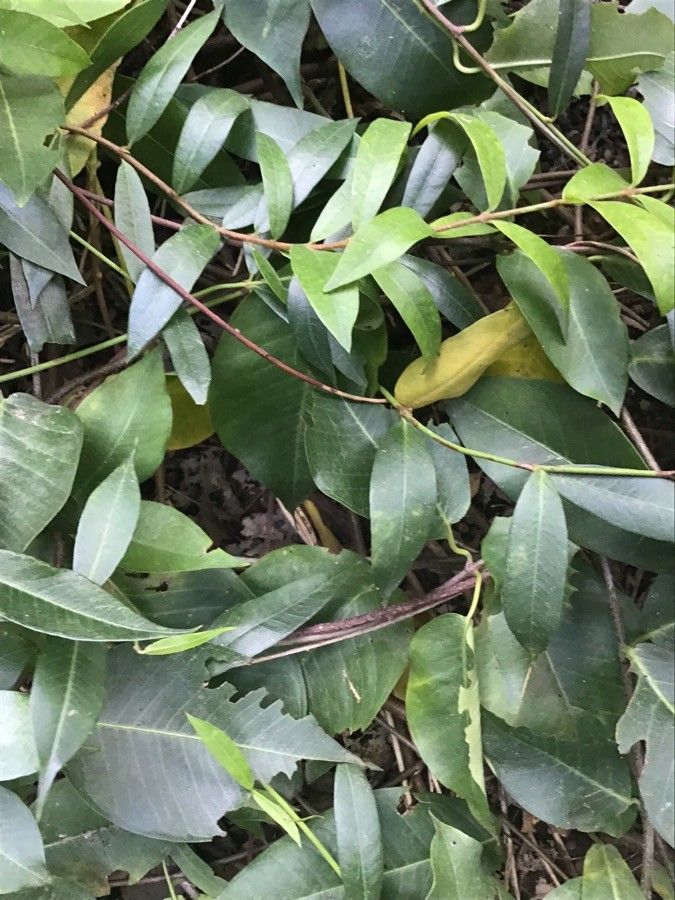
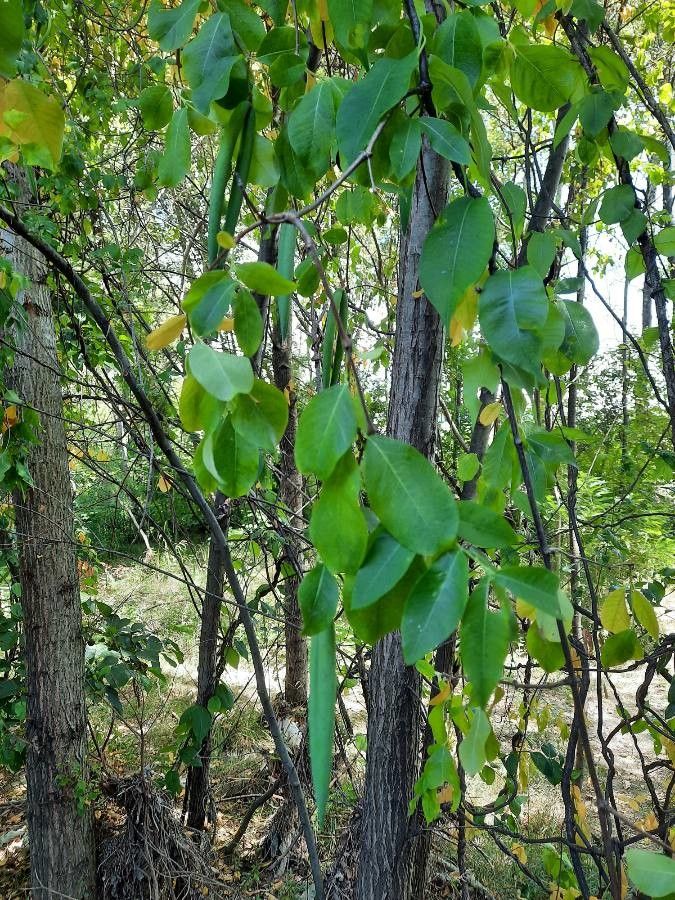
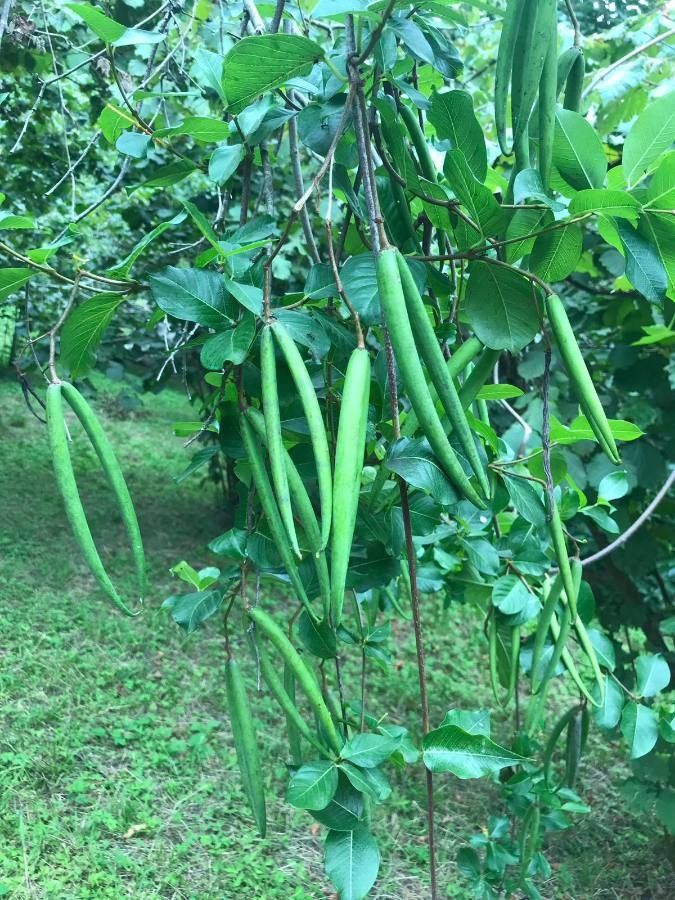
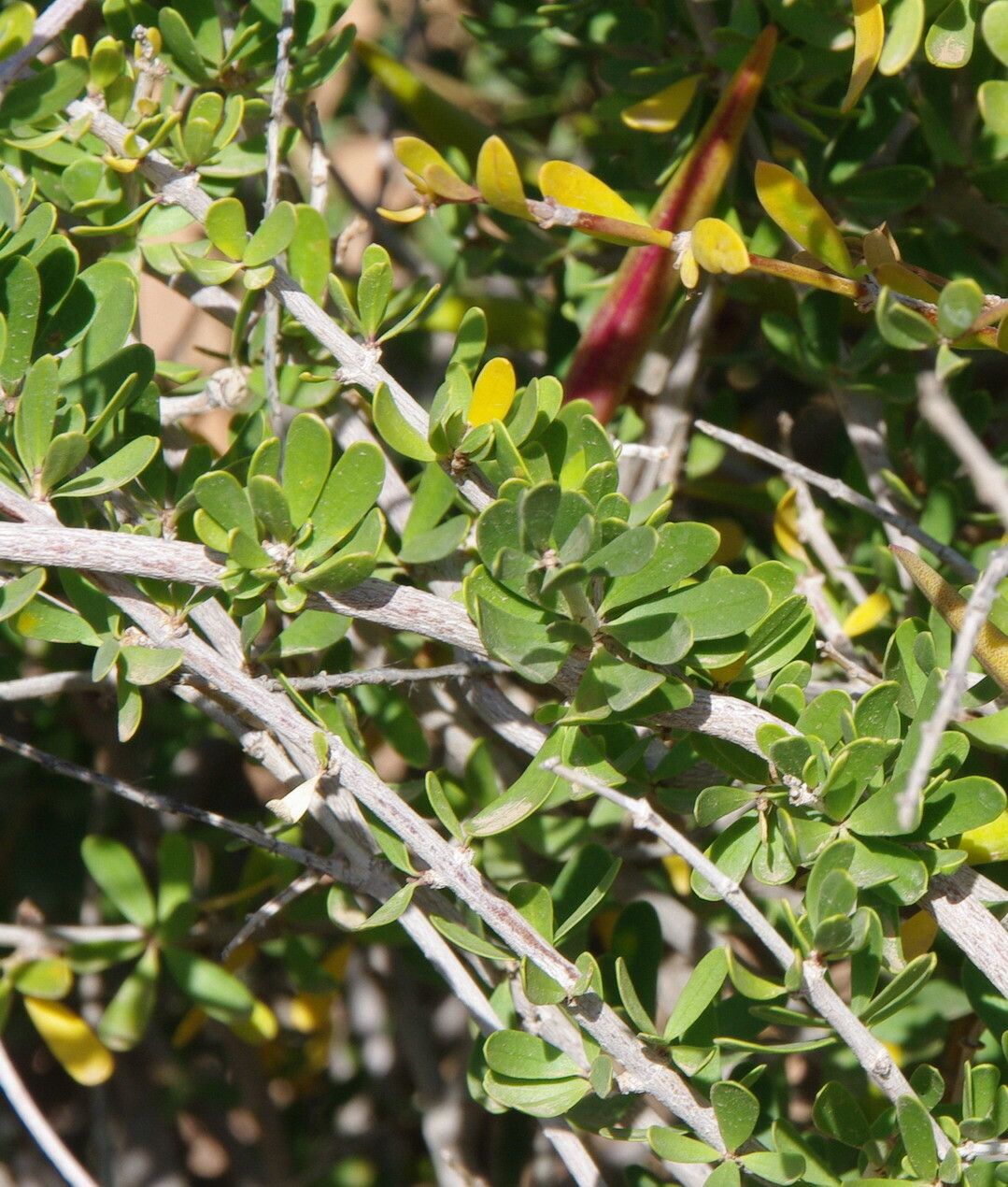
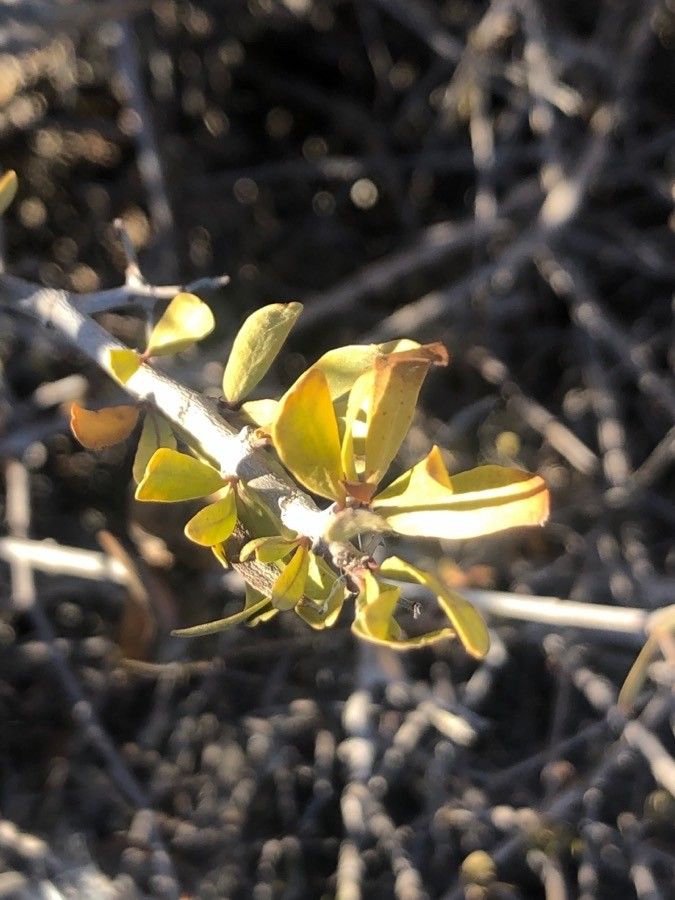
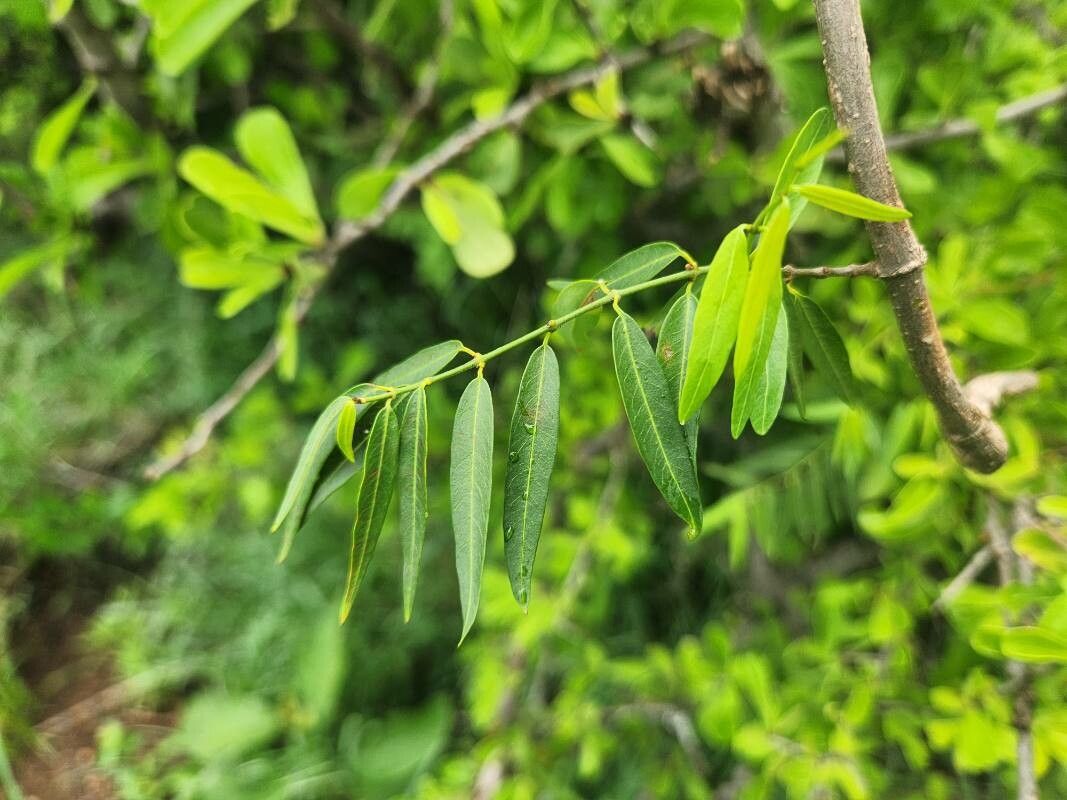
Periploca graeca, commonly known as the Greek silk vine, is a deciduous climbing plant belonging to the family Apocynaceae. Native to southern Europe and western Asia, it can grow up to 5 meters in height. The plant features a woody stem with twining branches covered in fine hairs.
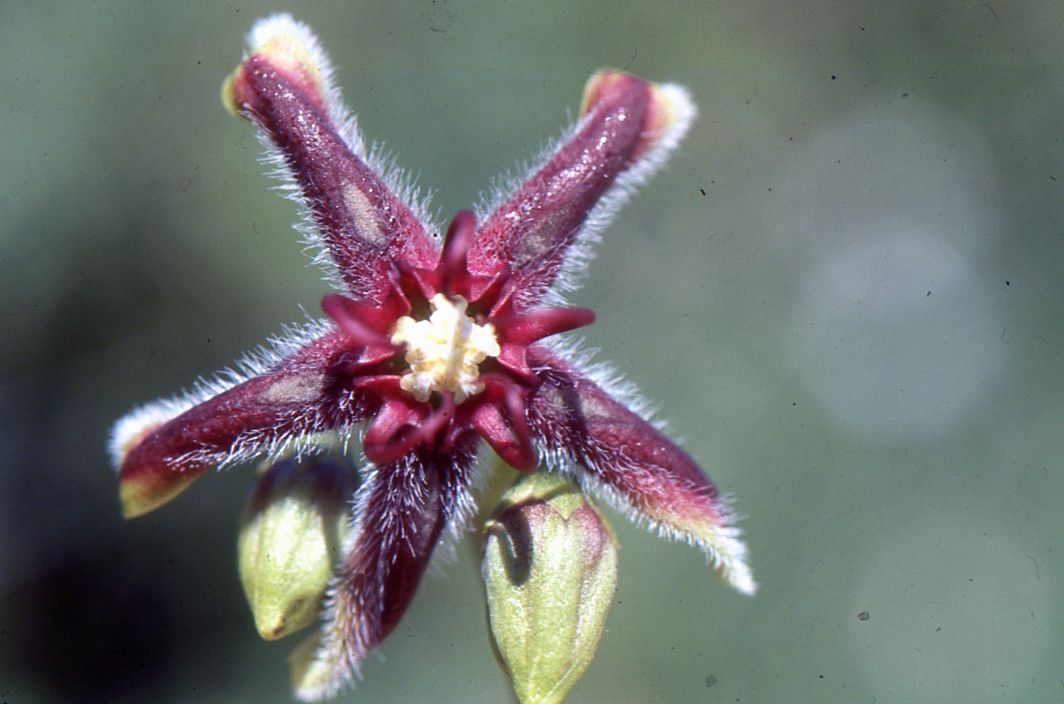
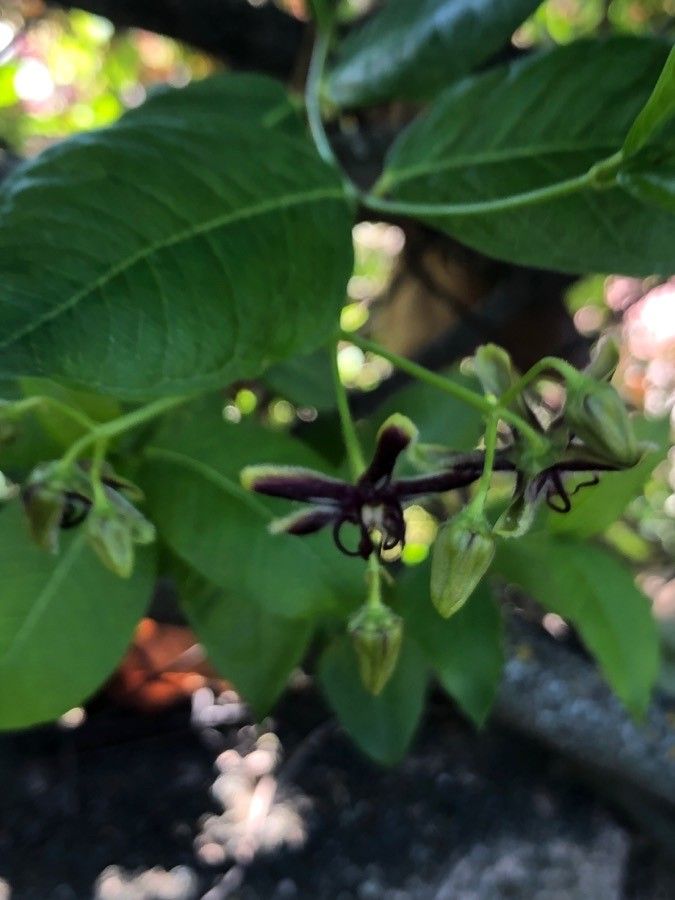
The leaves of Periploca graeca are simple, opposite, and ovate-shaped with a glossy green color. Its flowers are small and greenish-yellow, arranged in clusters at the ends of branches, blooming from May to June.
Known for its medicinal properties, Periploca graeca contains alkaloids that have been used for centuries as an anti-inflammatory agent to treat various ailments, including rheumatism, arthritis, fever, and snake bites.
The Greek silk vine thrives in well-drained soil with full sun exposure but can also tolerate partial shade. It requires moderate watering during the growing season but should be kept dry during the winter months.
Overall, Periploca graeca is an attractive climbing plant that not only enhances the beauty of gardens but also offers medicinal benefits, making it a valuable addition to any herbal garden or landscape design project.
Silk vine is quite resistant to disease and generally does not suffer from many plant diseases. As for maintenance, this plant is fairly low-maintenance. When grown outdoors it needs little watering, and larger specimens typically do not require pruning. Smaller plants, however, should be trimmed after they finish blooming. Silk vine is suitable for anyone with outdoor space, like a garden or a deck, and does not demand much gardening experience.
How to keep Periploca Graeca.
Light
Silk vine is native to open habitats, like sunny meadows and the edges of forests, which provide ample light. It thrives in Full Sun but can also tolerate Partial Sun, adapting well to different sunlight conditions.
Water
Silk vine is a drought-resistant plant that prefers infrequent watering, about once every three weeks. It generally thrives outdoors by taking advantage of seasonal rainfall, which supports its climbing nature and prevents over-saturation.
Temperature
Silk vine is highly adaptable to a variety of climates, whether enduring scorching summers or chilly winters. It nonetheless has a preferred temperature range for healthy growth. If temperatures become too high, the plant can suffer from heat and humidity stress, which may lead to its death. In places where temperatures come close to the lower limit of its cold tolerance, providing insulation is important to protect the plant.
Fertilizer
Timing is crucial when fertilizing Silk vine. Apply fertilizer in early spring and continue monthly up to early summer. The fertilizer promotes attractive blooms and supplies energy during both dormant and active growth periods.
Pruning
Silk vine benefits from annual pruning in early spring to promote healthy growth and maintain its shape. To improve air circulation and enhance the production of foliage and flowers, remove any dead or overcrowded stems. Always use clean tools to prevent the spread of diseases, which will help with size control and increase the plant’s ornamental appeal.
Botanical profile.
- Plant Type
- Vine
- Life Cycle
- Perennial
- Genus
- Periploca
- Family
- Apocynaceae
- Hardiness Zone
- 5-9
- Mature Height
- 9.14 m
- Mature Spread
- 4.88 m
- Leaf Color
- Green
- Leaf Type
- Deciduous
- Flower Color
- Purple, Lavender
- Flower Size
- 2.54 cm to 5.08 cm
- Bloom Time
- Early summer, Mid summer
- Planting Time
- Spring, Summer, Autumn
- Harvest Time
- Late summer, Early fall, Mid fall
- Native Area
- Iraq, Turkey, Greece, Bulgaria, Iran, Armenia, Albania, Romania, Croatia, Turkmenistan, Lebanon
Other names.
Reader questions.
How should I water my Silk vine plant?
To ensure excellent root development, consider placing a garden hose at the base of your plants. Avoid spraying the leaves directly, as this can lead to increased watering needs, particularly if the plants are exposed to direct sunlight outdoors. Moistening the roots can be achieved by using bubblers for each plant or soaker hoses that cover the entire garden or bed. When adding or removing plants, make sure to water deeply to encourage deep root growth. After watering, drain any excess water and allow the soil to dry before watering again. To prevent diseases, water at ground level rather than spraying the plant. On sunny days, you can consider spraying the entire bush with water. Whether your Silk vine is potted or in the ground, remember that it prefers deep watering rather than light sprinkling.
What are the sunlight requirements for a Silk vine?
Silk vine, known botanically as Periploca graeca, originates from sunny meadows and forest edges, thriving in environments that provide abundant light. It needs full sun, which is over 6 hours of direct sunlight daily, but can also grow well in partial sun, receiving about 3-6 hours of sunlight. When selecting a spot for your silk vine, observe your garden's light and shade balance throughout the day to find an area that matches these requirements, ensuring the plant's well-being.
What is the botanical name of the Silk vine?
The botanical name of the Silk vine is Periploca graeca. It is a plant known for its distinctive features and characteristics, though specific details on its essentials and symptoms were not provided in the information.
What do I need to do if I give Silk vine too much or too little water?
An overwatered Silk vine can exhibit yellowing, dropping, and wilting leaves, as well as a generally dull and unhealthy appearance with mushy stems. If these signs begin to appear, it is advisable to adjust your watering schedule. Wilting can also indicate under watering, characterized by crispy and dry leaves. In such cases, check the soil for dryness and provide a thorough watering if necessary. Sufficient water will allow the Silk vine to recover, but the plant may still display dryness and yellowing leaves due to root damage. Once the plant returns to normal, the yellowing of leaves will stop. Indoors, always monitor moisture levels and avoid overwatering, noting any black spots on the plant. In the presence of such spots, give the soil a few days to dry out before watering again. Overwatering can lead to root rot, so consider transferring the plant to a different pot if discolored and slimy roots are visible. Take precautions to prevent root rot, and ensure the soil does not become overly soggy. When planting Silk vine outdoors, check the soil's moisture levels by digging a little deeper with your fingers. If the soil is too dry, it may indicate underwatering, in which case adequate watering is necessary for plant recovery.
How can artificial lighting support Silk vine growth indoors?
When natural sunlight is insufficient, especially during winter or in less sunny spaces, artificial lighting becomes essential for the growth of silk vine indoors. LED lights are recommended for their ability to be customized to specific wavelengths needed by plants. Full sun plants require 30-50W per square feet, while partial sun plants need 20-30W per square feet of artificial light. The artificial light source should be placed 12-36 inches above the plant to mimic natural sunlight, and plants most often need 8-12 hours of light per day.
How much water does Silk vine need and how often should I give it?
The Silk vine prefers deep and infrequent watering. If it's planted in a pot, soak it with a gallon of water each time to account for the limited water storage in the pot. In cold regions, water every 3 to 5 days. Water early in the morning when the soil is dry. You can also check the soil to see if it needs watering; if the top 2-3 inches are dry, it's time to water. During hot days, check the moisture daily as the pot's soil can dry out quickly. If you have a garden, irrigation is also necessary. In hot climates, water once a week when about 2 to 3 inches of soil has become too dry. Avoid adding water if there's been a lot of rainfall to prevent root rot. Silk vine grows mainly in spring and fall. Outdoors, add 3 to 4 inches of mulch to conserve water. Sandy soil requires more frequent watering, while clay soil requires less frequent watering to avoid root rot. Keep track of watering dates on a calendar and be aware of drooping leaves, as it could indicate a day late for watering.
What symptoms indicate a Silk vine is getting insufficient light?
A silk vine not receiving enough light may exhibit several symptoms: new leaves may grow smaller than usual, the plant can become leggy or display sparse growth, and there could be faster leaf drop as the plant tries to conserve resources. Inadequate light can also halt new growth entirely and cause new leaves to appear lighter in color, indicating a lack of chlorophyll. Chlorosis, or the yellowing of leaves due to excessive sunlight, sunscald, leaf curling, wilting, and leaf scorching are further signs that a silk vine needs better light conditions.
How much water does my Silk vine need?
The Silk vine needs about a gallon of water on a regular basis. For potted plants, make sure to water them deeply until water drips from the bottom of the pot. Wait for the soil to dry before watering again. Use a water calculator or moisture meter to track the amount of water given in a week. During the flowering period, provide plenty of water but let it evaporate to avoid root rot. If the Silk vine is planted outdoors and receives adequate rainfall, it may not need extra watering. For young or newly planted Silk vines, ensure they receive 1-2 inches of rain per week. As the Silk vine grows, it can rely solely on rainfall. Only water it fully during very hot weather or if there is no rainfall for 2-3 weeks. Water during cooler times of the day to prevent heat damage. Additional watering is necessary during prolonged dry spells.
What solutions exist for Silk vine experiencing insufficient sunlight?
To address insufficient sunlight, you can gradually move your silk vine to a sunnier location until it gets at least 6 hours of direct sunlight each day. Use a south-facing window for indoor plants, keeping curtains open during daylight. If moving the plant is not feasible, consider using artificial grow lights for at least 8 hours a day. For outdoor plants, a gradual relocation to a sunnier spot is recommended to prevent sunburn. Pruning may help reduce obstructions to sunlight, and transplanting smaller plants during their dormant period to a location with more sunlight and good drainage might be necessary.
Do I need to water my Silk vine more or less depending on the seasons or weather?
To care for a Silk vine, it is important to consider the watering needs based on the weather and the plant's growth cycle. During spring and fall, keep the soil moist but not soggy. Alternating between dry and moist soil conditions helps the Silk vine thrive. In summer, hot weather and lack of rainfall can cause the water to evaporate quickly, so watering more frequently is necessary to keep the plant moist. During winter, the Silk vine needs less water as it goes dormant. Planting the vine in well-draining soil and using terracotta pots can help with water evaporation. Once the Silk vine starts to leaf out and go dormant, it can rely on fall and winter rains for water. During the growing season, ensure good drainage, especially during winter, to prevent ponding. In pots, where root growth is limited, regular watering is important, especially in summer. Deep watering once or twice a week, avoiding shallow sprinkles, is best for thorough root soaking. Don't let the Silk vine dry out completely in fall or winter, even during dormancy. Avoid overwatering as it can be detrimental to the plant, especially if the soil doesn't drain well. Applying mulch will reduce stress, conserve water, and promote healthy blooms.
What do I need to watch out for when I water my Silk vine in different seasons, climates, or during different growing periods?
When planting Silk vine in the ground, it mainly relies on rainfall. However, if there hasn't been any rain for 2-3 weeks, you may need to water the plants deeply. If watering in the summer, it's best to do it in the morning to avoid stressing the roots with a big temperature difference. Avoid watering the bushes during hot weather. Start mulching them in the spring when the ground is not too cold. For newly planted Silk vine, lack of water is a common reason for their failure to grow. Once they are established, gradually reduce the watering schedule. During fall and winter, especially if the soil has water-retaining material, reduce watering to prevent them from drying out due to dry winds. Windy seasons will require more watering. Silk vine planted in pots dries out faster, so they need more frequent watering. If you notice fewer blooms and drying leaves, it's a sign that they need more water. Watering potted plants can be more complex and fluctuates in frequency. Avoid letting the pot sit in water and avoid using containers with saucers, bowls, or trays. Overwatering in the fall can result in mottled or yellowish foliage. It's always important to prevent overwatering, regardless of the climate or season. During the flowering months, you may want to increase watering frequency, but once they are fully grown, give them a rest. Water Silk vine in pots adequately every 3 to 5 days, but don't follow a strict schedule. Check the soil moisture by sticking your finger in the pot or use a moisture meter if unsure. Avoid overwatering or underwatering, as both can cause root rot and lead to plant death.
Why do I need to water my Silk vine?
Watering the Silk vine is essential for transporting nutrients from the soil to the rest of the plant. To keep this species healthy, it is important to determine the appropriate amount of water to give. The watering requirements depend on the weather conditions in your area and the type of soil the plant is in. The Silk vine thrives on moist soil, but excessive water can be harmful. When planting in the ground, make sure to provide enough mulch, and avoid watering too little. When planted in a pot, it is recommended to water the Silk vine until the water at the base becomes moist for optimal blooming. If the Silk vine is grown for its foliage, it should be watered to a depth of 10 to 20 inches to support growth. During rainy periods, it is not necessary to water the plant, as it will receive the nutrients it needs from the rainwater.