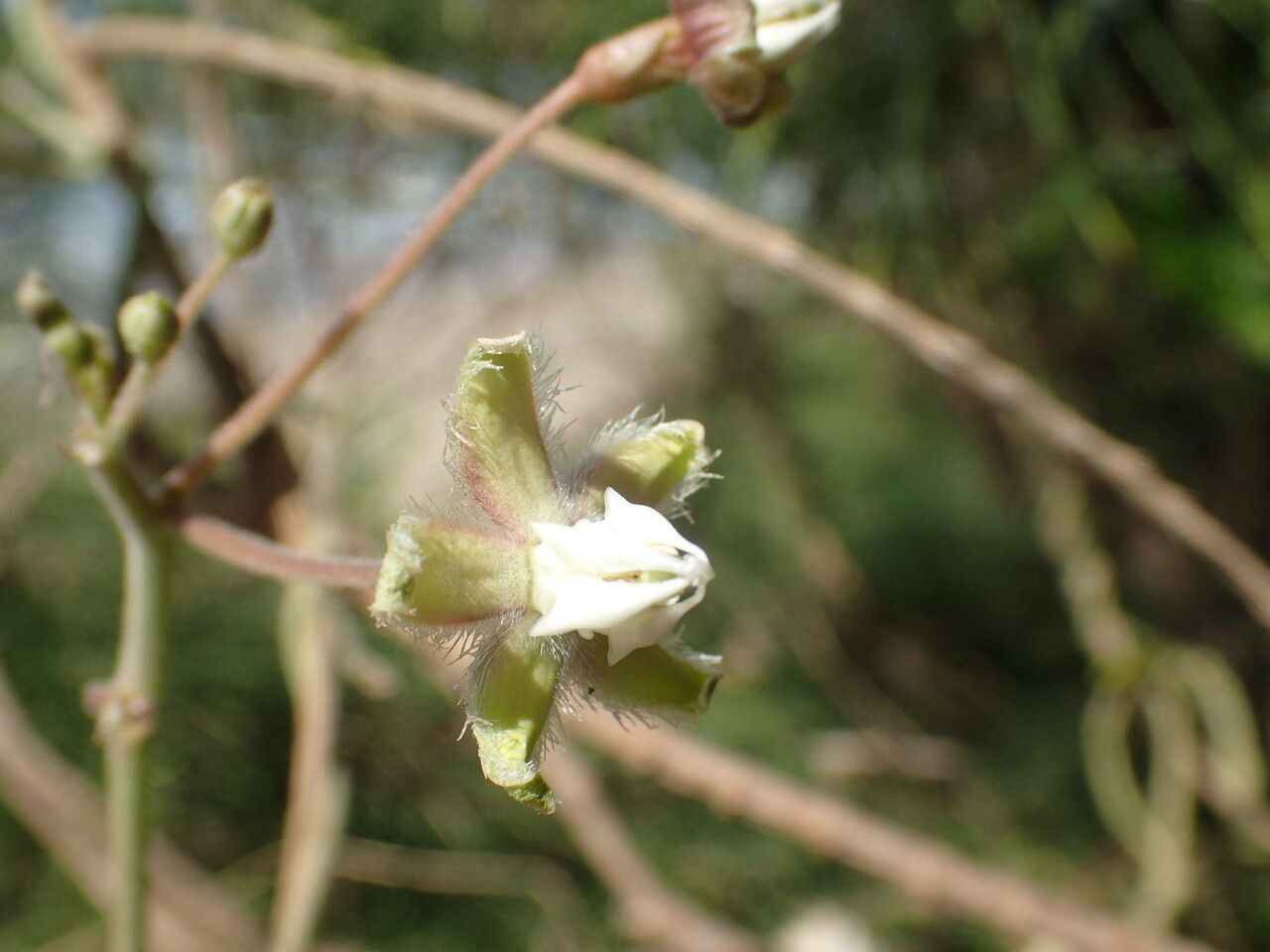
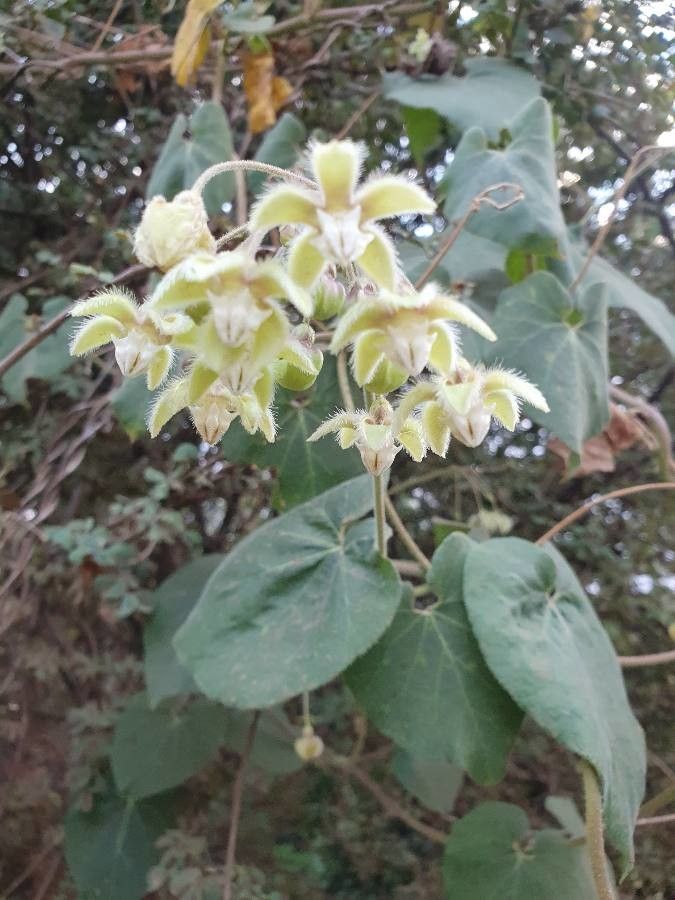
Pergularia daemia, commonly known as wild asparagus or milkweed vine, is a perennial climbing plant belonging to the Apocynaceae family. Native to India, it can also be found in various parts of Asia and Africa. The plant features a woody stem that can grow up to 5 meters in length, and it produces clusters of small white or pink flowers, each with five petals.
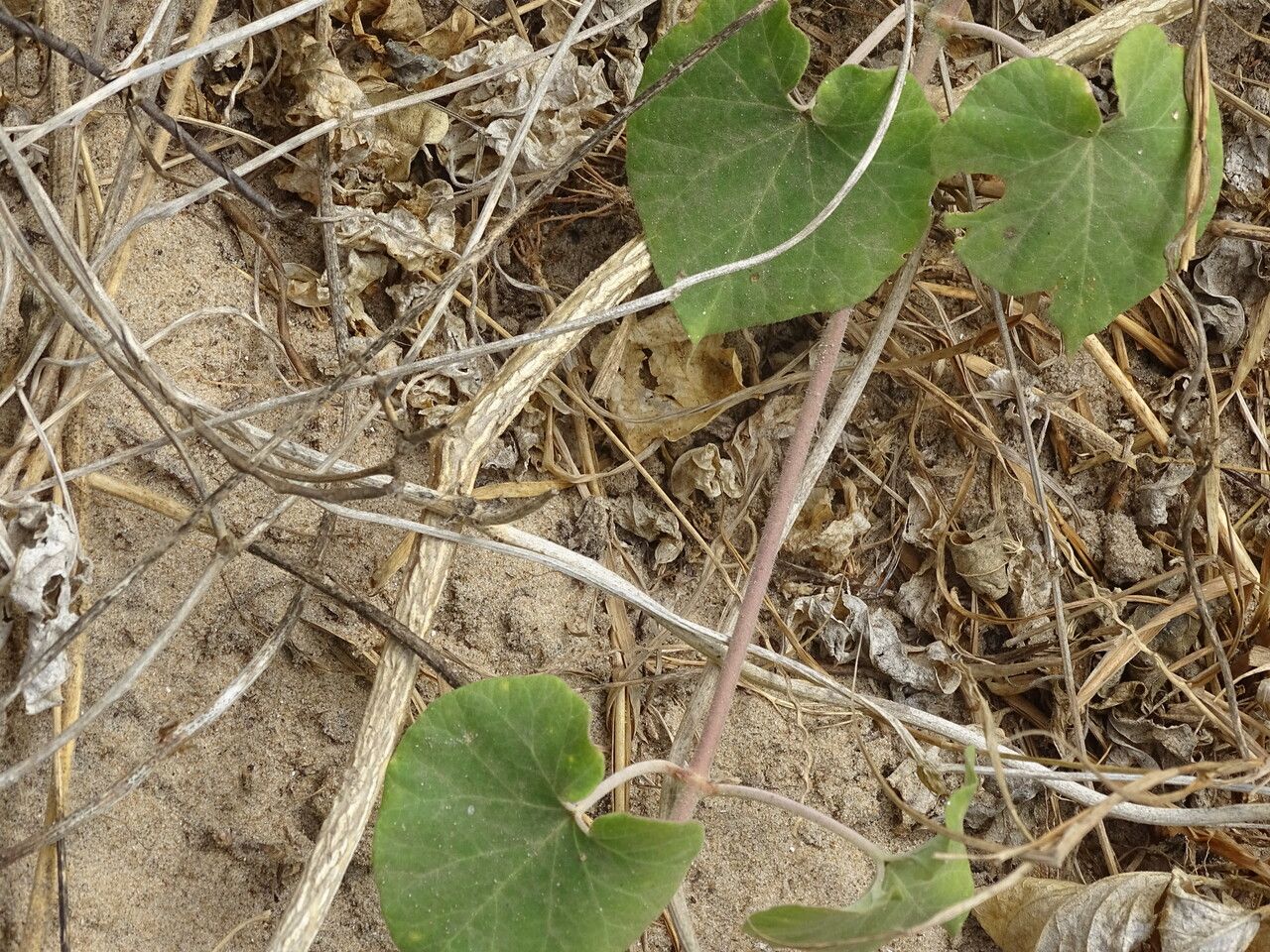
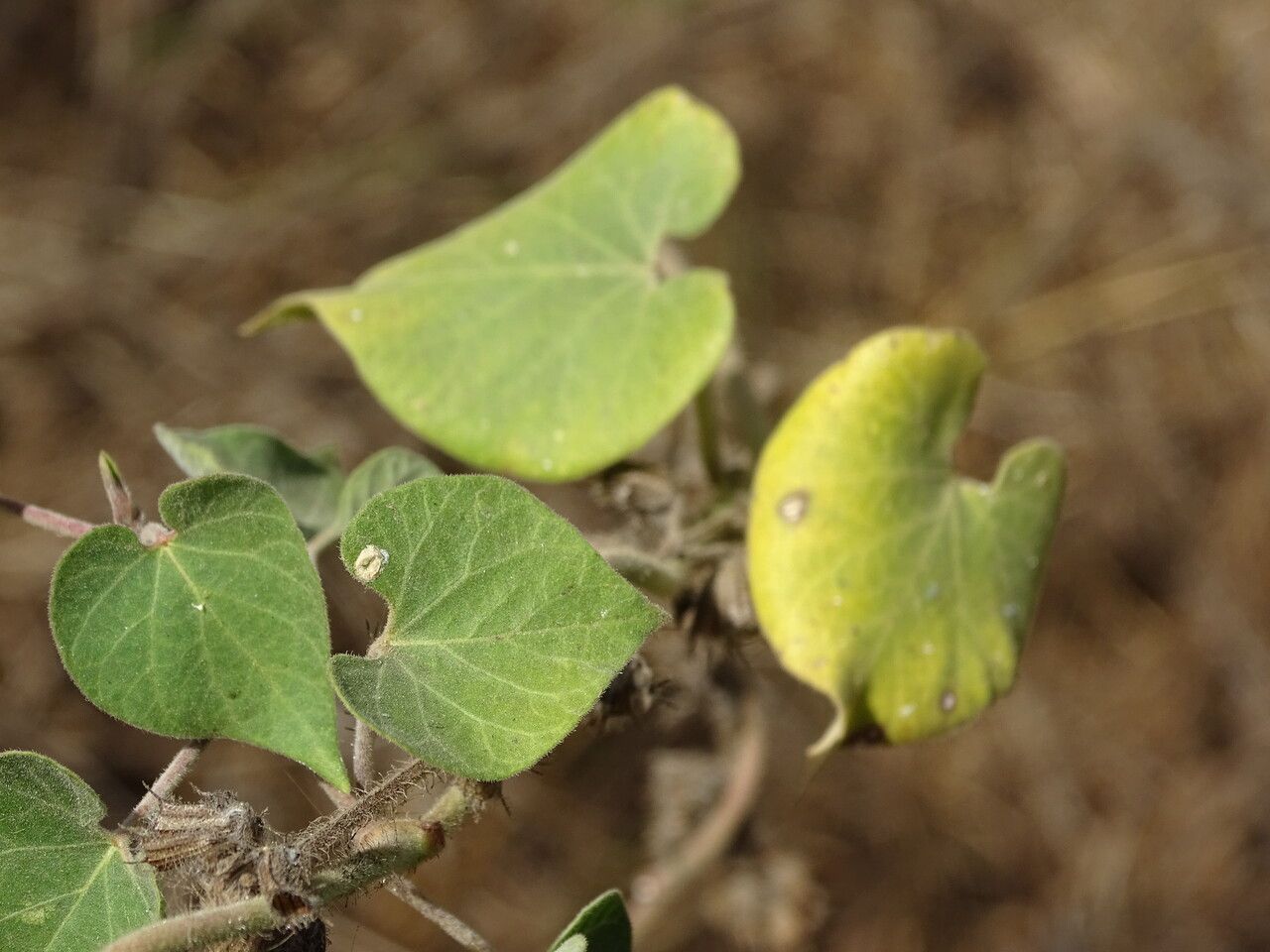
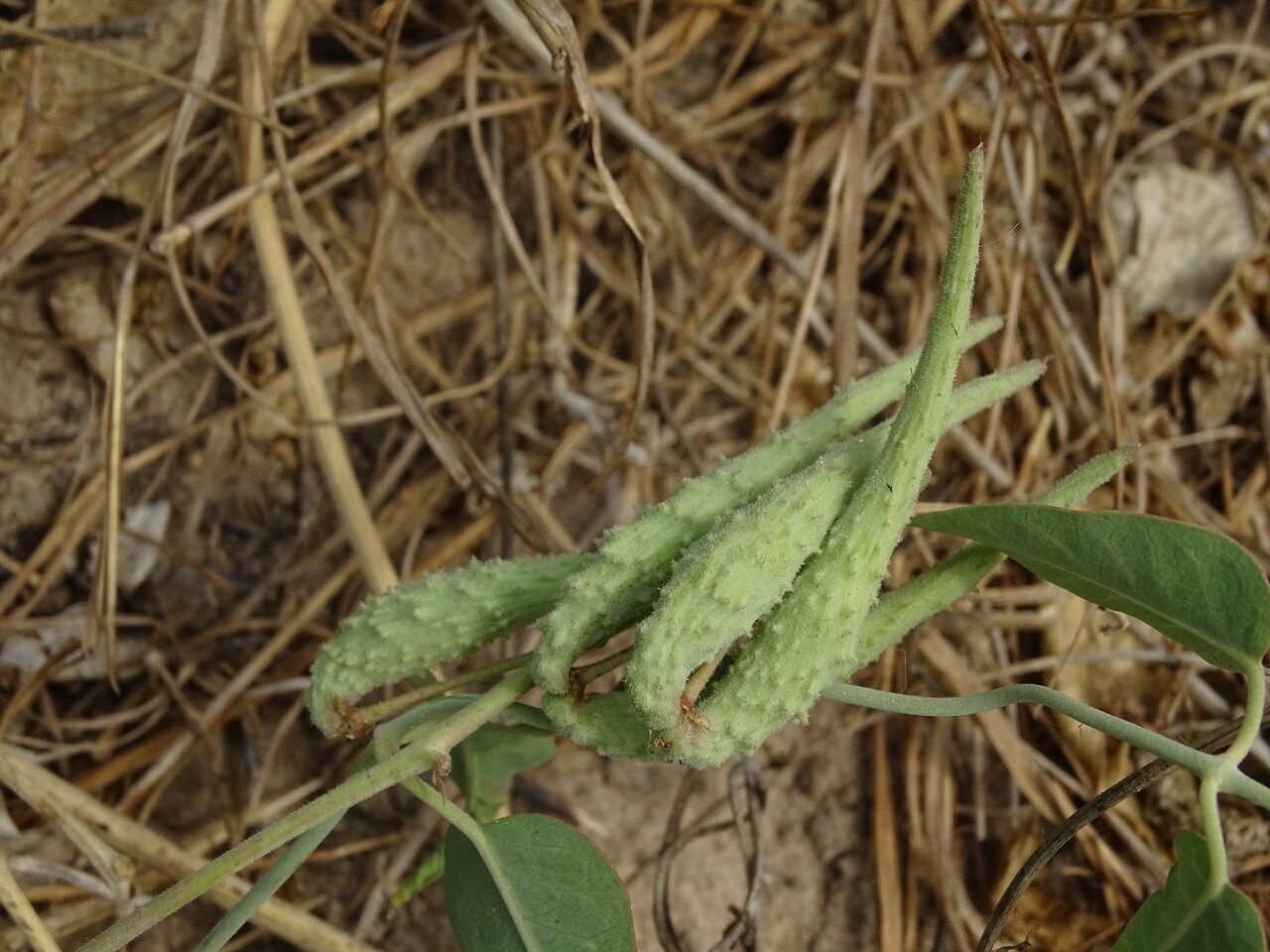
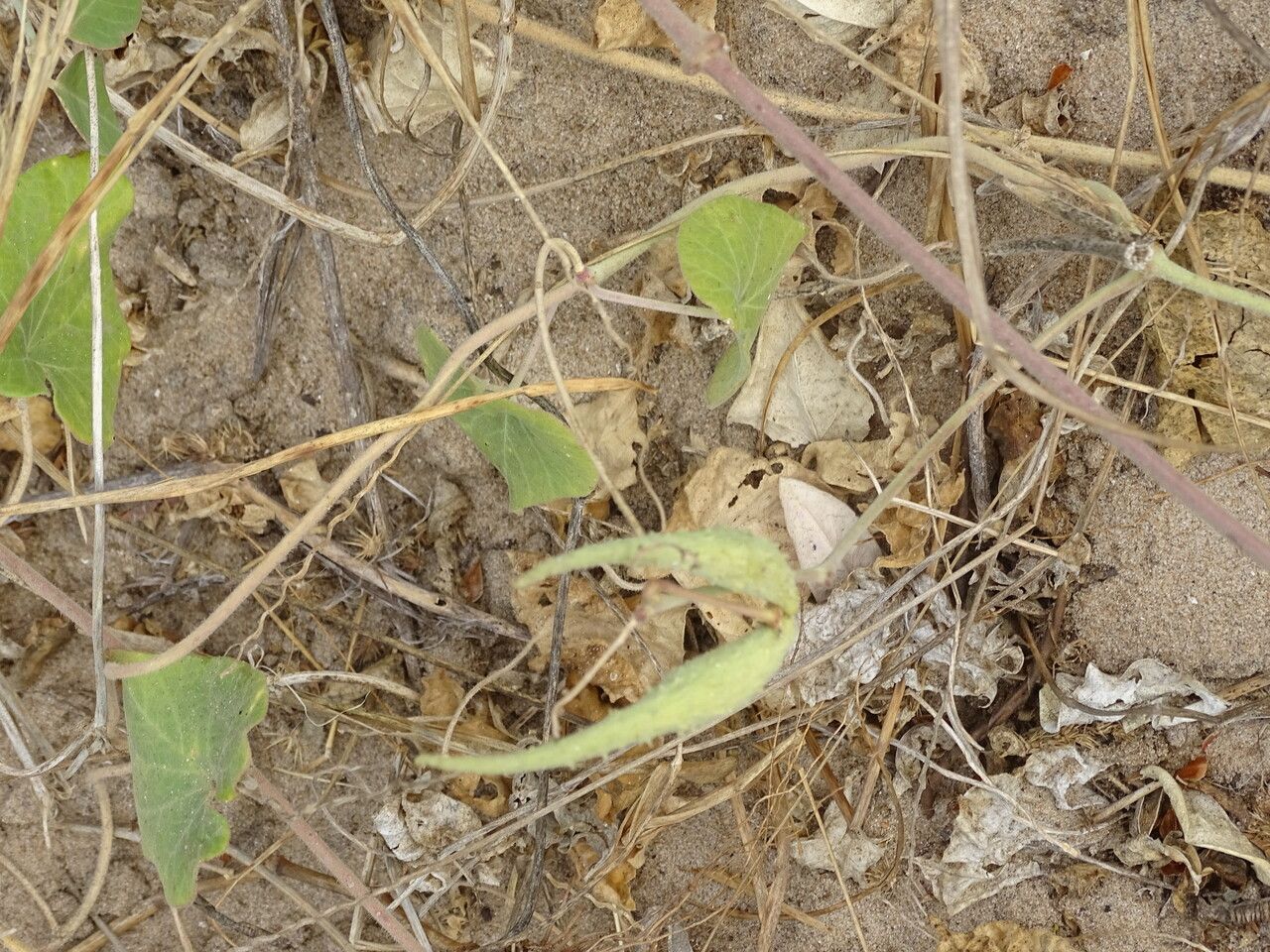
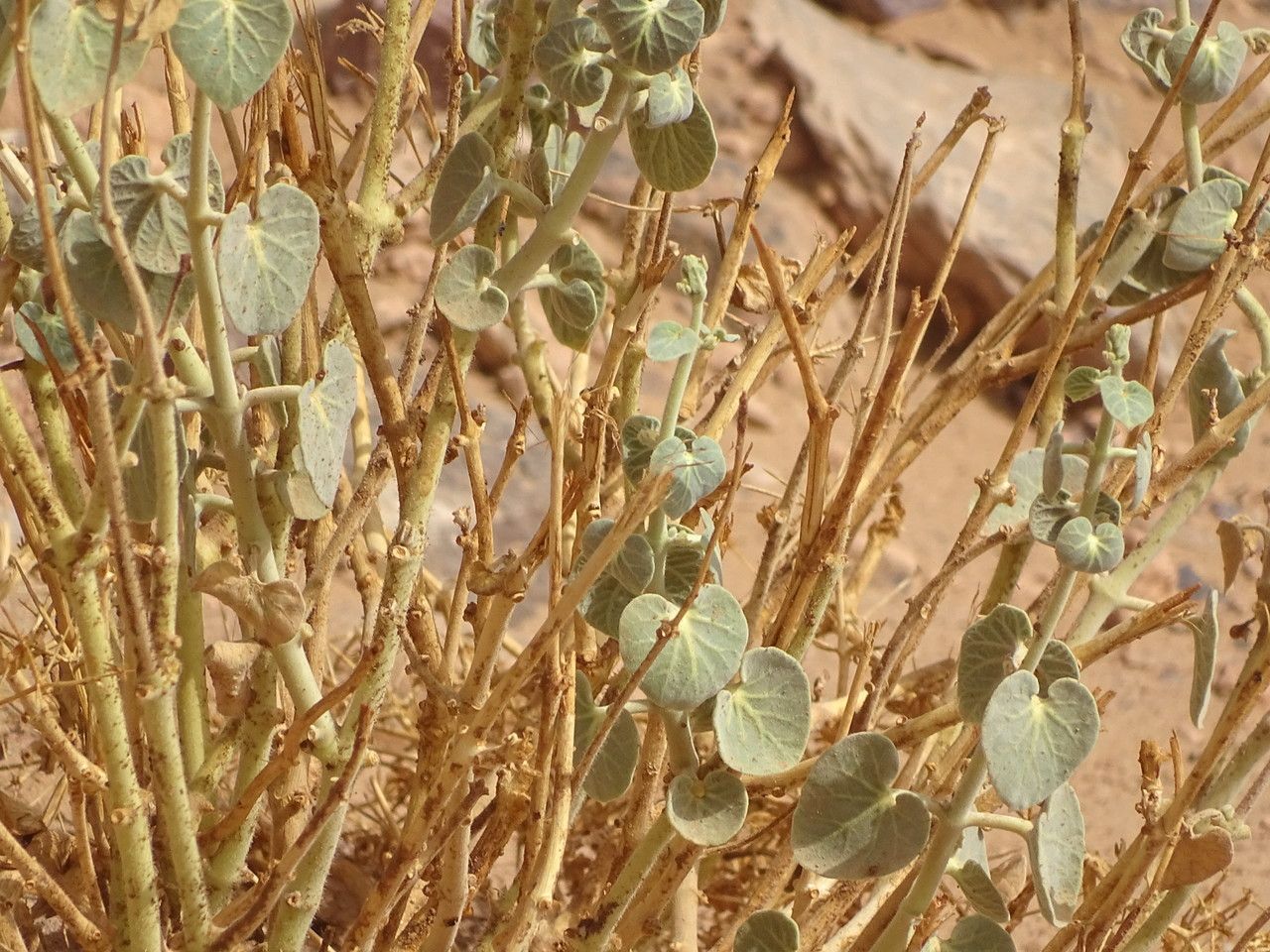
The leaves of Pergularia daemia are simple, alternate, and ovate-shaped with pointed tips. The plant produces long pods that contain numerous seeds adorned with silky hairs. These hairs facilitate seed dispersal through wind or water.
Pergularia daemia has a rich history of medicinal use in traditional Indian systems like Ayurveda and Siddha medicine. It is believed to have anti-inflammatory properties that can help treat ailments such as asthma, bronchitis, arthritis, fever, and dysentery, among others.
This milkweed vine also holds cultural significance in India, where it is used in religious ceremonies due to its association with Lord Shiva, one of Hinduism's principal deities.
Overall, Pergularia daemia is a fascinating climbing plant known for its medicinal properties, which have been utilized in traditional Indian medicine for centuries, making it an important part of Indian culture as well.
Pergularia has strong resistance to disease and is generally unlikely to develop illnesses. In terms of care, this plant is relatively low-maintenance. When planted outdoors it needs only minimal watering, and larger plants typically do not require pruning. Smaller plants, however, should be pruned after they have bloomed. Pergulariat is appropriate for anyone with an outdoor area, such as a garden or deck, and does not demand much gardening experience.
How to keep Pergularia Daemia.
Light
Pergularia comes from open habitats, like sunny meadows and forest edges, where light is plentiful. It prospers in Full Sun but can also tolerate Partial Sun, adjusting well to different sunlight levels.
Temperature
Pergularia comes from tropical areas, where the climate is generally warm and humid. Consequently, it is well suited to elevated temperatures and moisture. It does not tolerate abrupt temperature shifts and favors a constant thermal environment, so preventing indoor temperature variations is important. It typically cannot endure cold conditions and needs warmer temperatures to grow. If the surrounding temperature falls too much, the plant may stop growing or even die.
Fertilizer
Fertilization is essential for the care of Pergularia. Regularly feeding it during the growing season keeps up the energy needed for its showy leaves and supports overall growth. Failing to fertilize can lead to unhealthy leaves, reduced ornamental value, and stunted or weak growth that is prone to breaking.
Pruning
Pergularia is a robust climbing plant characterized by its milky sap and heart-shaped leaves. To encourage healthy growth, it is best to prune the plant in early spring. When pruning, use sharp, sterilized tools to cut away weak stems. This practice not only improves airflow and reduces the risk of disease but also enhances the plant's appearance and prevents it from becoming overgrown.
Botanical profile.
- Plant Type
- Vine
- Life Cycle
- Perennial
- Genus
- Pergularia
- Family
- Apocynaceae
- Hardiness Zone
- 10-12
- Mature Height
- 2.13 m to 4.88 m
- Mature Spread
- 0.91 m to 3.05 m
- Leaf Color
- Green, Dark Green
- Leaf Type
- Evergreen
- Flower Color
- White, Yellow
- Flower Size
- 1.02 cm to 2.03 cm
- Bloom Time
- Summer, Early fall, Mid fall
- Planting Time
- Spring, Summer, Autumn
- Harvest Time
- Late summer, Fall, Early winter
Other names.