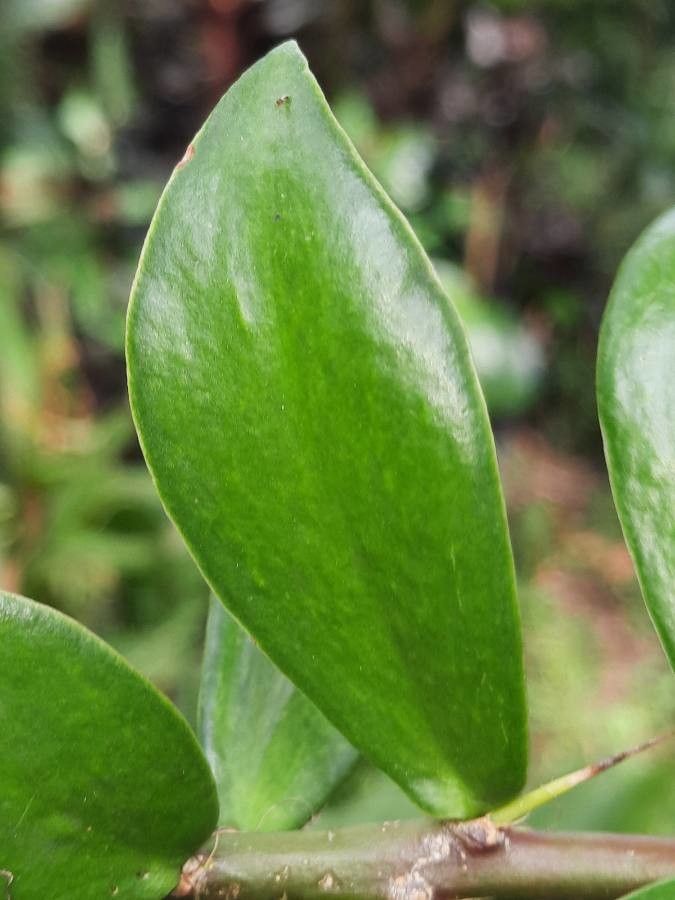
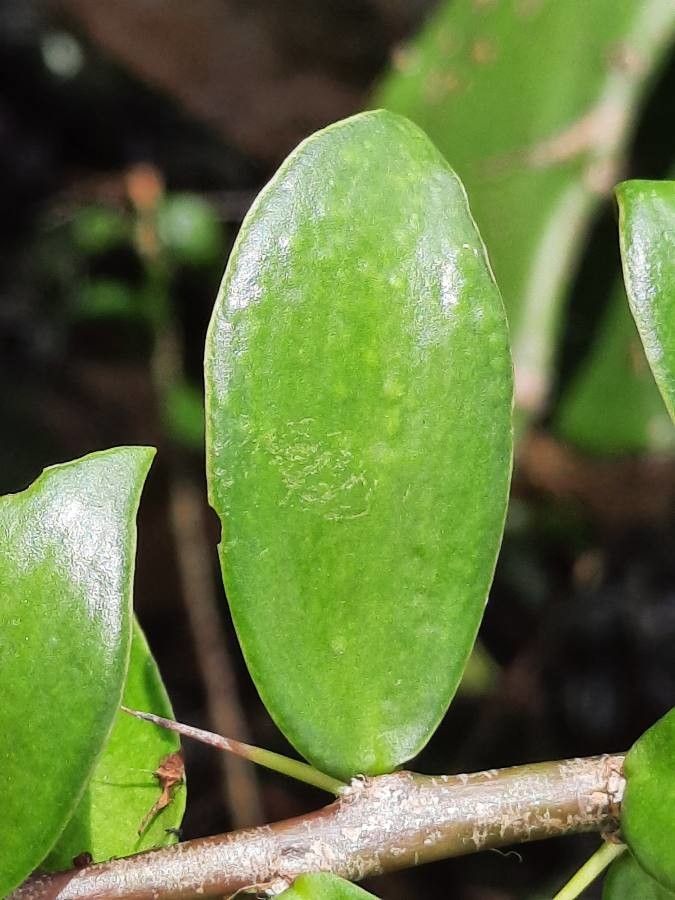
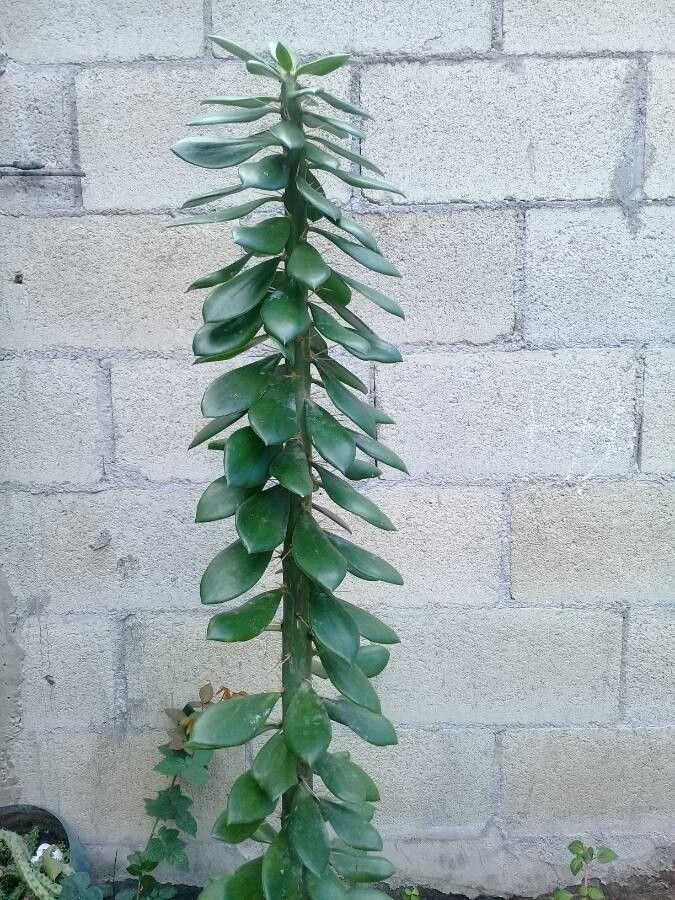
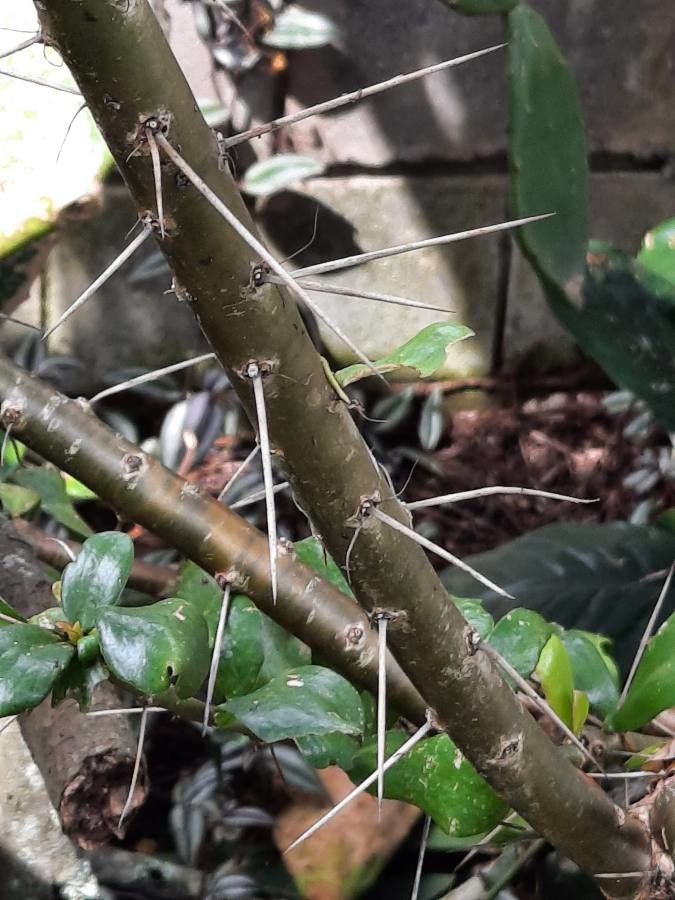
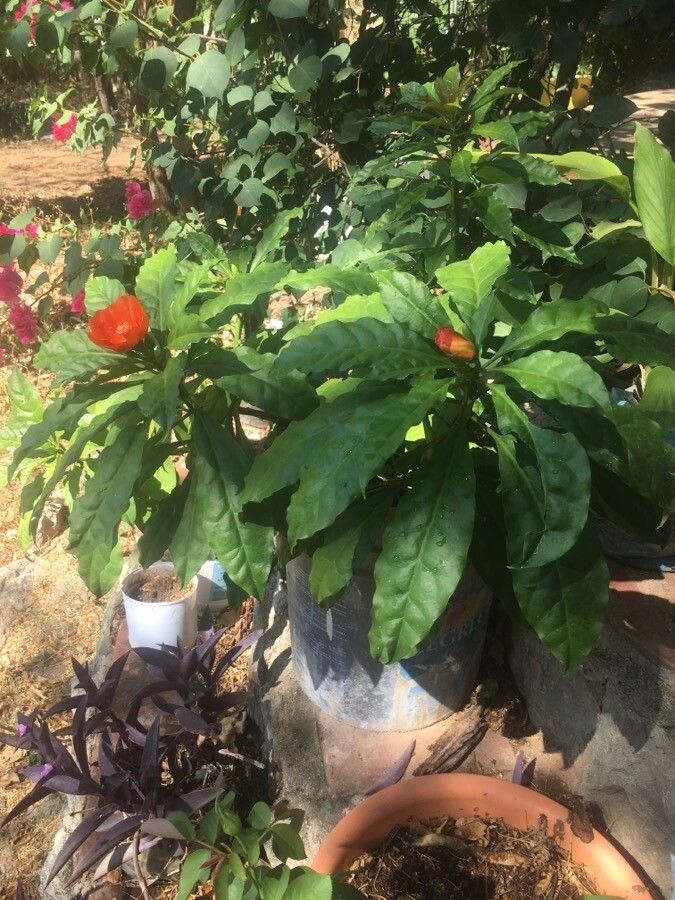
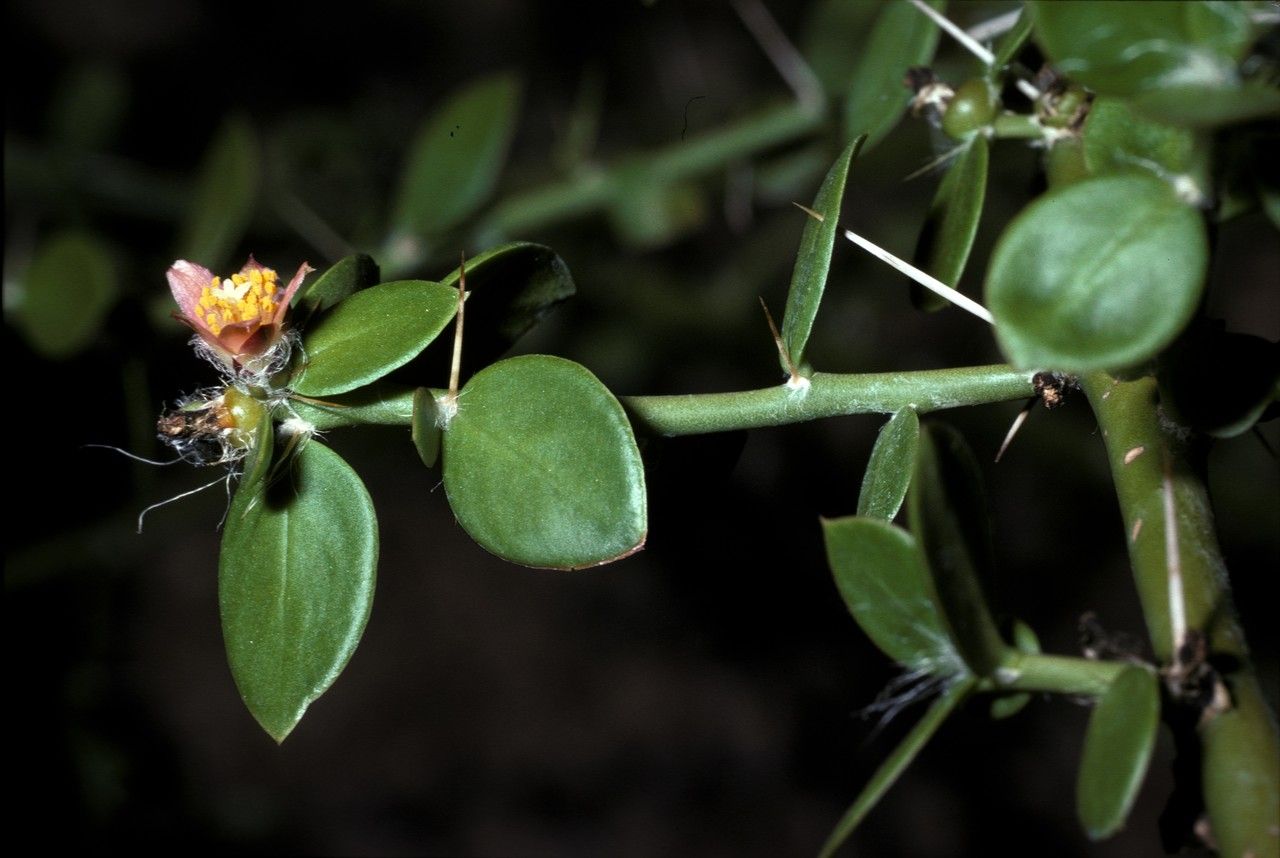
Pereskia lychnidiflora shows strong resistance to disease and typically remains healthy under normal care. It can, however, be prone to mealybugs; these pests may cause some harm but are usually not a major concern. Regarding care, Pereskia lychnidiflora is drought-tolerant and does not need frequent watering. It can withstand extended intervals without water and requires little fertilizer. Conversely, it is very vulnerable to root rot if kept in poor light and given too much water. In general, Pereskia lychnidiflora is a good choice for those who prefer to spend less time on plant care, though it’s still necessary to know and meet its basic needs. It is especially appropriate for people who are often away for long periods and might forget regular watering.
How to keep Pereskia Lychnidiflora.
Light
Pereskia lychnidiflora comes from open habitats, like sunny meadows and forest margins, which offer plentiful light. It does best in Full Sun but can also withstand Partial Sun, showing good adaptability to different light conditions.
Temperature
Pereskia lychnidiflora comes from tropical areas, where the climate is generally warm and humid. As a result, it is adapted to high temperatures and humidity. It does not tolerate sudden temperature changes and prefers a consistent temperature, so avoiding indoor temperature fluctuations is important. It typically cannot withstand cold conditions and needs warmer temperatures to grow. If the environmental temperature falls too low, the plant may stop growing or even die.
Fertilizer
The best time to feed a Pereskia lychnidiflora is in early spring, when it comes out of dormancy. Doing so supports overall growth and the development of flowers. Fertilizing improves the leaves, stems, and branches, and encourages flowers that are large, colorful, and long-lasting. It helps move nutrients from the roots to the blooms and strengthens the plant’s health and resistance to disease.
Botanical profile.
- Plant Type
- Shrub, Succulent
- Life Cycle
- Perennial
- Genus
- Pereskia
- Family
- Cactaceae
- Hardiness Zone
- 10-12
- Mature Height
- 3.05 m to 6.1 m
- Mature Spread
- 2.13 m to 3.96 m
- Leaf Color
- Green, Dark Green
- Leaf Type
- Deciduous
- Flower Color
- Orange, Yellow
- Flower Size
- 5.08 cm to 6.35 cm
- Bloom Time
- Summer, Early fall, Mid fall
- Planting Time
- Spring, Summer, Autumn
- Harvest Time
- Fall, Early winter, Mid winter