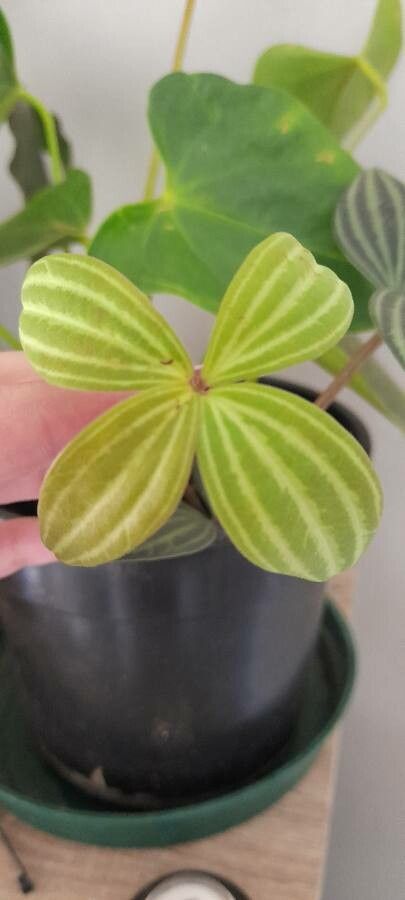
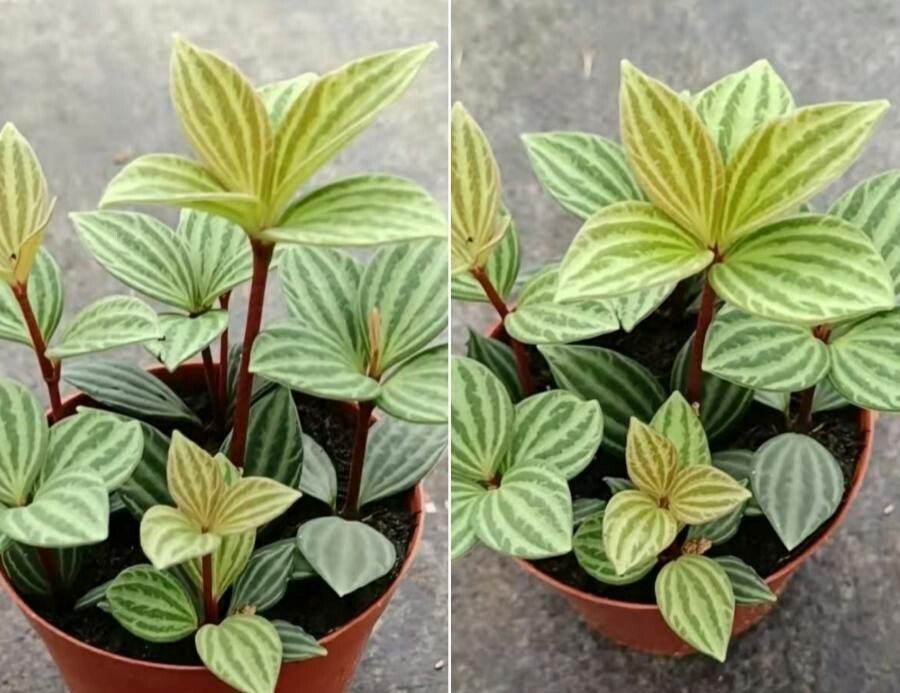
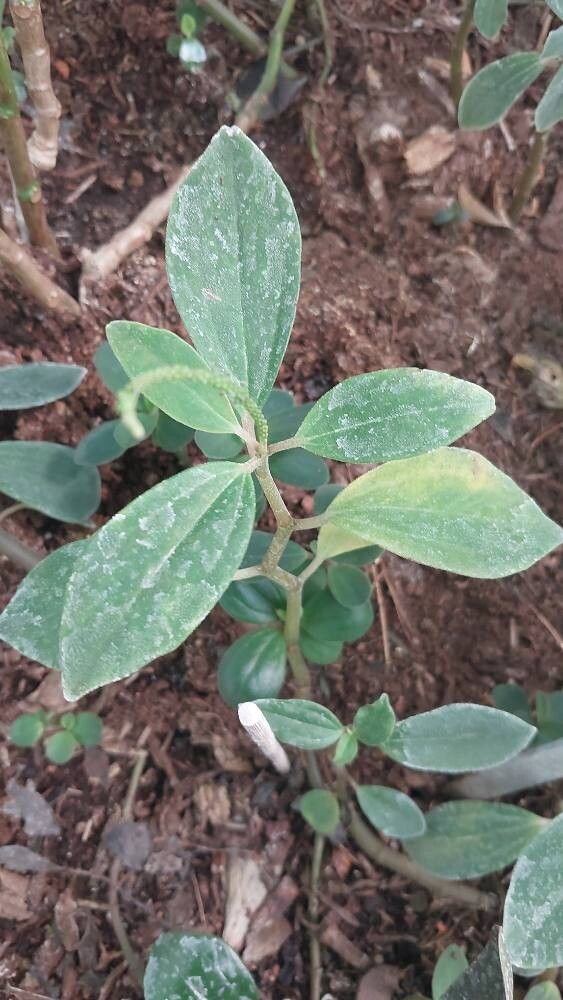
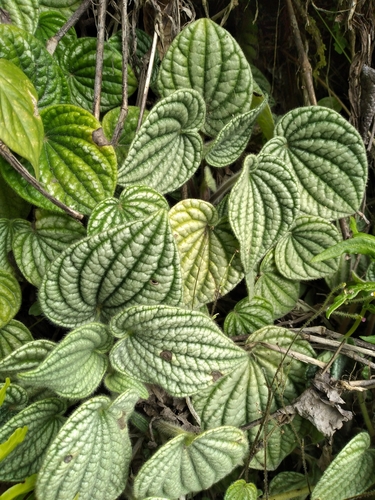
Peperomia tetragona is a species of plant in the genus Peperomia native to South America. Its range is known to be from Ecuador, Peru, and Paraguay to central/western Brazil. Long grown as a houseplant in temperate climates, it is often known by its synonym Peperomia puteolata or as the "parallel Peperomia" for the parallel venation on its elliptical leaves.
Parallel peperomia is generally resistant to disease and is usually not prone to illnesses. However, it can be vulnerable to leaf spots if light and ventilation are poor and if it is overwatered. Its care level is considered easy, since it mainly needs regular watering and little else. Parallel peperomia is a good choice for people who don't have much time or energy to spend on routine care.
How to keep Peperomia Tetragona.
Light
The parallel peperomia prefers steady all-day sunlight, yet it tolerates locations with a mix of shade and light. These light conditions occur in its native habitats. Notably, both too little and too much light can harm the plant's health.
Water
Parallel peperomia flourishes in environments with high humidity and consistent moisture. It prefers soil that remains evenly moist. To keep it healthy, water the plant twice a week and occasionally mist it when indoors to maintain the needed humidity. This practice mimics its natural tropical forest habitat and encourages lush foliage growth.
Temperature
Parallel peperomia comes from temperate areas and prefers temperatures between 68 and 100.4 °F (20 to 38 ℃). It may need adjustments for seasonal temperature changes. Extra heating should be considered during colder months.
Fertilizer
Proper fertilization is essential for Parallel peperomia's health and appearance. Fertilize Parallel peperomia in summer, applying nutrients once a month throughout the season. Nutrients fuel growth and help maintain the plant's parts. Fertilization also improves Parallel peperomia's flower display, ensuring the best blooms.
Pruning
Parallel peperomia plants have upright stems and beautifully patterned leaves. To maintain their health and appearance, it's important to prune them regularly, especially from early to late spring. Trim any leggy stems just above a leaf node to encourage a bushier growth. Additionally, remove dead leaves to improve airflow, which helps reduce pests and promote healthy growth throughout the year.
Pot & Repot
When repotting Parallel peperomia, choose a pot 1–2 inches (2.5–5.1 cm) larger with ample drainage. Use a well-draining potting mix. Repot in spring or fall, ensuring that the root ball is slightly lower than the rim of the flower pot. Water thoroughly after repotting and place in a warm spot with indirect sunlight.
Toxicity
Peperomias are non-toxic to humans and pets.
Further reading →
The toxicity and danger assessments provided are for reference only. We do not assure their accuracy, so it's crucial not to depend on them. Seek professional advice when necessary for accurate guidance.
Botanical profile.
- Plant Type
- Herb
- Life Cycle
- Perennial
- Genus
- Peperomia
- Family
- Piperaceae
- Hardiness Zone
- 10-11
- Mature Height
- 15 cm to 30 cm
- Mature Spread
- 30 cm to 46 cm
- Leaf Color
- Green, Cream
- Leaf Type
- Evergreen
- Flower Color
- Green
- Flower Size
- 2.54 cm
- Bloom Time
- All year round
- Planting Time
- Spring, Summer, Autumn
- Harvest Time
- All year round
- Native Area
- Bolivia, Ecuador, Peru
Other names.
Reader questions.
What are the sunlight requirements for Parallel Peperomia?
Parallel Peperomia thrives best in conditions that mimic its native habitat, requiring full sun exposure of above 6 hours of sunlight daily or partial sun of about 3-6 hours of sunlight. It's crucial to watch how sunlight moves through your garden, selecting spots that provide a balance of light and shade to ensure the plant's happiness and healthy growth. Additionally, when growing indoors, especially during winter or in less sunny spaces, artificial lighting can supplement natural sunlight, promoting optimal growth.
What is the native climate of Parallel Peperomia?
Parallel Peperomia, botanically known as Peperomia tetragona, thrives in temperate climate regions. It prefers a temperature range between 68 to 100.4 °F (20 to 38 °C). This plant is extremely heat-loving, indicating that it does not tolerate cold temperatures well. During the colder months, extra heating might be necessary to maintain an appropriate temperature for the plant. Additionally, it's advisable to bring Parallel Peperomia indoors during autumn to protect it from the cold, positioning it near a bright window but away from direct heat sources to ensure it remains at a suitable temperature above 20°C for optimal growth.
How does artificial lighting benefit indoor plants?
Indoor plants, including Parallel Peperomia, can significantly benefit from artificial lighting when natural sunlight is insufficient, particularly during winter or in spaces with less exposure to sunlight. Artificial lights, such as LED, can be customized to provide specific wavelengths needed for plant growth. For full sun plants, 30-50W/sq ft of artificial light is recommended, partial sun plants need 20-30W/sq ft, and full shade plants require 10-20W/sq ft. The light source should be placed 12-36 inches above the plant for 8-12 hours per day to mimic natural daylight hours.
How does low temperature affect Parallel Peperomia and what are the solutions?
Parallel Peperomia prefers warm temperatures and is significantly affected by cold. It thrives when the temperature is consistently above 20°C, and exposure to temperatures below 5°C can be detrimental. If the temperature falls below 1°C, the leaves may lighten in color, and after frost damage, they can turn brown or black, leading to wilting and drooping. To mitigate these effects, it is recommended to trim off the frost-damaged parts and move the plant to a warm environment indoors immediately. Placing the plant near a south-facing window ensures it gets enough sunlight while avoiding the placement near heaters or air conditioning vents to prevent air dryness.
What symptoms indicate insufficient sunlight for Parallel Peperomia?
When Parallel Peperomia receives inadequate lighting, several symptoms may emerge, including small and lighter-colored new leaves, leggy or sparse growth, faster leaf drop, slower or halted growth, chlorosis, sunscald, leaf curling, wilting, and leaf scorching. These symptoms vary depending on the extent of light deficiency or overexposure, indicating the plant's struggle with photosynthesis and overall health management.
How does high temperature affect Parallel Peperomia and what are the solutions?
Parallel Peperomia should ideally be kept below 38°C during the summer months to prevent high-temperature stress. Exposure to temperatures above 43°C can cause the leaves to lighten and increase susceptibility to sunburn. To address this, the damaged, sunburned, or dried parts should be trimmed away. The plant should be relocated to a spot where it can enjoy shade during the midday and afternoon sun. Ensuring the soil remains moist by watering in the morning and evening can also help mitigate the impact of high temperatures.
What solutions can improve light conditions for Parallel Peperomia?
Improving light conditions for Parallel Peperomia involves gradual adjustments and thoughtful positioning. For indoor plants, gradually move them to sunnier spots, ensuring they receive at least 6 hours of direct sunlight daily, or use artificial lighting such as desk lamps or professional grow lights for at least 8 hours daily. For outdoor plants, it's crucial to move them gradually to avoid sunburn. If sunlight is blocked by obstructions like trees, consider pruning or transplanting smaller plants to sunnier locations with good drainage, especially during their dormant period.