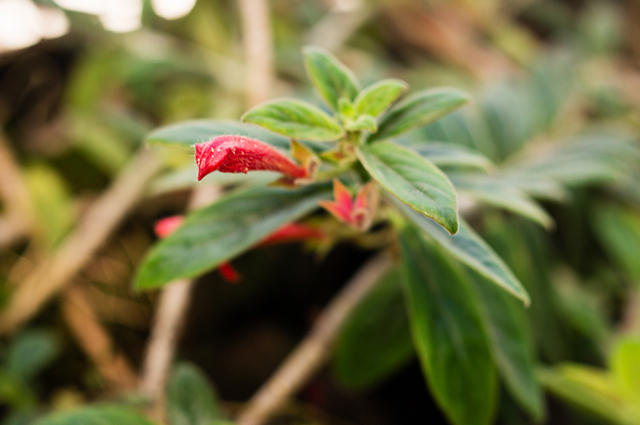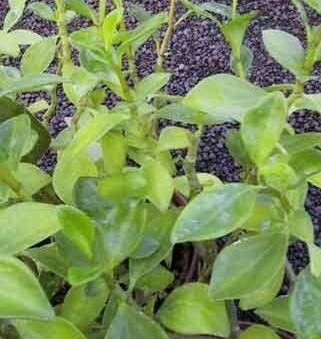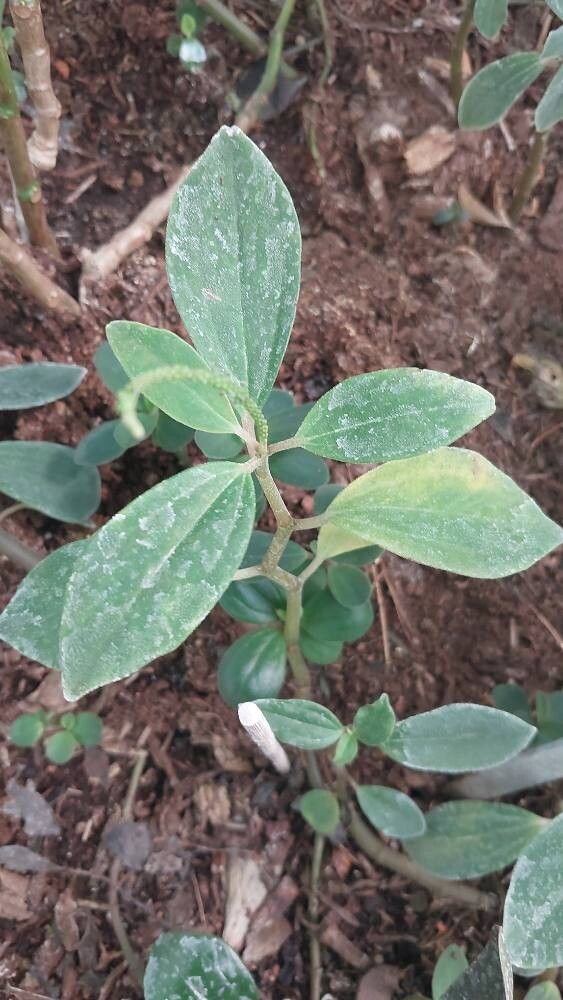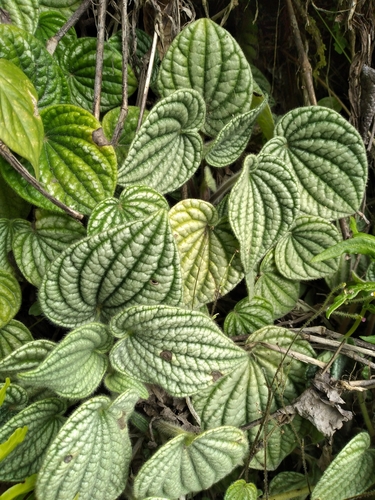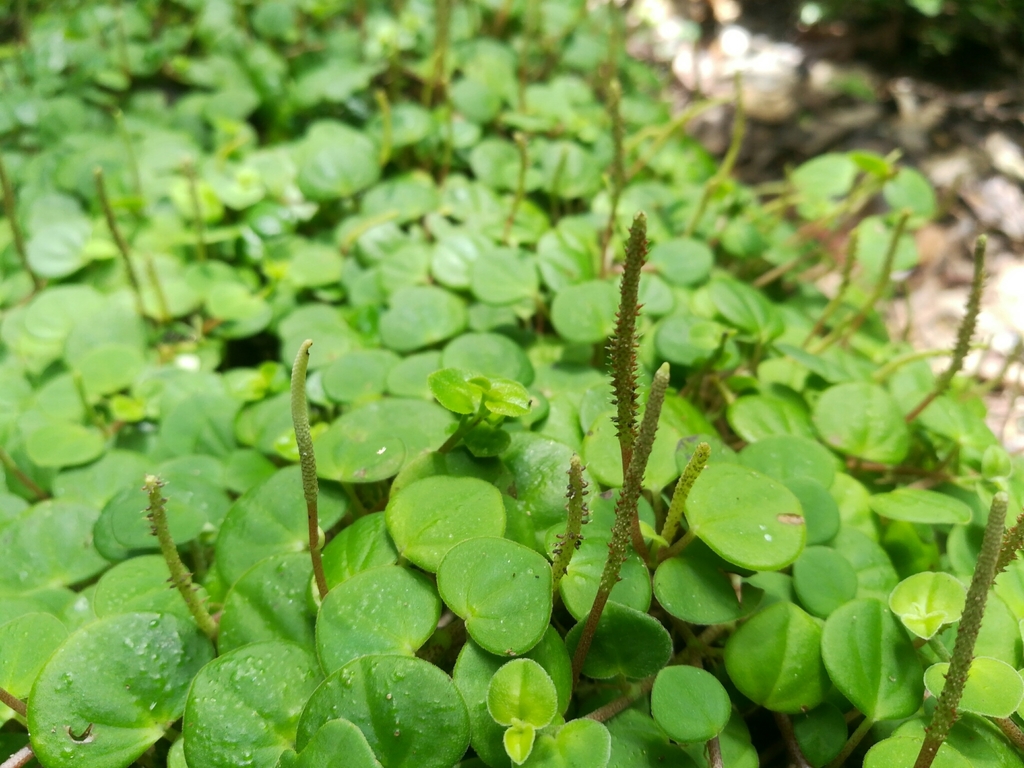
Peperomia serpens is a small, trailing plant that belongs to the Piperaceae family. Native to South America, it can be found in countries like Brazil, Peru, and Ecuador. The plant features small, round leaves that are dark green and have a glossy texture. These leaves are arranged alternately along the stem and can grow up to 1 cm in diameter.
Peperomia serpens is an easy-to-care-for plant that thrives in bright but indirect light. It prefers well-draining soil and should be watered when the top layer feels dry to the touch. Overwatering can lead to root rot, so it’s important to avoid letting it sit in standing water.
This plant makes an excellent addition as a trailing houseplant or as part of a terrarium display, thanks to its compact size and low maintenance requirements. Peperomia serpens also boasts air-purifying properties, making it an ideal choice for improving indoor air quality.
Overall, Peperomia serpens is an attractive houseplant with unique foliage patterns that add interest wherever they are placed. It’s also easy to care for, making it a great option even for novice gardeners or those without green thumbs!
Vining Peperomia has strong disease resistance and is generally not prone to illness. However, it can develop leaf spots if light and ventilation are poor or if it is overwatered. Its care level is considered easy, since it mainly needs regular watering and little else. Vining Peperomia is appropriate for people who don't have the time and energy to devote to regular care.
How to keep Peperomia Serpens.
Light
The climbing Peperomia thrives with moderate sunlight, reflecting the conditions of its natural habitat. At different stages of growth, a suitable amount of light supports its overall health. However, light beyond its tolerance can produce harmful effects like leaf scorch, while too little sunlight may impede growth.
Water
Originating from tropical rainforests, vining Peperomia thrives in moist, humid environments. For optimal growth, it requires balanced watering, ideally twice a week. Typically grown indoors, this evergreen plant prefers stable temperatures and indirect light, which help maintain the glossy appearance of its foliage throughout the year.
Temperature
Vining Peperomia is native to temperate forests where temperatures run from 68 to 100°F (20 to 38°C). It prospers in that warmth and prefers it to cooler surroundings. Seasonally, make sure the vining Peperomia is not exposed to temperatures below 68°F (20°C).
Fertilizer
Proper fertilization is essential for Vining Peperomia's health and appearance. Fertilize Vining Peperomia in summer, repeating the application monthly throughout the season. Nutrients supply the energy for growth and help maintain the plant's parts. Fertilization improves Vining Peperomia's flower display, ensuring the best blooms.
Pruning
To encourage bushier growth and maintain the shape of your vining Peperomia, be sure to prune it regularly from early to late spring. Start by removing any dead or yellowing leaves, then prune overgrown stems back to half their length. This will help your plant maintain a healthier, more vibrant appearance while also managing its size and preventing legginess.
Pot & Repot
When repotting Vining Peperomia, choose a pot 1–2 inches (2.5–5.1 cm) larger with ample drainage. Use a well-draining potting mix. Repot in spring or fall, ensuring that the root ball is slightly lower than the rim of the flower pot. Water thoroughly after repotting and place in a warm spot with indirect sunlight.
Botanical profile.
- Plant Type
- Herb
- Life Cycle
- Perennial
- Genus
- Peperomia
- Family
- Piperaceae
- Hardiness Zone
- 10-11
- Mature Height
- 10 cm to 15 cm
- Mature Spread
- 30 cm to 61 cm
- Leaf Color
- Green
- Leaf Type
- Evergreen
- Flower Color
- Green, White
- Flower Size
- 2.54 cm
- Bloom Time
- All year round
- Planting Time
- Spring, Summer, Autumn
- Harvest Time
- All year round
- Native Area
- Colombia, Bolivia, Venezuela, Peru, Guyana, Brazil, Ecuador, Jamaica
Other names.
Reader questions.
How should I water my Vining Peperomia?
To properly water the Vining Peperomia, use filtered water at room temperature or slightly warmer. Tap water can contain harmful particles, so filtered water is preferable. Avoid using cold water as it can shock the plant, as it is accustomed to a warm environment. Rather than watering overhead, apply the filtered room temperature water directly to the soil until it is completely soaked. This method helps moisten the roots and assists them in spreading through the soil to absorb necessary nutrients.
Why should I give fertilizer to my Vining Peperomia?
All plants, including the Vining Peperomia, need soil nutrients to grow. However, it's not always guaranteed that the soil where your plants grow will have all the necessary nutrients. Fertilization and soil amendments can help ensure that your garden plants have both the essential nutrients and the specific ones they need. For the Vining Peperomia, fertilizer is necessary to support healthy root and stem development throughout the growing season. Fertilization also contributes to the plant's attractive foliage, which is its main ornamental feature.
What are the sun requirements for Vining Peperomia?
Vining Peperomia thrives in partial sunlight, requiring about 3-6 hours of sunlight daily. It's crucial to observe the movement of sunlight through your garden to find spots that offer a balance of light and shade, ensuring optimal growth conditions for your plants. In cooler weather, Vining Peperomia can tolerate full sunlight, but too much exposure or too little can lead to problems such as leaf scorch or hindered growth.
What is the native climate for Vining Peperomia?
Vining Peperomia, botanically known as Peperomia serpens, is native to temperate forests with temperatures ranging from 68 to 100°F (20 to 38°C). These warm climates are ideal for its growth, and it significantly prefers them over cooler conditions. To ensure its health, it's important to avoid exposing Vining Peperomia to temperatures below 68°F/20°C, especially seasonally, as it is an extremely heat-loving plant, and cold temperatures can cause harm.
What should I do if I give my Vining Peperomia too much or too little water?
Overwatering is a more common issue than underwatering for Vining Peperomia. When overwatered, the stems and leaves may wilt and turn yellow. Prolonged overwatering can lead to root rot, mold, and mildew, which can be fatal to the plant. Underwatering is less common but can still happen. In this case, the leaves may become brittle and brown. It's important to notice signs of overwatering early to prevent irreversible damage. Reduce watering if you see early signs and consider using well-draining soil. If the plant is not receiving enough water, increase watering until the signs improve.
When should I fertilize my Vining Peperomia for the best results?
A Vining Peperomia needs the most fertilizer when it is actively growing, which usually happens during spring, summer, and early fall. After winter, feed your plant every two to four weeks until fall comes. In fall, gradually reduce the amount of fertilizer until you completely stop feeding your plant in preparation for the slower growth during winter.
What essentials should be considered for growing Vining Peperomia?
For optimal growth, Vining Peperomia needs a moderate level of sun exposure, aligning with its natural habitat conditions. Adequate sunlight at different growth stages ensures robust health. However, overexposure can cause leaf scorch, while underexposure may prevent growth. When natural sunlight is insufficient, especially during winter or in less sunny spaces, artificial lighting becomes crucial. LED lights are recommended because they can be tailored to provide the specific wavelengths needed by your plants. The intensity of artificial light varies based on the plant's requirements, with full sun plants needing 30-50W/sq ft, partial sun plants 20-30W/sq ft, and full shade plants 10-20W/sq ft. The light source should be placed 12-36 inches above the plant, mimicking natural sunlight conditions, and most plants benefit from 8-12 hours of light per day.
How should Vining Peperomia be cared for in cooler conditions?
During the cooler months or when the temperature threatens to drop below its comfort range, it's recommended to bring outdoor-grown Vining Peperomia indoors. Placing it near a bright window while keeping it at a certain distance from heaters helps maintain an appropriate temperature above 20°C, which is beneficial for its growth. Care should be taken to avoid cold drafts or temperatures near 5°C, as these are detrimental to the plant.
How frequently should I water my Vining Peperomia?
If your Vining Peperomia is in a pot, the easiest way to check if it needs water is by sticking your finger into the soil. If the top two or three inches of soil are dry, it's time to water the plant. If you're growing your Vining Peperomia outdoors in the ground, you can use a similar method to check the soil. If the top few inches of soil have dried out, it's time to water it. Usually, during the spring and early fall, you'll need to water this plant about once a week using this method. However, in extremely hot weather, you may need to water it about twice a week or even more. It's worth noting that mature, well-established Vining Peperomias can tolerate drought quite well.
When is the wrong time to put fertilizer on my Vining Peperomia plant?
During most of the year, including spring, summer, and most of fall, it is important to regularly feed your Vining Peperomia. However, if you notice that your plant has received too much fertilizer or has been fertilized incorrectly, causing fertilizer burn or other issues, you will need to fix these problems before continuing with regular feeding. The only exception to fertilizing is during winter. If you keep your Vining Peperomia indoors in a cold climate, it will become dormant during this time. Feeding the plant during its dormant phase is not only unnecessary and unhelpful for growth, but it can also lead to fertilizer burn.
What are the important symptoms to look for in Vining Peperomia due to inadequate light?
Vining Peperomia shows various symptoms when exposed to inadequate light. New leaves may grow smaller, and the plant can appear leggy or sparse as the distance between leaves or stems increases. Leaf drop can occur faster as the plant sheds older leaves to conserve resources. Growth may also slow or halt altogether as the plant enters survival mode. Pale or lighter-colored new leaves suggest a lack of chlorophyll and essential nutrients. Symptoms of too much light include chlorosis, where leaves turn yellow due to chlorophyll breakdown; sunscald, which appears as damaged pale or necrotic areas; leaf curling, as a defense against water loss; wilting from excessive transpiration; and leaf scorching, marked by brown, dry edges on leaves.
What are the symptoms of low temperature exposure in Vining Peperomia, and how can it be treated?
Vining Peperomia exhibits specific symptoms when exposed to low temperatures, such as a lightening of leaf color when temperatures fall below 1°C, followed by browning or blackening after frost damage, along with wilting and drooping. To combat this, trim off the frost-damaged parts and move the plant to a warm indoor environment immediately for protection against the cold. It's best to place the plant near a south-facing window to ensure it receives ample sunlight while avoiding proximity to heaters or air conditioning vents, which can cause excessive dryness.