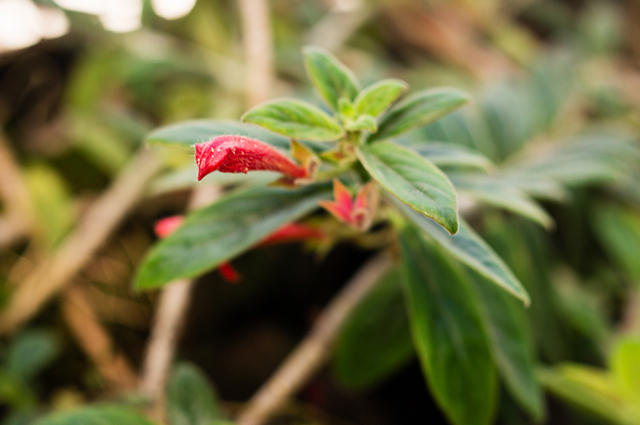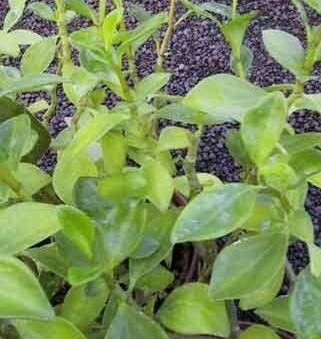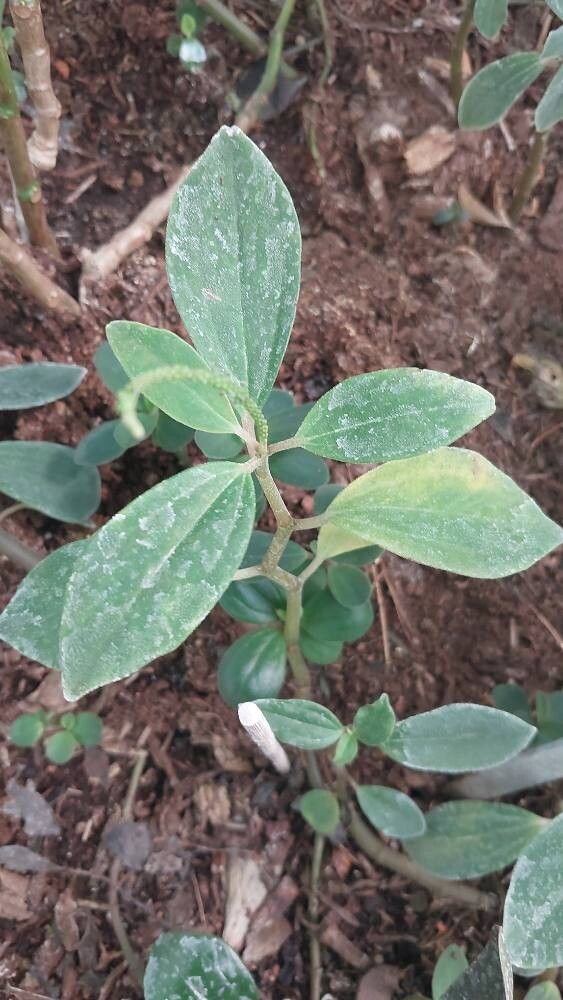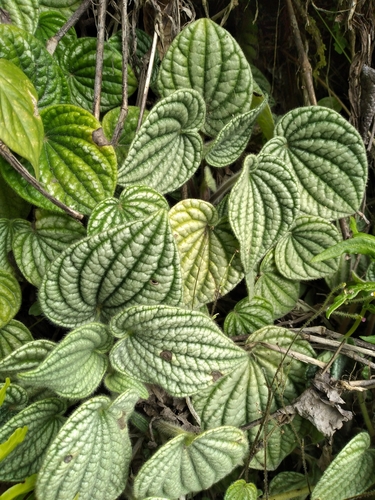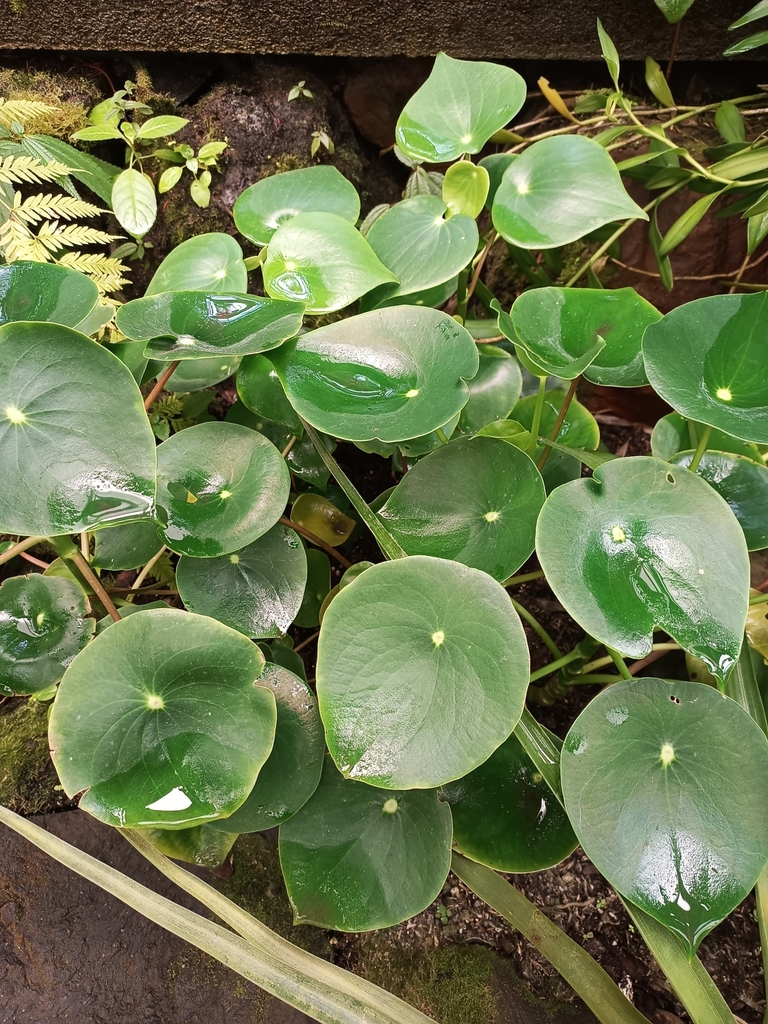
Peperomia polybotrya, commonly known as Coin Leaf Peperomia or Raindrop Peperomia, is a beloved houseplant belonging to the Piperaceae family. Native to South America's tropical rainforests, this plant features thick, glossy leaves shaped like coins or raindrops, displaying a vibrant green hue. The leaves grow on long stems that can reach up to 12 inches in length.
Peperomia polybotrya is an easy-to-care-for plant that flourishes in bright but indirect light and prefers well-draining soil. It does not require frequent watering because it stores water in its succulent leaves, making it an ideal choice for those who might occasionally forget to water their plants.
Additionally, this plant offers air-purifying benefits, helping to improve indoor air quality by removing toxins such as formaldehyde.
With its unique appearance and low maintenance needs, Peperomia polybotrya is an excellent addition to any indoor space. It also makes a thoughtful gift for plant enthusiasts, especially those who may be new to plant care.
Coin leaf peperomia is generally resistant to disease and typically not prone to infections. It can, however, develop leaf spots when light and airflow are poor or when it is overwatered. The plant is considered easy to care for, needing only routine watering and little else. Coin leaf peperomia is a good choice for people who lack the time or energy for frequent maintenance.
How to keep Peperomia Polybotrya.
Light
Coin leaf peperomia needs a mix of full-day light and periods of shade to thrive. As a plant that naturally grows in forest understories, it can tolerate bright, sunlit conditions. However, too much light can harm the leaves, while too little light can limit its growth. Different stages of growth generally do not have markedly different light requirements.
Water
Coin leaf peperomia comes from the understories of tropical rainforests, where it thrives in high humidity and consistently moist environments. It prefers soil that is evenly moist, so it should be watered once a week. As an indoor plant, it benefits from stable temperatures and controlled humidity to ensure optimal growth and to prevent water stress.
Humidity
This plant will thrive in moderate humidity, which is probably the level in your home. However, misting it a few times a week can be very beneficial. Make sure the room has good ventilation.
Temperature
Coin leaf peperomia comes from tropical areas, where the climate is usually warm and humid. Consequently, it is adapted to high heat and humidity. It is sensitive to sudden temperature changes and prefers a steady temperature, so avoiding indoor temperature swings is important. It typically cannot tolerate cold and needs warmer conditions to grow. If the surrounding temperature falls too low, the plant may stop growing or even die.
Fertilizer
Appropriate fertilizing is essential for Coin leaf peperomia's health and appearance. Fertilize Coin leaf peperomia during summer, repeating the treatment monthly throughout the season. Nutrients provide the fuel for growth and help maintain the plant's parts. Fertilization improves Coin leaf peperomia's flowering display, ensuring the best blooms.
Pruning
The Coin Leaf Peperomia, known for its round, coin-shaped leaves, thrives best with regular pruning from early to late spring. To encourage new growth, trim any leggy or damaged stems, and remove old foliage to prevent diseases. For effective pruning and a vibrant appearance, be sure to use clean and sharp tools.
Pot & Repot
When repotting Coin leaf peperomia, pick a pot 1–2 inches (2.5–5.1 cm) larger that has good drainage. Use a well-draining potting mix. Repot in spring or fall, making sure the root ball sits slightly below the rim of the flower pot. Water thoroughly after repotting and place the plant in a warm spot with indirect sunlight.
Botanical profile.
- Plant Type
- Herb
- Life Cycle
- Perennial
- Genus
- Peperomia
- Family
- Piperaceae
- Hardiness Zone
- 10-12
- Mature Height
- 20 cm to 25 cm
- Mature Spread
- 15 cm to 25 cm
- Leaf Color
- Green
- Leaf Type
- Evergreen
- Flower Color
- White
- Flower Size
- 5.08 cm to 10.16 cm
- Bloom Time
- All year round
- Planting Time
- Spring
- Harvest Time
- All year round
- Native Area
- Colombia, Ecuador, Peru
Other names.
Reader questions.
How should I water my Coin leaf peperomia plant?
To properly water the Coin leaf peperomia, it is recommended to use filtered water at room temperature. Tap water may contain harmful particles that can affect the plant's well-being. The water should be at room temperature or slightly warmer since the plant is accustomed to a warm environment and cold water can be a shock to its system. It is advised against overhead watering as it can cause issues with the plant's foliage. Instead, it is best to apply the filtered room temperature water directly to the soil until it is fully saturated. This helps to moisturize the roots and enables them to spread through the soil and absorb the necessary nutrients.
Why do I have to put plant food on my Coin leaf peperomia?
The main structure of the Coin leaf peperomia is made up of its leaves. Fertilization is an important way to keep these leaves healthy and looking good. By properly fertilizing, you can ensure that the leaves maintain a consistent color and a healthy texture. Fertilization also has benefits for the plant below the soil's surface. It helps the plant develop new roots and maintain existing root systems. This not only keeps the plant healthy now but also improves its ability to absorb nutrients from the soil in the future.
What are the sunlight requirements for Coin leaf peperomia?
Coin leaf peperomia (Peperomia polybotrya) thrives in conditions that offer a balance between all-day illumination and periods of shade, mimicking its natural forest understory habitat. This balance helps it withstand sun-filled conditions without suffering from leaf damage due to excessive light, or growth hindrance due to insufficient light. Partial sun, defined as about 3-6 hours of sunlight, and full sun, which means receiving sunlight for more than 6 hours, are both suitable for this plant, depending on its growth phase. However, a critical note is to watch how sunlight moves through your garden or indoor space, choosing spots that ensure a perfect balance for the plant's happiness.
What is the botanical name of Coin Leaf Peperomia?
The botanical name of Coin Leaf Peperomia is Peperomia polybotrya.
What should I do if I give my Coin leaf peperomia too much or too little water?
Overwatering and underwatering can both harm your Coin leaf peperomia, but overwatering is more common. Too much water can cause wilting, yellowing of stems and leaves, and can lead to diseases like root rot, mold, and mildew. Underwatering is less common because this plant can tolerate drought, but it can still happen and result in brittle, brown leaves. It's important to quickly recognize signs of overwatering to prevent irreparable damage. If you notice the early signs, reduce watering and assess the soil quality. If the soil doesn't drain well, replace it with a loose, well-draining potting mix. If you see signs of underwatering, increase watering until the plant improves.
When should I fertilize my Coin leaf peperomia for best results?
If you have a Coin leaf peperomia plant that you grow outdoors, it will start growing new leaves in early spring. This is a signal that it's time to fertilize the plant for the year. Usually, one application of fertilizer in the spring is enough for the plant to thrive. However, if you want your Coin leaf peperomia to grow as much as possible, you can fertilize it multiple times during the spring and early summer. If you choose this option, you can feed the plant every month to a month and a half.
How can artificial lighting be used for Coin leaf peperomia?
Artificial lighting can be a vital solution for Coin leaf peperomia, especially when natural sunlight is insufficient, such as in winter or less sunny spaces. Adequate lighting is essential for optimal growth, with LED lights being a popular choice due to their ability to be customized for specific wavelengths needed by plants. For full sun plants, 30-50W per square foot is recommended; partial sun plants do well with 20-30W per square foot, and full shade plants need 10-20W per square foot. The light source should be placed 12-36 inches above the plant, mimicking natural sunlight for 8-12 hours per day to promote faster, healthier growth.
How often should I water my Coin leaf peperomia plant?
If your Coin leaf peperomia is in a pot, the easiest way to know if it needs water is to stick your finger into the soil. If the top two to three inches of soil feel dry, then it's time to water it. If you are growing your Coin leaf peperomia outdoors in the ground, you can use the same method to check the soil moisture. When the top few inches of soil are dry, it's a sign that it needs watering. Typically, during the spring and early fall, you'll need to water this plant about once a week using this method. However, during extremely hot weather, you may need to water it twice a week or even more. Nonetheless, it's worth noting that mature, well-established Coin leaf peperomias can tolerate drought quite well.
When should I not add fertilizer to my Coin leaf peperomia?
During late fall and winter, your Coin leaf peperomia goes into a dormant phase and stops growing. To take care of it during this time, avoid fertilizing. In spring and summer, you can fertilize multiple times but reduce the amount as summer approaches because the growth rate also slows down. It's not recommended to fertilize your Coin leaf peperomia when the weather is very hot or the soil is extremely dry as it can cause stress and premature death.
What are the symptoms of light deficiency or overexposure in Coin leaf peperomia?
In instances of light deficiency, Coin leaf peperomia may exhibit small leaves, leggy or sparse growth, faster leaf drop, slower or no new growth, and lighter-colored new leaves which all indicate insufficient sunlight. Conversely, symptoms like chlorosis, sunscald, leaf curling, wilting, and leaf scorching point to excessive sunlight exposure. Each of these symptoms suggests that the plant's exposure to light needs to be adjusted to prevent damage and promote healthy growth.
How much water does my Coin leaf peperomia plant need?
To properly water your Coin leaf peperomia, don't be afraid to give it a generous amount of water. Wait until the top two to three inches of soil are dry before watering, and then water the plant thoroughly, making sure that the entire soil is soaked. The water should be enough to drain through the bottom holes of the pot. If you don't see any excess water draining, you may not have watered it enough. However, be careful not to let the water accumulate in the soil, as this can harm the plant. On the other hand, if the water is not draining through the pot, it could be due to poorly draining soil, which is not good for the plant's health and should be avoided. If the plant is outside, it should receive about 1 inch of rain per week, which will be sufficient.
What kind of fertilizer does my Coin leaf peperomia plant need?
Choosing the best fertilizer for a Coin leaf peperomia is actually quite simple. These plants thrive on general-purpose garden fertilizers with equal amounts of nitrogen, phosphorus, and potassium, preferably in a 10-10-10 ratio. Avoid fertilizers high in nitrogen if unsure. The most effective fertilizers for Coin leaf peperomia usually come in granular form and should be slow-release for easy application to the soil. Additionally, feeding the plant with an organic soil amendment like compost can also be beneficial.