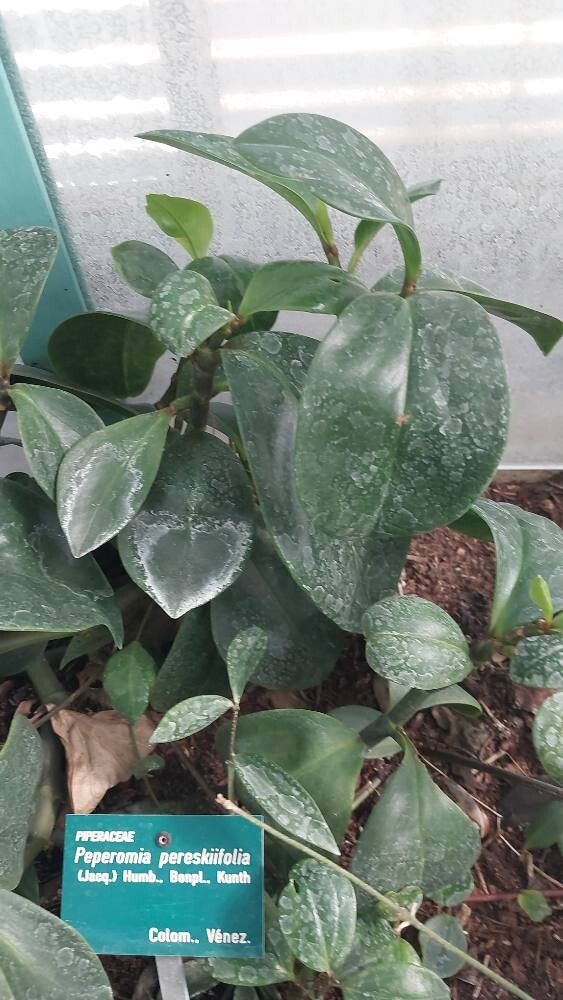
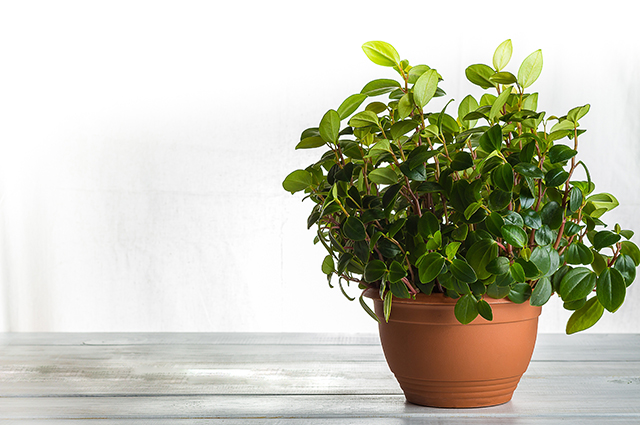
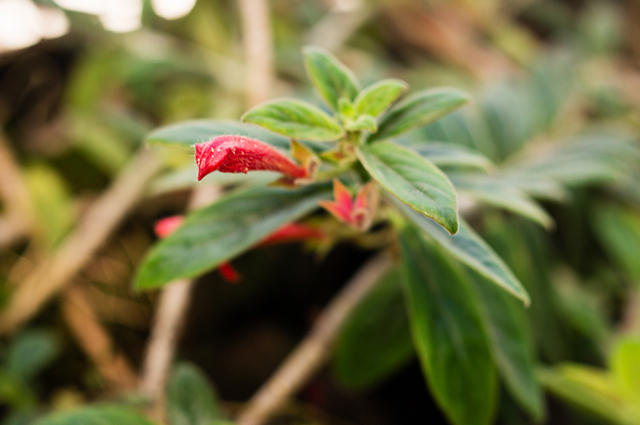
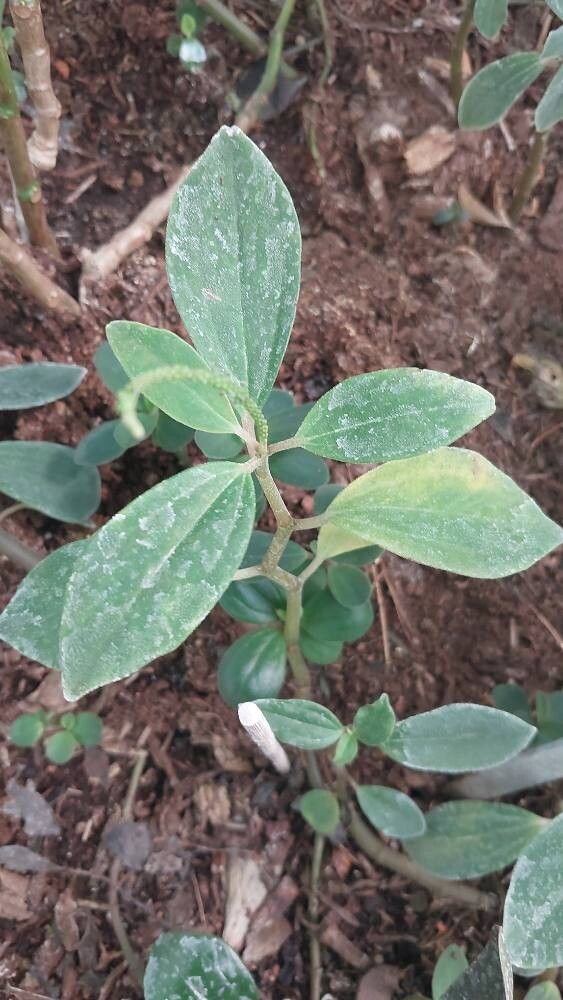
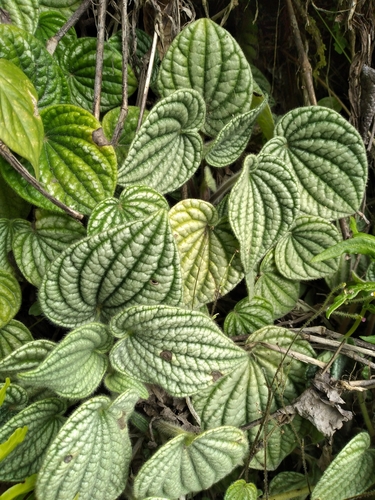
Perennial evergreen used as ornamental plant mostly for the leaves and can be for the water, grow in tropics, mediterranean, subtropical climate or indoor as houseplant.
Peperomia has moderate disease resistance but is more sensitive to humidity and overwatering. It also becomes more prone to disease if it receives insufficient light and is overwatered. Regarding care, Peperomia tolerates drought and can go long periods without watering. It requires little fertilizer and only occasional pruning. Because of this, it is appropriate for people at any experience level, especially those who want to spend less time on plant care or who may be away from home for extended periods. It is a good option for anyone who does not want to devote much time to caring for plants but still wants an easy-to-maintain specimen.
How to keep Peperomia Pereskiifolia.
Light
Peperomia is native to the understory of tropical forests, thriving in deep shade with occasional dappled sunlight and able to adapt to places with little direct sun.
Water
The succulent leaves of peperomia plants indicate that the plants don't need frequent watering to maintain vigor. Peperomia obtusifolia is considered to be a drought-resistant plant because it stores water in its leaves. Allow the surface of the soil to dry out between waterings. Keeping the peperomia on the dry side is better than saturating it, which leads to root rot and fungus gnat problems. Be careful not to overwater the plant and use room temperature, lime-free water if possible.
Temperature
Peperomia is adapted to temperatures typical of its native habitat, roughly 59 to 100 °F (15 to 38 ℃). In colder periods, be sure to adjust the surrounding temperature to this preferred range to encourage better growth.
Fertilizer
For Peperomia, light doses of fertilizer once or twice a year during the growing season are sufficient. Avoid fertilizing in winter and in summer when the plant is dormant. Use less fertilizer for repotted plants and wait a couple of months after repotting before applying fertilizer. Fertilizing supports healthy growth and encourages blooms.
Pruning
Prune the plant if you want to maintain or change its shape.
Pot & Repot
When repotting a Peperomia, choose a pot slightly larger than the current one that has good drainage. Use a gritty, well-draining succulent or cactus mix. Carefully remove the plant from its old pot, knock off excess soil, and replant it at the same depth. Wait a few days before watering to allow any root damage to heal. Repot in spring or fall and place the plant in a brightly lit area.
Botanical profile.
- Plant Type
- Succulent
- Life Cycle
- Perennial
- Genus
- Peperomia
- Family
- Piperaceae
- Hardiness Zone
- 8-11
- Mature Height
- 5 cm to 10 cm
- Mature Spread
- 15 cm to 25 cm
- Leaf Color
- Green
- Leaf Type
- Evergreen
- Flower Color
- White
- Flower Size
- 0.20 cm to 0.25 cm
- Bloom Time
- All year round
- Planting Time
- Spring, Summer, Autumn
- Harvest Time
- All year round
- Native Area
- Colombia, Venezuela, Peru, Brazil, Ecuador
Other names.