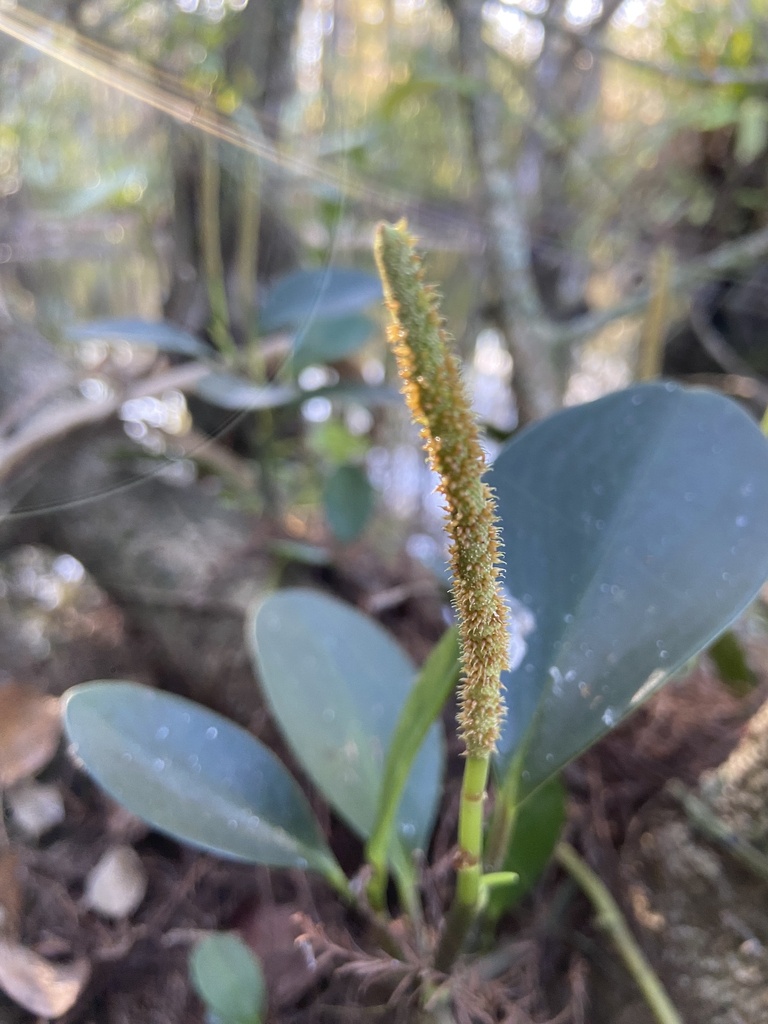
Peperomia obtusifolia, commonly known as the baby rubber plant, is a popular houseplant from the Piperaceae family. Native to Central and South America, it has become a favorite among plant enthusiasts for its ease of care and attractive appearance.
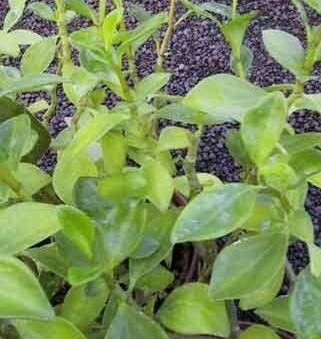
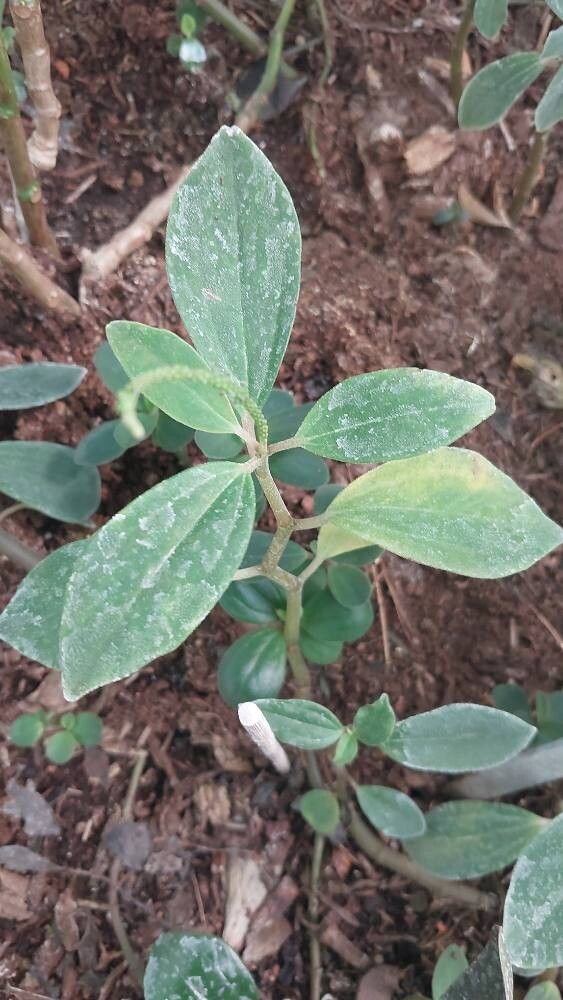
The baby rubber plant features thick, glossy leaves that are oval-shaped with pointed tips. These leaves are typically dark green, but you can also find variegated patterns with cream or yellow hues. The plant reaches up to 12 inches in height and 8 inches in width.
Peperomia obtusifolia thrives in bright, indirect light, making it ideal for indoor spaces with filtered light or shaded areas. It prefers well-draining soil that is kept moist but not waterlogged.
This houseplant can be propagated through stem or leaf cuttings during the growing season. Additionally, it is known for its air-purifying properties, helping to remove toxins from indoor air.
Overall, Peperomia obtusifolia is an excellent addition to any indoor space due to its low maintenance requirements and attractive appearance.
Baby Rubber Plant: When you first encounter Peperomia obtusifolia, you'll likely be drawn to its glossy, succulent leaves. These dark green leaves are visually appealing and give the plant an appearance reminiscent of a true rubber plant. Despite this similarity, it is unrelated to actual rubber plants and is affectionately known as the "baby rubber plant."
Baby rubberplant has good resistance to disease and is generally not susceptible to illnesses. However, it can be prone to leaf spots if light and ventilation are poor and watering is excessive. The plant is considered easy to care for, as it mainly needs regular watering and little else. It is suitable for people who lack the time and energy to devote to regular care.
How to keep Peperomia Obtusifolia.
Light
The baby rubberplant blossoms with minimal sunlight, they prefer settings with less brightness, and can also survive in low light conditions. Native to environments with mixed light, too much or too little light can adversely affect its health. An appropriate balance of sunlight is essential for each stage of its growth.
Water
The baby rubber plant, which originally comes from tropical rainforests, thrives in high humidity and consistent moisture. It does best in evenly moist, well-draining soil and needs moderate weekly watering to prevent sogginess. This plant is ideal for indoor environments, as it benefits from conditions that resemble its naturally humid habitat.
Humidity
This plant will thrive in moderate humidity, which is probably the level in your home. However, misting it a few times a week can be very beneficial. Make sure the room has good ventilation.
Temperature
The typical temperature span for a baby rubberplant is from 68℉ to 100℉ (20℃ to 38℃), as a result of its natural habitat in the tropics. It is most comfortable at a room temperature of approximately 72℉ (22℃). In the winter season, it is recommended to relocate it from chilly windows or breezes to prevent a decrease in temperature.
Fertilizer
During the active growth phase that mainly happens in spring, summer, and early autumn, the baby rubberplant needs the highest amount of fertilizer. The soil might lack some vital nutrients, which fertilization would supply to the plant. This way, the plant can develop healthy roots and stems and the desirable leafage that is characteristic of this particular plant type.
Pruning
The baby rubber plant boasts lush, dark green leaves and is easy to care for. To promote a bushier growth and remove any damaged leaves, prune the plant between early and late spring. Use sharp scissors to cut just above the leaf nodes. This will help improve the plant's shape, enhance air circulation, and reduce the risk of disease.
Pot & Repot
When it's time to repot your Baby rubber plant, opt for a container that's 1-2 inches larger with plenty of drainage. Fill it with a potting mix that drains well. The ideal seasons to repot are spring or autumn, and when doing so, ensure the root ball sits a bit lower than the pot's edge. Once repotting is complete, give the plant a thorough watering and position it in a warm location where it will receive indirect sunlight.
Toxicity
Peperomia obtusifolia is non-toxic, according to the ASPCA, therefore your pets and children are safe if they munch on a leaf or two. It's important to remember that any plant might cause vomiting and diarrhea in pets. If your pets are particularly fond of nibbling on leaves, keep your baby rubber plant out of their reach!
Further reading →
The toxicity and danger assessments provided are for reference only. We do not assure their accuracy, so it's crucial not to depend on them. Seek professional advice when necessary for accurate guidance.
Botanical profile.
- Plant Type
- Herb
- Life Cycle
- Perennial
- Genus
- Peperomia
- Family
- Piperaceae
- Hardiness Zone
- 10-12
- Mature Height
- 8 cm to 40 cm
- Mature Spread
- 20 cm
- Leaf Color
- Green, Red
- Leaf Type
- Evergreen
- Flower Color
- White
- Flower Size
- 2.54 cm
- Bloom Time
- Mid summer
- Planting Time
- Spring, Summer, Autumn, Winter
- Harvest Time
- All year round
- Native Area
- Belize, Honduras, Mexico, Peru, Panama, Jamaica, Colombia, Bahamas, Cuba, Bolivia, Venezuela, Guyana, Brazil, Nicaragua, Ecuador, Costa Rica
Other names.
Reader questions.
When Should I Water My Baby Rubber Plant?
To determine the optimal time for watering your baby rubber plant, check the soil moisture by inserting your finger about 1 to 2 inches into the soil to assess its dryness. It is advisable to water the plant if the soil at this depth feels dry. Be cautious of watering too early or late, as both can have adverse effects on the plant's health. Wilting leaves, pale or yellowing leaves, and a dry or shriveled potting mix are all signs that your baby rubber plant needs water. Conversely, signs of excessive watering include drooping appearance, root diseases, and plant death. Recognizing these indicators will help maintain the plant's vitality by ensuring it receives water at the most beneficial times.
Why should I put fertilizer on my Baby rubber plant?
All plants, including the Baby rubber plant, need soil nutrients for growth. However, it's not always guaranteed that the soil they grow in will have all the necessary nutrients. Fertilization and soil amendments are important to provide basic and specific nutrients to your garden plants. In the case of the Baby rubber plant, fertilizer is needed to support healthy root and stem development during the growing season. Fertilization will also enhance the appearance of its foliage, which is the main ornamental feature of this plant.
What are the sunlight requirements for a baby rubber plant?
The baby rubber plant, known botanically as Peperomia obtusifolia, thrives with limited exposure to sunlight and prefers less illuminated settings. This plant is adapted to environments with dappled light, which enables its growth. It can also endure low-light conditions but its health might be compromised by either too much or too little light. For optimal growth, careful modulation of light exposure is important through each stage of growth. This entails understanding that full shade means less than 3 hours of sunlight, and partial sun refers to about 3-6 hours of sunlight per day. Observing how sunlight moves through your garden and choosing locations that offer a balance of light and shade will ensure the plants' well-being.
What is the ideal temperature range for a Baby rubber plant?
The Baby rubber plant, botanically known as Peperomia obtusifolia, thrives in tropical climates and prefers temperatures between 68°F to 100°F (20°C to 38°C). It is best kept at room temperatures around 72°F (22°C). During winter, it's important to move the plant away from cold windows or drafts to prevent exposure to low temperatures, as the plant enjoys warmth. It's crucial to maintain indoor temperatures above 20°C during colder months, ensuring the plant is brought indoors in autumn to avoid cold damage. Keeping the plant away from heaters while ensuring it has enough light is beneficial for its growth.
How Should I Water My Baby Rubber Plant?
The baby rubber plant benefits from bottom-watering, which ensures the roots are adequately hydrated without leaving too much moisture on the surface. Fill a basin with water and allow the plant, in its drainage container, to absorb water through the bottom. A moisture meter can help gauge when the plant requires watering. While watering, focus on the roots and base of the plant, rather than the leaves or stem. Utilizing a watering can with a thin, long spout is recommended to direct the water flow accurately and avoid soaking the foliage. Take care to not over-moisten the leaves as this could lead to leaf rot.
When should I fertilize my Baby rubber plant for the best results?
During the active growth phase in spring, summer, and early fall, Baby rubber plants need the most fertilizer. Once winter is over, you should feed them every two to four weeks until fall. Then, gradually reduce the amount of fertilizer until you stop entirely in preparation for winter, when the plants have less active growth.
How can artificial lighting be used for baby rubber plants?
When natural sunlight is insufficient, especially in winter or less sunny spaces, artificial light serves as a crucial alternative for promoting healthy growth in baby rubber plants. It is recommended to choose the right type of artificial light, such as LED lights, which can be customized to deliver specific wavelengths that the plants need. Full sun plants require 30-50 Watts per square foot, partial sun plants need 20-30 Watts per square foot, and full shade plants need 10-20 Watts per square foot of artificial light. The light source should be placed 12-36 inches above the plant to imitate natural sunlight and should be on for 8-12 hours per day depending on the specific needs of your plant species.
How should I care for my Baby rubber plant in cold temperatures?
Baby rubber plants are not tolerant of low temperatures and show optimal growth when the temperature remains above 20°C. If exposed to temperatures below 5°C, or especially under 1°C, the leaves may discolor—lightening before turning brown or black—and symptoms like wilting or drooping can appear due to frost damage. To care for a Baby rubber plant in cold conditions, trim off any frost-damaged parts and move the plant indoors to a warm spot, preferably near a south-facing window, which provides ample sunlight. Additionally, avoid placing the plant near heaters or air conditioning vents to keep air moisture levels suitable.
How Much Water Does Baby Rubber Plant Really Need?
The amount of water needed by a baby rubber plant depends on the pot size, root depth, and plant size. A thorough watering that moistens the soil evenly is usually sufficient. Monitor the water flow until it exits the drainage holes to ensure the roots have gotten enough. Signs the plant is appropriately hydrated include healthy, plump leaves and vibrant green foliage. Conversely, signs of underwatering include droopy, wilted, or crispy leaves, while signs of overwatering include yellowing leaves and root rot. Adjusting watering according to the season, with more frequent watering in spring and summer and reduced watering in autumn and winter, is crucial.
When should I not put fertilizer on my Baby rubber plant?
To properly care for your Baby rubber plant, it is important to feed it regularly throughout most of the year, including spring, summer, and most of the fall. However, be cautious if you notice that your plant has received too much fertilizer or if you have fertilized it incorrectly, as this can cause fertilizer burn or other issues. In such cases, it is necessary to address these problems before resuming a regular feeding schedule. During the winter, it is important to refrain from fertilizing your Baby rubber plant. If you keep the plant indoors in a cold winter environment, it will go through a dormant phase. Feeding the plant during this phase is not helpful for its growth and can actually lead to fertilizer burn.
What are symptoms of inadequate light exposure in baby rubber plants?
Symptoms indicating that your baby rubber plant is not getting enough light include leggy or sparse growth, where the space between leaves or stems becomes longer, giving the plant a stretched-out appearance. New leaves may grow smaller than older ones, signaling insufficient light. Chlorosis, or the loss of green color turning leaves yellow, can happen from too much light, negatively impacting the plant's ability to photosynthesize. Other signs of light stress include sunscald, leaf curling, wilting, and leaf scorching, which manifest through physical damage to leaves and stems or adverse physiological responses.
What are the signs and solutions for a Baby rubber plant exposed to high temperatures?
During the summer, it's crucial to keep the Baby rubber plant's temperature below 38°C to prevent heat stress. High temperature exposure exceeding 43°C may cause the leaves to lighten and make the plant prone to sunburn. If your plant shows signs of sunburn, like dried or lightened leaves, you should trim away these harmed parts. Relocating the plant to an area with shade, especially during the strongest sun hours, and ensuring the soil remains moist with morning and evening watering sessions can help protect and revive the plant from high temperature stress.