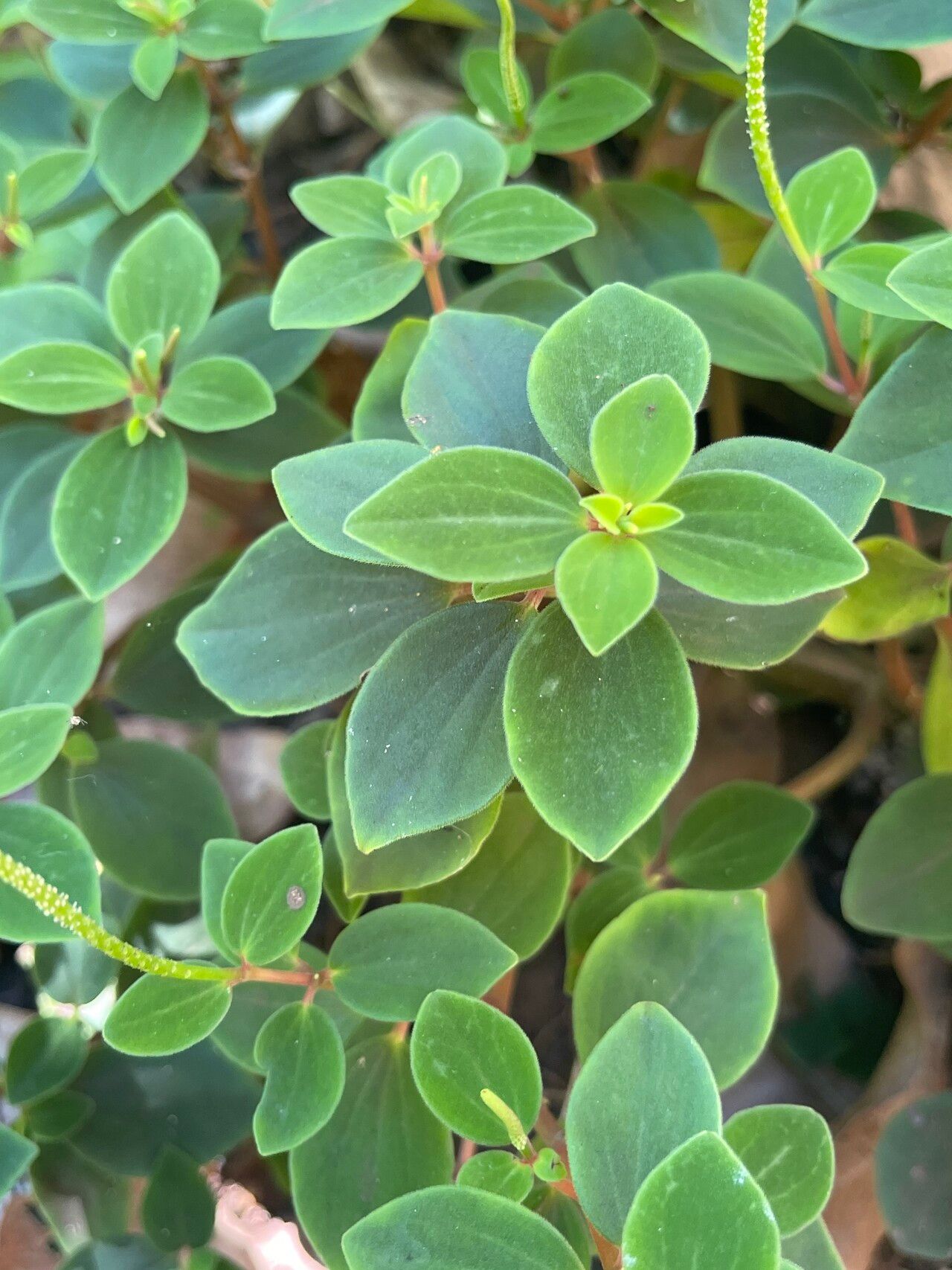
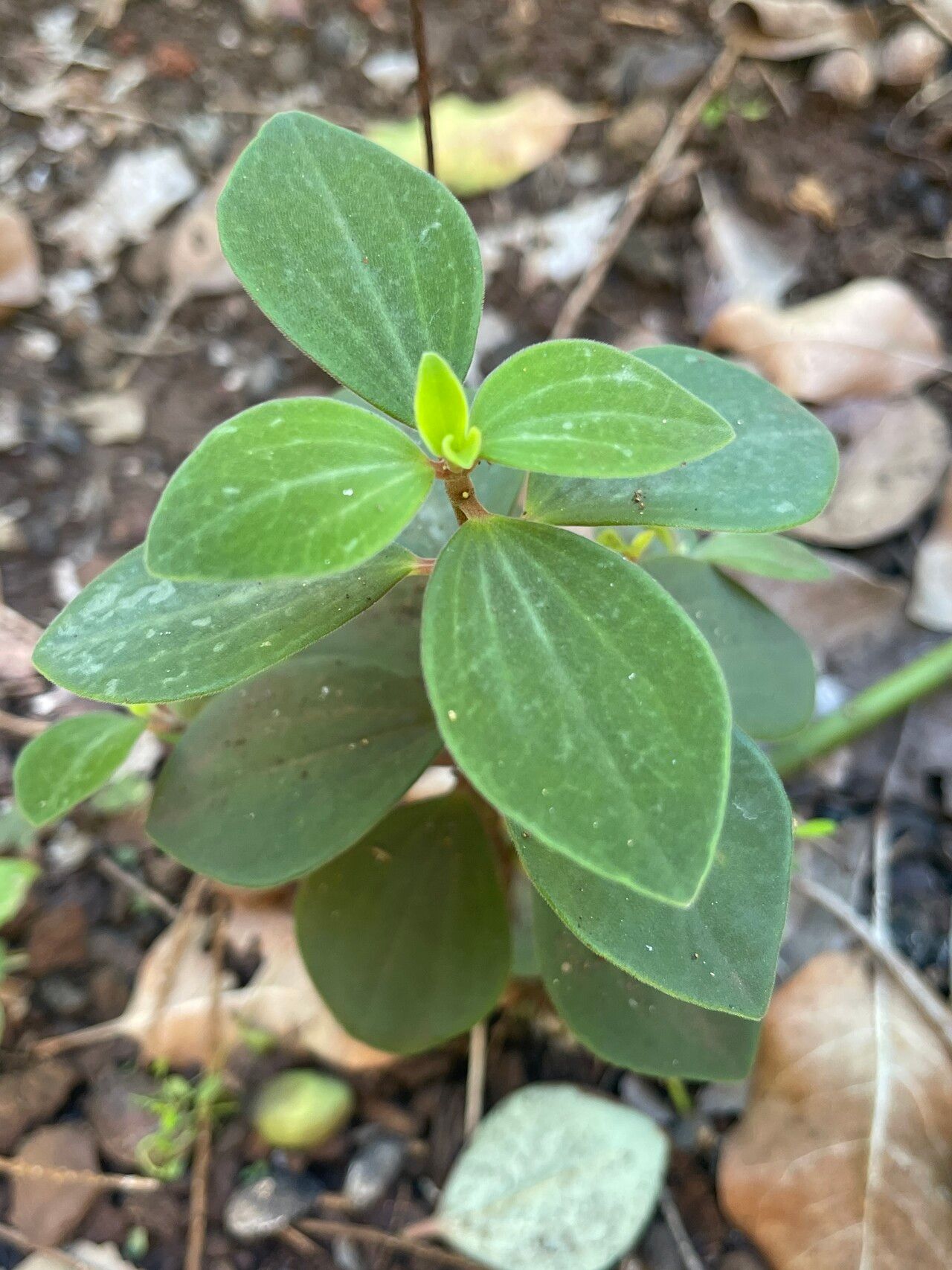
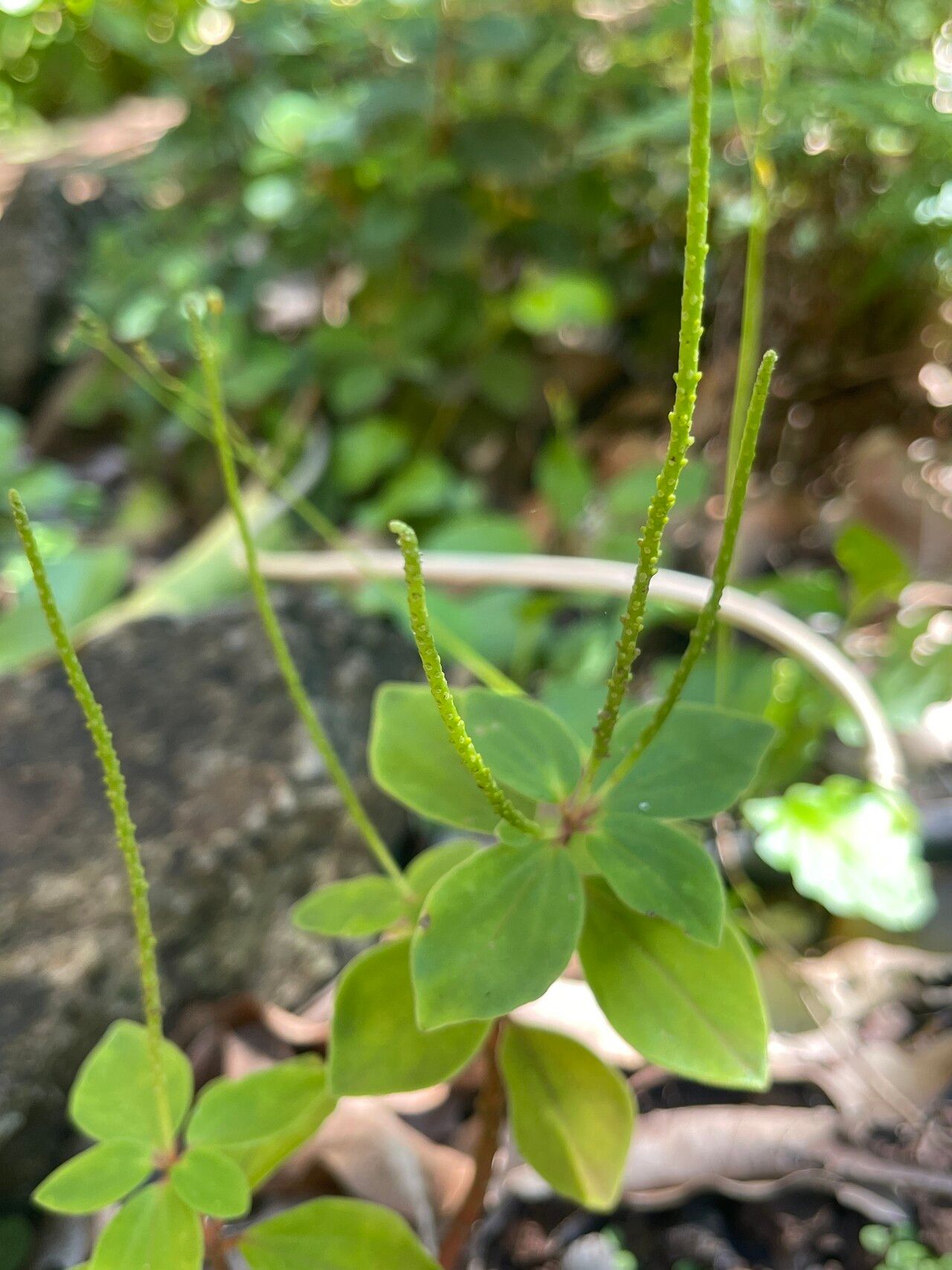
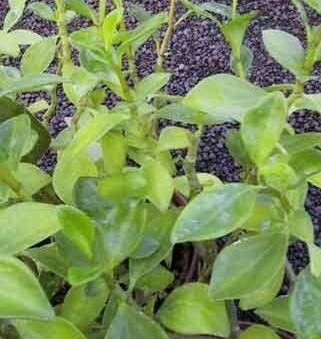
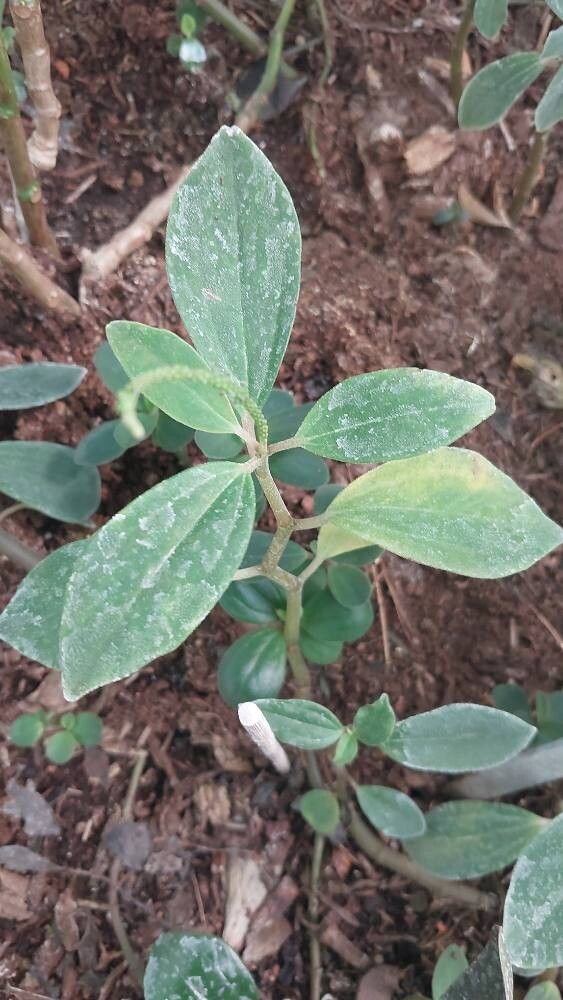
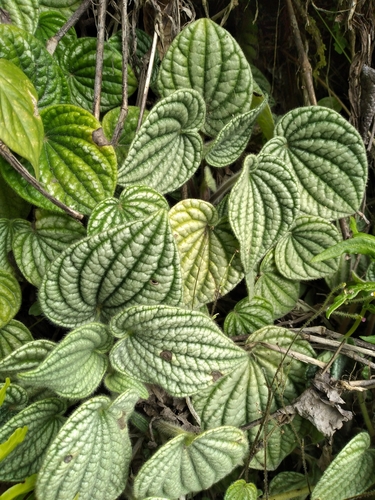
Peperomia leptostachya, commonly known as slender peperomia or hairy peperomia, is a small succulent herb in the pepper family Piperaceae found in most parts of the Paleotropic floristic kingdom, from Africa through Asia to Australia and the western Pacific.
Peperomia leptostachya has moderate disease resistance but is more sensitive to humidity and overwatering. It is also more prone to disease if it gets little light and is overwatered. In terms of care, Peperomia leptostachya is drought-tolerant and can endure long periods without watering. It needs little fertilizer and only occasional pruning. This makes it suitable for people at any experience level, especially those who prefer to spend less time on plant care and who may sometimes be away from home for long stretches. It is a good option for anyone who does not want to invest a lot of time in maintenance but still wants an easy-to-care-for plant.
How to keep Peperomia Leptostachya.
Light
Peperomia leptostachya has its roots in habitats that feature speckled sunlight, like the lower layers of forests or rocky regions, which naturally offer shadows. This plant has a preference for semi-sun but is also capable of withstanding full sun exposure.
Temperature
Peperomia leptostachya flourishes in hot climates and necessitates elevated temperatures during its development stage to boost growth and metabolic processes. It prefers abundant sunlight, suitable dampness, and adequate air circulation. Nonetheless, it tends to be vulnerable to harm from extremely cold temperatures and too much watering. It is crucial to maintain equilibrium and not expose it to extremely high temperatures and excessively dry environments.
Fertilizer
Peperomia leptostachya requires only minimal amounts of fertilizer 1-2 instances per year throughout the growth period. Refrain from administering fertilizer during the dormancy periods in winter and summer. For recently repotted plants, it's better to lessen the amount of fertilizer and let a few months pass post-repotting before applying fertilizer. Providing fertilizer assists in promoting robust growth and stimulating blossoming.
Pot & Repot
When you're looking to repot Peperomia leptostachya, choose a container that's just a bit larger than its current one, ensuring it has ample drainage. Employ a well-draining, grainy mix meant for succulents or cacti. Gently extract the plant from its former pot, shaking off surplus dirt, and transplant it at the equivalent depth. Allow a couple of days before watering to let any root trauma recuperate. The best time for repotting is during the fall or spring, and ensure the plant is located in a well-illuminated spot.
Botanical profile.
- Plant Type
- Herb, Succulent
- Life Cycle
- Perennial
- Genus
- Peperomia
- Family
- Piperaceae
- Hardiness Zone
- 10-12
- Mature Height
- 15 cm to 30 cm
- Mature Spread
- 20 cm to 40 cm
- Leaf Color
- Dark Green, Forest Green
- Leaf Type
- Evergreen
- Flower Size
- 0.20 cm to 0.25 cm
- Bloom Time
- All year round
- Planting Time
- Spring, Autumn
- Harvest Time
- All year round
- Native Area
- Sri Lanka, Malawi, India, Malaysia, South Africa, Zambia, Rwanda, Bangladesh, Yemen, Fiji, Kenya, Uganda, Tanzania, Zimbabwe, China, Cambodia, Burundi, Vietnam, Mozambique, Eswatini, Congo (DRC), Thailand, Congo
Other names.