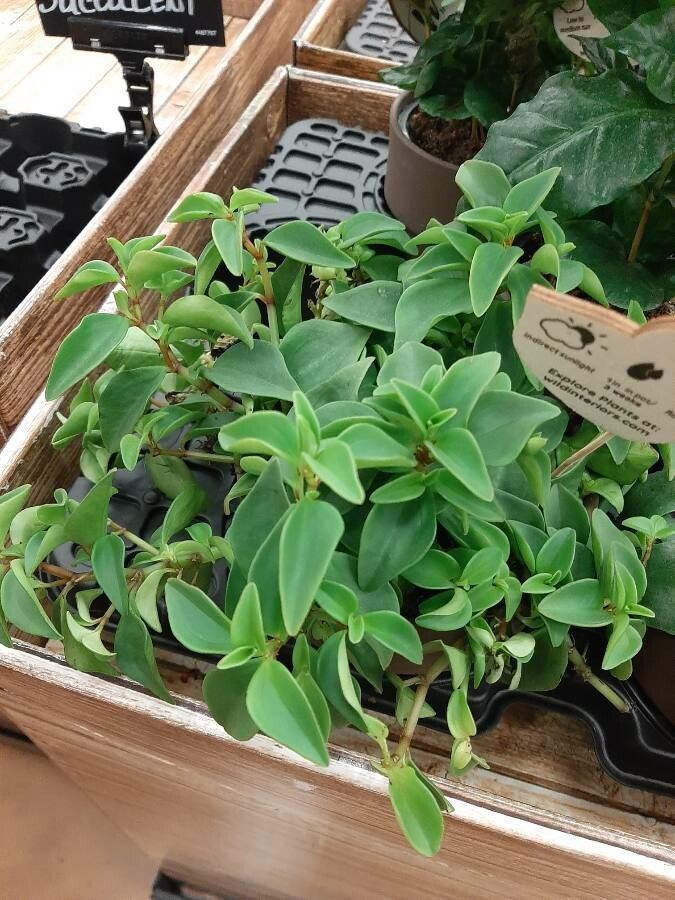
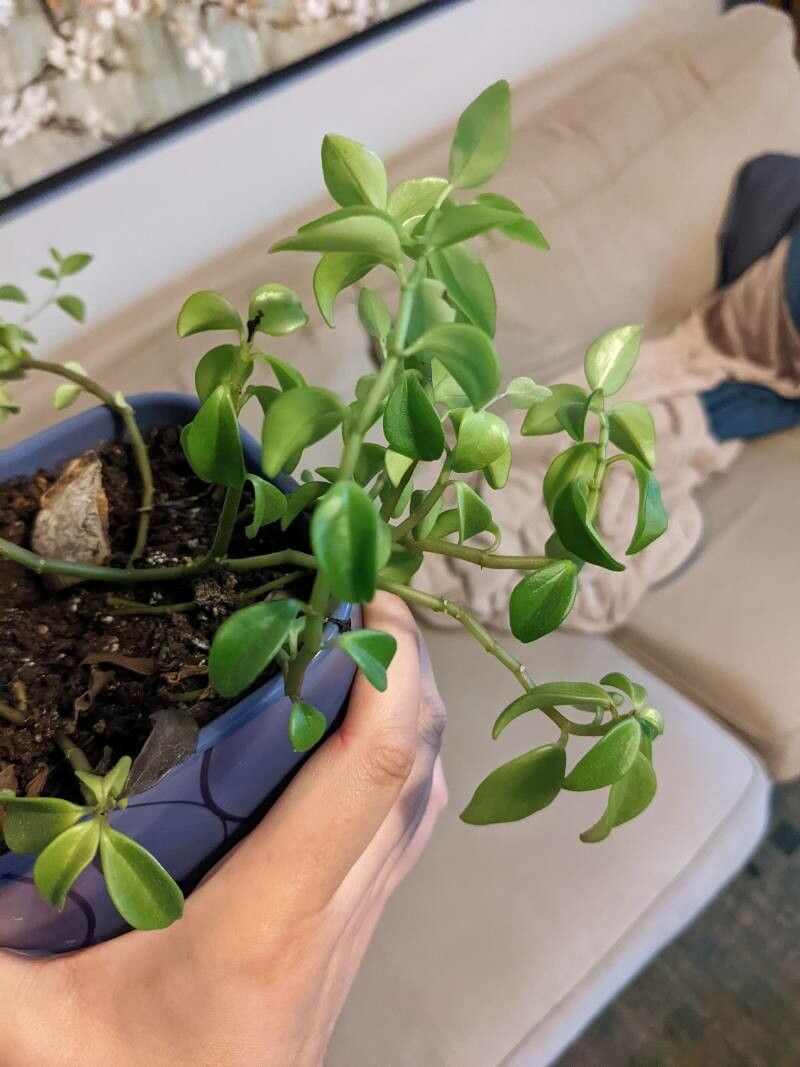
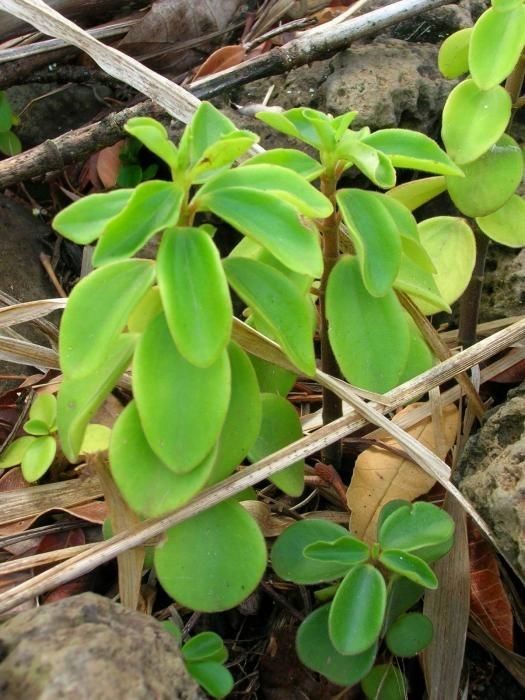
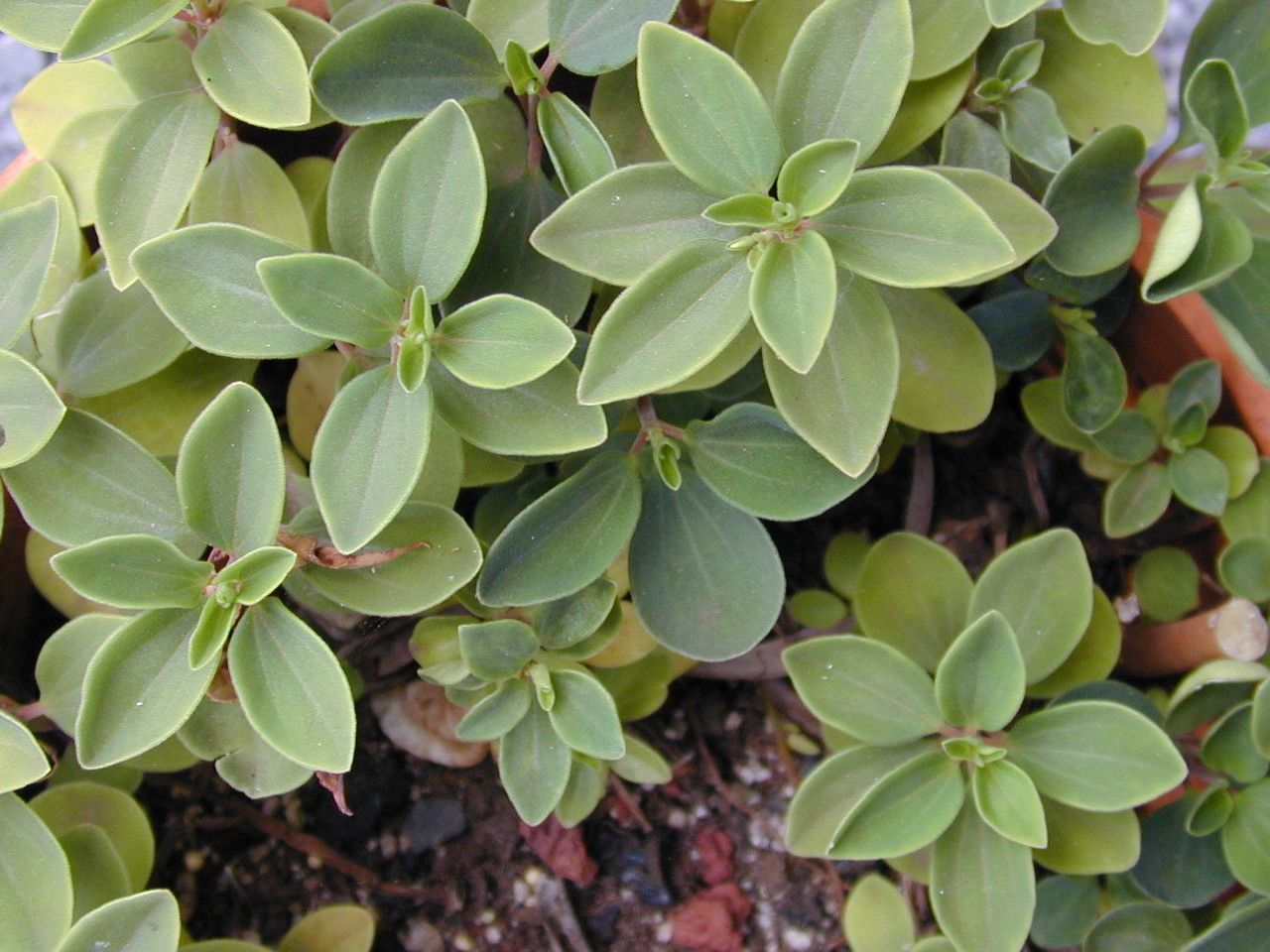
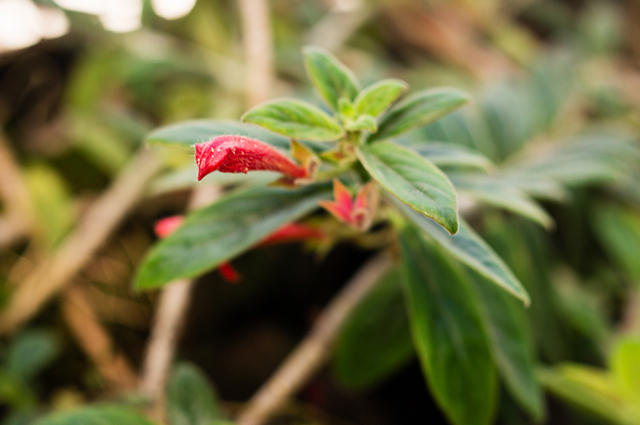
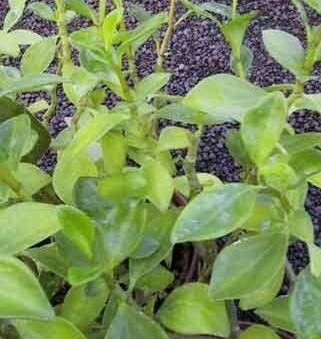
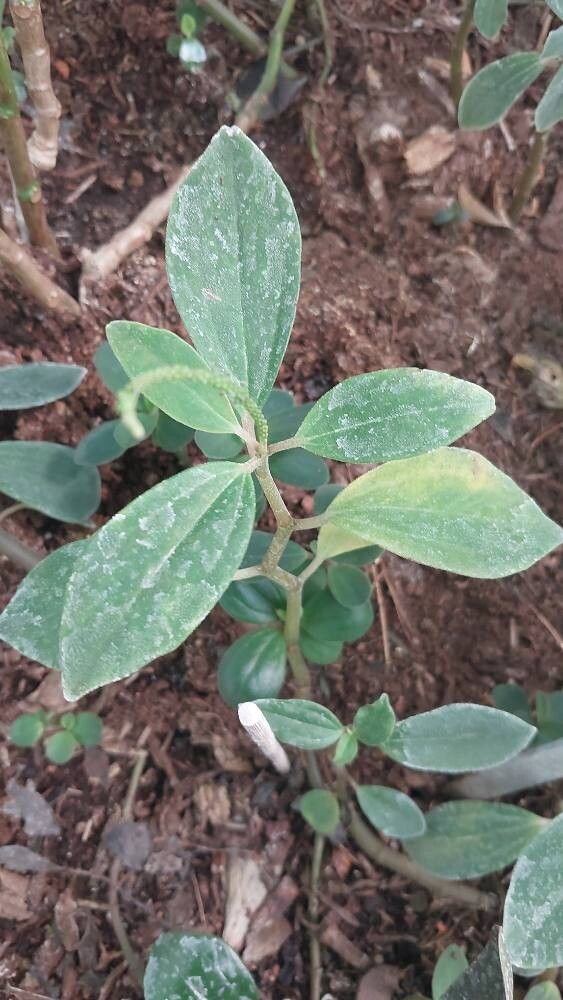
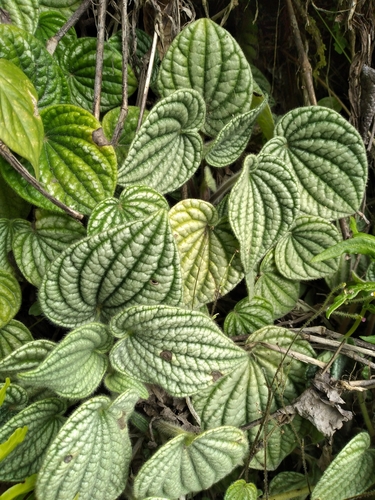
Peperomia humilis is a small, low-growing plant from the Piperaceae family, native to Central and South America. Commonly found in tropical rainforests, this plant has a compact, bushy growth habit with thick stems adorned with small, round leaves. The leaves are dark green with a glossy texture and prominent veins.
Peperomia humilis thrives in bright but indirect light and prefers warm temperatures ranging from 60 to 80°F (15 to 27°C). It requires well-draining soil that remains consistently moist but not waterlogged, as overwatering can lead to root rot.
Propagation of this plant can be achieved through stem cuttings or division of the root ball. Peperomia humilis is an excellent houseplant due to its low maintenance requirements and attractive appearance. Additionally, it is known for its air-purifying properties, helping to remove toxins from indoor air.
In summary, Peperomia humilis is an easy-to-care-for plant that enhances any indoor space with its beauty and freshness, while also providing health benefits to its owners.
Polynesian peperomia has moderate disease resistance and is more sensitive to humidity and overwatering. It becomes more prone to disease when it receives insufficient light and is overwatered. Regarding care, Polynesian peperomia is drought-tolerant and can go long periods without watering. It requires little fertilizer and only occasional pruning. Because of this, it is appropriate for people at any experience level, especially those who prefer to spend less time on plant care or who may be away from home for extended periods. It is a good option for anyone who does not want to devote much time to plant maintenance but still wants an easy-to-care-for plant.
How to keep Peperomia Humilis.
Light
Polynesian peperomia comes from habitats with dappled light—for example, the understory of forests or rocky locations that offer natural shade. It prefers partial sun but can also tolerate full sun.
Water
The succulent leaves of peperomia plants indicate that the plants don't need frequent watering to maintain vigor. Allow the surface of the soil to dry out between waterings. Keeping the peperomia on the dry side is better than saturating it, which leads to root rot and fungus gnat problems.
Temperature
Polynesian peperomia grows best in warm conditions and needs higher temperatures during the growing season to support growth and metabolic processes. It prefers plenty of light, correct moisture levels, and good air circulation. However, it can be damaged by very low temperatures and by overwatering. It’s also important to maintain a balance and avoid excessively high temperatures or overly dry conditions.
Fertilizer
For Polynesian peperomia, light fertilizing once or twice a year during the growing season is enough. Do not fertilize in winter or in summer when the plant is dormant. Use less fertilizer for plants that were recently repotted, and wait a few months after repotting before you begin feeding. Fertilizing helps maintain healthy growth and promotes flowering.
Pruning
Lightly pruning your peperomias will encourage new and lush growth
Pot & Repot
When repotting Polynesian peperomia, choose a pot a little bigger than the current one that provides good drainage. Fill it with a gritty, well-draining succulent or cactus soil mix. Gently take the plant out of its old pot, brush away excess soil, and set it into the new pot at the same planting depth. Hold off on watering for a few days so any root injuries can recover. Repot during spring or fall and place the plant where it receives bright light.
Toxicity
Peperomias are non-toxic to humans and pets.
Further reading →
The toxicity and danger assessments provided are for reference only. We do not assure their accuracy, so it's crucial not to depend on them. Seek professional advice when necessary for accurate guidance.
Botanical profile.
- Plant Type
- Herb, Succulent
- Life Cycle
- Perennial
- Genus
- Peperomia
- Family
- Piperaceae
- Hardiness Zone
- 10-12
- Mature Height
- 10 cm to 15 cm
- Mature Spread
- 15 cm to 20 cm
- Leaf Color
- Dark Green, Forest Green
- Leaf Type
- Evergreen
- Flower Size
- 0.20 cm to 0.25 cm
- Bloom Time
- All year round
- Planting Time
- Spring, Summer
- Harvest Time
- All year round
- Native Area
- Mexico
Other names.