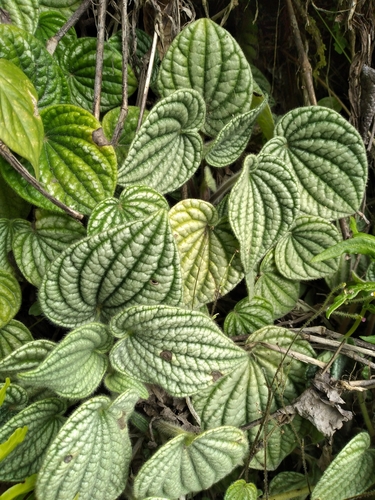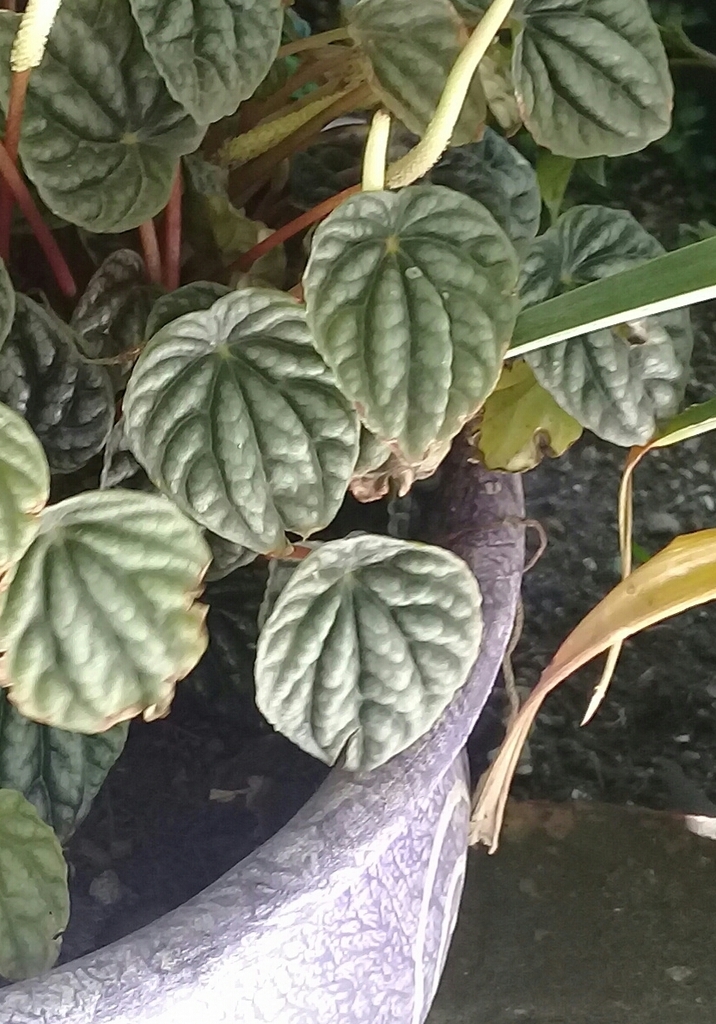
Peperomia caperata is a popular houseplant, prized for its attractive foliage and ease of care. Native to South America and belonging to the Piperaceae family, this plant features heart-shaped leaves that are dark green with deep ridges, giving them a crinkled appearance. The velvety texture of the leaves further enhances its unique appeal.
Peperomia caperata thrives in bright, indirect light but can also adapt to low light conditions. It requires well-draining soil and should only be watered when the top inch of soil feels dry. Overwatering can cause root rot, so it's crucial to avoid letting the plant sit in standing water.
Reaching up to 8 inches in height and width, Peperomia caperata is perfect for small spaces or as part of a larger arrangement with other plants. It is non-toxic and safe for pets.
Several variations of the tropical emerald ripple peperomia (Peperomia caperata) plant have been cultivated to display a range of leaf colors, including striking shades such as purple, silver, red, and black. FUN FACT · FROM THE LIBRARY
Overall, Peperomia caperata is an excellent choice for anyone seeking an easy-care houseplant with unique foliage that adds both texture and visual interest, whether indoors or in warmer outdoor climates.
Emerald Ripple Peperomia: This popular evergreen plant is known for its vibrant, green leaves that stay fresh all year round. Its name, "emerald ripple," comes from the heart-shaped leaves that feature a unique ripple texture.
Emerald Ripple pepper is generally disease-resistant and usually not prone to illness. However, it can be vulnerable to leaf spots if light and ventilation are poor and watering is excessive. The plant is considered easy to care for, requiring only regular watering and little else. Emerald Ripple pepper is a good choice for people who do not have much time or energy to devote to routine care.
How to keep Peperomia Caperata.
Light
Emerald ripple pepper prefers a low-light setting, which is best for its growth. Native to shaded areas, its sunlight exposure should be controlled and not intense. At each growth stage, moderate light is preferable. Excessive light can harm the leaves, while too little light prevents strong development.
Water
Emerald ripple peperomia, a plant native to tropical rainforests, thrives best with consistent moisture and moderate humidity. To care for it, water it weekly and keep an eye on the soil moisture levels to prevent overwatering, which can lead to root rot. While it can withstand occasional dry spells, this plant is especially admired for its attractive foliage, making it a popular choice for indoor gardening.
Humidity
This plant will thrive in moderate humidity, which is probably the level in your home. However, misting it a few times a week can be very beneficial. Make sure the room has good ventilation.
Temperature
In its native habitat, the emerald ripple pepper favors temperatures between 68 and 100°F (20 and 38°C). It is a temperate woody species that might need temperature adjustments across seasons to maintain optimal growth.
Fertilizer
Emerald ripple pepper needs the most fertilizer during its active growth phase, which takes place mainly in spring, summer, and early fall. Fertilizing supplies essential nutrients the soil may lack, supporting healthy root and stem development and the attractive foliage that is a defining feature of this plant.
Pruning
Prune your emerald ripple peperomia in early to mid-spring to encourage healthy growth. Start by removing any dead leaves and pinch back the stems to promote a bushier appearance. This not only supports healthy foliage but also enhances airflow and reduces the risk of pests and diseases. Pruning at this time aligns with the plant's growth cycle, ensuring it rejuvenates optimally during the growing season.
Pot & Repot
When repotting an Emerald ripple pepper, pick a container 1-2 inches (2.5–5.1 cm) larger with good drainage. Use a well-draining potting mix. Repot in spring or fall, making sure the root ball sits slightly below the rim of the flower pot. Water thoroughly after repotting and place the plant in a warm spot with indirect sunlight.
Toxicity
Peperomias aren't toxic to pets such as cats and dogs or even humans.
Further reading →
The toxicity and danger assessments provided are for reference only. We do not assure their accuracy, so it's crucial not to depend on them. Seek professional advice when necessary for accurate guidance.
Botanical profile.
- Plant Type
- Herb
- Life Cycle
- Perennial
- Genus
- Peperomia
- Family
- Piperaceae
- Hardiness Zone
- 10-12
- Mature Height
- 20 cm
- Mature Spread
- 20 cm
- Leaf Color
- Green, Red
- Leaf Type
- Evergreen
- Flower Color
- White
- Flower Size
- 5.08 cm to 7.62 cm
- Bloom Time
- All year round
- Planting Time
- Spring, Summer, Autumn, Winter
- Harvest Time
- All year round
- Native Area
- Brazil
Other names.
Reader questions.
When Should I Water My Emerald Ripple Peperomia?
The timing for watering your Emerald Ripple Peperomia is crucial for its health and growth, enabling lush foliage and survival in indoor or shaded conditions. It's advised to water when the soil is dry up to the first knuckle deep, if the leaves begin to shrink or wilt, the leaf color becomes dull or less vibrant, there's a slowed growth rate, or the pot feels light, indicating dry soil. However, watering too early can lead to root rot, while too late can hinder growth and cause leaf burn.
Why should I add plant food to my Emerald ripple peperomia?
All plants, including the Emerald ripple peperomia, need soil nutrients for growth. However, it's not always guaranteed that the soil will have all the necessary nutrients. Fertilization and soil amendments help ensure that plants in your garden have both the basic nutrients and the specific nutrients they need. For the Emerald ripple peperomia, fertilizer is essential for healthy root and stem development throughout the growing season. It also helps this plant achieve attractive foliage, which is its main ornamental feature.
What are the sunlight requirements for Emerald ripple peperomia?
Emerald ripple peperomia thrives in environments that simulate its native shaded habitats, necessitating careful consideration of its sunlight exposure. The plant prefers low light conditions and should be protected from overpowering sunlight. For optimal growth, it's essential to provide a balanced exposure to light, which includes full shade conditions of less than 3 hours of sunlight and partial sun exposure of about 3-6 hours of sunlight daily. Observing how sunlight traverses your garden will aid in selecting spots that furnish an ideal mix of light and shade, crucial for the plant's well-being.
What are the ideal temperature conditions for Emerald ripple peperomia?
Emerald ripple peperomia thrives in a temperature range of 68 to 100°F (20 to 38°C), indicative of its preference for warm environments. It is important to adjust temperatures across seasons to ensure optimal growth. During colder months, particularly in autumn, it's advisable to move the plant indoors to a location near a bright window, while being mindful to keep it away from direct heat sources like heaters. Ensuring the temperature remains above 20°C during winter is crucial for its well-being, as exposure to temperatures around 5°C or lower is harmful to the plant.
How Should I Water My Emerald Ripple Peperomia?
Watering Emerald Ripple Peperomia requires specific considerations. The bottom-watering method is recommended, where the plant pot is placed in a tray of water, allowing moisture absorption from the bottom up. This helps avoid over-saturation at the surface and prevents moisture on the foliage that can cause fungal diseases. If using a watering can, choose one with a narrow spout to target the water directly at the base and avoid the leaves.
When should I fertilize my Emerald ripple peperomia?
An Emerald ripple peperomia requires the most fertilizer when it's actively growing, which is usually during spring, summer, and early fall. During this time, feed it once every two to four weeks. As winter ends, continue feeding at the same rate until fall arrives. At that point, gradually reduce the amount of fertilizer you give, until you stop feeding it completely in anticipation of the less active growth during winter.
How should artificial lighting be used for Emerald ripple peperomia?
In scenarios where natural sunlight is insufficient, artificial lighting becomes crucial for the growth of Emerald ripple peperomia, especially during winter or in spaces that don't receive ample sunlight. Optimal growth is facilitated by using artificial lights, such as LED lights, which can be tailored to provide specific wavelengths needed by the plant. The intensity of artificial light recommended varies based on the plant's sunlight needs: 30-50W/sq ft for full sun plants, 20-30W/sq ft for partial sun plants, and 10-20W/sq ft for full shade plants. The artificial light source should be placed 12-36 inches above the plant, mimicking natural sunlight as closely as possible, and should be left on for 8-12 hours a day to simulate the length of natural daylight hours appropriate for the plant species.
How should I care for Emerald ripple peperomia in low temperatures?
In lower temperatures, Emerald ripple peperomia requires particular care since it's not tolerant to cold. The ideal measure is to keep it in conditions above 20°C, especially during winter to prevent the temperature from dropping below 5°C. Cold exposure can lead to symptoms such as leaf color lightening, which eventually turns brown or black after frost damage, accompanied by wilting and drooping. To mitigate frost damage, trim the affected parts and move the plant to a warmer indoor area, preferably near a south-facing window to ensure it receives ample sunlight. However, it's important to avoid placing the plant too close to heaters or air conditioning vents to prevent the air from becoming excessively dry.
How Much Water Does Emerald Ripple Peperomia Really Need?
Emerald Ripple Peperomia, originating from humid Central and South America's rainforests, prefers moist soil without being waterlogged. Aim to balance moisture levels, allowing soil to slightly dry between waterings. A medium-sized pot typically requires 200-300 milliliters per session. Properly watered, its leaves will be plump and shiny, displaying vibrant green colors. Over or under-watering can manifest in drooping leaves, discoloration, or stunted growth.
When is it not a good time to fertilize my Emerald ripple peperomia?
For most of the year, such as spring, summer, and most of the fall, it's important to regularly feed your Emerald ripple peperomia. However, if you accidentally apply too much fertilizer or make a mistake while fertilizing, causing fertilizer burn or other issues, you'll need to fix the problem before resuming regular feeding. The only exception is during winter, when it's best not to fertilize this plant. If you have this plant indoors in a cold winter area, it will go into a dormant phase. Feeding the plant during this phase is unnecessary and actually harmful, as it can cause fertilizer burn.
What are the signs of inappropriate lighting for Emerald ripple peperomia?
Emerald ripple peperomia displays several symptoms when subjected to inadequate lighting conditions, making it vital to monitor and adjust the plant's light exposure. Signs of insufficient light include leggy or sparse growth, lighter-colored new leaves, slower or halted growth, chlorosis, sunscald, leaf curling, wilting, and leaf scorching. These symptoms range from changes in the physical appearance of the plant, such as stretched-out growth or pale leaves, to more severe damage like leaf scorching or necrotic spots due to excessive sunlight. Monitoring these signs can help ensure that the plant receives the appropriate amount of light for healthy growth.
What should I do if Emerald ripple peperomia is exposed to high temperatures?
During the summer, it's essential to keep Emerald ripple peperomia's environment below 38°C as exposure to temperatures above 43°C can lighten the leaf color and increase susceptibility to sunburn. To care for a plant affected by high temperatures, trim away the sunburned or dried parts of the plant. Relocate it to a shaded area, especially during the midday and afternoon sun to prevent further damage. Ensure the soil remains moist by watering in the morning and evening, avoiding the hottest parts of the day.