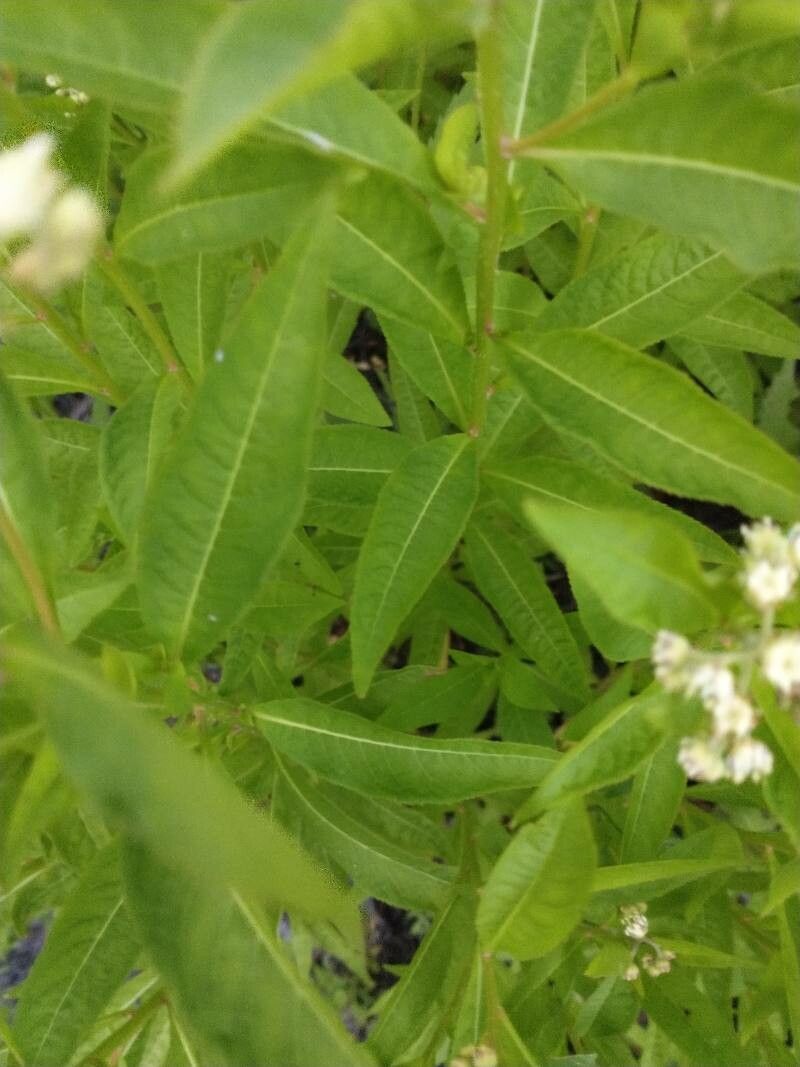
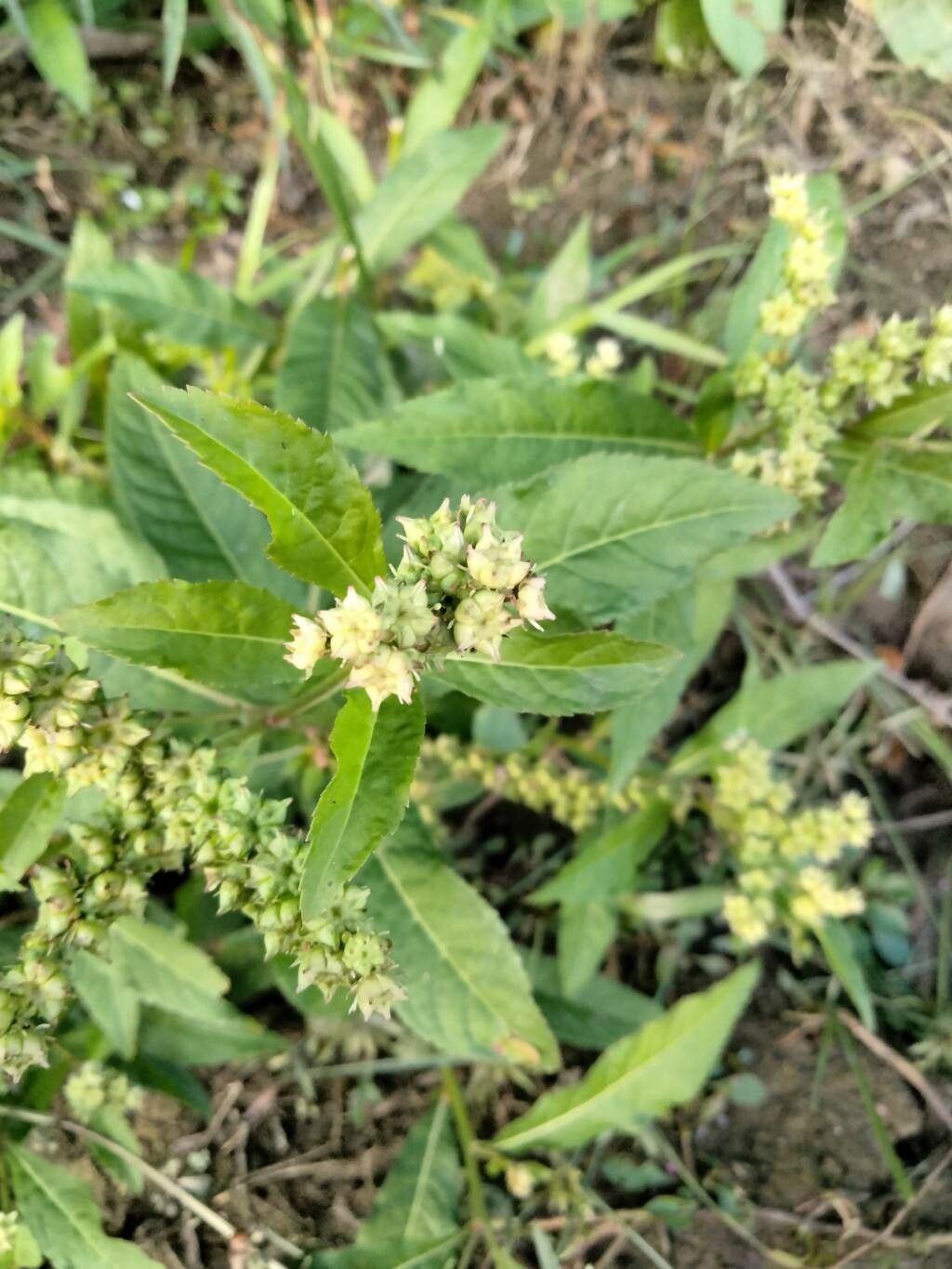
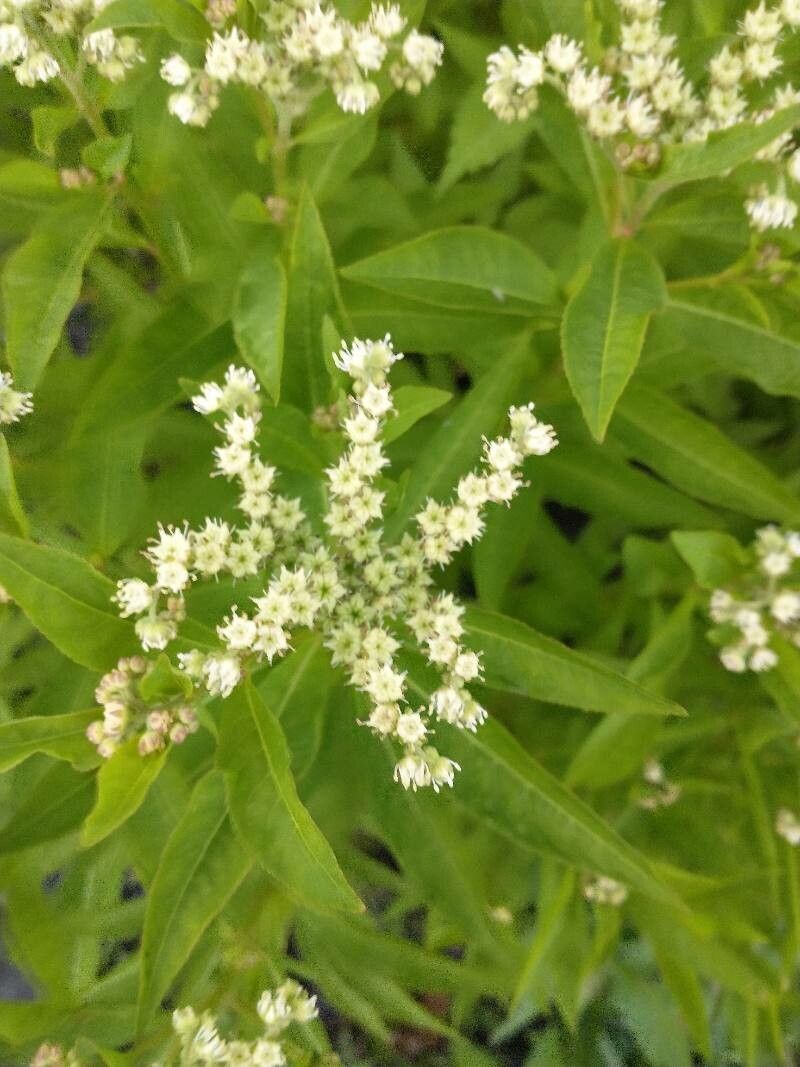
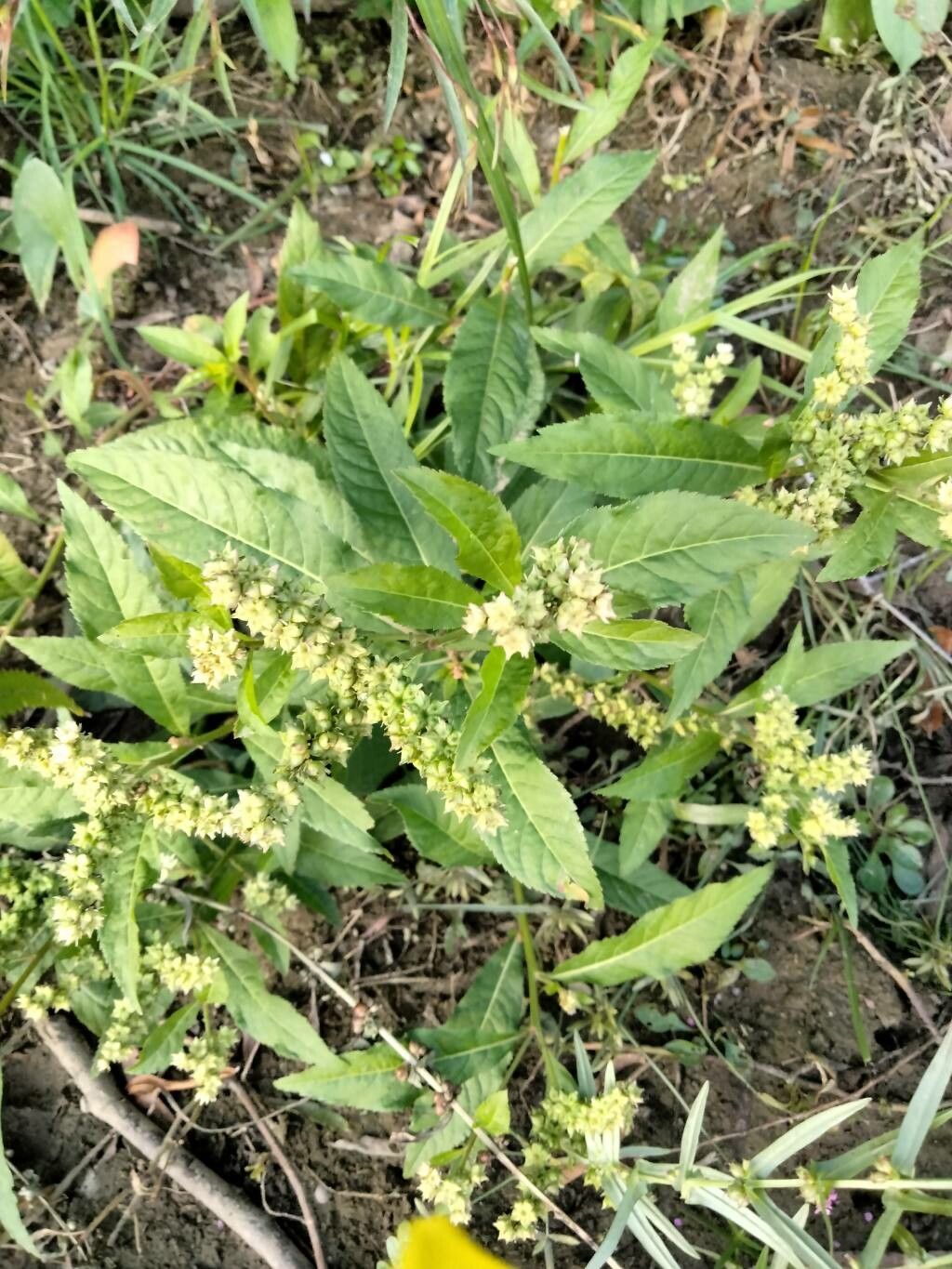
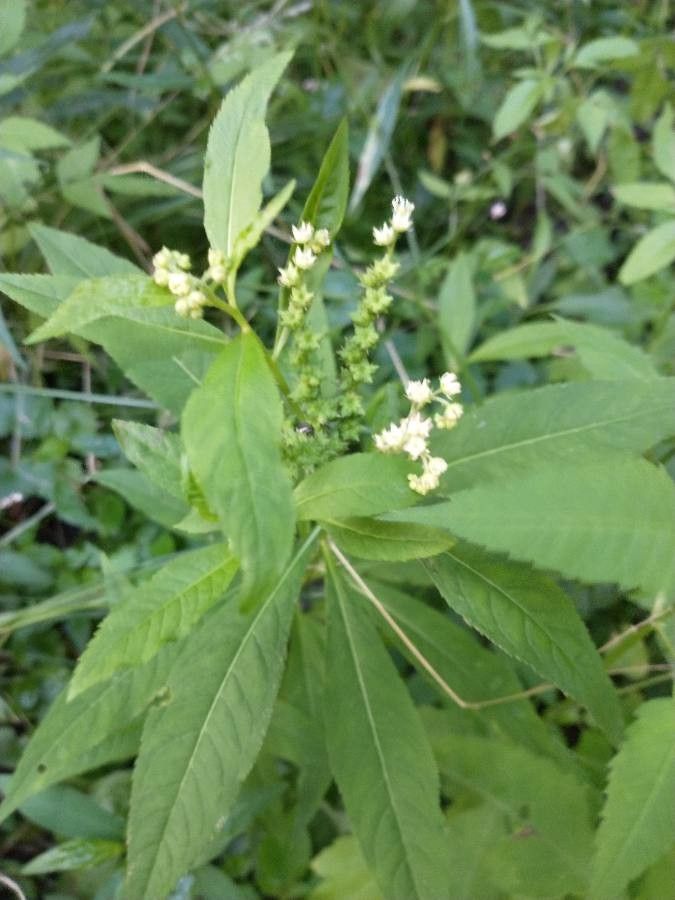
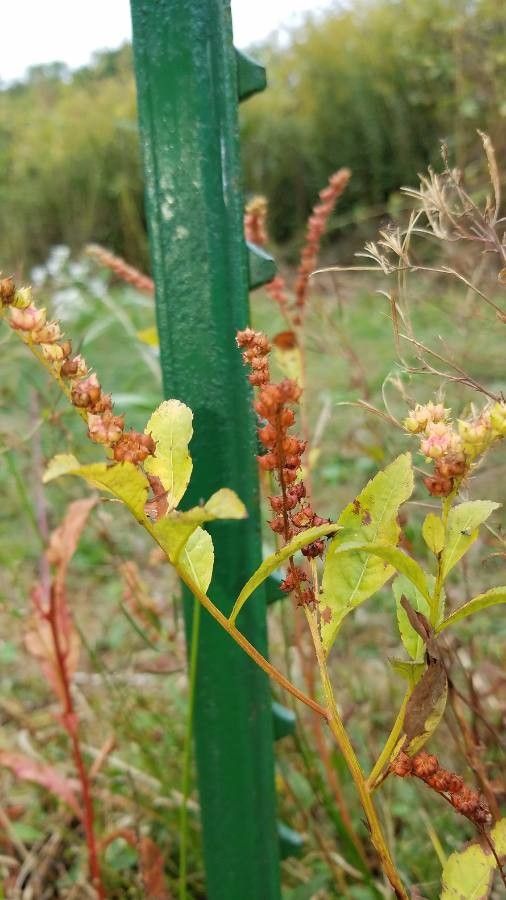
Penthorum sedoides, known by the common name ditch stonecrop, is a perennial forb native to the eastern United States and Canada which produces small white flowers in summer.
Ditch stonecrop is fairly disease-resistant and generally not prone to illnesses. However, it can be susceptible to pests and diseases present in its environment. These problems are typically not serious. For care, the plant requires a moderate level of maintenance. It should be pruned regularly to keep a neat appearance and support healthy growth. Fertilizing can also help encourage flowering. Ditch stonecrop is appropriate for anyone with outdoor space, such as a garden or patio, and does not demand extensive care experience. It may need more attention when grown indoors.
How to keep Penthorum Sedoides.
Light
Ditch stonecrop favors locations with moderate sunlight. Light strongly affects its growth: excessive exposure can scorch the leaves, while too little light may result in poor growth and decreased vigor. Its native habitats had moderate light levels, which explains its preference for similar conditions.
Water
Ditch stonecrop thrives in moist, wetland-like environments. It prefers consistent moisture and can tolerate brief flooding. Weekly watering is essential for its health. This plant is typically found in riparian zones, where it benefits from the soil's moisture content. Its adaptability to varying water levels is one of its key strengths.
Humidity
This plant needs special care because it loves high humidity levels of 60-80% or more. The best way to achieve this is by placing a humidifier near the plant. Daily misting is also essential! Make sure the room has good ventilation.
Temperature
Ditch stonecrop grows best in regions with mild temperatures, usually favoring conditions that remain between 41 and 77 °F (5 and 25 ℃). Seasonal temperature adjustments may be required to guarantee the plant's optimal growth.
Fertilizer
One fertilizer application in spring is generally enough for Ditch stonecrop, though multiple feedings can maximize growth. Feed every month to six weeks. Fertilizing improves leaf appearance and function, helping maintain consistent color and a healthy texture. It also encourages root development and better nutrient uptake for long-term plant health.
Pruning
Ditch stonecrop, a perennial herbaceous plant, thrives in wet soil conditions. To improve its shape and health, begin pruning from early to late spring. It's essential to remove dead stems and thin crowded areas to enhance airflow. Regular pruning encourages vigorous growth and increases the plant's resilience, as recommended by horticultural guidelines.
Botanical profile.
- Plant Type
- Herb
- Life Cycle
- Perennial
- Genus
- Penthorum
- Family
- Penthoraceae
- Hardiness Zone
- 5
- Mature Height
- 15 cm to 61 cm
- Mature Spread
- 30 cm to 46 cm
- Leaf Color
- Green, Dark Green
- Leaf Type
- Deciduous
- Flower Color
- White
- Flower Size
- 2.54 cm
- Bloom Time
- Summer
- Planting Time
- Spring, Summer, Autumn
- Harvest Time
- Late summer, Early fall, Mid fall
Other names.
Reader questions.
How should I water my Ditch stonecrop to make it grow well?
To properly water the Ditch stonecrop, it is best to use filtered, room temperature water. This plant prefers filtered water because tap water may contain harmful particles. Additionally, the water should be at room temperature or slightly warmer since the Ditch stonecrop is accustomed to a warm environment and cold water can be a shock to its system. It is not recommended to water this plant from above as it can cause issues with the foliage. Instead, it is advised to pour the filtered, room temperature water directly onto the soil until it is fully saturated. This helps to moisten the roots and support their spread through the soil, allowing them to collect the necessary nutrients.
Why should I put fertilizer on my Ditch stonecrop?
The main structure of the Ditch stonecrop is made up of its leaves. Fertilization is an important way to make sure the leaves look good and function properly. By fertilizing correctly, you can ensure that the leaves of your Ditch stonecrop remain consistently colored and have a healthy texture. Additionally, fertilization also benefits the root system of your plant. It helps generate new roots and maintain existing ones, which means that fertilizing not only keeps your plant healthy now but also improves its ability to absorb soil nutrients in the long run.
What are the sunlight requirements for Ditch stonecrop?
Ditch stonecrop thrives best with about 3-6 hours of sunlight daily, preferring environments that offer a moderate exposure to sunlight. It's essential to observe the sunlight's movement through your garden to find spots that offer a healthy balance of light and shade, encouraging the plant's well-being. Native to areas with moderate sunlight, Ditch stonecrop can suffer from leaf scorching if exposed to too much direct sunlight, or it may exhibit poor growth and reduced vitality if not receiving enough light.
What are the ideal temperature conditions for growing Ditch stonecrop?
Ditch stonecrop, known botanically as Penthorum sedoides, thrives best in areas with moderate temperatures, preferring environments that maintain a temperature range between 41 to 77 °F (5 to 25 °C). It is essential to adjust the surrounding temperature seasonally to facilitate optimal growth conditions for the plant.
What should I do if I give too much or too little water to my Ditch stonecrop?
Overwatering and underwatering can both harm your Ditch stonecrop, but overwatering is a more common issue. When this plant gets too much water, its stems and leaves may wilt and turn yellow. Overwatering over a long period of time can also cause diseases like root rot, mold, and mildew, which can be fatal for your plant. Underwatering is less likely for the Ditch stonecrop because it can tolerate drought, but it can still happen. When underwatering occurs, the leaves of your plant may become brittle and brown. It's important to recognize the signs of overwatering early when caring for your Ditch stonecrop. Some diseases caused by overwatering, such as root rot, may not be fixable if you wait too long. If you notice early signs of overwatering, reduce your watering schedule immediately. You should also check the quality of the soil for your Ditch stonecrop. If the soil drains poorly, replace it with a loose, well-draining potting mix. Alternatively, if you see signs that your plant isn't getting enough water, simply increase your watering frequency until those signs improve.
When should I fertilize my Ditch stonecrop?
If you grow your Ditch stonecrop outdoors each year, it will start sending new growth in early spring. This is a sign that it's time to fertilize the plant. Normally, one application of fertilizer in spring is enough for the Ditch stonecrop to thrive. However, if you want to maximize its growth, you can feed it multiple times during spring and early summer. In this case, you can fertilize your Ditch stonecrop approximately once per month to a month and a half.
How does artificial lighting benefit Ditch stonecrop?
Artificial lighting can be crucial for the growth of Ditch stonecrop, especially when natural sunlight is insufficient, such as in winter or in less sunny spaces indoors. Indoor plants like Ditch stonecrop benefit from artificial lights, which can be tailored to provide specific wavelengths needed for optimal growth. LED lights are recommended due to their ability to be customized for plant growth, requiring 20-30W/sq ft for partial sun plants like Ditch stonecrop. The correct placement (12-36 inches above the plant) and duration (8-12 hours per day) of artificial lighting mimic natural sunlight conditions, promoting healthier and faster growth.
How should Ditch stonecrop be cared for during winter?
Ditch stonecrop is highly cold-tolerant and does not require additional frost protection measures in winter. To prepare it for the colder months, it is advisable to water the plant generously before the first autumn freeze. This ensures the soil remains moist and enters a frozen state, which helps prevent drought and water scarcity for the plant during the winter and early spring.
How frequently should I give water to my Ditch stonecrop?
If your Ditch stonecrop is potted, the best way to determine if it needs water is to check the soil with your finger. If the top two to three inches of soil are dry, it's time to water. If you have your Ditch stonecrop planted outdoors in the ground, you can use the same method. When the top few inches of soil have dried out, it's time to water. In the spring and early fall, this usually means watering about once a week. However, in extremely hot weather, you may need to water twice a week or even more. It's worth noting that mature and well-established Ditch stonecrop has a remarkable ability to tolerate drought.
When is the best time to not fertilize my Ditch stonecrop?
During the late fall and winter, your Ditch stonecrop enters a dormant phase and stops growing. Therefore, it is best to avoid fertilizing it during this time. If you choose to fertilize in the spring and summer, gradually decrease the amount of fertilizer as summer approaches and the growth rate slows down. It is important to note that it is not recommended to fertilize your Ditch stonecrop during extremely hot weather or when the soil is exceptionally dry, as it can cause undue stress and premature death of the plant.
What are the symptoms of insufficient light for Ditch stonecrop?
When Ditch stonecrop does not receive enough light, it may display several symptoms indicative of light deficiency. These include smaller new leaves, leggy or sparse growth, faster leaf drop, slower or halted new growth, lighter-colored new leaves, and chlorosis (yellowing leaves). Excessive sunlight, on the other hand, can cause symptoms like sunscald, leaf curling, wilting, and leaf scorching. These symptoms highlight the plant's struggle to adapt to inappropriate light conditions, affecting its photosynthesis process and overall health.
What should be done if the winter temperature drops below -25°C?
Ditch stonecrop is extremely cold-tolerant; however, if winter temperatures fall below -25°C, the plant may experience reduced or even no sprouting during spring. In such cases, it is recommended to remove any parts of the plant that have failed to sprout come springtime.