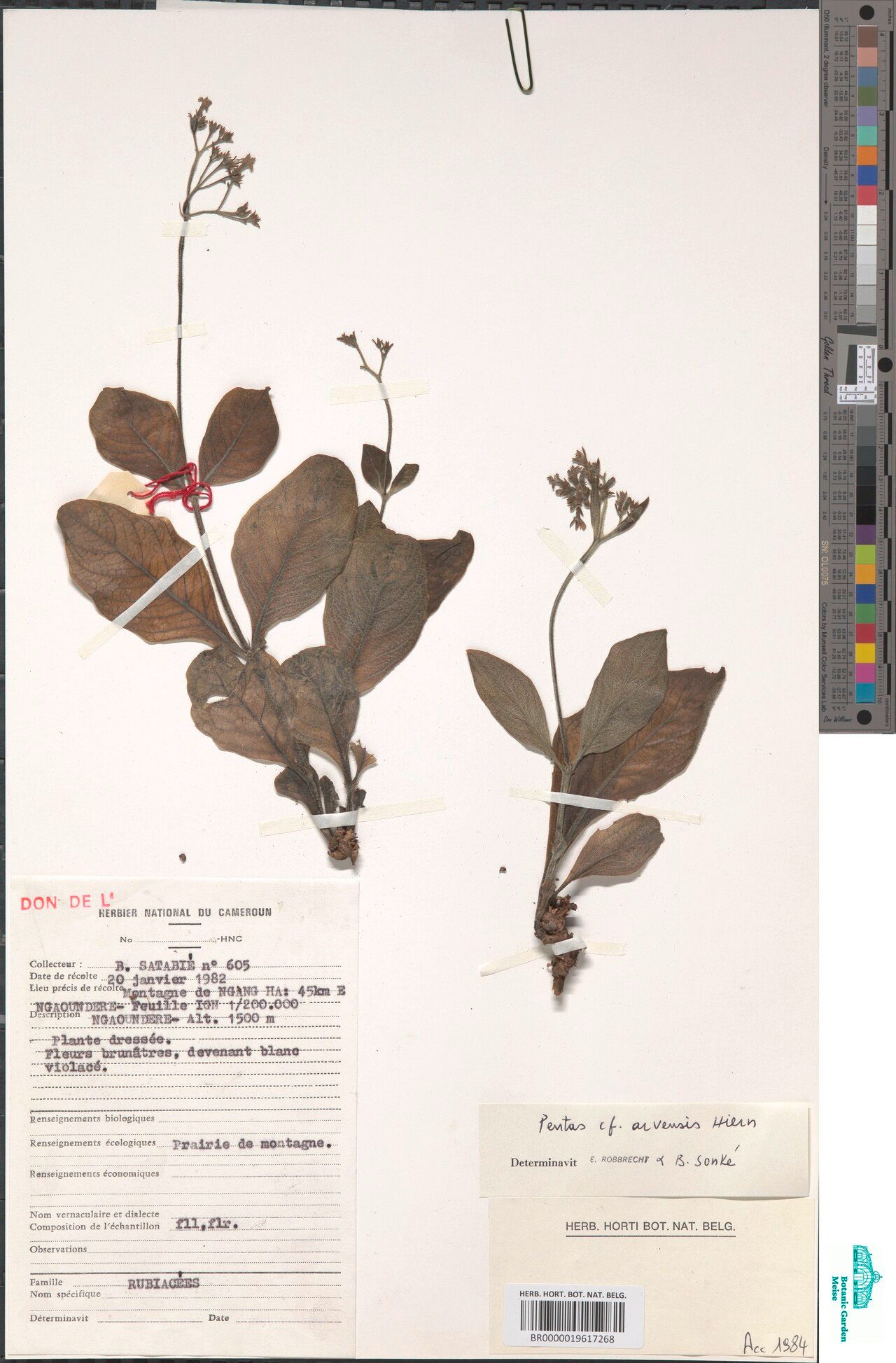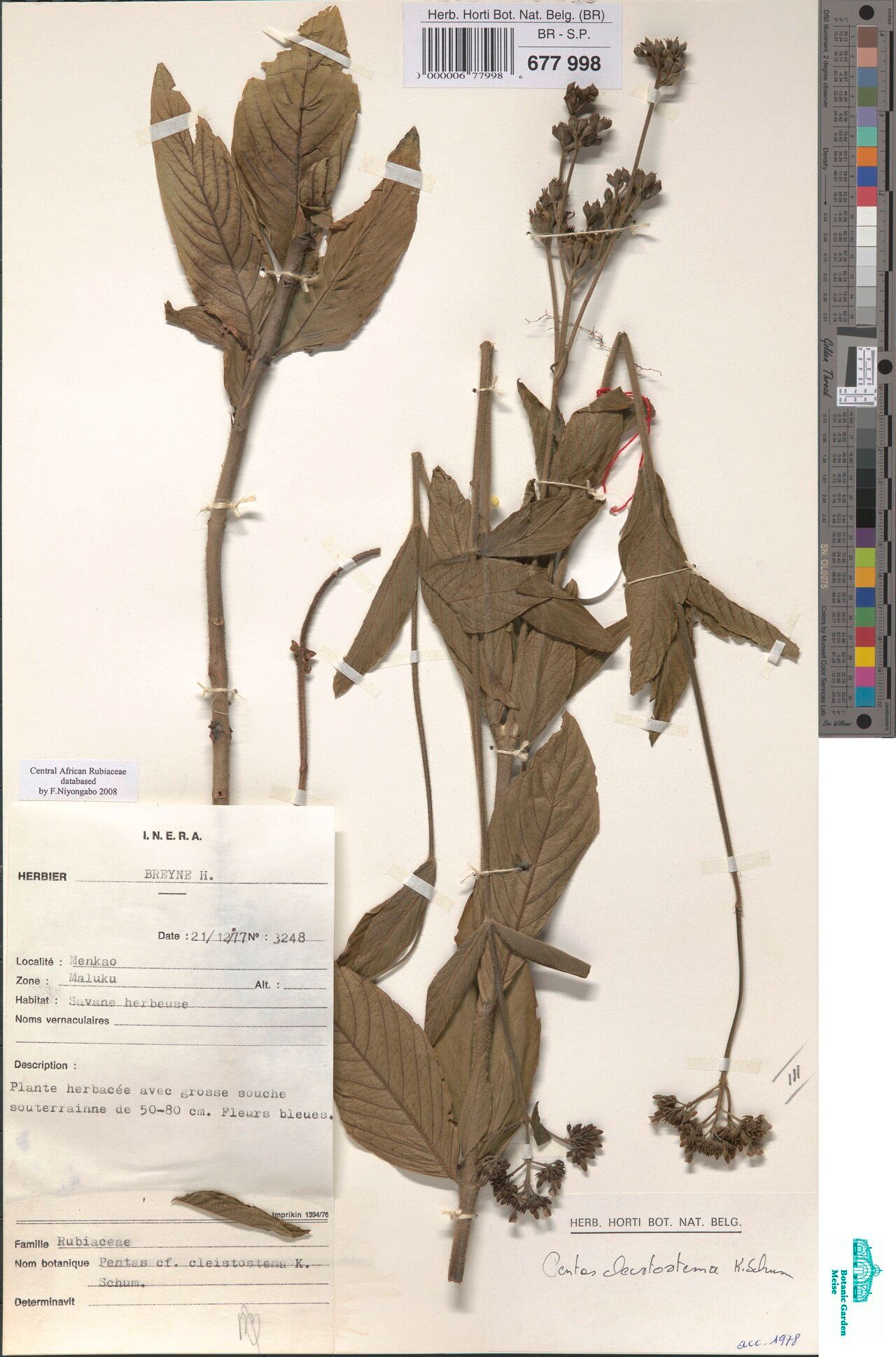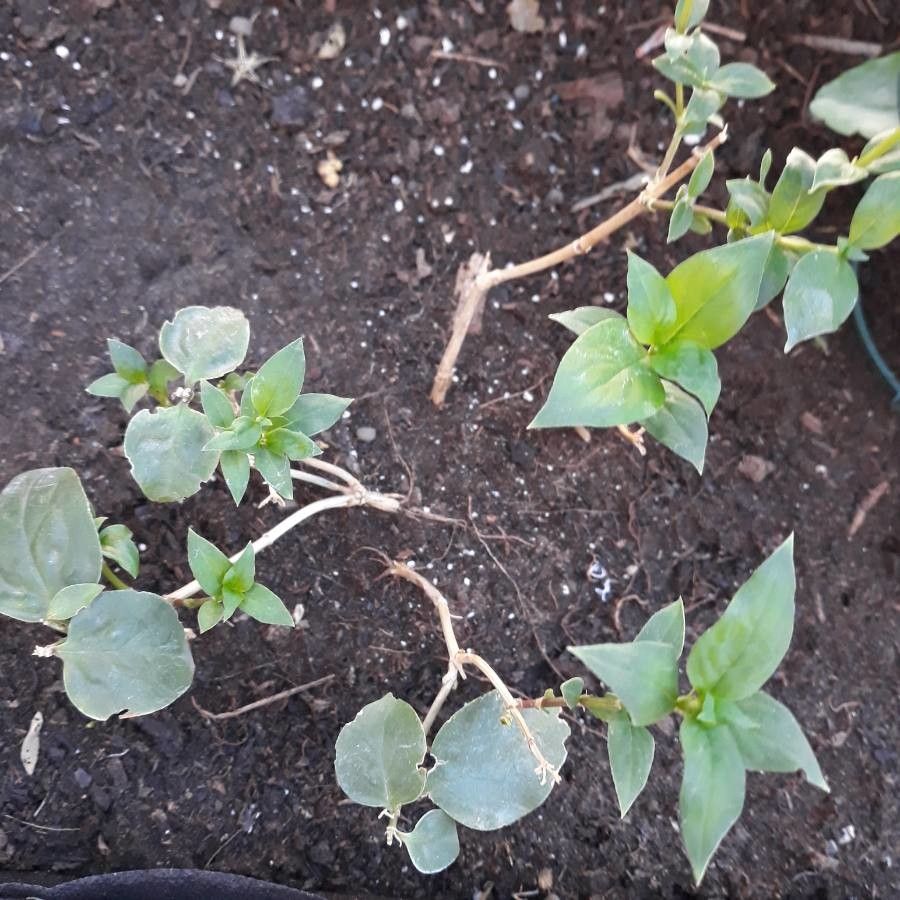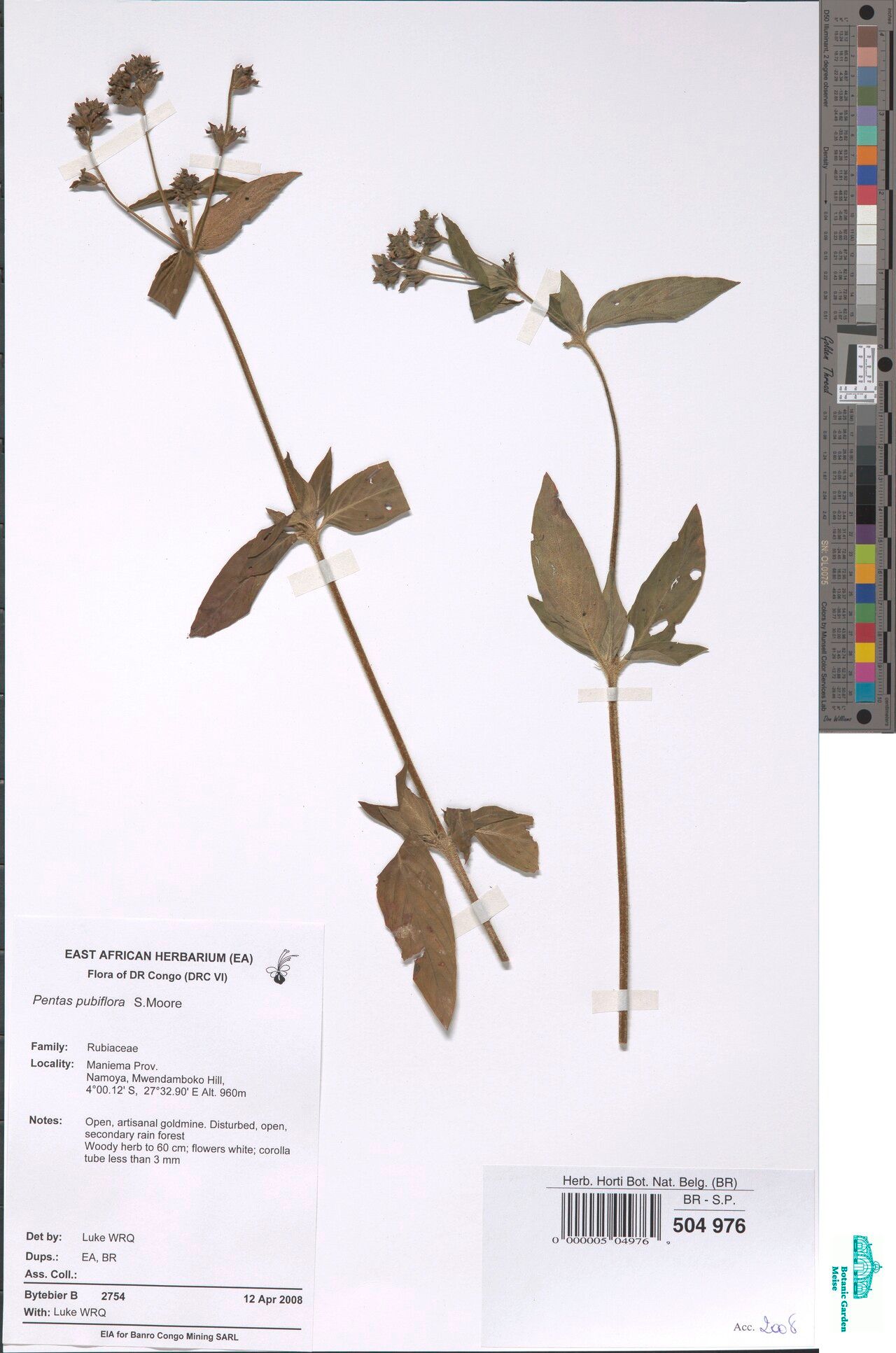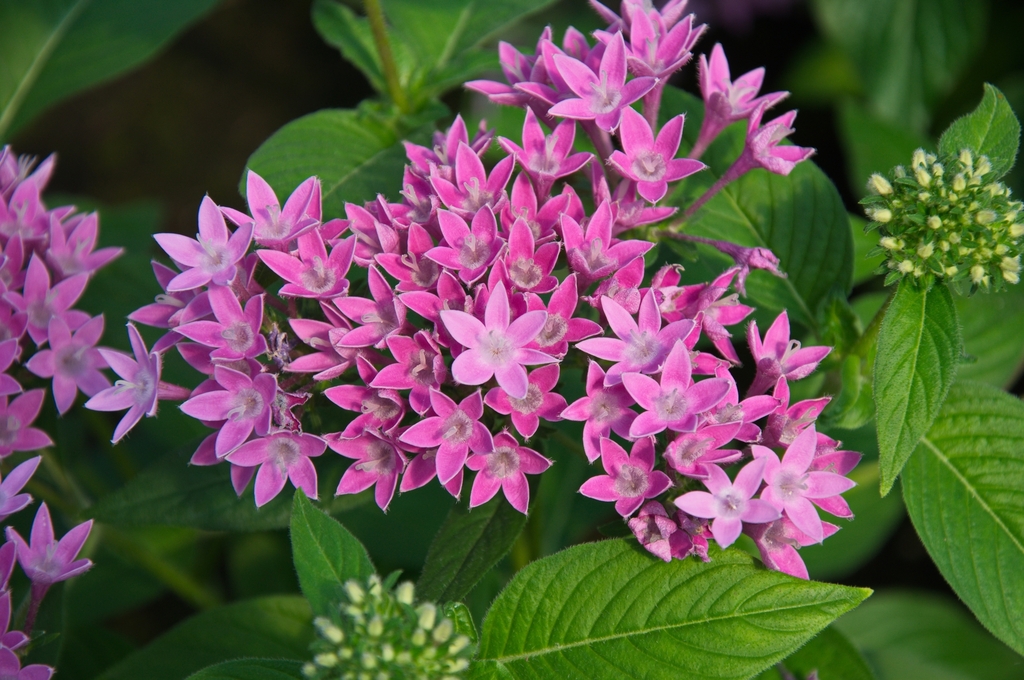
Pentas lanceolata, commonly known as the Egyptian star cluster or pentas, is a flowering plant native to Africa. It is a popular garden plant due to its attractive clusters of star-shaped flowers that bloom in shades of pink, red, white, and lavender. The plant can grow up to 3 feet tall and features lance-shaped leaves arranged in opposite pairs along the stem. Pentas are easy to grow and require minimal care, making them ideal for both novice and experienced gardeners. They thrive in full sun or partial shade with well-draining soil that is kept moist but not waterlogged. Additionally, pentas are known for their ability to attract butterflies and hummingbirds, making them an excellent addition to any wildlife garden or pollinator-friendly landscape design.
The Egyptian starcluster, also known as the Penta plant, is a flowering plant native to tropical regions. It gets its name from the five-pointed shape of its petals, which resemble a star.
Egyptian starcluster has strong resistance to disease and is generally not highly susceptible to illnesses. Nevertheless, it can be vulnerable to pests and local diseases present in its environment. These infections tend to be mild. Regarding care, this plant needs moderate maintenance. It requires regular pruning to keep a neat appearance and support healthy growth. Applying fertilizer can also encourage flowering. Egyptian starcluster is well suited to anyone with outdoor space, such as a garden or patio, and does not demand extensive gardening experience. It may need more attention if grown indoors.
How to keep Pentas Lanceolata.
Light
The Egyptian starcluster does best when it gets frequent sun exposure. It prefers situations where sunlight is abundant throughout the day, although it can tolerate environments with limited light. Excessive sunlight can cause leaf scorch, while insufficient light may inhibit its vigorous growth.
Water
The Egyptian starcluster thrives in tropical regions where consistent moisture and high humidity are present. Weekly watering encourages lush growth, although the plant can withstand brief dry periods. This plant prefers warm climates, and the outdoor humidity in such environments enhances its blooming during the growing season.
Humidity
This plant will thrive in moderate humidity, which is probably the level in your home. However, misting it a few times a week can be very beneficial. Make sure the room has good ventilation.
Temperature
Originating in tropical areas, the Egyptian starcluster favors temperatures from 68 to 100 ℉ (20 to 38 ℃). In cooler conditions—below 60 ℉ (15.6 ℃)—it may enter dormancy and should be watered less. In hotter conditions—above 100 ℉ (38 ℃)—it can wilt and will need more frequent watering. It is recommended to keep the plant in partial shade during hot summer months to prevent heat stress.
Fertilizer
Appropriate fertilization is essential for the health and appearance of the Egyptian starcluster. Fertilize the Egyptian starcluster during summer, repeating the application once a month throughout the season. The nutrients provide energy for growth and help maintain the plant’s parts. Fertilizing improves the Egyptian starcluster’s flowering display, ensuring the best blooms.
Pruning
The Egyptian starcluster is known for its vibrant, star-shaped flowers and its preference for tropical climates. For a bushier growth, it's best to prune this plant from late winter to early spring. During this time, remove any dead stems and trim back long shoots. This will not only enhance flowering but also improve air circulation, reducing the risk of disease and boosting the plant's ornamental appeal.
Pot & Repot
When repotting Egyptian starcluster, choose a pot 1–2 inches (2.5–5.1 cm) larger with ample drainage. Use a well-draining potting mix. Repot in spring or fall, ensuring that the root ball is slightly lower than the rim of the flower pot. Water thoroughly after repotting and place in a warm spot with indirect sunlight.
Toxicity
The Egyptian star cluster is considered non-toxic on dogs, cats, and humans. This plant is also edible and can be used for medical purposes.
Further reading →
The toxicity and danger assessments provided are for reference only. We do not assure their accuracy, so it's crucial not to depend on them. Seek professional advice when necessary for accurate guidance.
Botanical profile.
- Plant Type
- Herb
- Life Cycle
- Perennial, Annual, Biennial
- Genus
- Pentas
- Family
- Rubiaceae
- Hardiness Zone
- 10-11
- Mature Height
- 0.3 m to 1.83 m
- Mature Spread
- 0.61 m to 1.83 m
- Leaf Color
- Green
- Leaf Type
- Evergreen
- Flower Color
- Red, Pink, White, Lavender
- Flower Size
- 10.16 cm
- Bloom Time
- All year round
- Planting Time
- Spring
- Harvest Time
- All year round
- Native Area
- Saudi Arabia, Malawi, Djibouti, Congo (DRC), Burundi, Mozambique, Sudan, Rwanda, Ethiopia, Eritrea, Yemen, Kenya, Uganda, Tanzania
Other names.
Reader questions.
When should I water my Egyptian Starcluster?
Watering your Egyptian Starcluster is crucial for its health, requiring attention to the dryness of the top 1-2 inches of soil as an indicator for when it needs water. If the soil feels dry at that depth, it's time to water. Be mindful of the plant's leaves; signs such as wilting, sagging, or changes in color like yellowing or browning at the edges may signal the need for water. Slow or stunted growth can also indicate insufficient watering. It's essential to avoid both over-watering and under-watering to prevent issues like root rot or plant stress, which could lead to the plant's death. Regular personal observation will help you adjust your watering routine to meet the plant's needs effectively.
Why do I have to fertilize my Egyptian starcluster?
Fertilizer and soil nutrients are vital for the healthy growth of your Egyptian starcluster. These nutrients are used by plants to develop new plant material and maintain their existing components. Fertilization is particularly important for the Egyptian starcluster as it helps maximize the beauty of its flowers, which are the main attraction of this plant. Most gardeners prioritize ensuring their Egyptian starcluster produces the most stunning blooms, and fertilization is one of the most dependable methods to achieve this.
What are the sunlight requirements for growing Egyptian Starcluster?
The Egyptian Starcluster (Pentas lanceolata) thrives best under conditions that provide abundant radiant energy throughout the day, favoring full sun exposure of more than 6 hours of sunlight daily, but it can also tolerate partial sun, with about 3-6 hours of sunlight. It's important to watch how sunlight moves through your garden to choose spots that offer the perfect balance of light and shade, ensuring the plants' happiness and growth. However, it's crucial to note that overexposure to sunlight can lead to leaf scorch, while inadequate sunlight may hinder the plant's vigorous growth.
What temperature is best for Egyptian starcluster?
To help your tropical plants thrive, it's best to maintain a temperature range of 75℉ to 90℉ (25-32℃). While different species can tolerate temperatures outside this range, sticking within a few degrees of these limits will ensure optimal growth. However, there are extreme temperature limits to be aware of. Anything below 50℉ (10℃) or above 95℉ (35℃) can hinder growth and cause issues with the leaves and stems. Low temperatures are particularly damaging, as even a light frost can lead to the death of your tropical plants. In fact, cellular death can occur rapidly, with some species dying within 12 to 24 hours.
How should I water my Egyptian Starcluster?
Watering an Egyptian Starcluster requires a balance to prevent the soil from being too damp or waterlogged. Use a watering can with a long, narrow spout to target the base, avoiding wetting the foliage, which could lead to fungal diseases. Bottom watering is a recommended technique for potted plants to promote deep root hydration, whereas frequent misting should generally be avoided. Utilizing a moisture meter can aid in monitoring the soil moisture effectively. Focus on watering the base of the plant and ensure the soil is adequately moist without dousing the foliage.
What is the best time to fertilize my Egyptian starcluster?
Throughout the year, the Egyptian starcluster goes through two main phases. The first phase, called the dormant phase, happens in the winter when the plant has minimal new growth. The second phase, known as the active growth phase, occurs in the spring and fall, during which the plant requires the most fertilization. For best results, it is recommended to start fertilizing the Egyptian starcluster in spring and continue doing so once a month until the end of summer. As fall approaches, you can gradually reduce the frequency of fertilization.
What is the impact of artificial lighting on indoor Egyptian Starcluster plants?
Indoor Egyptian Starcluster plants require adequate lighting for optimal growth, especially when natural sunlight is insufficient, such as in winter or less sunny spaces. Artificial lights, like LED lights, provide a vital solution by offering the specific wavelengths of light the plants need. For full sun plants, 30-50W/sq ft of artificial light is recommended, partial sun plants need 20-30W/sq ft, and full shade plants should have 10-20W/sq ft of light. The light source should be placed 12-36 inches above the plant to mimic natural sunlight, and the plants most often need 8-12 hours of light per day to thrive.
Do Egyptian starcluster need different temperatures for different growing stages?
The Egyptian starcluster is able to enter different growing phases without any changes in temperature. However, it is important to maintain consistency in temperature to ensure optimal growth. Wild temperature fluctuations can slow down the growth of the starcluster, regardless of its current phase. Therefore, it is recommended to keep the plant in a controlled environment. The ideal temperature range for the starcluster is between 75℉ and 90℉ (25-32℃), and it is important to stay above the lower limit. While temperatures above 90℉ (32℃) are not ideal, the starcluster is a tropical plant and can tolerate higher temperatures. On the other hand, temperatures below 50℉ (10℃), especially 40℉ (5℃), can directly damage this heat-loving plant species.
How much water does Egyptian Starcluster really need?
The Egyptian Starcluster requires a specific amount of water that varies depending on factors like pot size and plant size. A general guideline is that a 12-inch pot needs about 1 quart of water, ensuring deep soil penetration to moisten the deep roots properly. The goal is to maintain moist, well-drained soil, adjusting water quantity for larger pots or outdoor planting to avoid waterlogging. Signs of adequate watering include a moist topsoil layer without soggy conditions. Both overwatering and underwatering should be avoided to prevent root rot or drying and wilting, respectively.
When should I not put fertilizer on my Egyptian starcluster?
If you're looking to promote the growth of your Egyptian starcluster plant without causing root burn, it's important to take into account its different stages. During the spring and summer, when your plant is actively growing, it will benefit from additional nutrients. On the other hand, during the fall and winter when it goes into dormancy, you should discontinue fertilizing.
What are the signs of inadequate sunlight in Egyptian Starcluster plants?
When Egyptian Starcluster plants do not receive enough sunlight, several symptoms may appear. These include slower or no new growth, as plants enter a survival mode and halt leaf production, impacting their growth. Insufficient sunlight can also have adverse effects on future flowering and fruiting. New leaves may develop lighter colors or irregular patterns, indicating a lack of chlorophyll and essential nutrients. Additionally, plants might exhibit leggy or sparse growth, with longer spaces between leaves or stems, making them appear thin and stretched. Other symptoms include chlorosis, resulting in yellowing leaves due to the breakdown of chlorophyll, sunscald, leaf curling as a defense mechanism against excessive sunlight, wilting due to increased water loss, and leaf scorching, characterized by brown, dry edges on leaves.
Does the starcluster in Egypt require varying temperatures for each season?
The Egyptian starcluster is a plant that does not require different temperatures for different growing seasons. To ensure proper seasonal care, it is important to maintain the environment within the optimal temperature range. Keeping this plant indoors allows for better temperature control regardless of the outdoor climate. Additionally, light is crucial for tropical species such as the Egyptian starcluster. These plants prefer partial side level sun exposure and should receive dappled or filtered light. Bright but indirect light is the best option for indoor growth, as too much direct sunlight can harm the plant's leaves and hinder its growth potential.