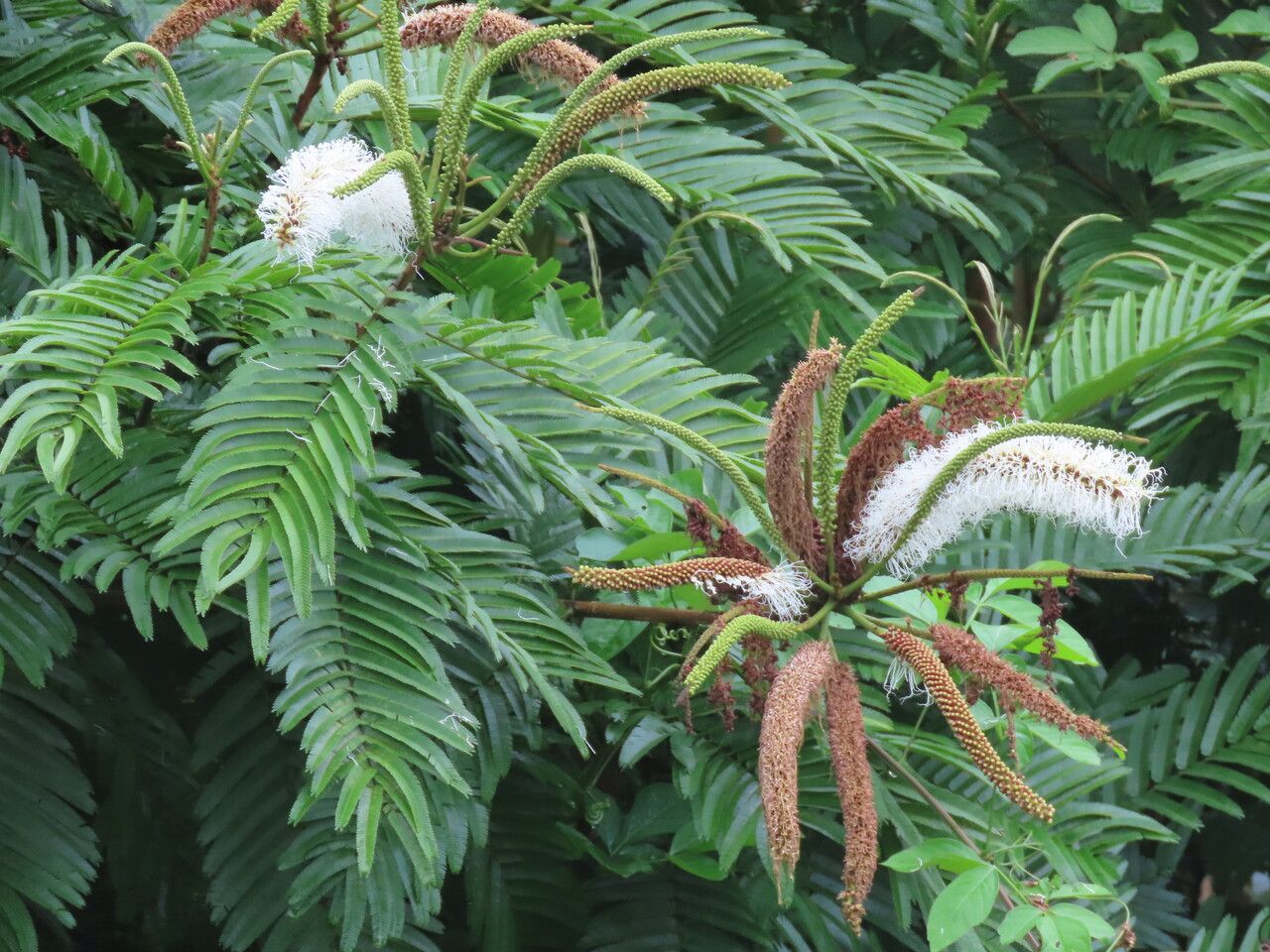
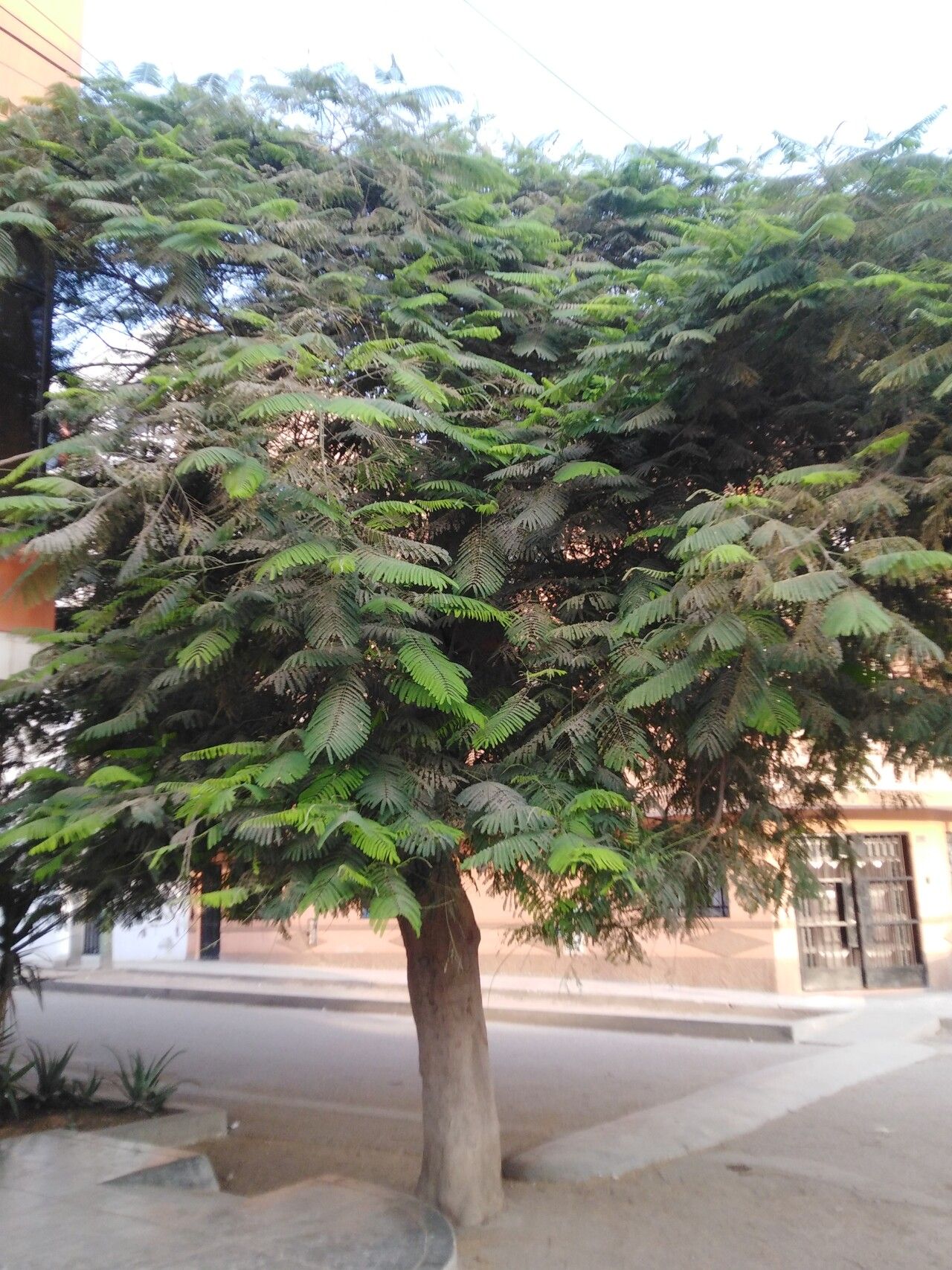
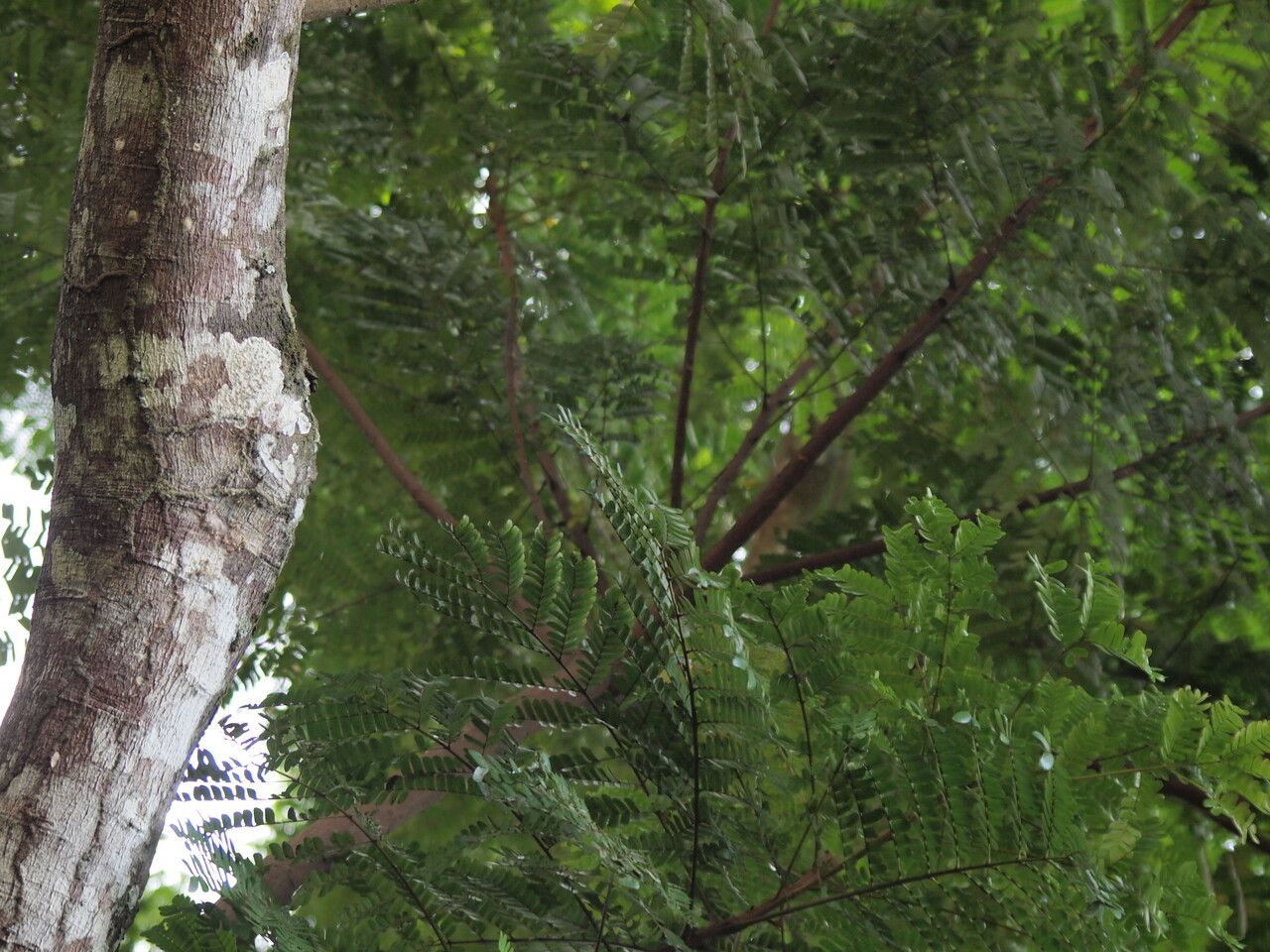
Pentaclethra macroloba, commonly known as the tropical almond or monkey pot tree, is a large tree species native to Central and South America. Belonging to the Fabaceae family, this tree can grow up to 50 meters tall with a trunk diameter reaching up to 2 meters. The tree features a straight trunk with smooth, grayish-brown bark.
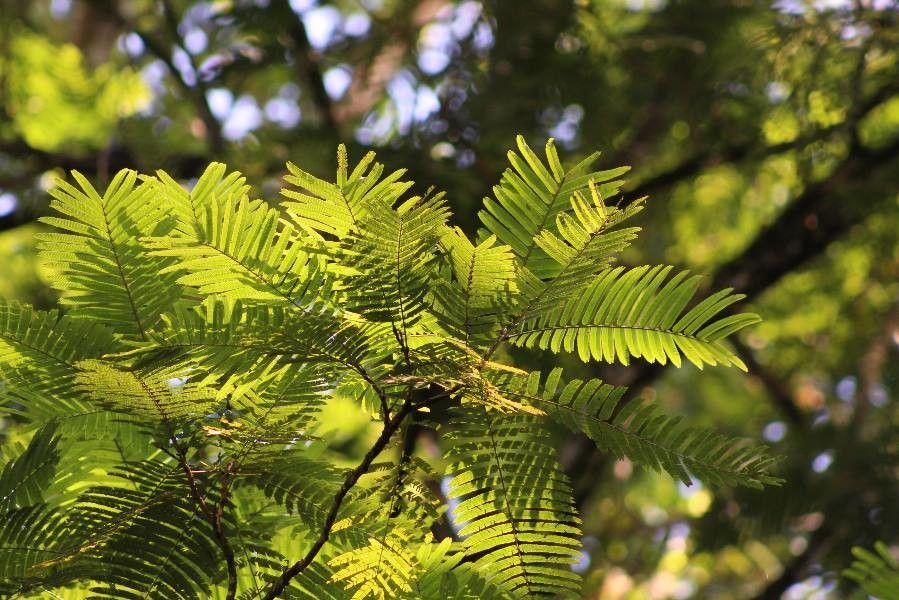
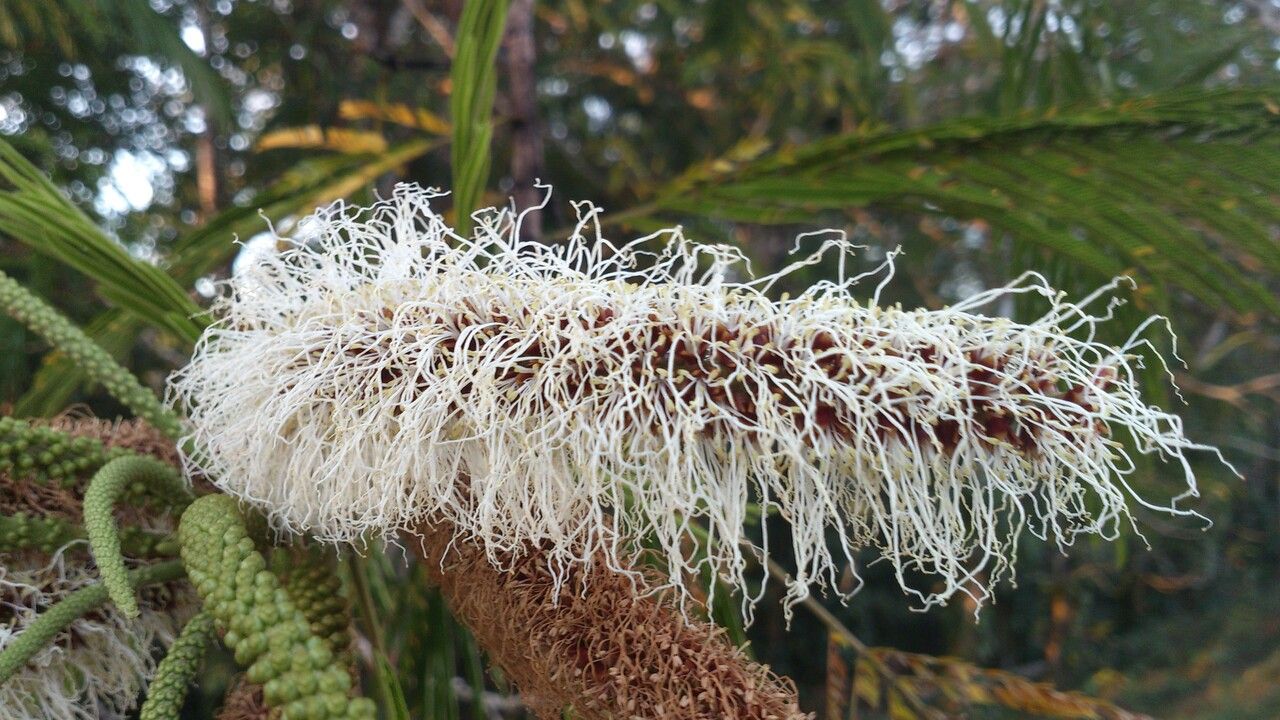
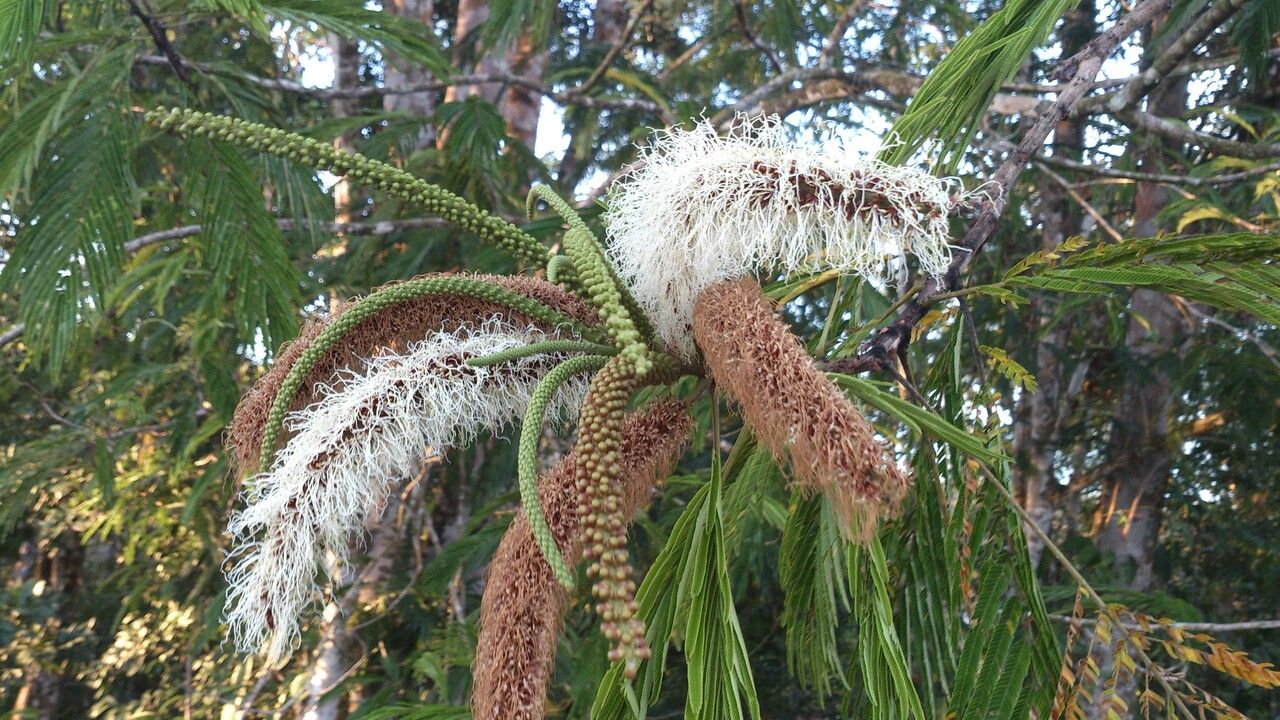
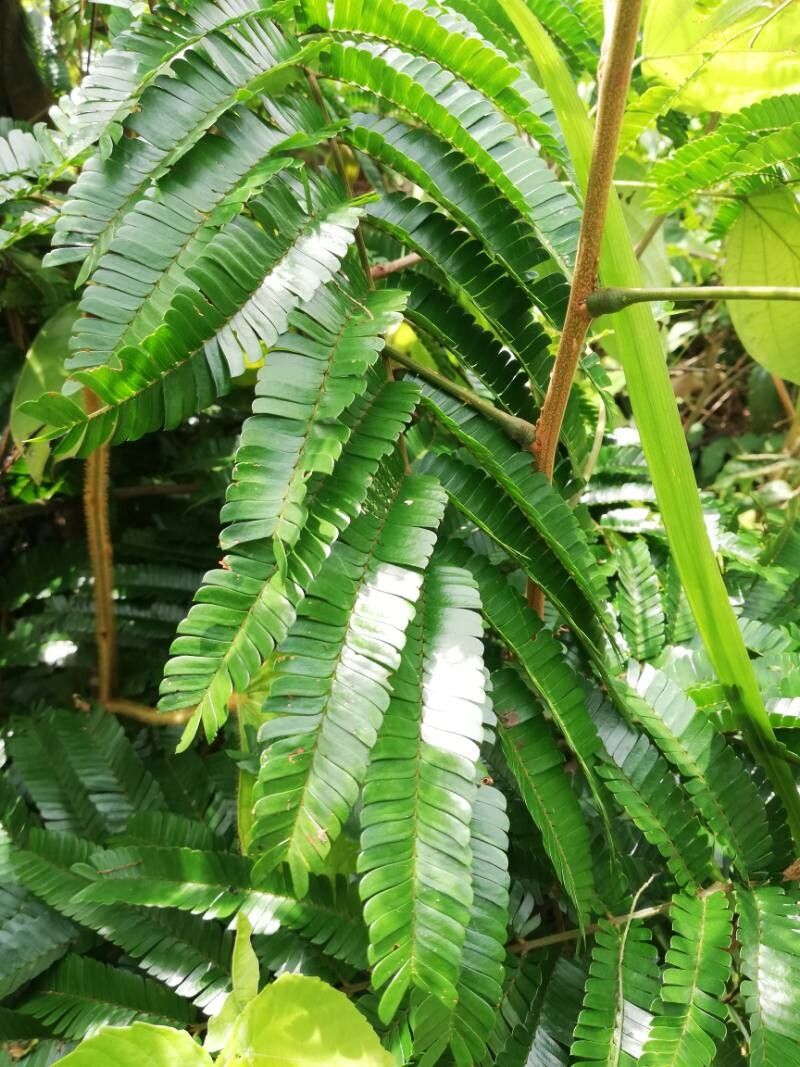
The leaves of Pentaclethra macroloba are compound and can extend up to 50 centimeters in length. They are dark green, oval-shaped, and have pointed tips. The tree produces small flowers that are white or yellowish-white, which grow in clusters at the ends of branches.
The fruit of Pentaclethra macroloba consists of large, woody pods that can measure up to 20 centimeters long and resemble monkey pots, hence the common name "monkey pot tree." These pods contain several seeds that are edible once roasted.
Pentaclethra macroloba has various uses, including medicinal purposes. It contains compounds with anti-inflammatory properties that are used to treat skin conditions such as eczema and psoriasis. The wood of this tree is prized for its durability and is often used in construction. Additionally, the seeds have been traditionally consumed by indigenous communities.
Overall, Pentaclethra macroloba plays an important ecological role. It has the ability to fix nitrogen from the air into the soil, thereby improving soil fertility. Moreover, it provides habitat for various wildlife species, including birds, making it a critical plant species worthy of conservation.
The Iripil bark tree is resistant to disease and is generally not susceptible to illnesses. In terms of upkeep, this plant is fairly low-maintenance. Planted outdoors, it needs only minimal watering, and larger plants usually do not require pruning. Smaller plants, however, should be pruned after they have finished blooming. The Iripil bark tree is suitable for anyone who has an outdoor area, like a garden or a deck, and it does not demand extensive care experience.
How to keep Pentaclethra Macroloba.
Light
The Iripil bark tree is native to open habitats, such as sunlit meadows and forest margins, which offer plentiful light. It does best in Full Sun but will also tolerate Partial Sun, adjusting well to different light conditions.
Temperature
The Iripil bark tree comes from tropical areas, where conditions are generally warm and humid. Therefore, it is adapted to high heat and moisture levels. It is sensitive to abrupt temperature shifts and favors a constant thermal environment, so preventing indoor temperature swings is important. It typically does not withstand cold and needs relatively high temperatures to grow. If the surrounding temperature becomes too low, the plant can stop growing or even perish.
Fertilizer
Fertilizing is essential for the care of the Iripil bark tree. Regular feeding during the growing season helps maintain energy for its showy leaves and supports overall growth. Failing to fertilize can lead to unhealthy leaves, reduced ornamental value, and stunted or weak growth that is prone to breakage.
Botanical profile.
- Plant Type
- Tree
- Life Cycle
- Perennial
- Genus
- Pentaclethra
- Family
- Fabaceae
- Hardiness Zone
- 10-12
- Mature Height
- 20.12 m to 29.87 m
- Mature Spread
- 10.06 m to 14.94 m
- Leaf Color
- Dark Green
- Leaf Type
- Evergreen
- Flower Color
- White
- Flower Size
- 0.51 cm to 0.76 cm
- Bloom Time
- Summer, Early fall
- Harvest Time
- Late summer, Fall
- Native Area
- Colombia, Guatemala, Venezuela, Peru, Guyana, Brazil, Nicaragua, Costa Rica, Panama
Other names.