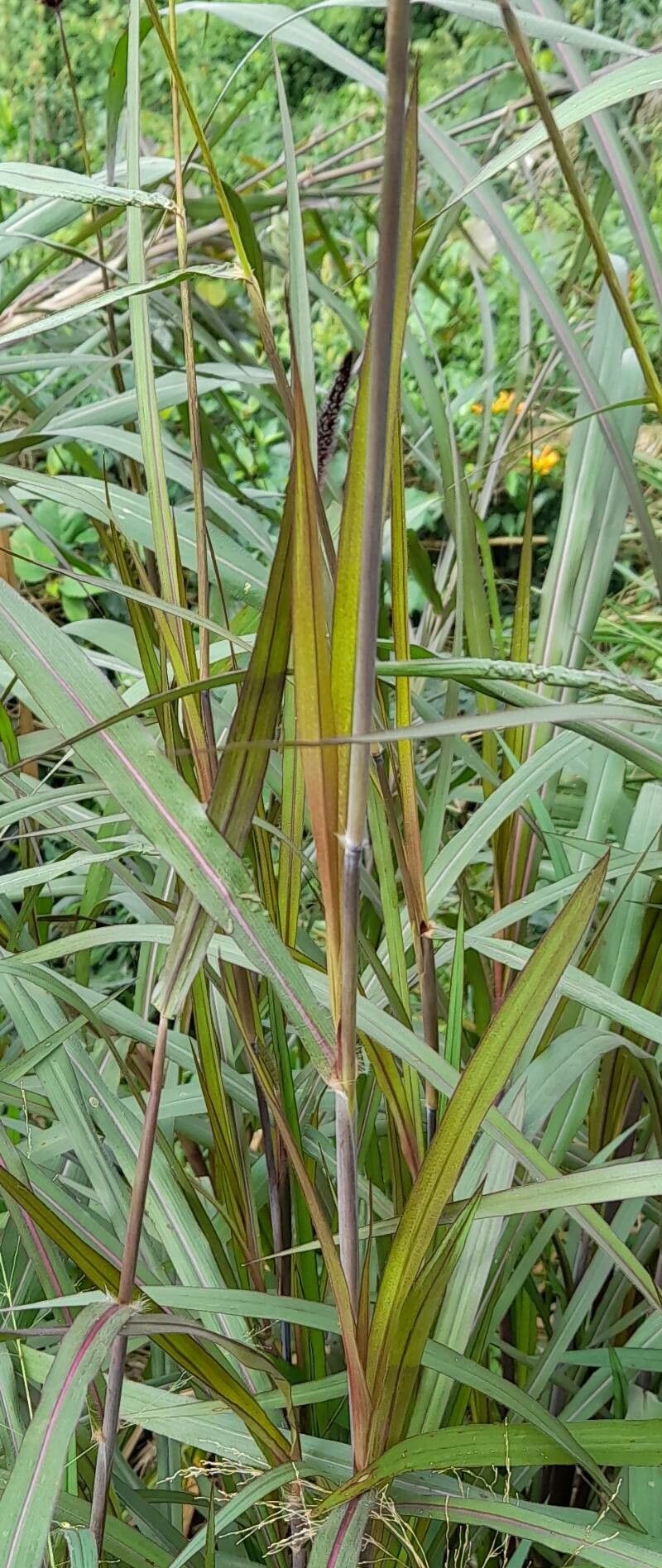
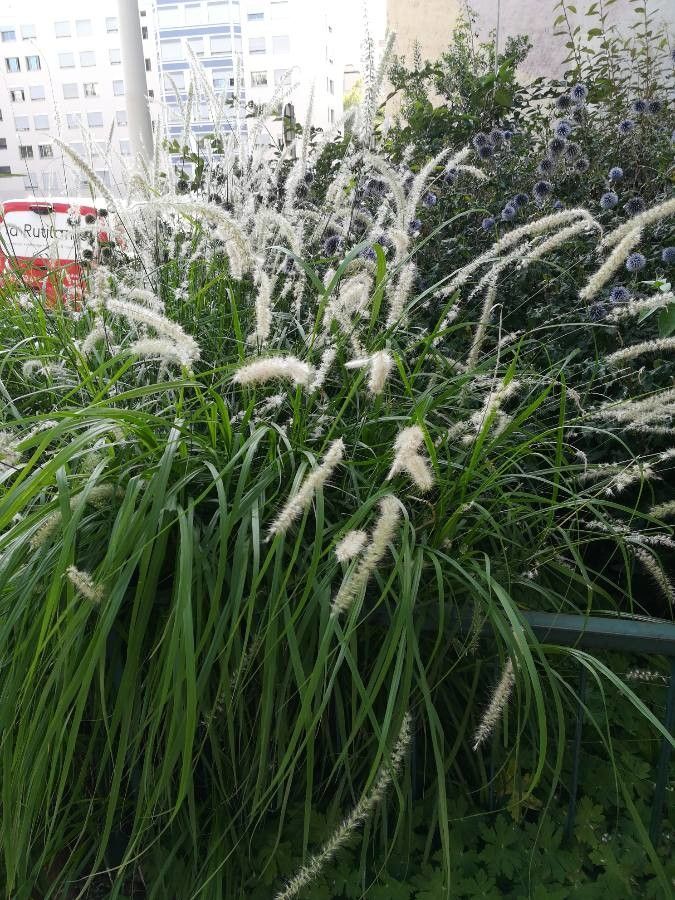
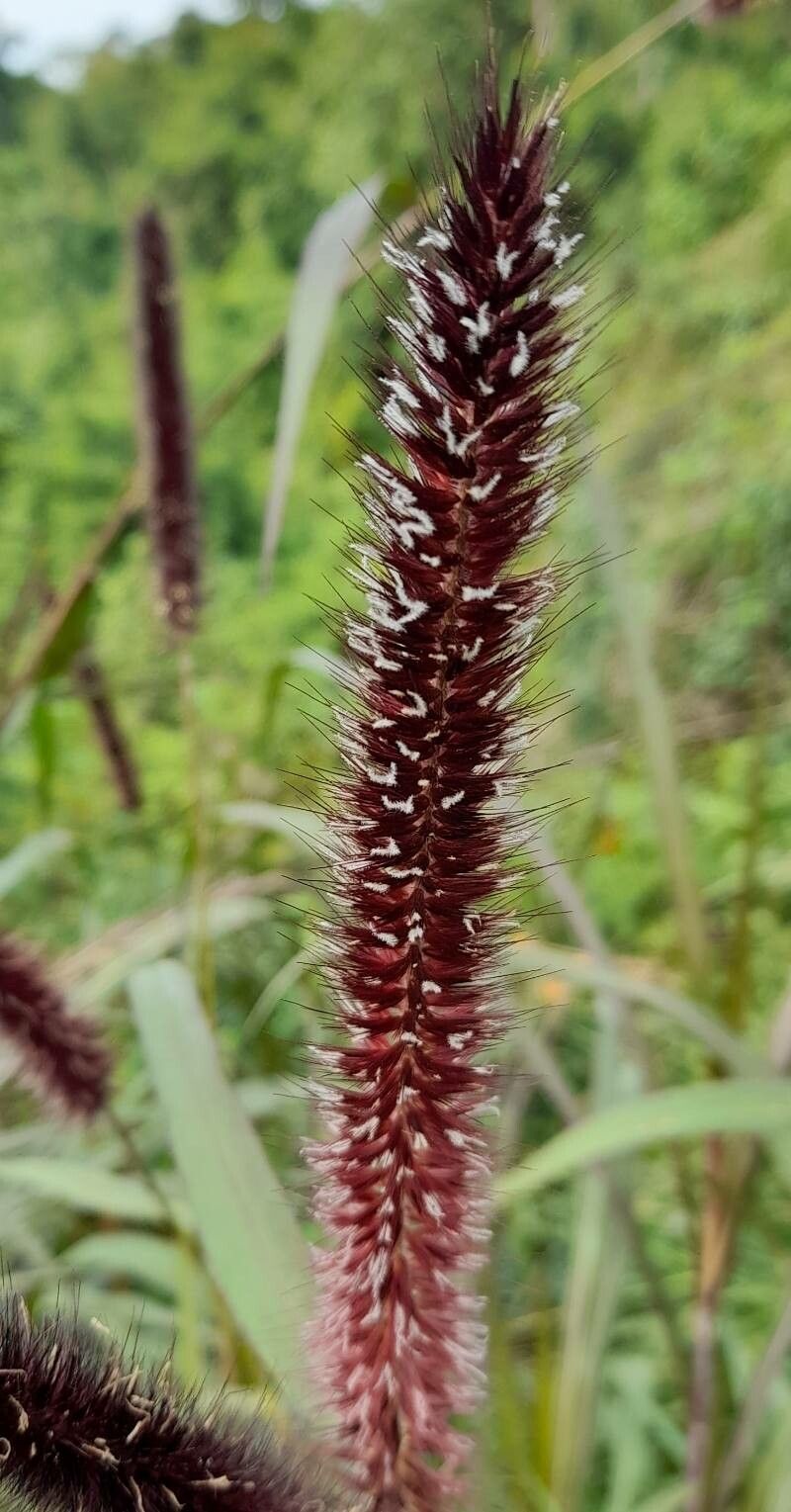
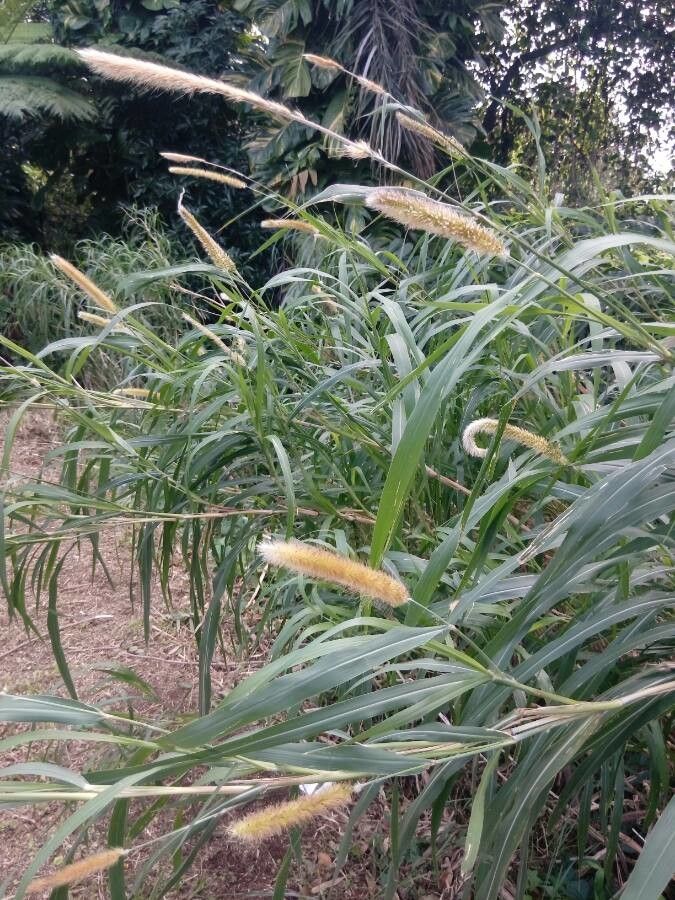
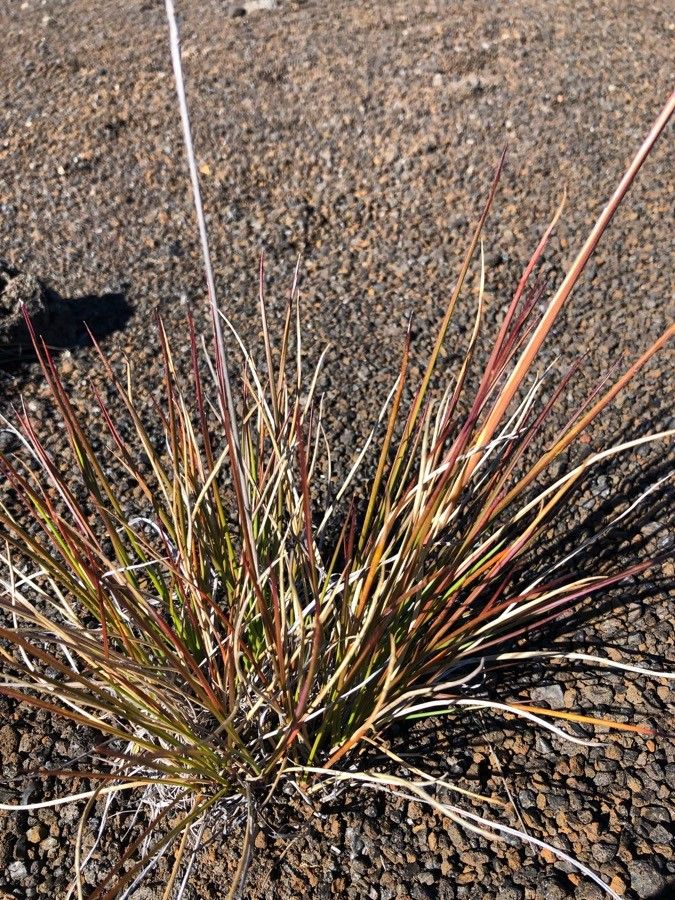
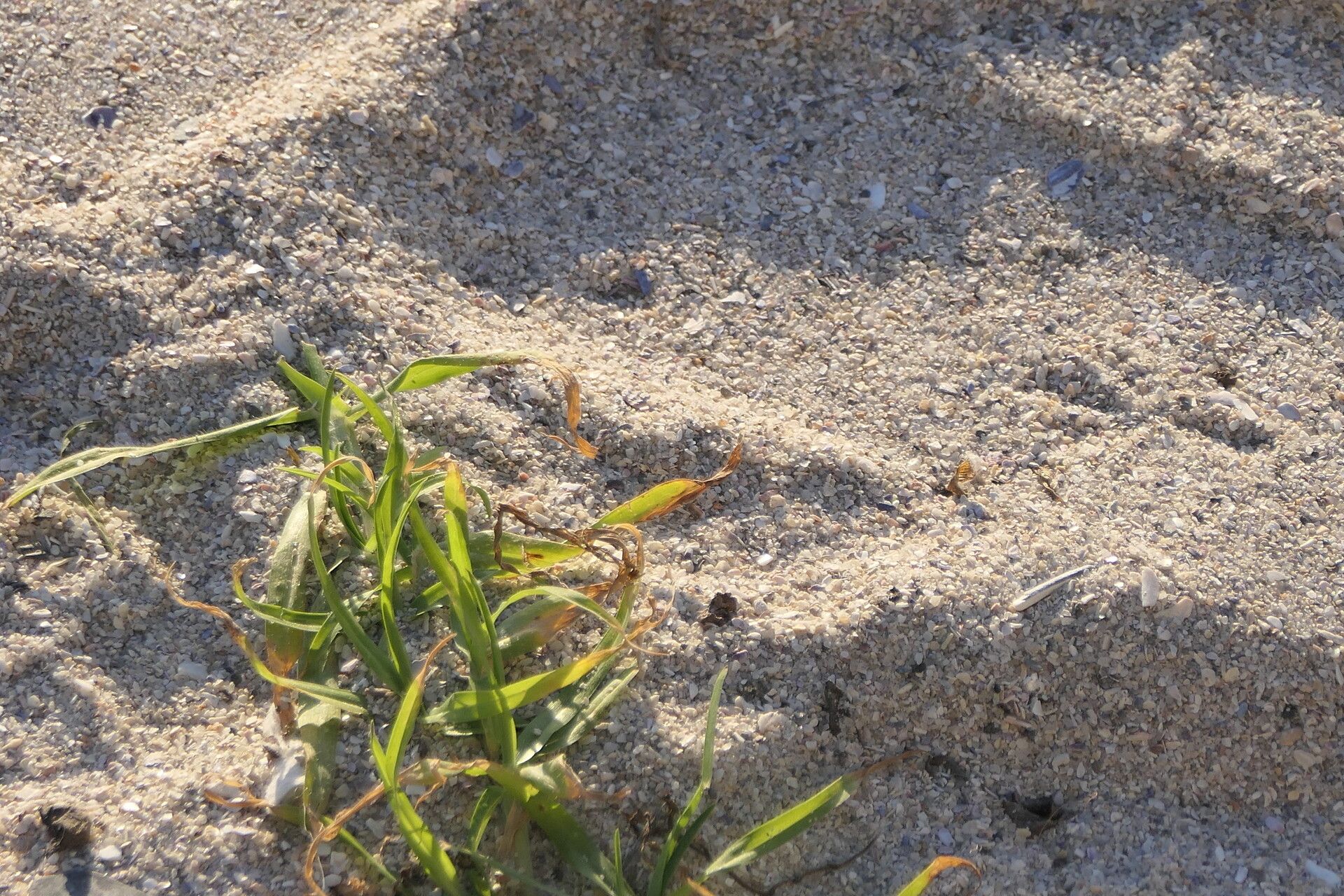
Pennisetum purpureum, commonly known as Napier grass or elephant grass, is a tall perennial species in the Poaceae family. While it is native to Africa, it has been introduced and cultivated in many tropical and subtropical regions worldwide.
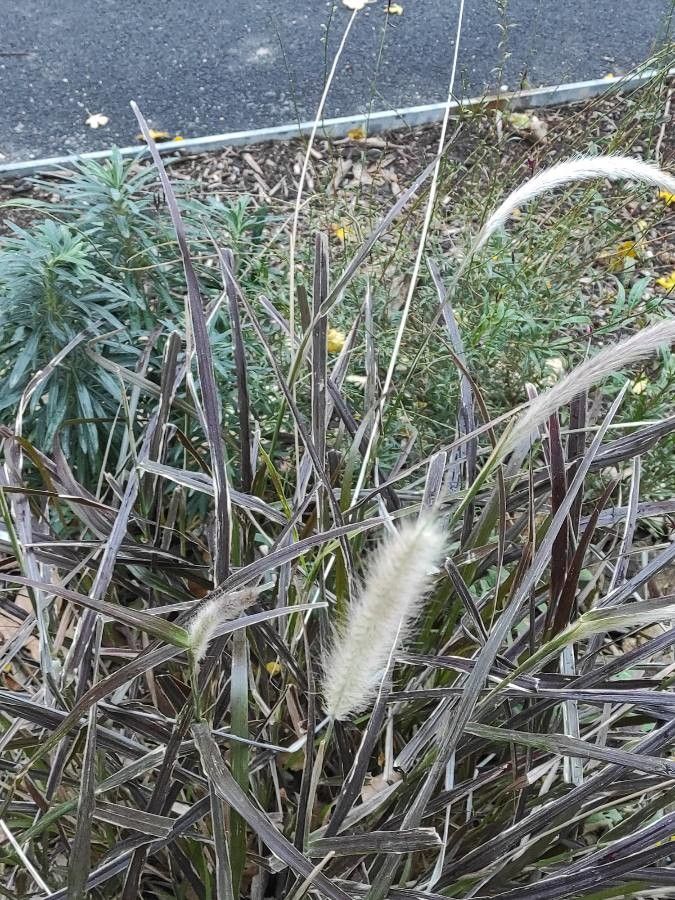
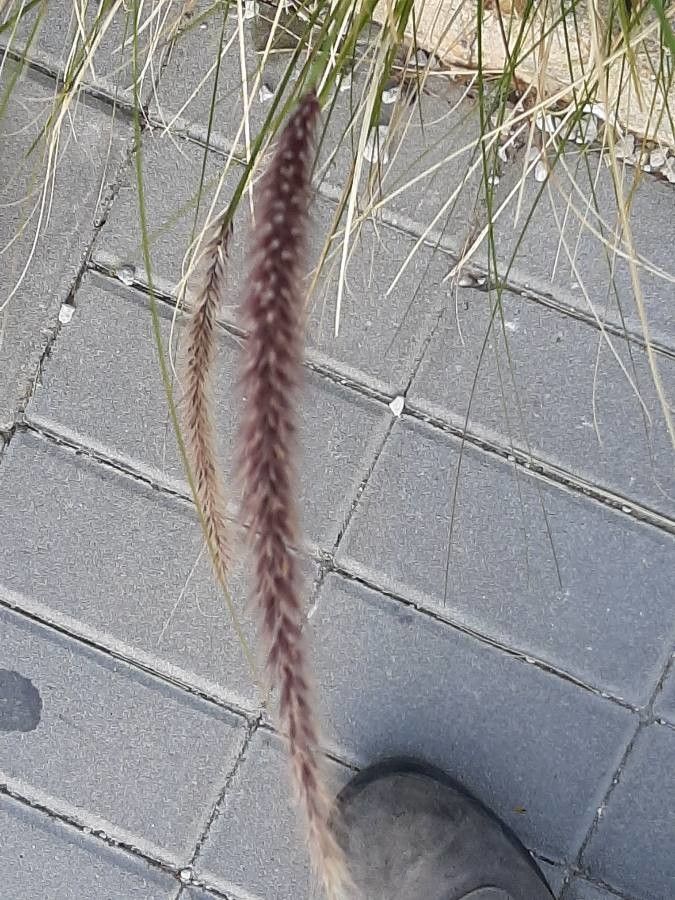
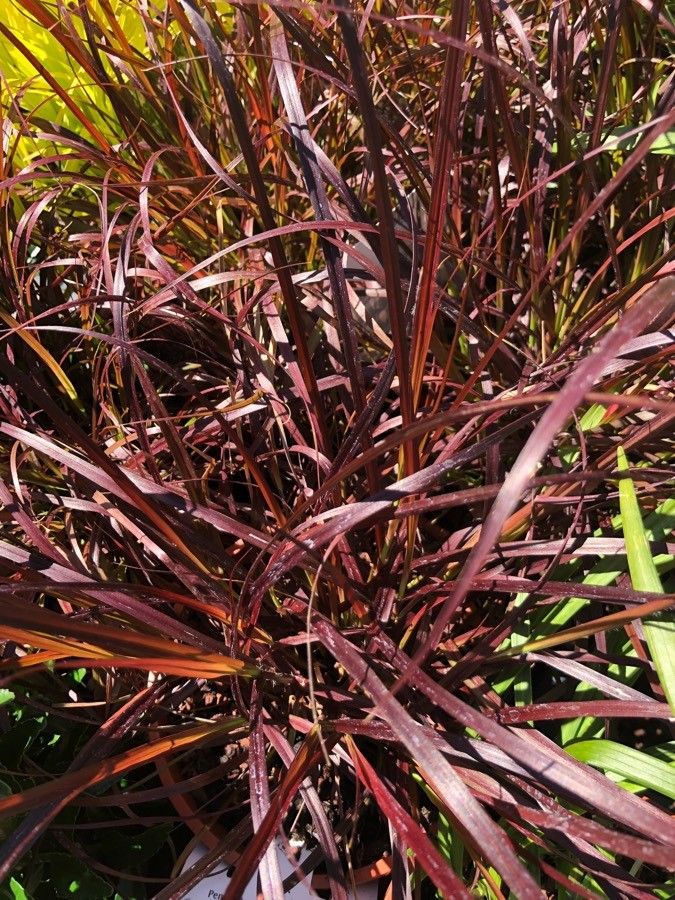
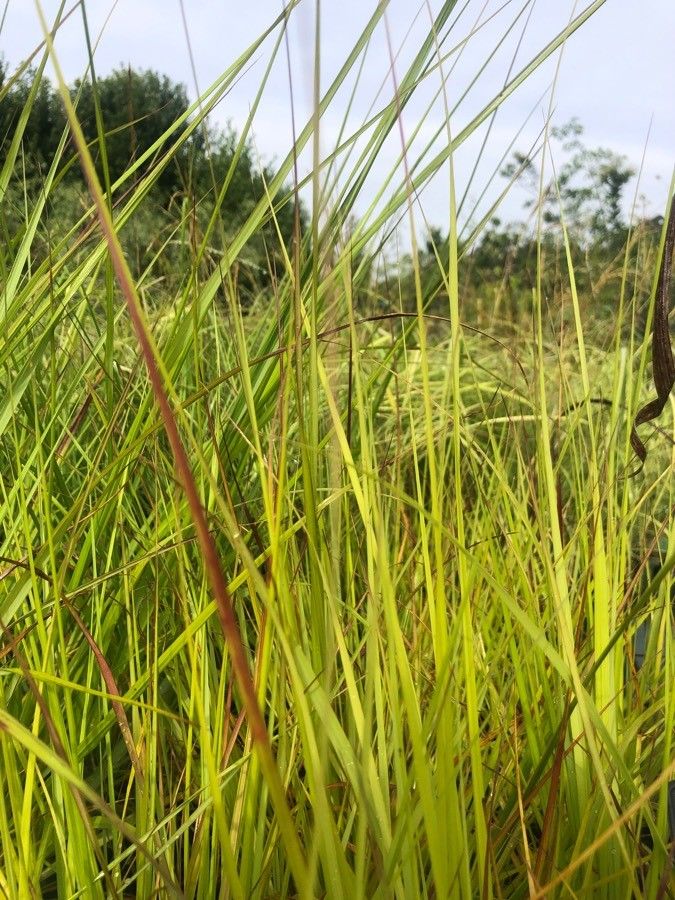
Napier grass can grow to a height of 3-4 meters, featuring thick stems that can reach up to 2 cm in diameter. Its leaves are long and narrow, typically measuring about 30-60 cm in length and 1-2 cm in width. The inflorescence is a large panicle that can extend up to a meter in length, containing numerous small spikelets.
This versatile plant serves multiple purposes. It is widely used as livestock forage due to its high protein content. Additionally, its deep root system aids in soil conservation by preventing erosion. In terms of biofuel production, Napier grass is notable for its high biomass yield per hectare, outperforming crops like corn and sugarcane.
Napier grass also possesses medicinal properties. It contains alkaloids that have been traditionally used to treat various ailments, including fever, malaria, and dysentery.
Overall, Pennisetum purpureum is an economically and ecologically important plant species. It enhances food security through livestock feed production and contributes to environmental conservation by preventing soil erosion.
Napier grass is resistant to disease and is generally not susceptible to illnesses. In terms of care, the plant is fairly low maintenance. When grown outdoors it needs little watering, and larger plants typically do not require pruning. Smaller plants, however, should be pruned after they have finished blooming. Napier grass is suitable for anyone with an outdoor area, such as a garden or a deck, and does not demand much experience in plant care.
How to keep Pennisetum Purpureum.
Light
Napier grass grows best when it receives plenty of sunlight all day, although it can also cope with moderate sun exposure. Those light conditions create an environment that supports its growth. Too much or too little light can interfere with its blooming and development.
Temperature
Napier grass originates from areas with temperatures between 59 and 100.4 °F (15 to 38 ℃). It performs best when temperatures remain within that span. To reproduce its native conditions, seasonal temperature adjustments may be required.
Fertilizer
Napier grass needs extra nutrients to encourage healthy new growth. In spring, adding compost around the base of the plant can effectively supply the nutrients it requires. Fertilizing supports vigorous growth and helps the plant resist diseases and pests.
Botanical profile.
- Plant Type
- Grass
- Life Cycle
- Perennial
- Genus
- Pennisetum
- Family
- Poaceae
- Hardiness Zone
- 7-11
- Mature Height
- 1.22 m to 1.83 m
- Mature Spread
- 61 cm to 91 cm
- Leaf Color
- Green
- Leaf Type
- Evergreen
- Flower Color
- Purple, Lavender
- Flower Size
- 2.54 cm
- Bloom Time
- Summer, Early fall, Mid fall
- Planting Time
- Spring, Summer, Autumn
- Harvest Time
- Late summer, Fall, Early winter
- Native Area
- Burkina Faso, Angola, South Africa, Sudan, Rwanda, Nigeria, Guinea, Gabon, Kenya, Uganda, Tanzania, Central African Republic, Benin, Mali, Sierra Leone, Equatorial Guinea, Cameroon, Liberia, Burundi, Togo, Oman, Ghana, Ethiopia, Senegal, Eswatini, Côte d'Ivoire, Congo (DRC), Congo
Other names.