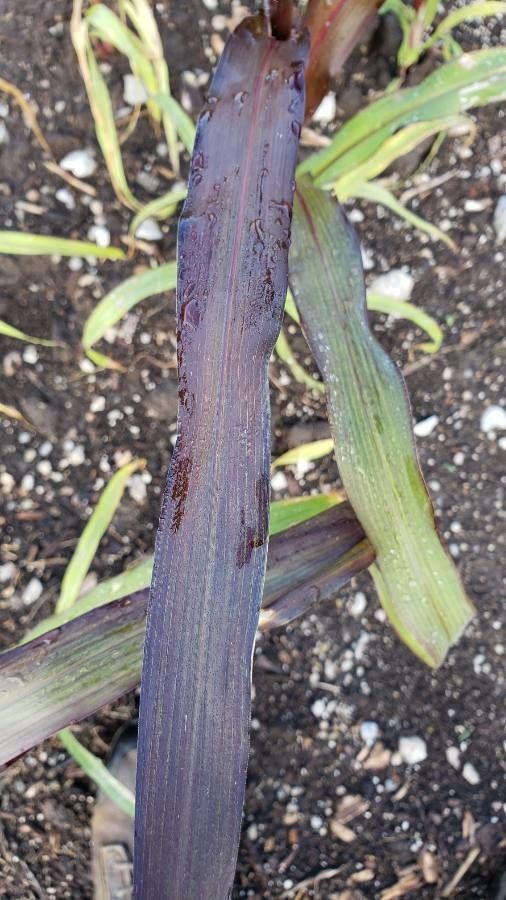
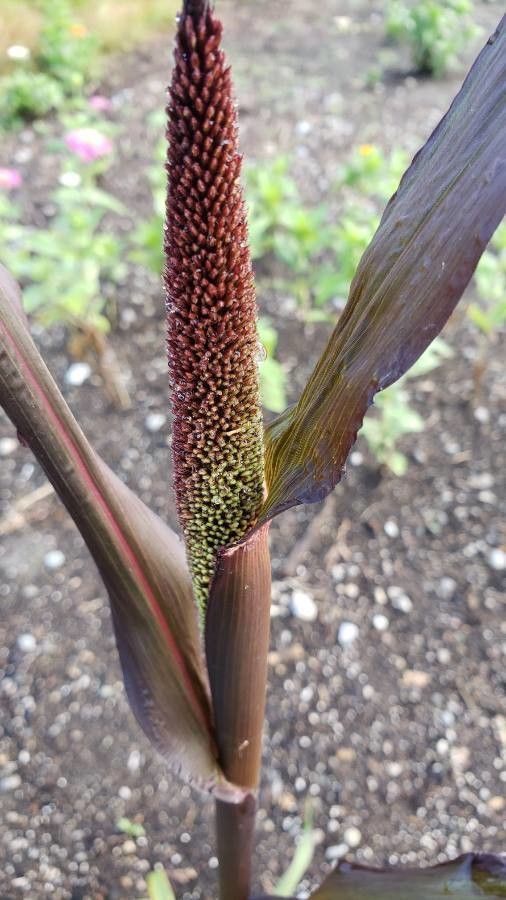
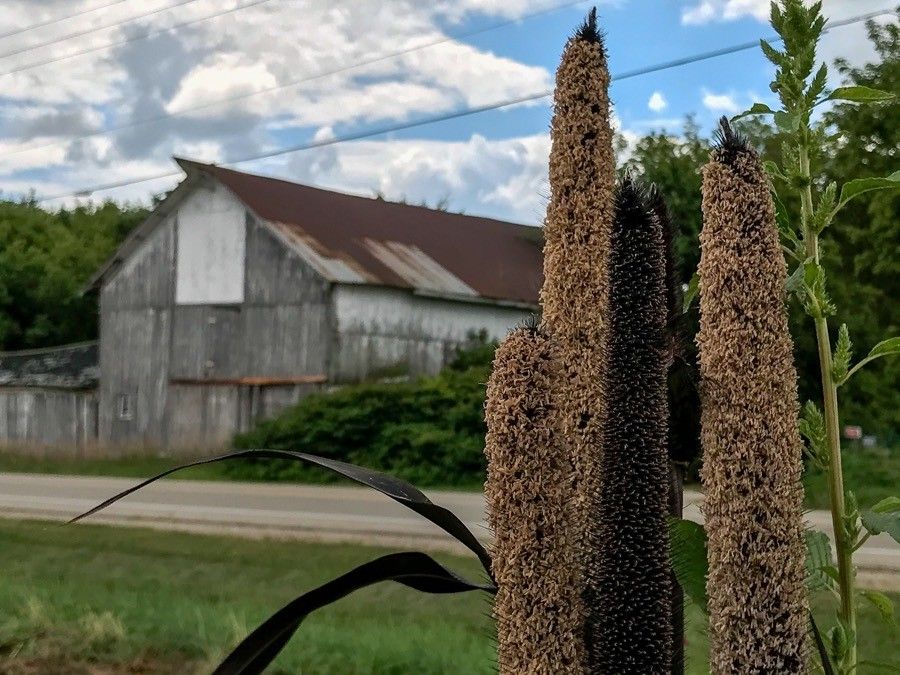
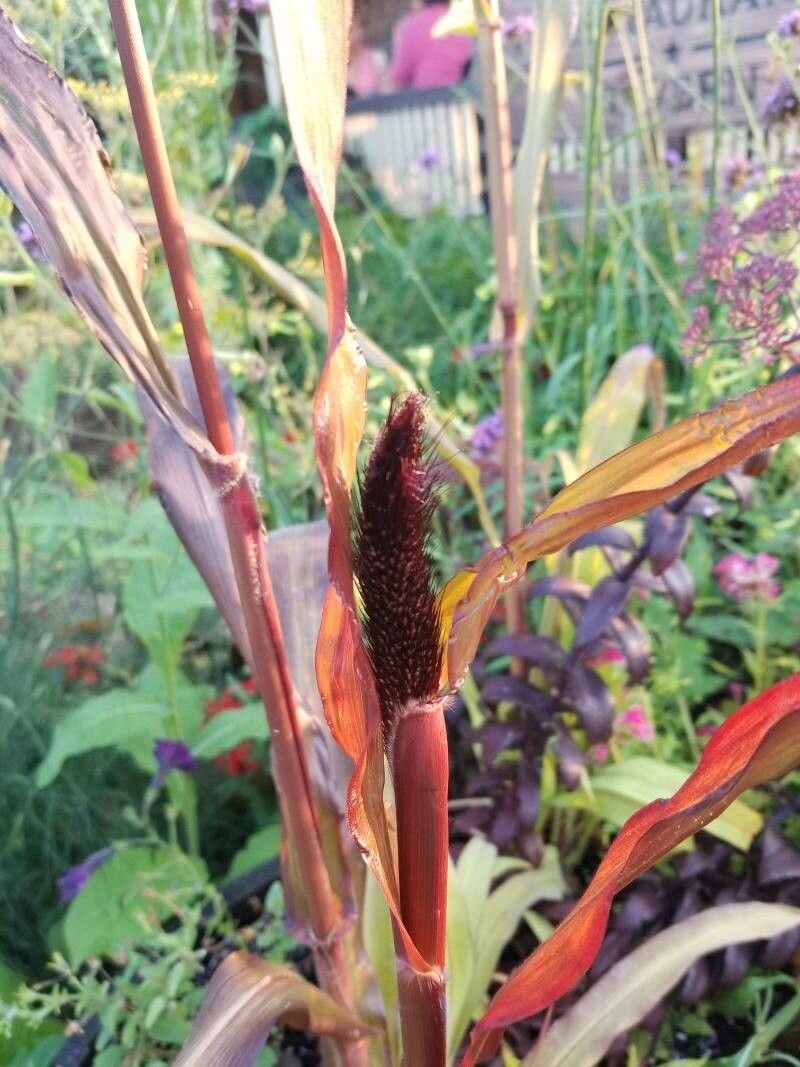
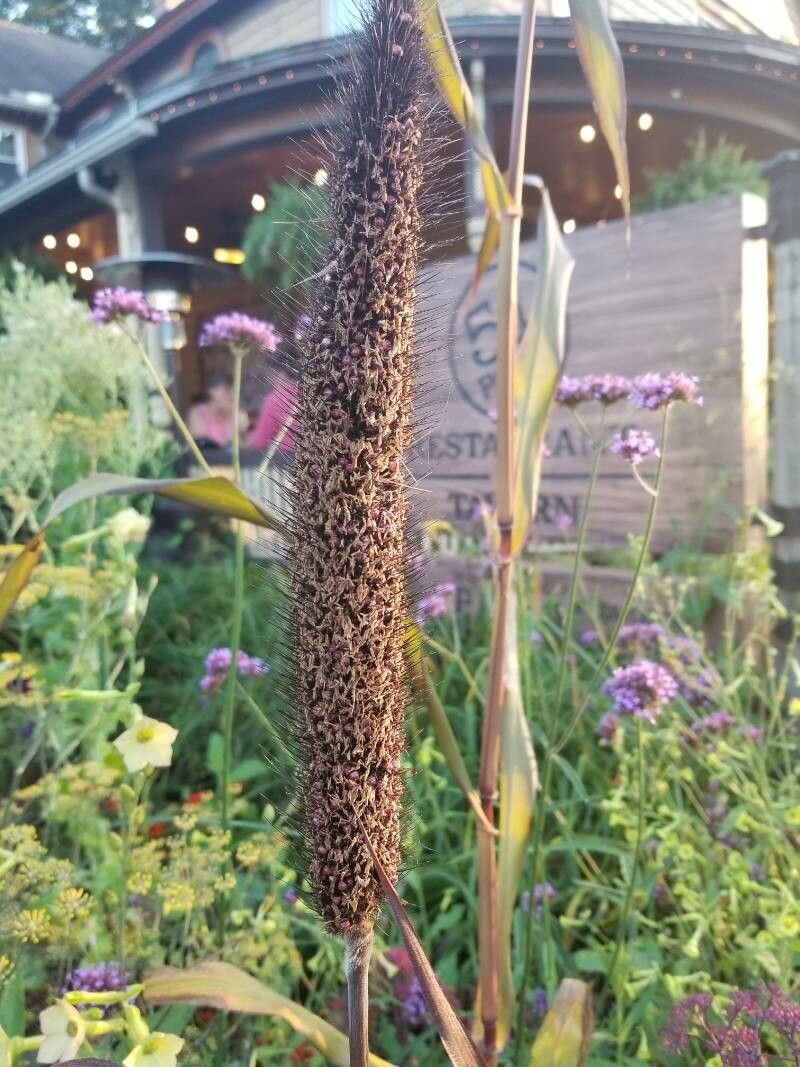
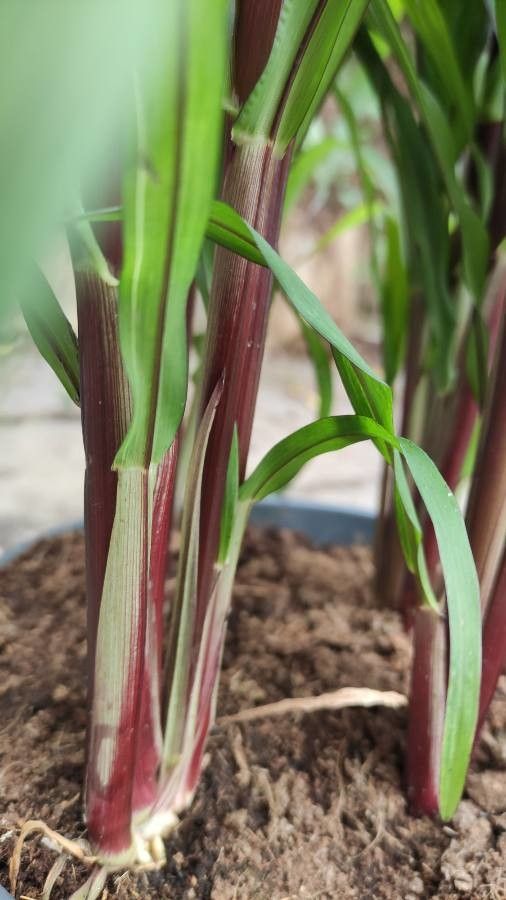
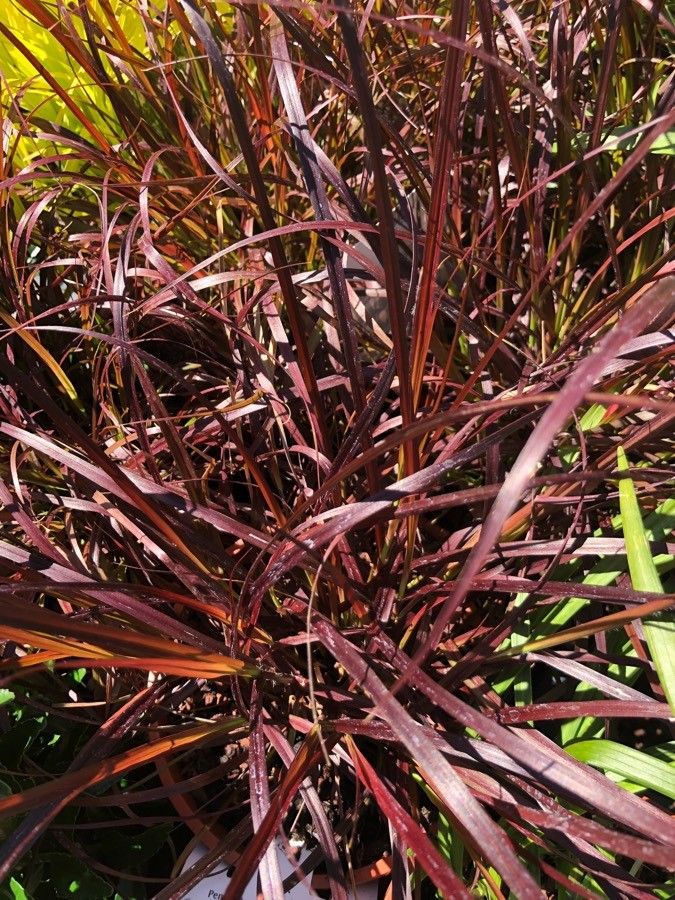
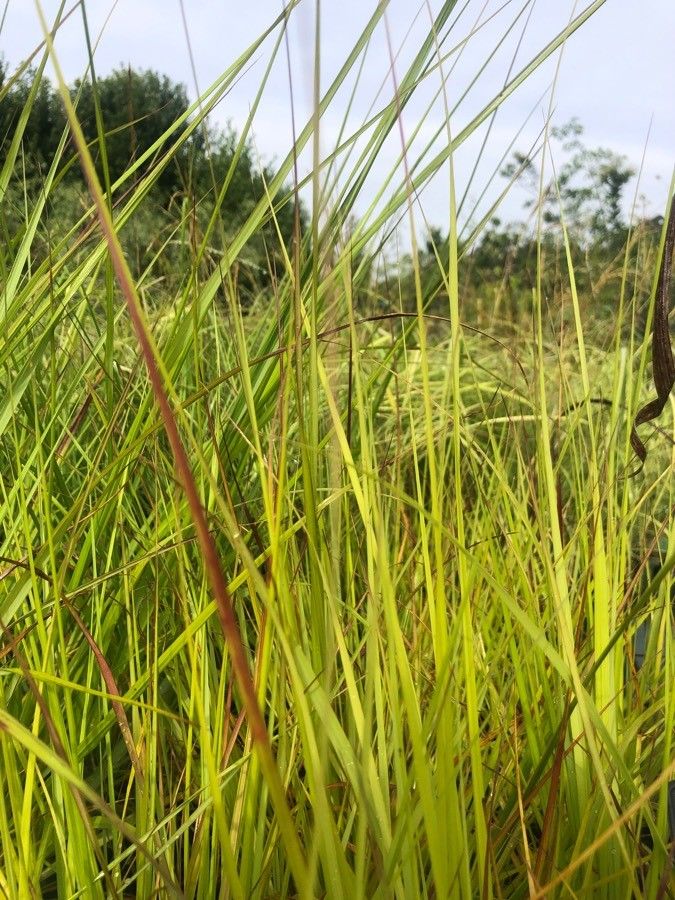
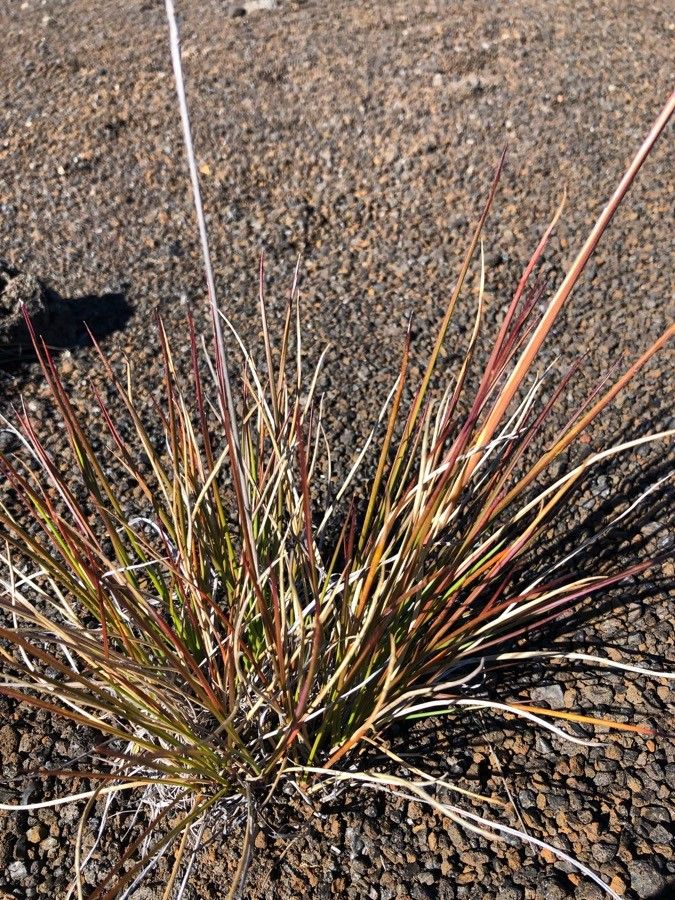
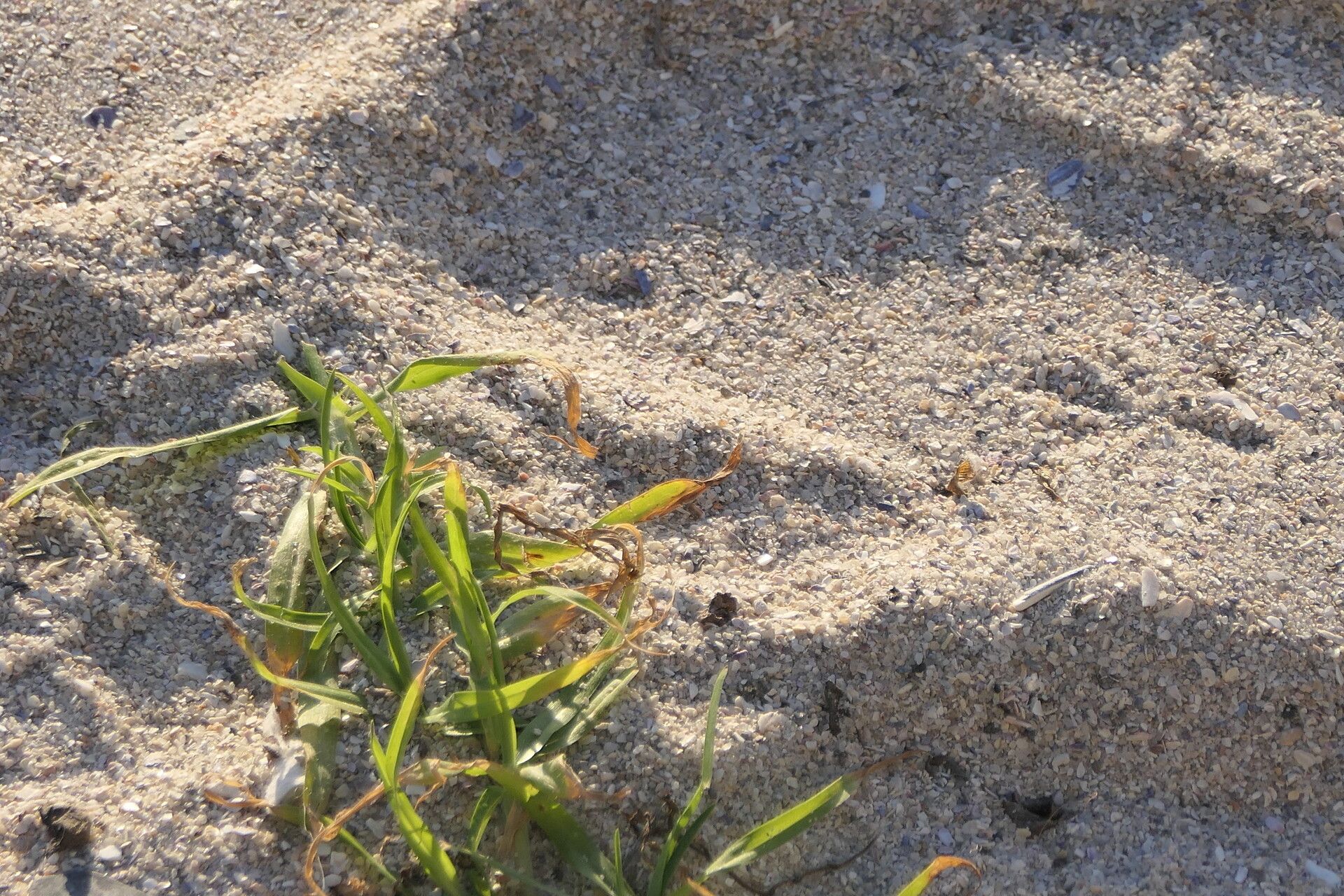
Pearl millet (Cenchrus americanus, commonly known as the synonym Pennisetum glaucum; also known as 'Bajra' in Hindi, 'Sajje' in Kannada, 'Kambu' in Tamil, 'Bajeer' in Kumaoni and 'Maiwa' in Hausa) is the most widely grown type of millet. It has been grown in Africa and the Indian subcontinent since prehistoric times. The center of diversity, and suggested area of domestication, for the crop is in the Sahel zone of West Africa. Recent archaeobotanical research has confirmed the presence of domesticated pearl millet on the Sahel zone of northern Mali between 2500 and 2000 BC.
Pearl millet is fairly disease-resistant and typically not prone to illnesses. However, it can be affected by pests and diseases present in its environment. These problems are usually mild. In terms of care, the plant requires moderate maintenance. Regular pruning is necessary to keep it looking good and to support healthy growth. Fertilizing can also help encourage flowering. Pearl millet is suitable for anyone with outdoor space, such as a garden or patio, and does not demand extensive care experience. It may need more attention if grown indoors.
How to keep Pennisetum Glaucum.
Light
Pearl millet does best when fully exposed to sunlight. An environment that provides plentiful light supports its healthy development. Adequate light benefits every stage of its growth. However, either excessive or insufficient light can harm the plant's vigor.
Water
Pennisetum glaucum has modest water requirements. It is not very thirsty, which may be mitigated with a thick layer of mulch.
Temperature
Pearl millet is native to areas whose climates range from 68 to 100 °F (20 to 38 ℃). It favors warm temperate regions and needs to acclimate to lower temperatures during cooler seasons to achieve optimal growth.
Fertilizer
For best growth, Pearl millet needs three fertilizer applications: one before planting, another one month after the seedlings emerge, and a final application 1 to 1.5 months after the second. Some Pearl millet varieties also benefit from extra fertilizer at planting to promote rapid growth.
Pruning
When plants start to fade in the early spring, treat them as an annual and cut off dead leaves and old flowering stalks.
Toxicity
Millet is edible and is one of the most eaten grains in the world. Do not eat the millet in your own garden though. Leave that for the birds. Although it won't do any harm, there is a husk on the grain that is not digestible by humans and this is best removed through industrial harvesting processes.
Further reading →
The toxicity and danger assessments provided are for reference only. We do not assure their accuracy, so it's crucial not to depend on them. Seek professional advice when necessary for accurate guidance.
Botanical profile.
- Plant Type
- Herb
- Life Cycle
- Annual, Perennial
- Genus
- Pennisetum
- Family
- Poaceae
- Hardiness Zone
- 7-11
- Mature Height
- 91 cm
- Mature Spread
- 91 cm
- Leaf Color
- Green, Red, Brown
- Leaf Type
- Semi-evergreen
- Flower Color
- Yellow, Purple, Brown, Black
- Flower Size
- 15.24 cm to 25.40 cm
- Bloom Time
- Early summer, Mid summer
- Planting Time
- Spring
- Harvest Time
- Mid summer
- Native Area
- Nepal, Sri Lanka, Saudi Arabia, Egypt, Turkey, Malaysia, India, Cyprus, Bangladesh, Pakistan, Yemen, Fiji, Lebanon, Russia, Iraq, Syria, Indonesia, Myanmar, Mongolia, Japan, Oman, Iran, Kuwait, Thailand
Other names.