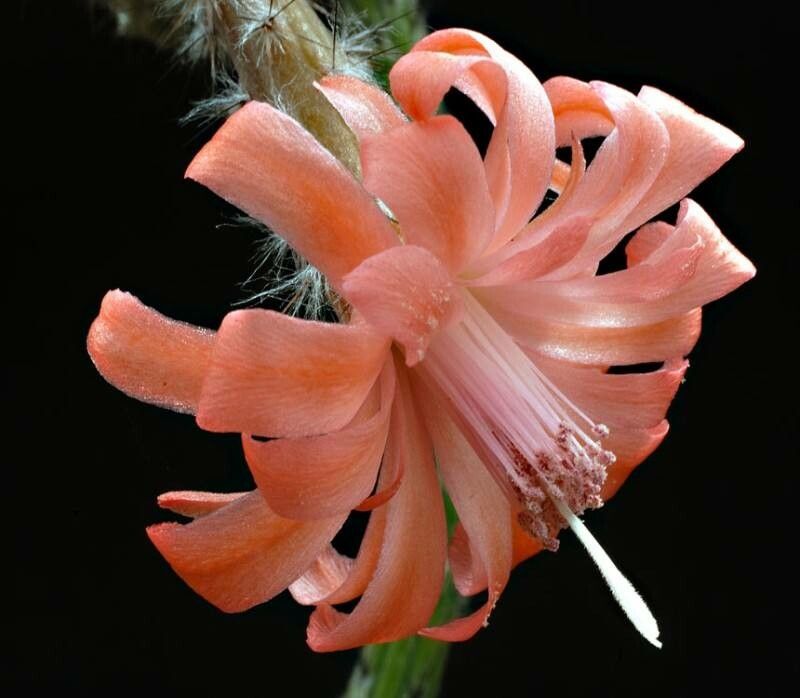
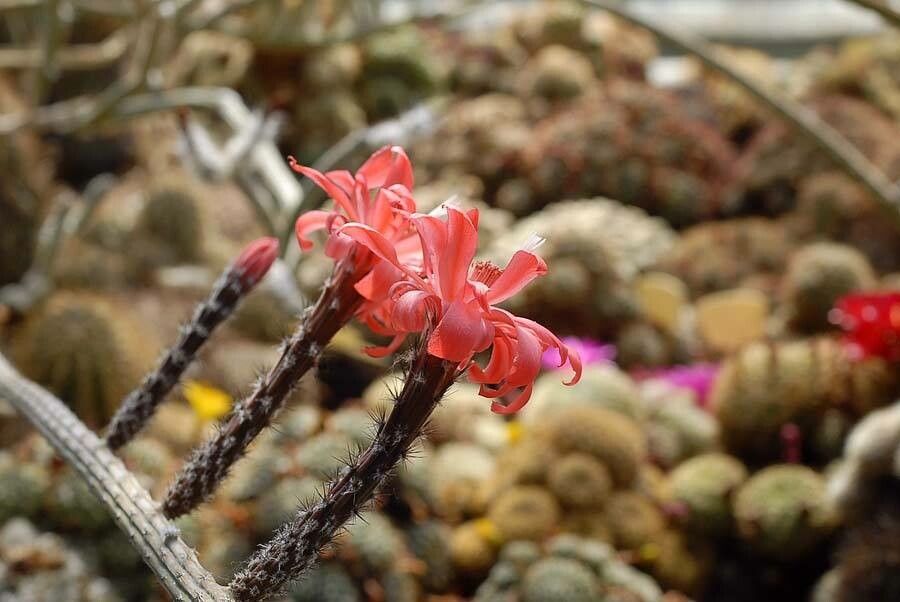
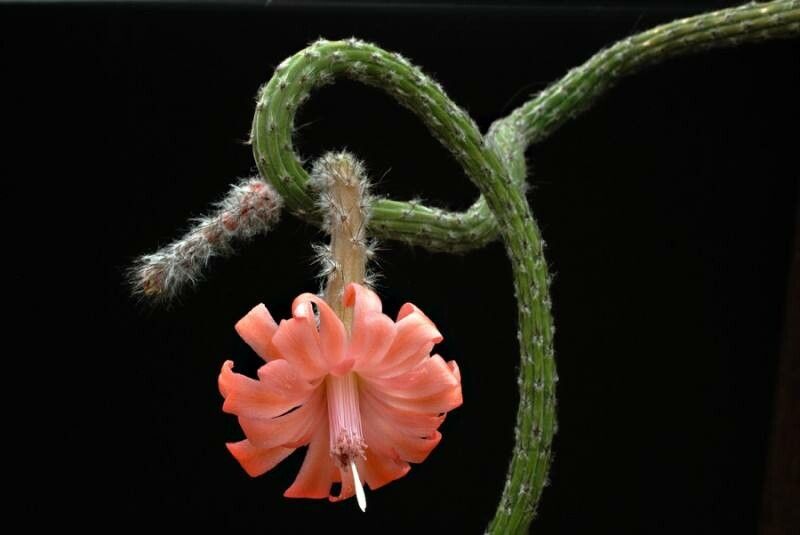
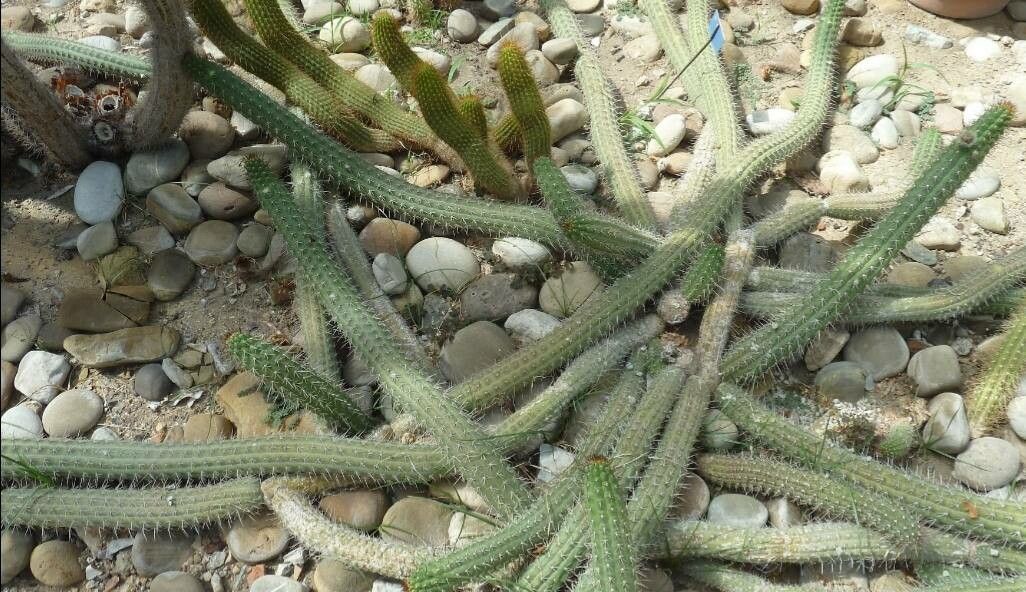
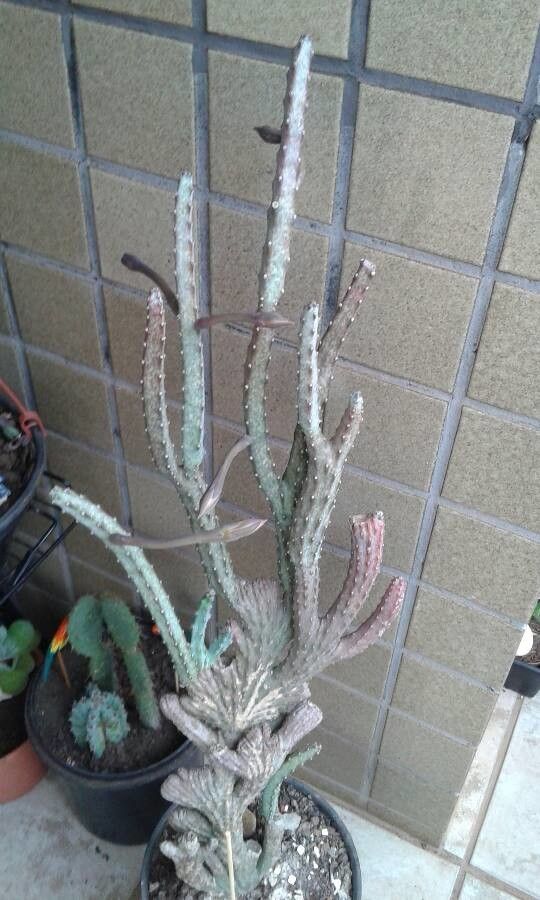
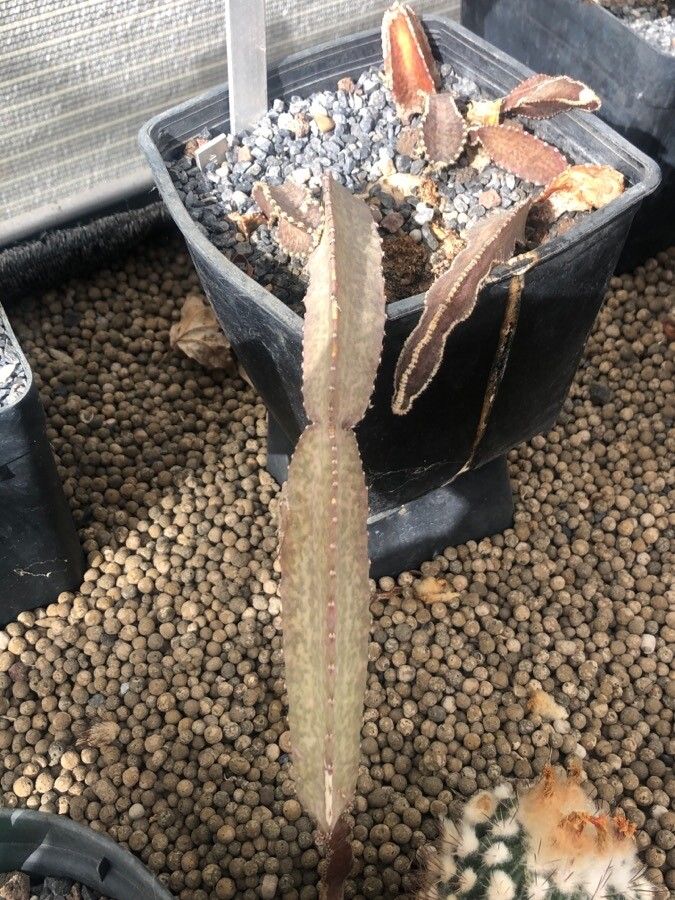
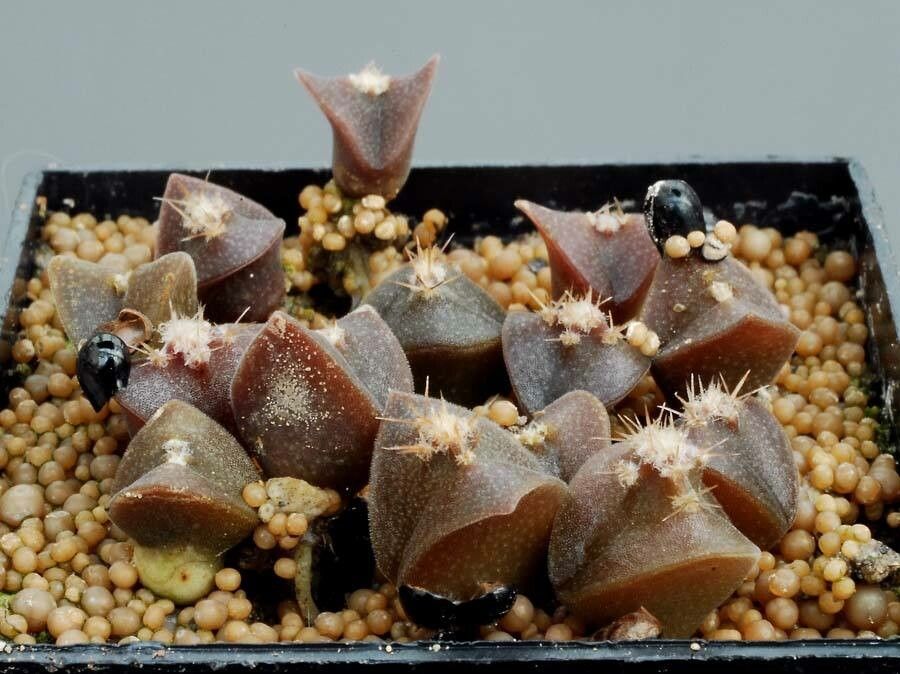
Peniocereus viperinus has strong disease resistance and can handle normal care without becoming ill easily. It can be vulnerable to mealybugs, which may inflict some damage but are typically not a major threat. Regarding care, Peniocereus viperinus is drought-tolerant and does not require frequent watering. It can endure extended intervals between waterings and needs little fertilizer. However, it is very prone to root rot when lighting is poor and it receives too much water. In general, Peniocereus viperinus is a good choice for people who prefer low-maintenance plants, though it is important to know and meet its basic requirements. It is especially appropriate for those who are away for long stretches and might often forget to water their plants.
How to keep Peniocereus Viperinus.
Light
Peniocereus viperinus, native to arid areas, does best in full sun; its natural habitat is marked by intense sunlight and little shade. It can also tolerate partial sun, providing some flexibility in its growth.
Water
Peniocereus viperinus is a drought-tolerant plant that requires watering only when the soil is dry. During the growing season, which spans from spring to fall, you should water it weekly. In the winter, reduce the frequency of watering, but ensure that the soil stays moderately moist. It's best to use rainwater or distilled water, as tap water can lead to soil compaction and stem rot.
Temperature
Peniocereus viperinus prefers warm conditions and needs elevated temperatures during the growing season to support growth and metabolic processes. It likes plenty of sunlight, suitable moisture, and good air circulation. However, it can be harmed by very low temperatures and by overwatering. It’s also important to maintain balance and avoid overly high temperatures or excessively dry conditions.
Fertilizer
Peniocereus viperinus needs light fertilizer applications once or twice a year during the growing season. Do not fertilize in winter or summer when it is dormant. Cut back on fertilizer for repotted plants and wait a couple of months after repotting before applying any. Fertilizing helps sustain healthy growth and encourages flowering.
Pruning
Peniocereus viperinus is a distinctive cactus known for its trailing growth and flowers that bloom at night. To encourage healthier growth and more plentiful blooms, prune the plant in early spring. Use sterilized tools to remove dead stems and improve air circulation, giving the cactus a more vibrant appearance.
Botanical profile.
- Plant Type
- Succulent
- Life Cycle
- Perennial
- Genus
- Peniocereus
- Family
- Cactaceae
- Hardiness Zone
- 9-11
- Mature Height
- 30 cm to 61 cm
- Mature Spread
- 10 cm to 20 cm
- Leaf Color
- Dark Green
- Leaf Type
- Deciduous
- Flower Color
- Pink, White
- Flower Size
- 7.62 cm to 10.16 cm
- Bloom Time
- Summer
- Planting Time
- Spring, Summer, Autumn
- Harvest Time
- Late summer, Early fall, Mid fall
- Native Area
- Mexico