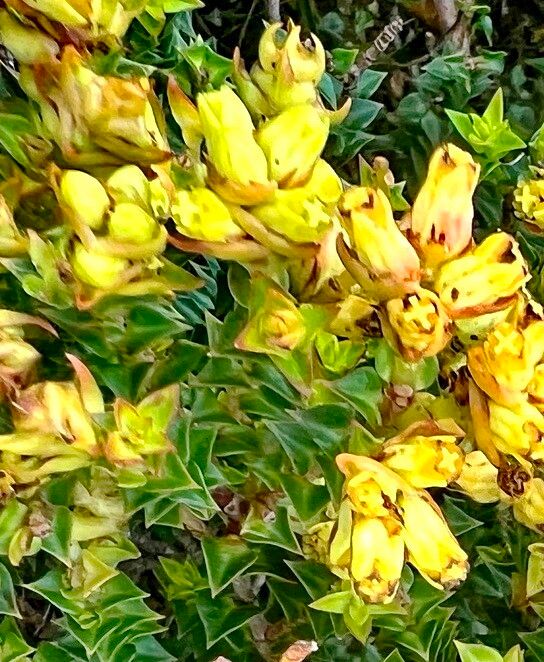
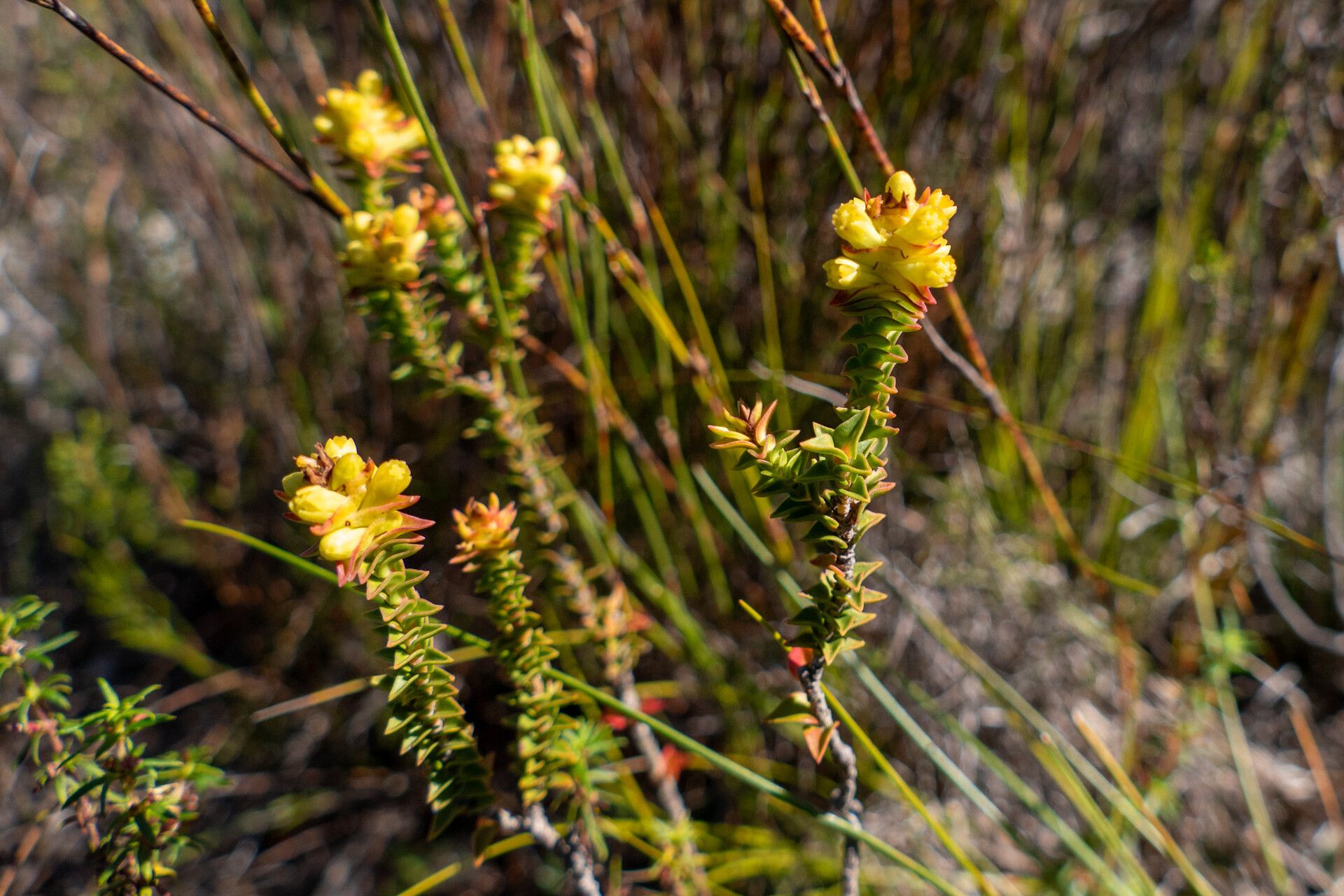
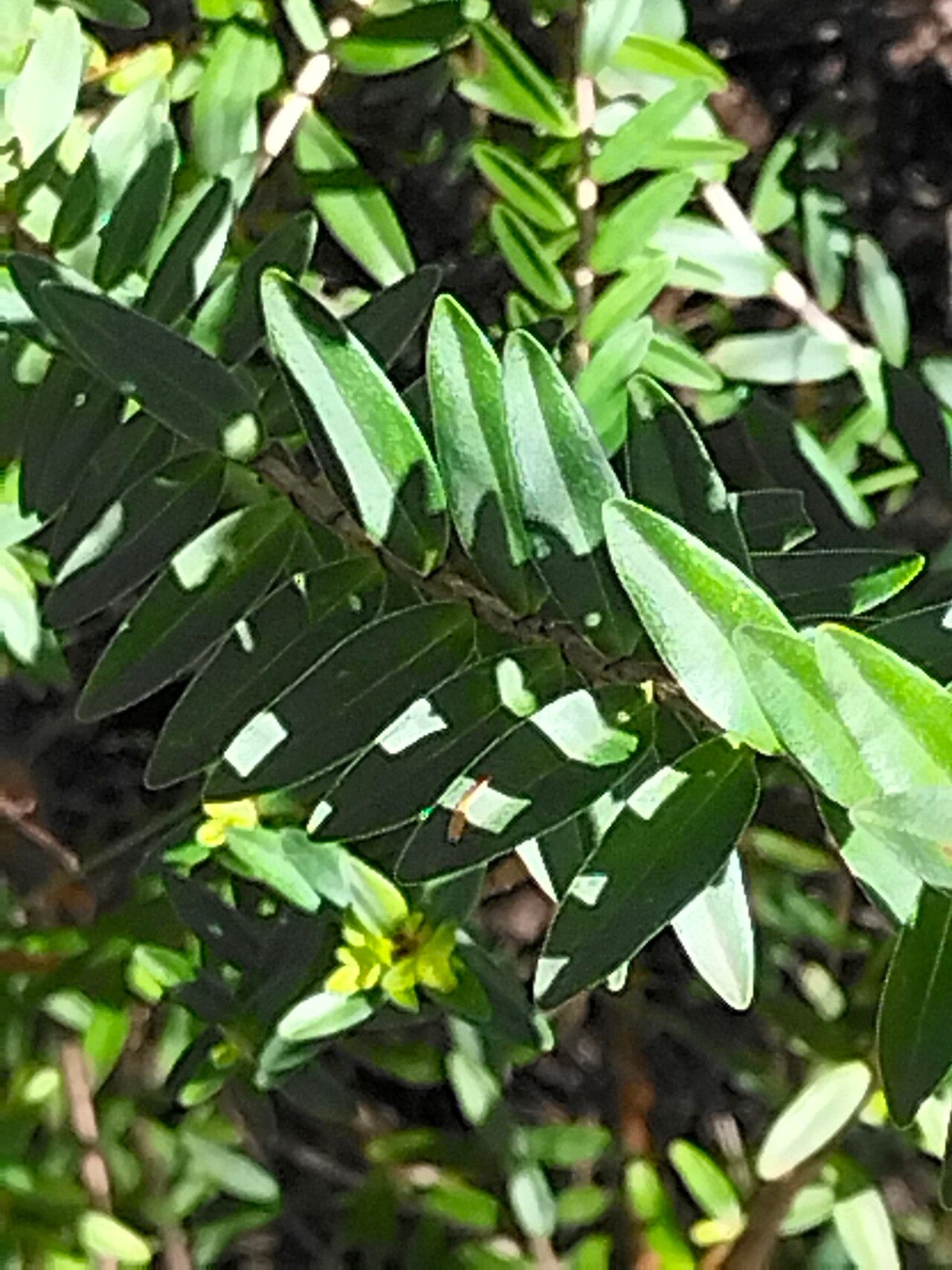
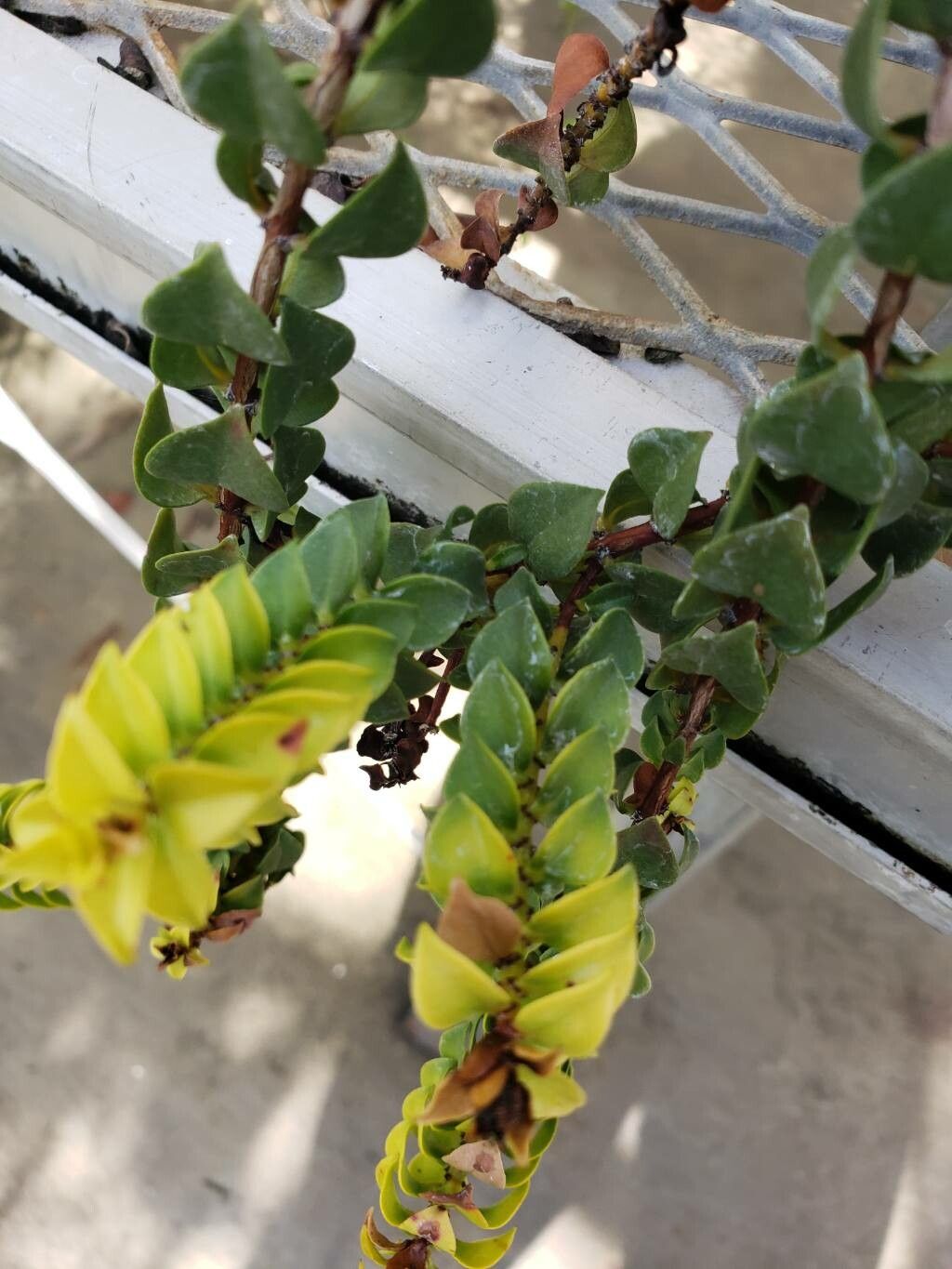
Naughts-and-crosses is resistant to disease and generally does not tend to suffer from illnesses. Regarding care, this plant is fairly low-maintenance. Planted outdoors it needs only light watering, and larger specimens typically do not require pruning. Smaller plants, however, should be trimmed after they finish blooming. Naughts-and-crossest is suitable for anyone with an outdoor area, such as a garden or deck, and does not need a great deal of care experience.
How to keep Penaea Mucronata.
Light
The growth of the Naughts-and-crosses plant flourishes best when it has access to ample daily sunlight, which is vital for its health. This preference is due to the plant's native environment having lots of sunlight. Either too much or too little sunlight could damage the plant, leading to burnt leaves or diminished growth respectively.
Temperature
Naughts-and-crosses demonstrates significant resilience to temperature, capable of enduring elevated temperatures and extensive temperature fluctuations. When temperatures rise, it becomes critical to monitor watering and supply suitable shading to avoid sun damage. However, Naughts-and-crosses shows comparatively weak resistance to cold temperatures. Although it can manage a certain level of cold, overly cold conditions can cause frost harm.
Fertilizer
Encourage robust development of your Naughts-and-crosses by fertilizing them at the start of spring. Periodic fertilizing boosts general wellbeing, leading to strong growth, fortitude in harsh environments, and better ability to resist diseases and pests. Stick to a particular fertilization routine for your Naughts-and-crosses to guarantee bright, deeply colored foliage with a plush look.
Botanical profile.
- Plant Type
- Shrub
- Life Cycle
- Perennial
- Hardiness Zone
- 9-11
- Mature Height
- 49 cm
- Mature Spread
- 30 cm to 61 cm
- Leaf Color
- Dark Green
- Leaf Type
- Evergreen
- Flower Color
- Pink, White
- Flower Size
- 0.51 cm to 0.76 cm
- Bloom Time
- Mid fall, Late fall, Early winter
- Planting Time
- Spring, Summer
- Harvest Time
- Mid winter, Late winter, Early spring
- Native Area
- South Africa