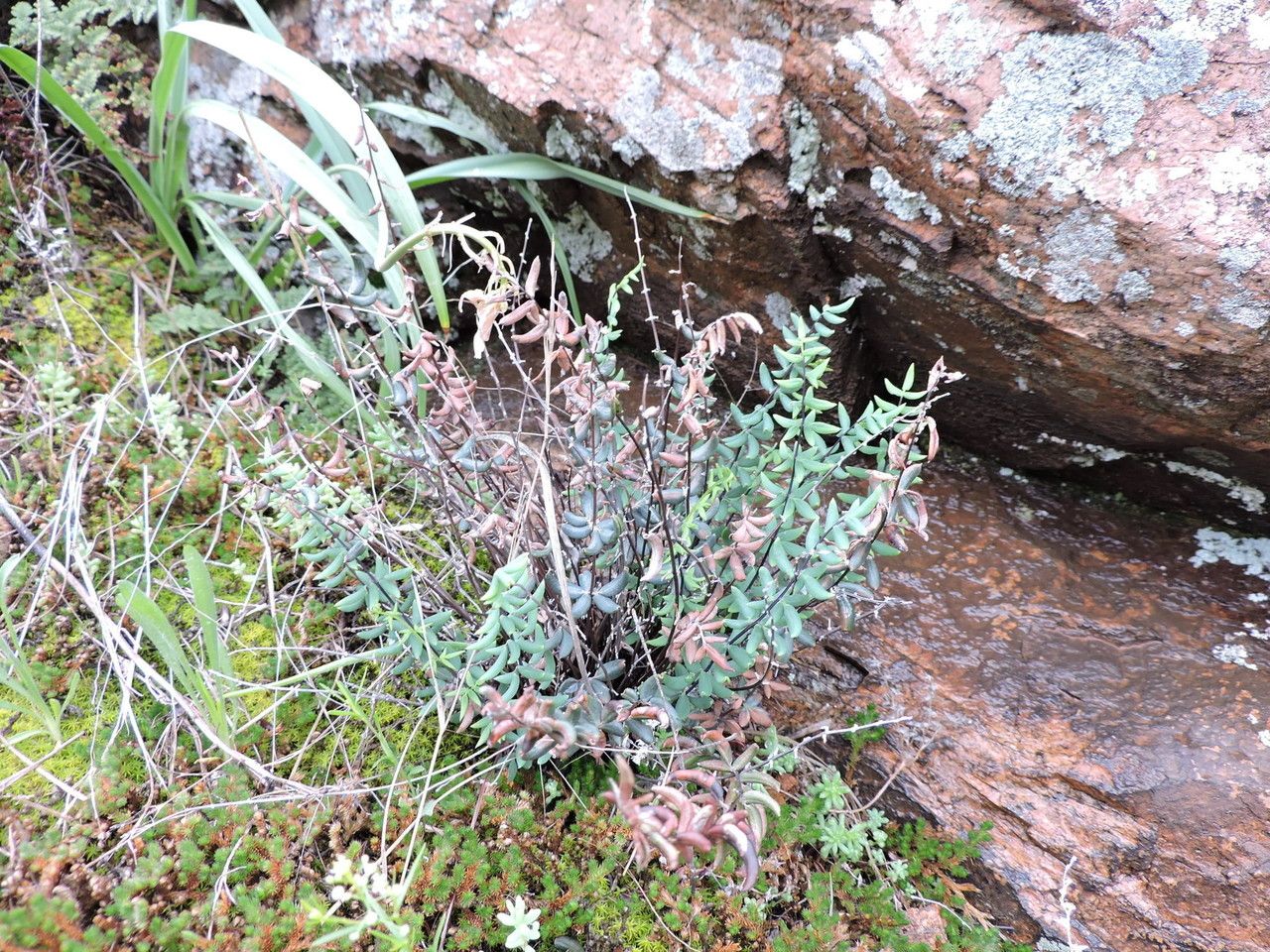
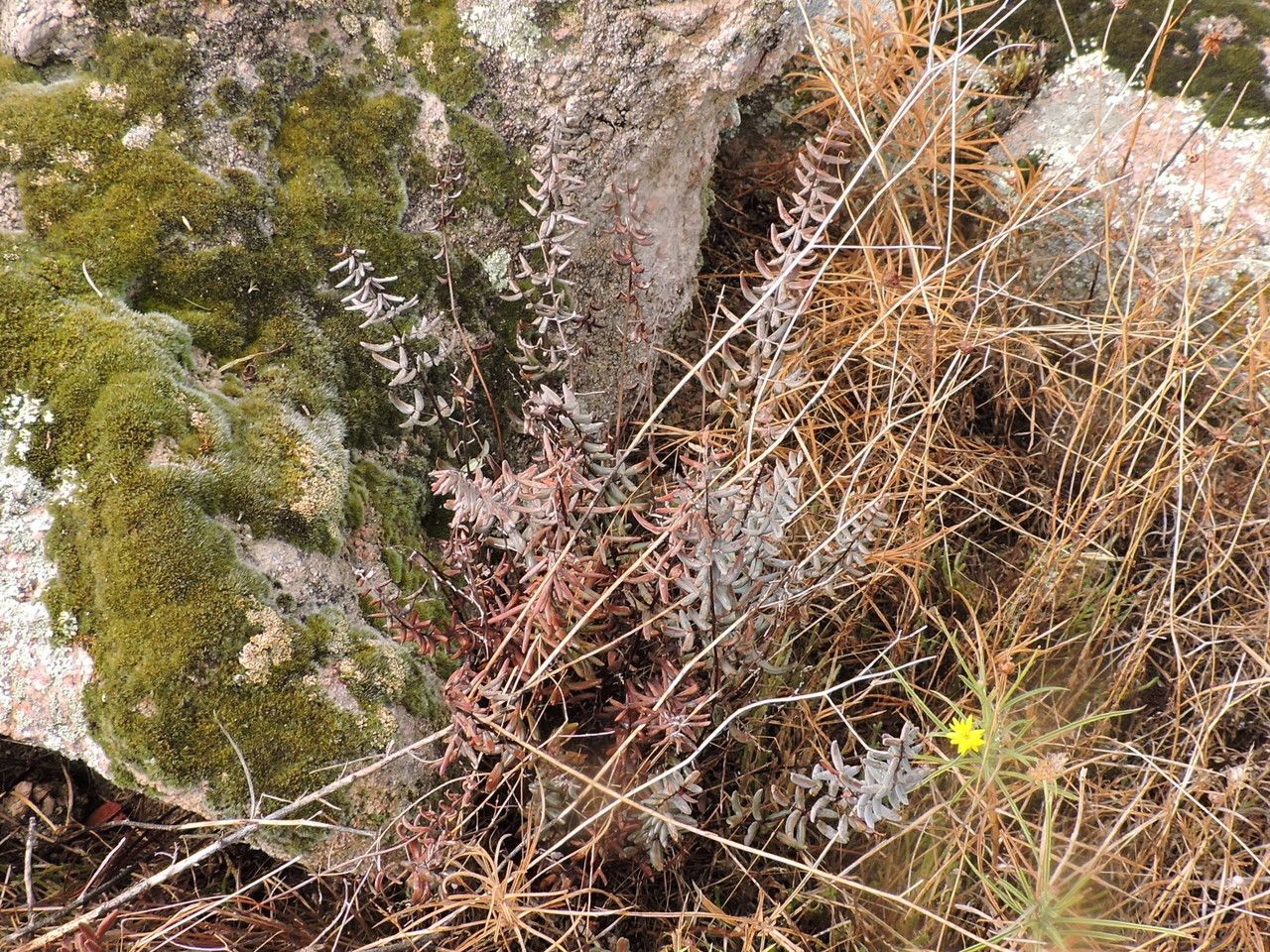
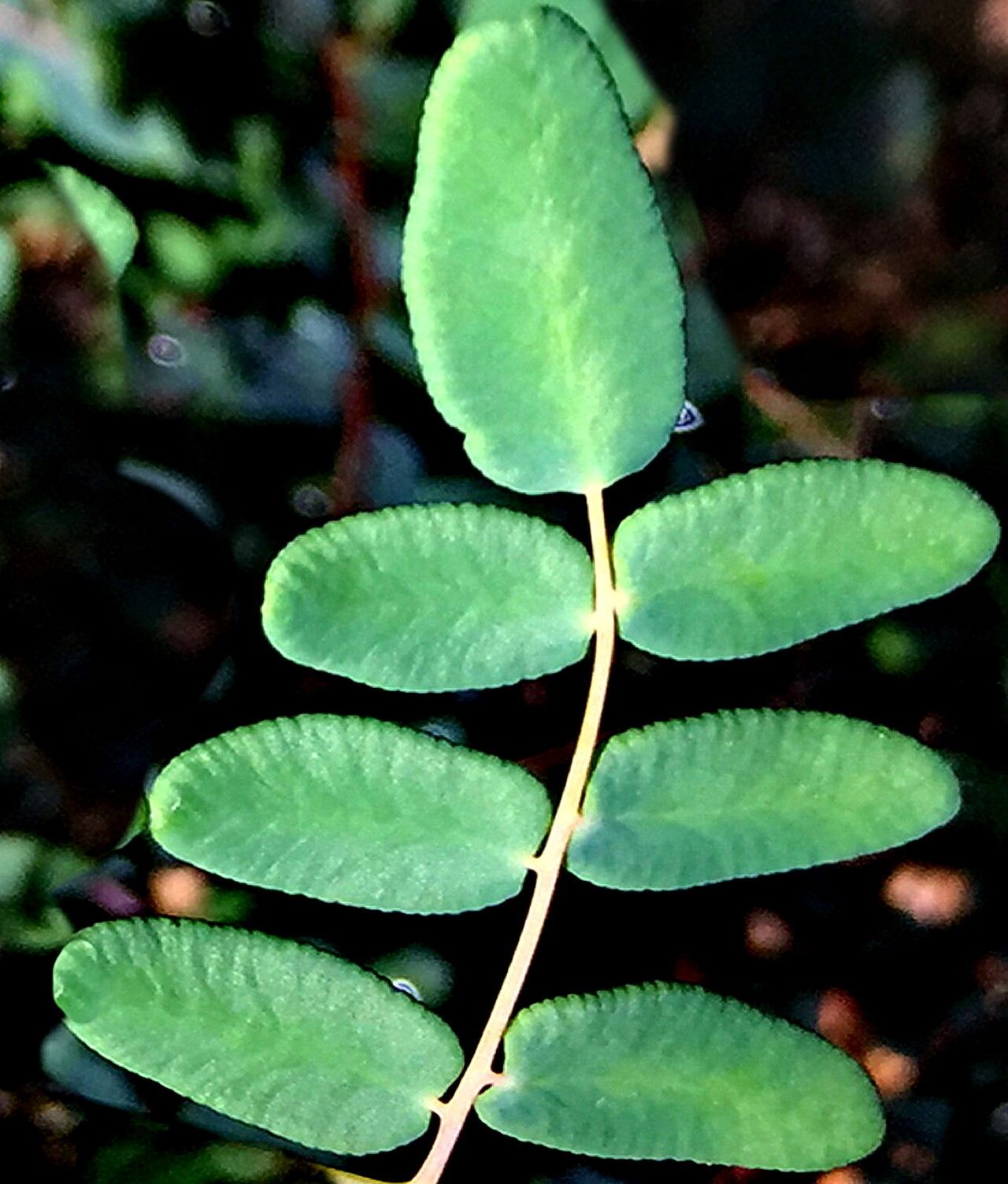
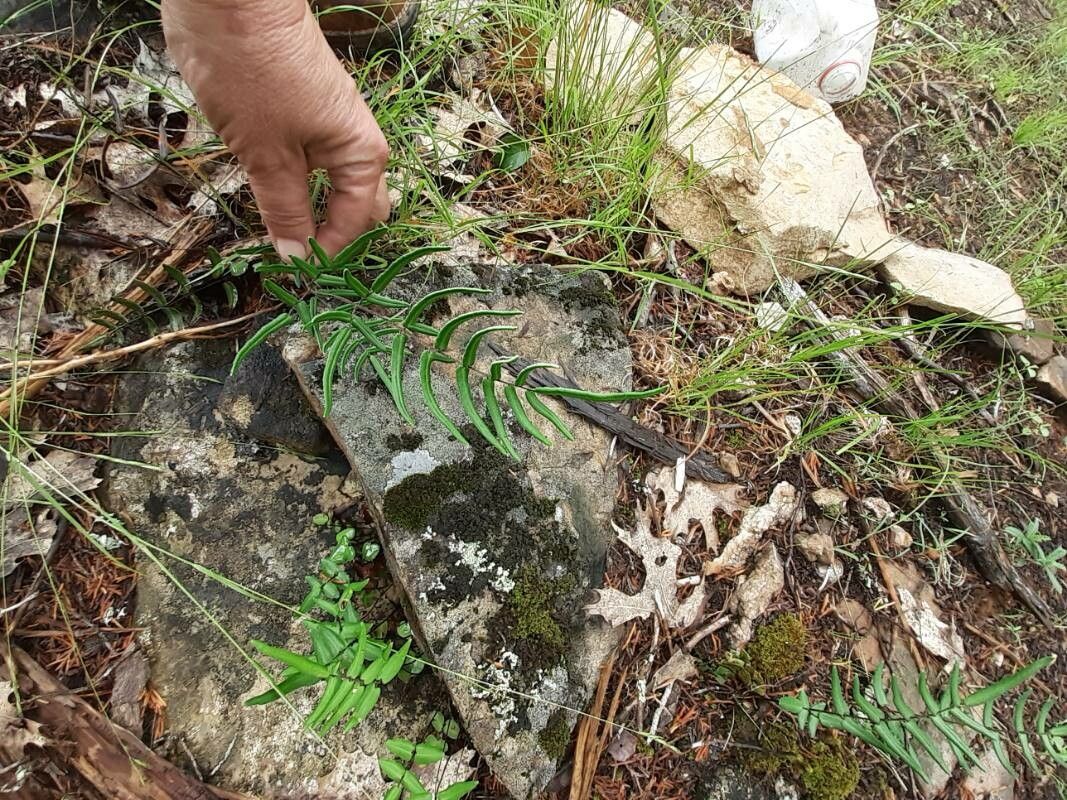
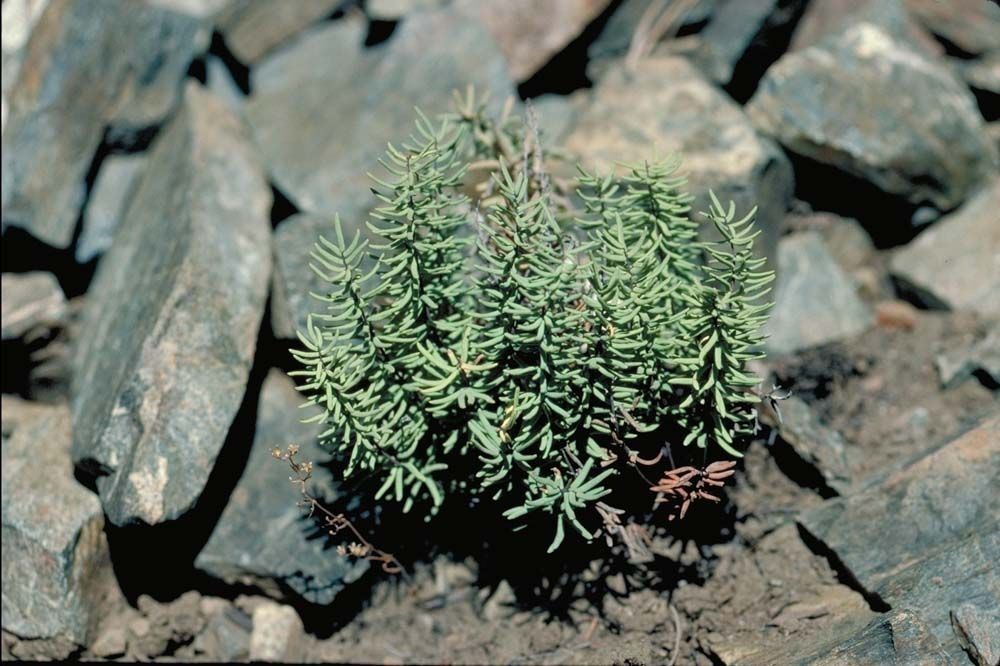
Wright's cliffbrake typically shows strong resistance to disease and is affected by relatively few insect pests. Its care is considered difficult because it requires a consistently moist environment and frequent watering. However, the roots can rot if overwatered and the surroundings are not well ventilated. It is suitable for growers with some experience, as most people can keep it alive for a certain amount of time. Nonetheless, Wright's cliffbrake may struggle to thrive, and over time its leaves can dry out and become less healthy.
How to keep Pellaea Wrightiana.
Light
Wright's cliffbrake is born from settings such as forest undergrowth and rocky terrains, which provide natural shade. Its optimal exposure to sunlight is Full Shade, yet it can withstand Partial Sun.
Pruning
Wright's cliffbrake is a resilient fern that flourishes in rocky landscapes. For optimal growth, prune it in early spring by cutting back the fronds at their base. This helps encourage healthy growth and prevents damage to the rhizomes. Regular pruning also helps control the fern's size, improves air circulation, and reduces the risk of disease, ensuring the foliage remains vibrant and attractive.
Botanical profile.
- Plant Type
- Fern
- Life Cycle
- Perennial
- Genus
- Pellaea
- Family
- Pteridaceae
- Hardiness Zone
- 9-11
- Mature Height
- 0 cm to 91 cm
- Native Area
- Mexico
Other names.
Reader questions.
What are the sunlight requirements for Wright's cliffbrake (Pellaea wrightiana)?
Wright's cliffbrake (Pellaea wrightiana) thrives in full shade, requiring less than 3 hours of sunlight daily. It's important to observe how sunlight moves through your garden throughout the day to find the ideal spots that offer a good balance of light and shade. This ensures the plant's health and happiness.