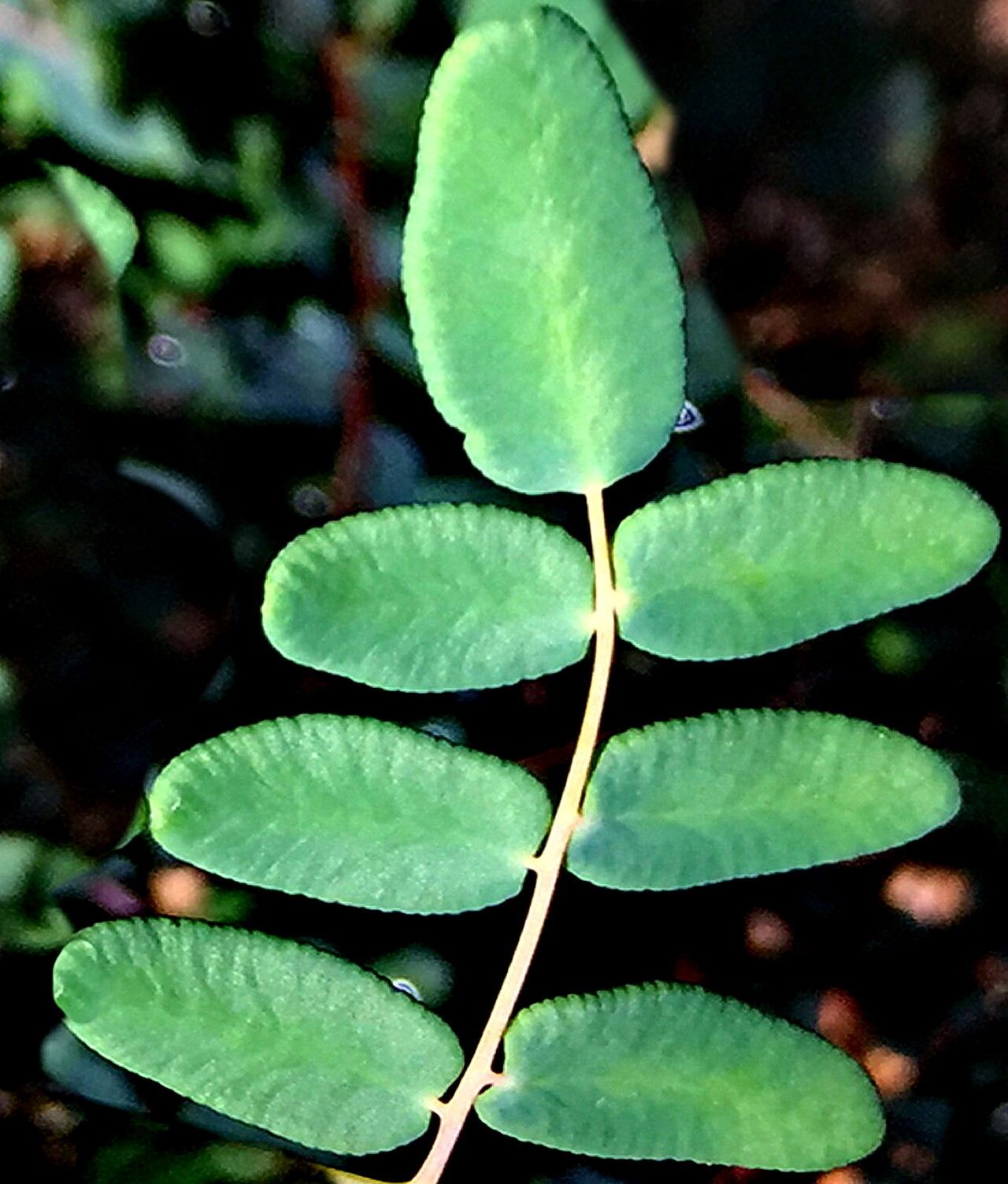
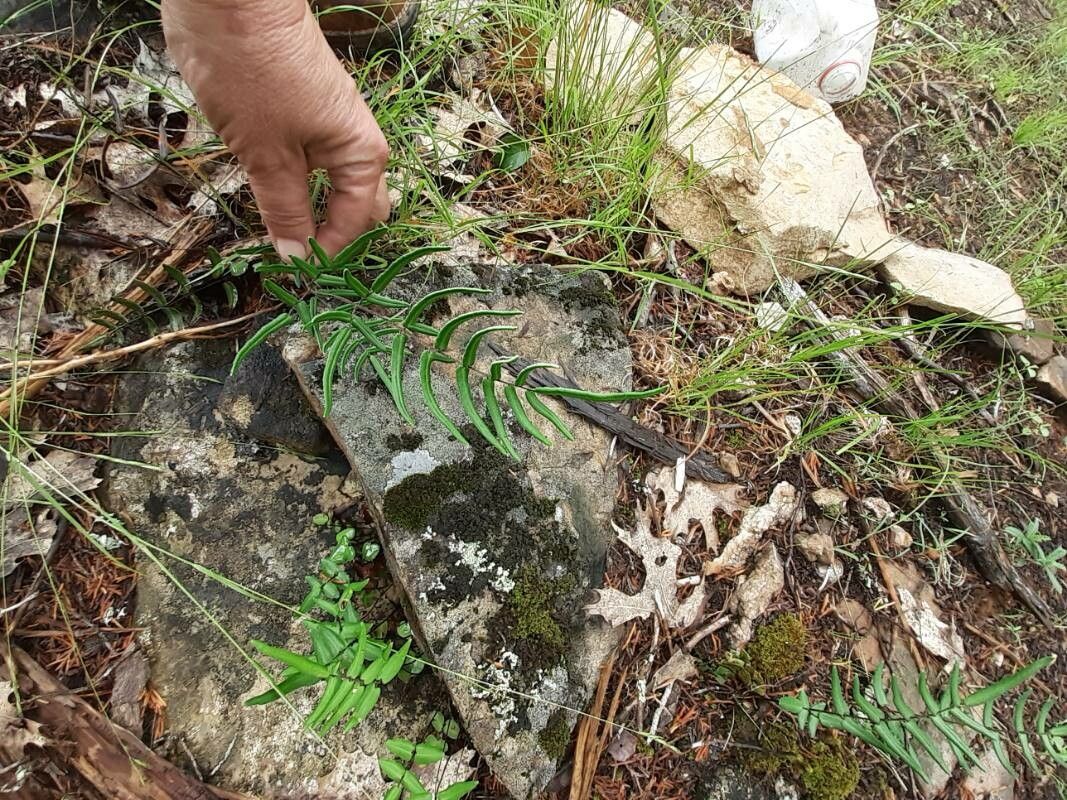
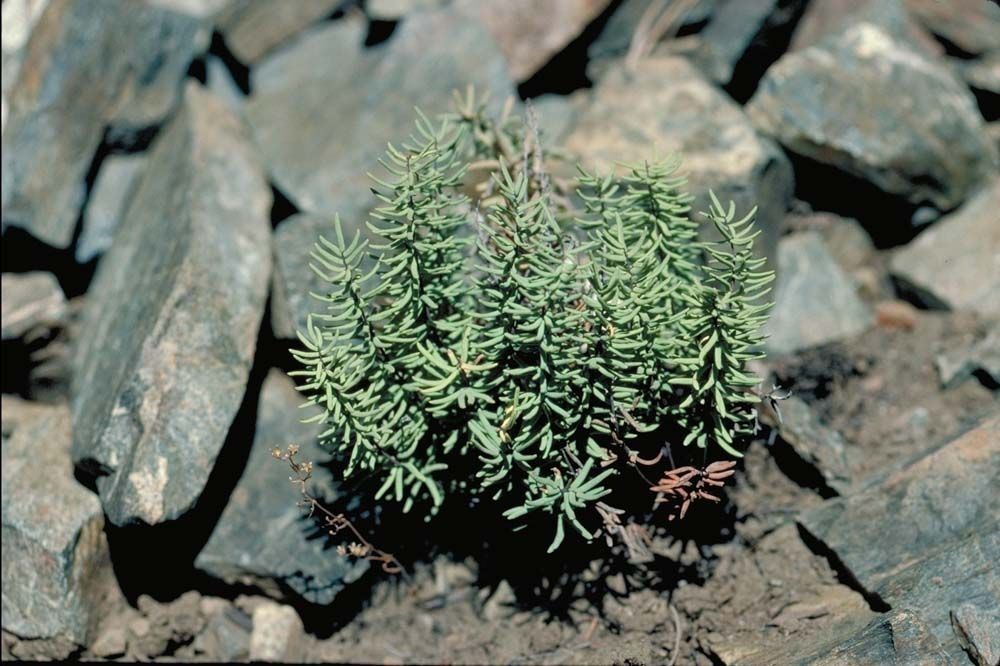
Trans-pecos cliffbrake is fairly resistant to disease and generally does not develop many illnesses. Nonetheless, it can be vulnerable to pests and diseases that occur in its surroundings. Such problems are usually mild. Regarding care, the plant requires moderate maintenance. Regular pruning is needed to keep a neat appearance and support healthy growth. Applying fertilizer can also help encourage flowering. Trans-pecos cliffbrake is suitable for people with outdoor spaces like a garden or patio and does not demand extensive care experience. When grown indoors it may need more attention.
How to keep Pellaea Ternifolia.
Light
Trans-pecos cliffbrake does best in places with low sun exposure, mirroring its native habitat which is usually protected from strong sunlight. Excessive sun can stunt its growth. It does not require bright light for optimal growth and lacks resilience to varying sunlight conditions.
Water
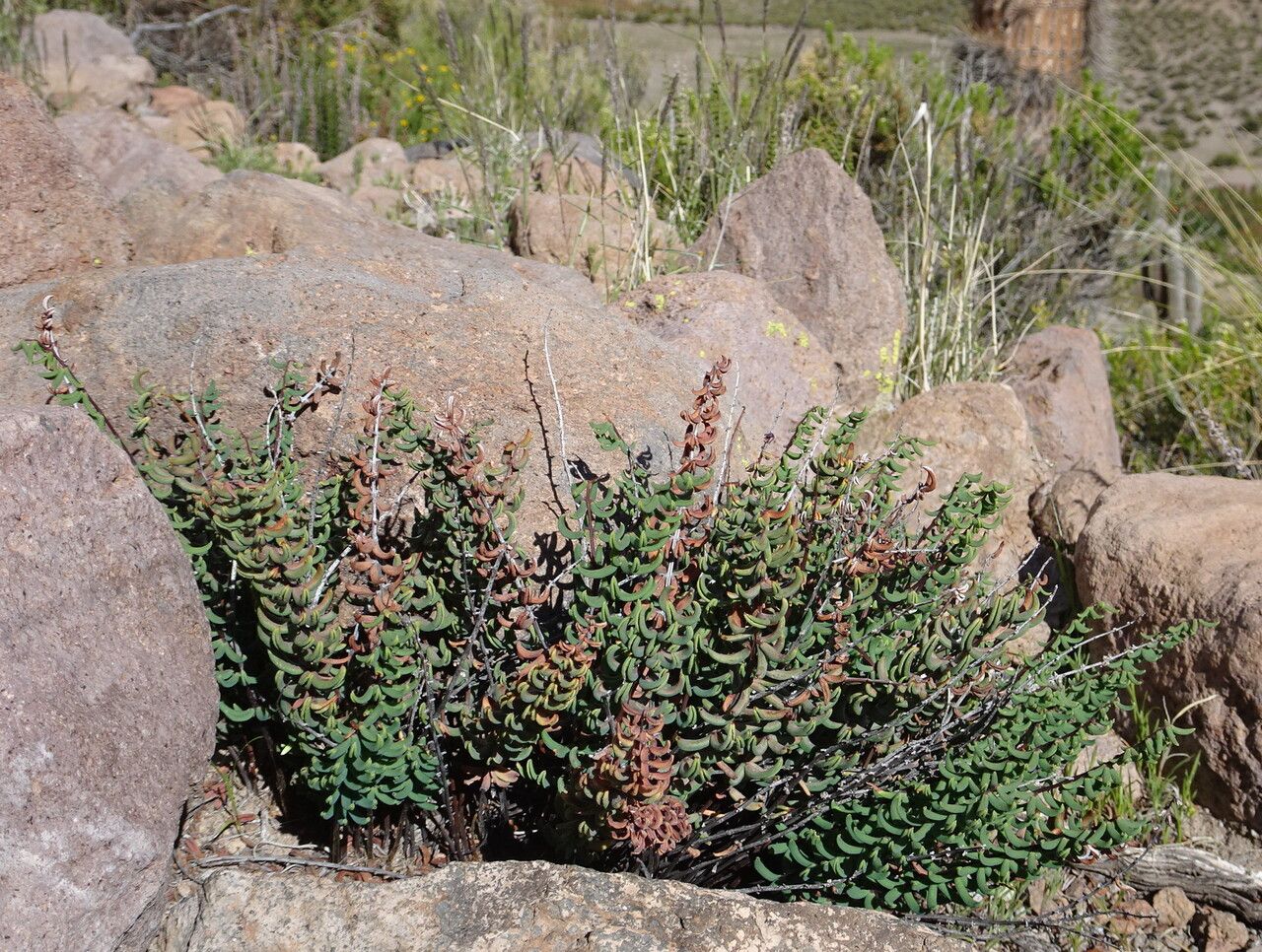
The Trans-Pecos cliffbrake is extremely drought-tolerant, thriving in arid conditions with very little moisture. While it benefits from weekly watering, it prefers well-draining soil to prevent root rot. This makes it an excellent choice for xeriscaping in dry climates.
Temperature
Trans-pecos cliffbrake is native to regions with temperatures between 68 and 100 °F (20 and 38 ℃). It thrives in warm conditions and favors these higher temperature ranges. Depending on the season, consider raising heat levels to maximize growth.
Fertilizer
Trans-pecos cliffbrake needs the most fertilizer during its active growth period, which occurs mainly in spring, summer, and early fall. Fertilizing is important to supply essential nutrients that the soil may lack, encouraging healthy root and stem growth as well as attractive foliage, a key characteristic of this particular plant.
Pruning
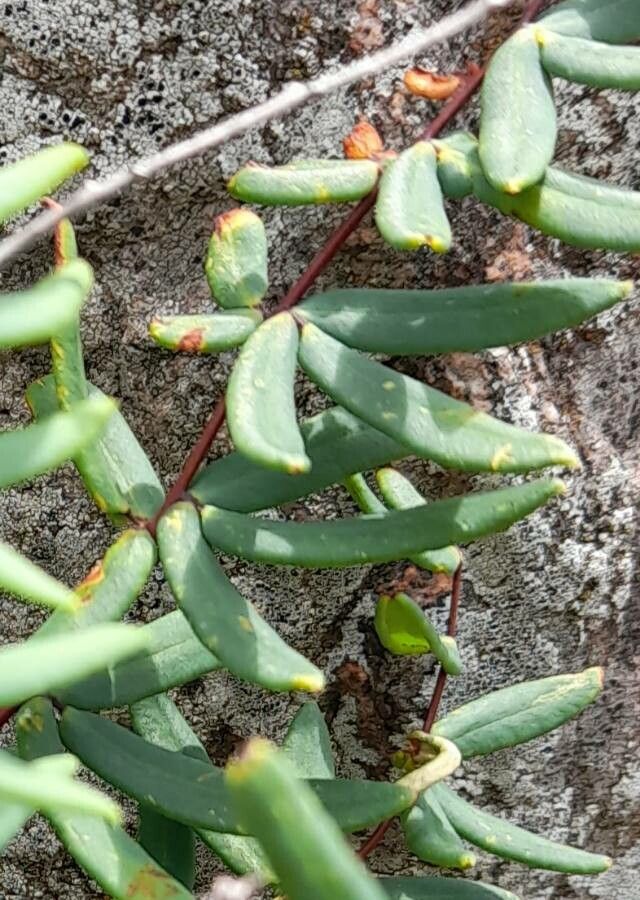
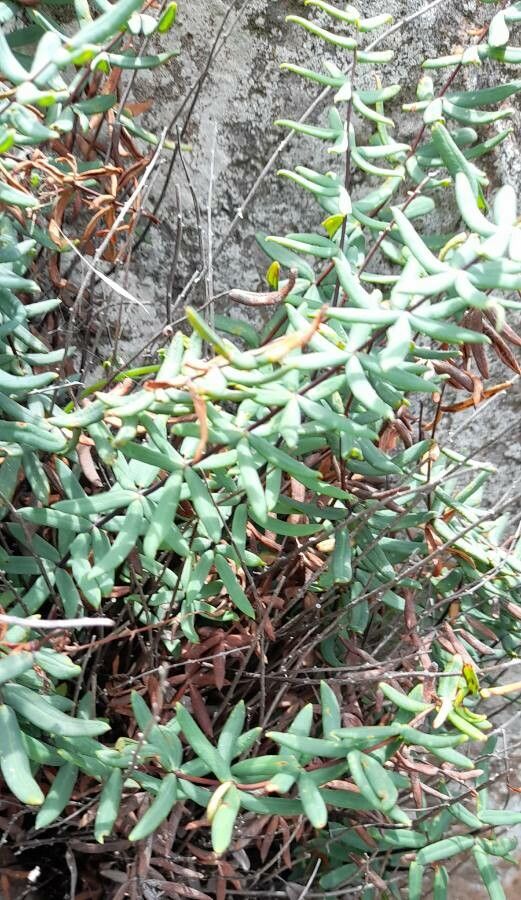
To support the growth of Trans-Pecos cliffbrake, it is beneficial to prune it each year during early to late spring. This involves removing damaged fronds and thinning the plant to enhance air circulation, which promotes its health and helps prevent disease. It's important to use sharp, clean tools to make precise cuts, which will help maintain the plant's aesthetics and structure.
Botanical profile.
- Plant Type
- Herb
- Life Cycle
- Perennial
- Genus
- Pellaea
- Family
- Pteridaceae
- Hardiness Zone
- 9-11
- Mature Height
- 49 cm
- Mature Spread
- 30 cm
- Leaf Color
- Dark Green, Olive Drab
- Leaf Type
- Evergreen
- Planting Time
- Spring, Summer
Other names.
Reader questions.
What are the sunlight requirements for Trans-pecos cliffbrake?
Trans-pecos cliffbrake, known botanically as Pellaea ternifolia, thrives best in full shade, requiring less than 3 hours of sunlight per day. It's essential to monitor the movement of sunlight through your garden to find spots that offer a balanced light and shade environment, ensuring the plant's well-being. Originating from habitats that are generally protected from direct sunlight, Trans-pecos cliffbrake does not require much light for optimal growth and lacks resilience to varying sunlight conditions.
What are the ideal temperature conditions for growing Trans-pecos cliffbrake?
Trans-pecos cliffbrake thrives in temperatures ranging from 68 to 100°F (20 to 38°C), preferring warm environments to maximize its growth. It is highly sensitive to cold temperatures, and exposure to temperatures approaching 0°C can be detrimental to the plant. During winter, it's recommended to keep the plant indoors with temperatures maintained above 20°C to ensure healthy growth. Bringing the plant indoors and placing it near a bright window while avoiding direct heat sources in autumn is beneficial for its survival and health.
How can artificial lighting support the growth of indoor Trans-pecos cliffbrake plants?
Indoor plants like Trans-pecos cliffbrake may require artificial lighting to replicate their natural habitat, especially in conditions where natural sunlight is scarce. Artificial lights, particularly LED lights, can be tailored to provide specific light wavelengths necessary for plant growth. For plants needing full sun, 30-50 watts per square foot is ideal; partial sun plants benefit from 20-30 watts per square foot; and full shade plants, like Trans-pecos cliffbrake, need 10-20 watts per square foot. The artificial light source should be placed 12-36 inches away from the plant and turned on for 8-12 hours daily to mimic natural daylight hours.
How does low temperature affect Trans-pecos cliffbrake and what are the solutions?
Trans-pecos cliffbrake is not tolerant of low temperatures and thrives best when the temperature is maintained above 20°C. Exposure to temperatures below -5°C may cause the leaves to lighten in color, and in the event of frost, the foliage may turn brown or black with signs of wilting and drooping. To mitigate damage from low temperatures, frost-damaged parts should be trimmed off, and the plant should be moved to a warm environment indoors. Placing it near a south-facing window ensures ample sunlight without the risk of excessive dryness from nearby heaters or air conditioning vents.
What symptoms indicate insufficient lighting for Trans-pecos cliffbrake?
Symptoms of insufficient lighting in Trans-pecos cliffbrake include smaller-than-previous new leaves, leggy or sparse growth, faster leaf drop, halted growth, pale new leaves, and conditions such as chlorosis, sunscald, leaf curling, wilting, and leaf scorching. These symptoms suggest the plant's light needs are not being met, hence it's crucial to ensure adequate lighting for optimal growth. Conversely, too much sunlight can lead to issues like chlorosis and sunscald, showcasing the importance of a balanced light environment.
What should be done if Trans-pecos cliffbrake is exposed to high temperatures?
During the summer, it's important to ensure that Trans-pecos cliffbrake's environment does not exceed 38°C to prevent heat stress. Temperatures above 43°C can lighten the color of the leaves and increase susceptibility to sunburn. In such cases, trimming the sunburned and dried-up parts of the plant can help. Relocating the plant to a shaded area during the hottest parts of the day and ensuring it is watered in the morning and evening will help keep the soil moist, thus alleviating stress from high temperatures.
What are the solutions for managing Trans-pecos cliffbrake under insufficient or excessive sunlight?
To manage sunlight exposure for Trans-pecos cliffbrake, consider moving indoor plants closer to windows to receive filtered light and brief direct morning sunlight, ideally 1-2 meters away from a window. For plants not easily moved, supplement with artificial light, keeping lamps on for at least 8 hours per day. Outdoor plants should be gradually acclimatized to sunnier spots to avoid sunburn. Minimizing obstructions such as trees by pruning can increase sunlight exposure. For smaller plants, consider transplanting during their dormant period to a sunnier location with good drainage. Remember, parts of the plant damaged by inadequate light may not recover, but new growth will be healthy with better light conditions.