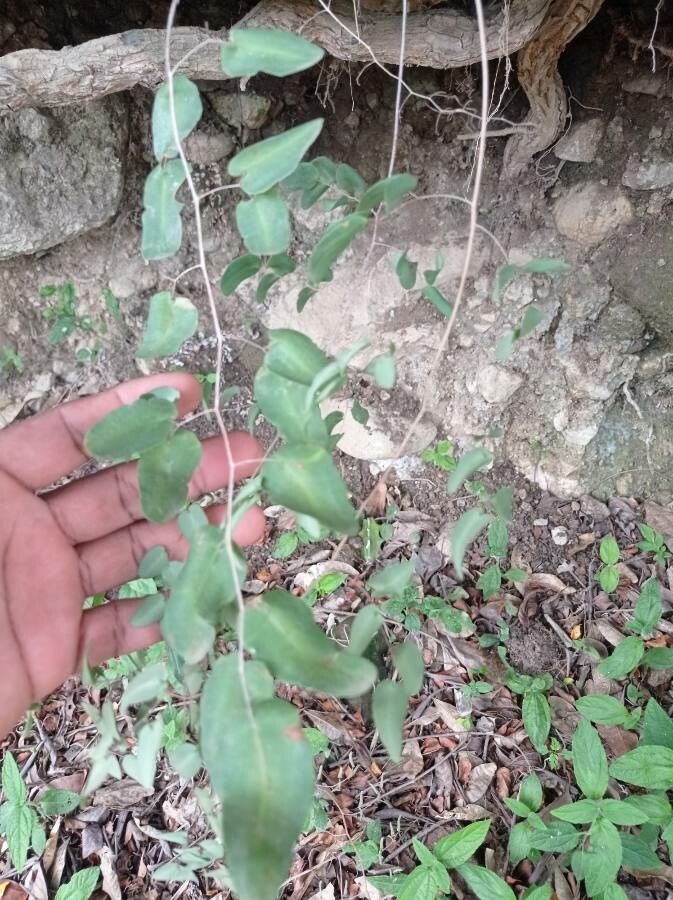
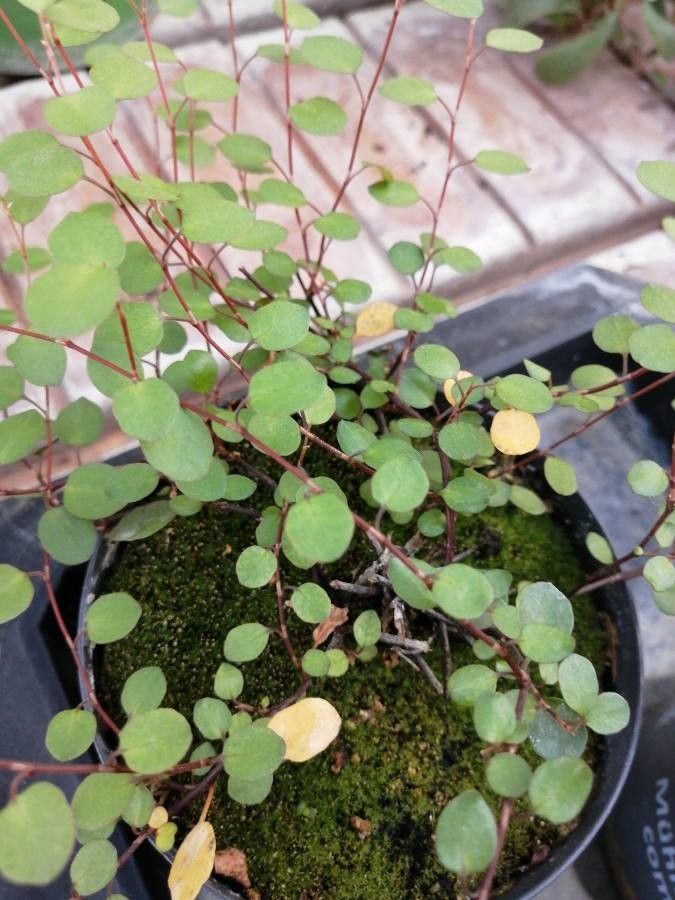
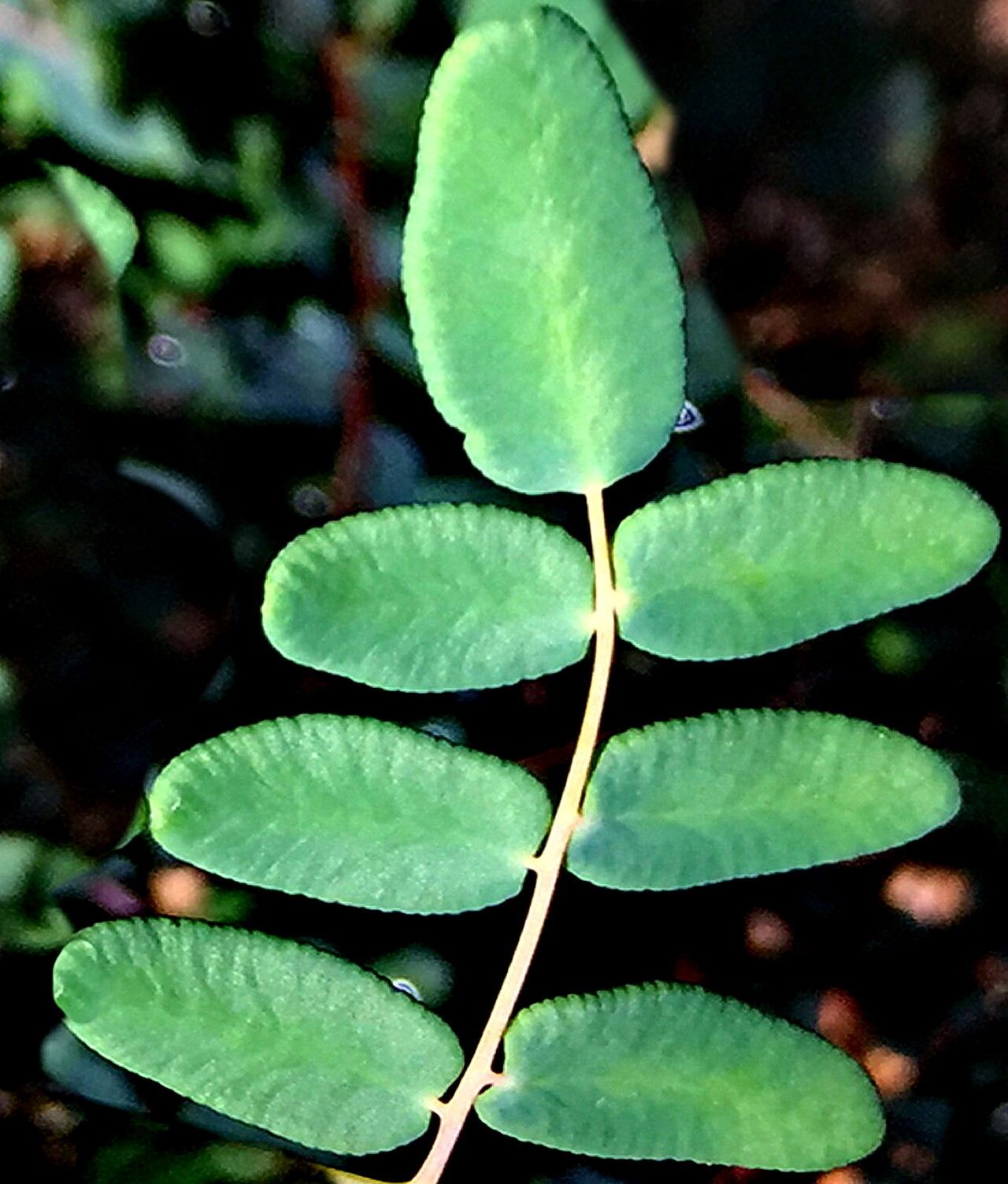
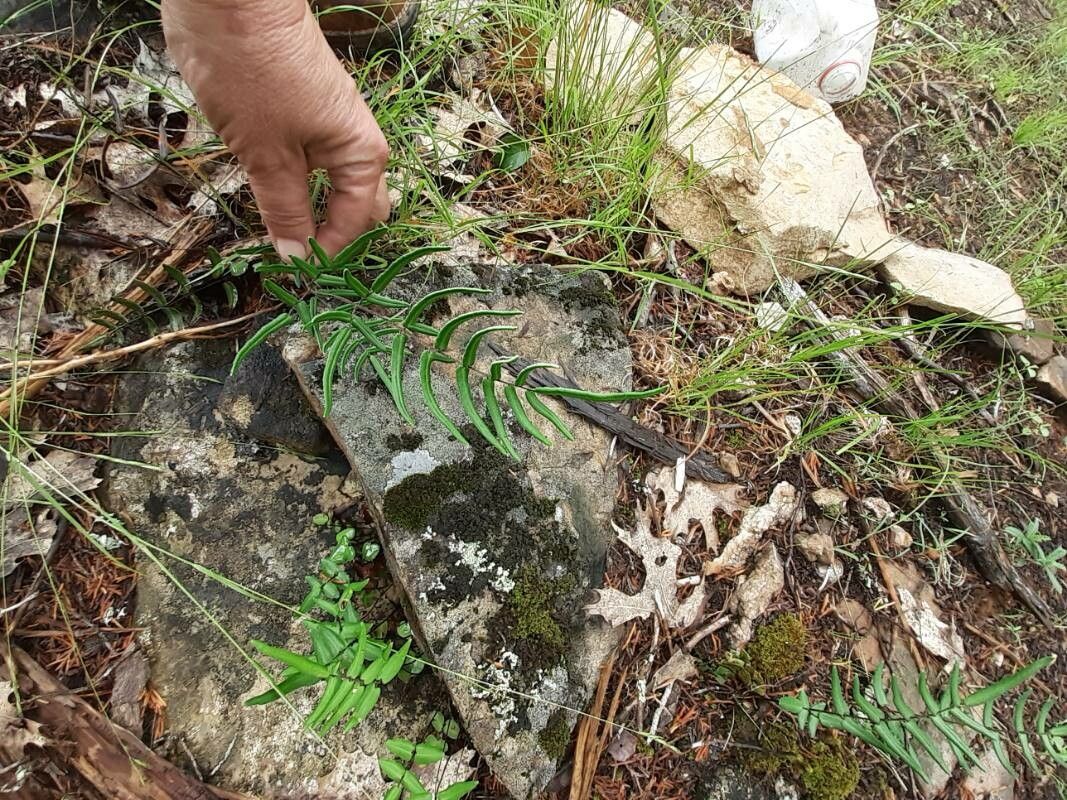
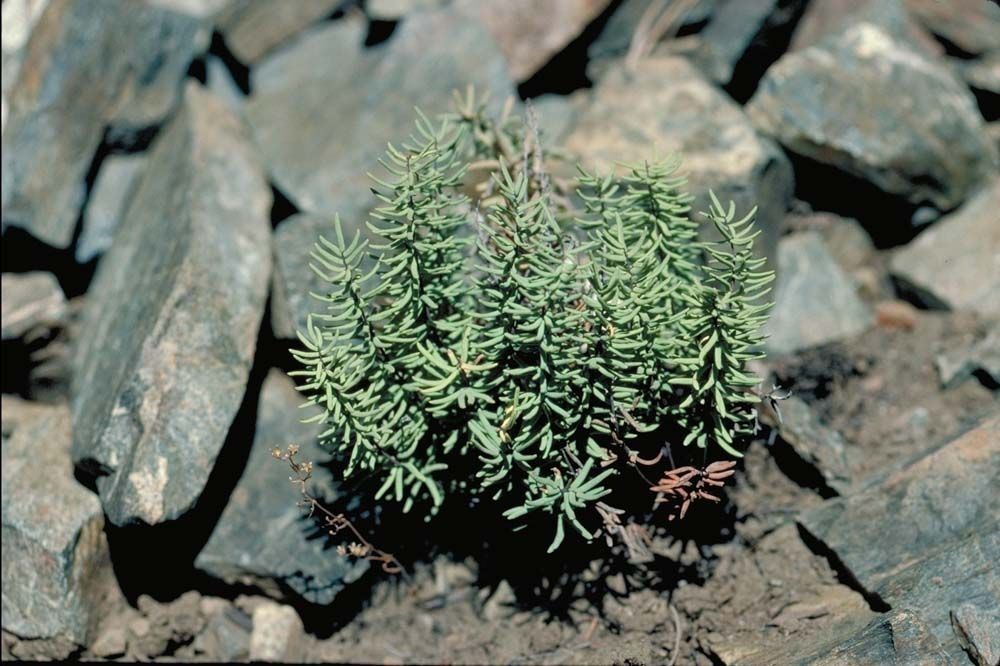
Ovateleaf cliffbrake is fairly disease-resistant and generally does not commonly suffer from illnesses. Still, it can be affected by pests and diseases found in its environment. Such infections are typically mild. Regarding care, the plant requires moderate maintenance. Regular pruning is needed to retain an attractive look and support healthy growth. Applying fertilizer can also encourage flowering. Ovateleaf cliffbrake is appropriate for people who have outdoor areas like a garden or patio and does not demand extensive gardening experience. When cultivated indoors it may need extra attention.
How to keep Pellaea Ovata.
Light
The Ovateleaf cliffbrake likes situations where it can receive a moderate amount of sun exposure. Despite this, it can adjust to circumstances where sunlight is limited. In its native habitat, it was able to manage with less sunlight without being overexposed. Excessive sunlight can lead to the plant's diminished health.
Temperature
Ovateleaf cliffbrake is native to temperate climates and prefers a temperature range of 68 to 100.4 °F (20 to 38 ℃). Temperature changes should be introduced gradually, as sudden shifts can damage the plant.
Fertilizer
The need for fertilizer is at its peak for the Ovateleaf cliffbrake during its growth period that primarily happens in spring, summer, and the earlier part of fall. Adding fertilizer is essential to supply critical nutrients that may be absent in the soil. This nurtures the health and growth of the plant's roots and stems and also enhances the appearance of the foliage, which is an important characteristic of this specific plant.
Pruning
Ovateleaf cliffbrake is a hardy fern with ovate leaves, flourishing in rocky, well-drained soils. To encourage new growth and improve air circulation, prune this plant in early to late spring by removing dead fronds. Regular pruning helps maintain the ovateleaf cliffbrake's compact shape and prevents overcrowding.
Pot & Repot
Repot the ovateleaf cliffbrake every 2-3 years during spring. Use a small, shallow pot to accommodate its rhizomes. Choose a well-draining soil mix to prevent waterlogging. After repotting, place the plant in bright, indirect light and keep the soil consistently moist to ensure healthy growth.
Botanical profile.
- Plant Type
- Herb
- Life Cycle
- Perennial
- Genus
- Pellaea
- Family
- Pteridaceae
- Hardiness Zone
- 9-11
- Mature Height
- 30 cm to 91 cm
- Mature Spread
- 15 cm to 49 cm
- Leaf Color
- Dark Green, Olive Drab
- Leaf Type
- Evergreen
- Planting Time
- Spring, Summer, Autumn
- Native Area
- Colombia, Honduras, Mexico, Guatemala, Bolivia, Venezuela, Peru, Brazil, Nicaragua, Ecuador, Costa Rica
Other names.
Reader questions.
How should I water my Ovateleaf cliffbrake plant?
To properly care for the Ovateleaf cliffbrake, it is important to water it with filtered water at room temperature. Tap water may contain harmful particles, so using filtered water is preferable. Additionally, the water should not be cold since the plant is adapted to warm environments and cold water can be a shock to it. It is also best to avoid overhead watering, as this can cause problems with the plant's foliage. Instead, water the plant by thoroughly soaking the soil with filtered, room temperature water. This helps to moisturize the roots and allows them to spread and collect necessary nutrients.
Why should I put fertilizer on my Ovateleaf cliffbrake?
Plants, including the Ovateleaf cliffbrake, depend on soil nutrients for growth. However, it's not always guaranteed that the soil will have all the required nutrients. To ensure your garden plants have the necessary nutrients, fertilization and soil amendments are necessary. In the case of the Ovateleaf cliffbrake, fertilization is crucial for healthy root and stem development, as well as for producing beautiful leaves, which are essential for its ornamental appeal.
What kind of sunlight does Ovateleaf cliffbrake require?
The Ovateleaf cliffbrake plant requires full, indirect sunlight to grow well indoors. This means it should receive bright sunlight, but it should not be directly exposed to it from a window or grow light. You can protect it from direct sunlight by placing a sheer curtain or dark screen between the plant and the window.
What temperature is best for Ovateleaf cliffbrake?
To help your tropical plants thrive, it's best to maintain a temperature range of 75℉ to 90℉ (25-32℃). While different species can tolerate temperatures outside this range, sticking within a few degrees of these limits will ensure optimal growth. However, there are extreme temperature limits to be aware of. Anything below 50℉ (10℃) or above 95℉ (35℃) can hinder growth and cause issues with the leaves and stems. Low temperatures are particularly damaging, as even a light frost can lead to the death of your tropical plants. In fact, cellular death can occur rapidly, with some species dying within 12 to 24 hours.
What should I do if I give my Ovateleaf cliffbrake too much or too little water?
Overwatering and underwatering can both harm your Ovateleaf cliffbrake, but overwatering is a more common issue. When this species is given too much water, its stems and leaves may wilt and turn yellow. Overwatering for a long time can also lead to diseases like root rot, mold, and mildew, which can be fatal for your plant. Underwatering is rarer for the Ovateleaf cliffbrake because it can tolerate drought fairly well. However, it can still happen, and when it does, the leaves become brittle and brown. It is important to recognize the signs of overwatering early on. Some diseases caused by overwatering, such as root rot, may not be reversible if you delay taking action. If you notice early signs of overwatering, reduce your watering immediately. Check the soil quality in which your Ovateleaf cliffbrake is growing. If it drains poorly, replace it with a loose, well-draining potting mix. On the other hand, if you see signs of underwatering, simply water more frequently until the signs subside.
When should I fertilize my Ovateleaf cliffbrake plant?
The Ovateleaf cliffbrake needs the most fertilizer when it is actively growing, which is usually in the spring, summer, and early fall. After winter, you should feed it every two to four weeks until fall. Once fall comes, you can slowly decrease the amount of fertilizer until you stop completely before winter, when the plant has less active growth.
How do I keep newly planted Ovateleaf cliffbrake ferns from getting damaged by the sun?
If you have just brought home an Ovateleaf cliffbrake for the first time, it's a good idea to gradually introduce it to sunlight instead of placing it in bright, indirect light immediately. Take about two weeks to slowly transition your plant into the sunlight to prevent the leaves from getting shocked or burned by sudden intense light. By doing this, your Ovateleaf cliffbrake will have a much higher chance of adapting well to its new home environment.
Does Ovateleaf cliffbrake need different temperatures at different stages of growth?
Ovateleaf cliffbrake is not affected by temperature changes during different growing phases, but it is still important to maintain consistency. Any wild temperature fluctuations can slow down its growth, regardless of the phase it is in. It is therefore recommended to keep the plant in a controlled environment. The optimal temperature range for this plant is between 75℉ and 90℉ (25-32℃), and it is crucial to stay above the lower limit. While exceeding 90℉ (32℃) is not ideal, it won't harm the plant significantly as it is a tropical species. However, temperatures below 50℉ (10℃), especially 40℉ (5℃), can directly damage this heat-loving plant.
How frequently should I water my Ovateleaf cliffbrake?
If your Ovateleaf cliffbrake is in a pot, you can check if it needs water by putting your finger in the soil. If the top two to three inches of soil feel dry, it's time to water it. If you have the plant outdoors in the ground, you can use the same method to test the soil. When the top few inches of soil have dried out, it's time to water it. Normally, you'll need to water this plant about once a week in the spring and early fall. In very hot weather, you may need to water it twice a week or more. However, mature, well-established Ovateleaf cliffbrakes can tolerate drought well.
When is the best time to not fertilize my Ovateleaf cliffbrake?
For most of the year, including spring, summer, and fall, it is important to regularly feed your Ovateleaf cliffbrake. The only exception is if you notice that the plant has received too much fertilizer or if you have fertilized it incorrectly, resulting in fertilizer burn or other issues. In such cases, you will need to fix the problem before resuming the regular feeding schedule. However, during winter, when the plant enters a dormant phase, it should not be fertilized. If you are growing the plant indoors in a cold winter area, feeding it during its dormant phase is not necessary or helpful for its growth and is likely to cause fertilizer burn.
How do I know if Ovateleaf cliffbrake is receiving too much light?
Ovateleaf cliffbrake is a plant that is sensitive to excessive sunlight. In its natural habitat, it thrives under a gentle, filtered light that comes through the tree canopies. However, when kept indoors, it requires more light than that. Nonetheless, giving it too much light can lead to problems. If your Ovateleaf cliffbrake is exposed to excessive light, you'll see signs such as faded or pale foliage, yellow or brown crispy leaf tips, and overly rapid growth that it can't sustain.
Does the Ovateleaf cliffbrake plant require varying temperatures throughout the year?
The ovateleaf cliffbrake is a plant that does not require different temperatures for different growing seasons. The key to taking care of it during different seasons is to ensure that the environment remains at the optimal temperature range. Keeping this plant indoors is recommended because it allows for better temperature control regardless of the outside climate. When it comes to light, tropical species like the ovateleaf cliffbrake prefer partial side-level sun exposure. This means they should receive dappled or filtered light, with bright but indirect light being the best choice when growing them indoors. Excessive direct sunlight can harm the plant's leaves and inhibit its growth potential.