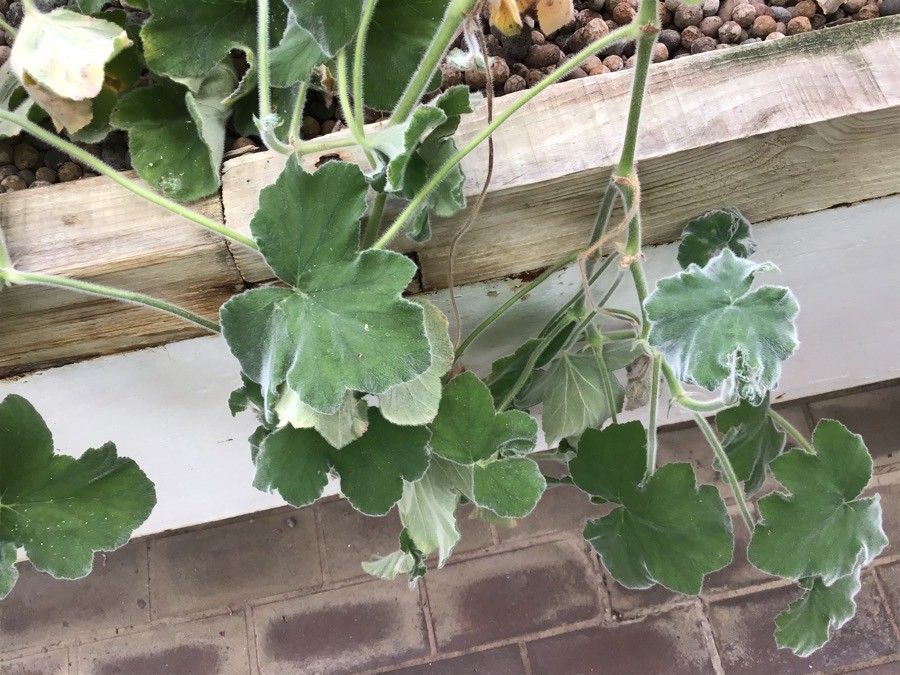
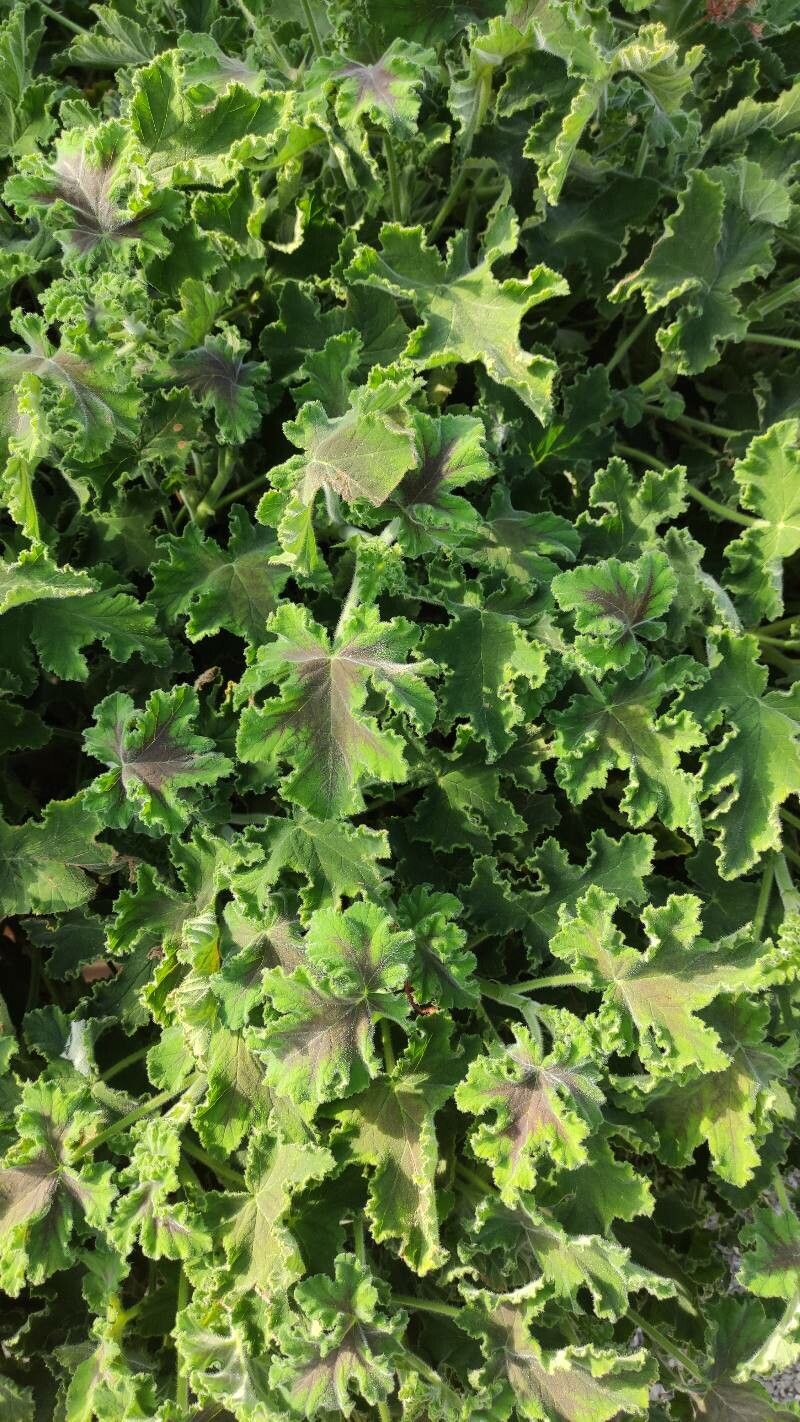
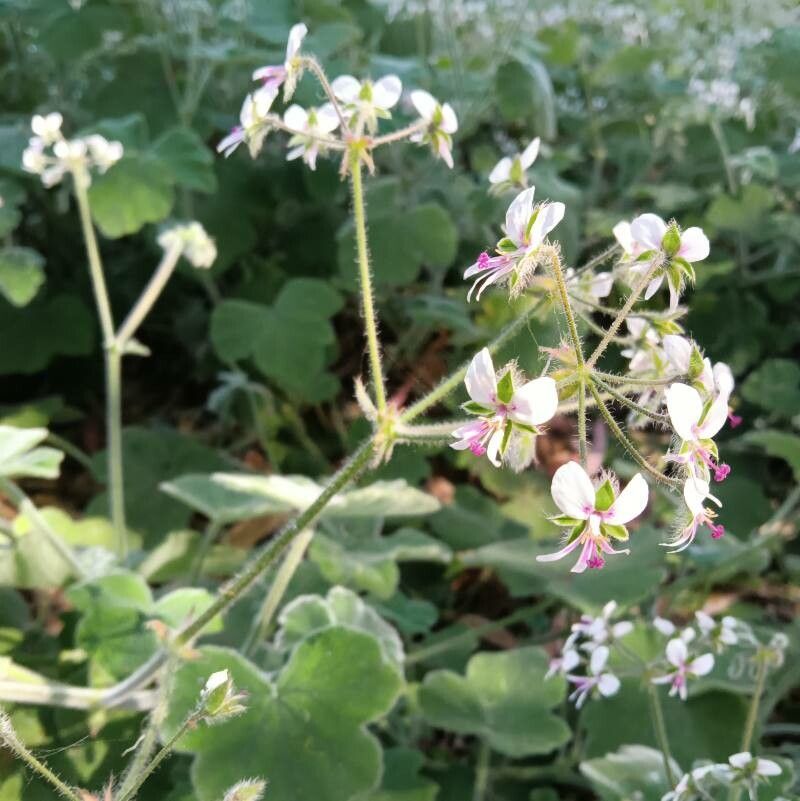
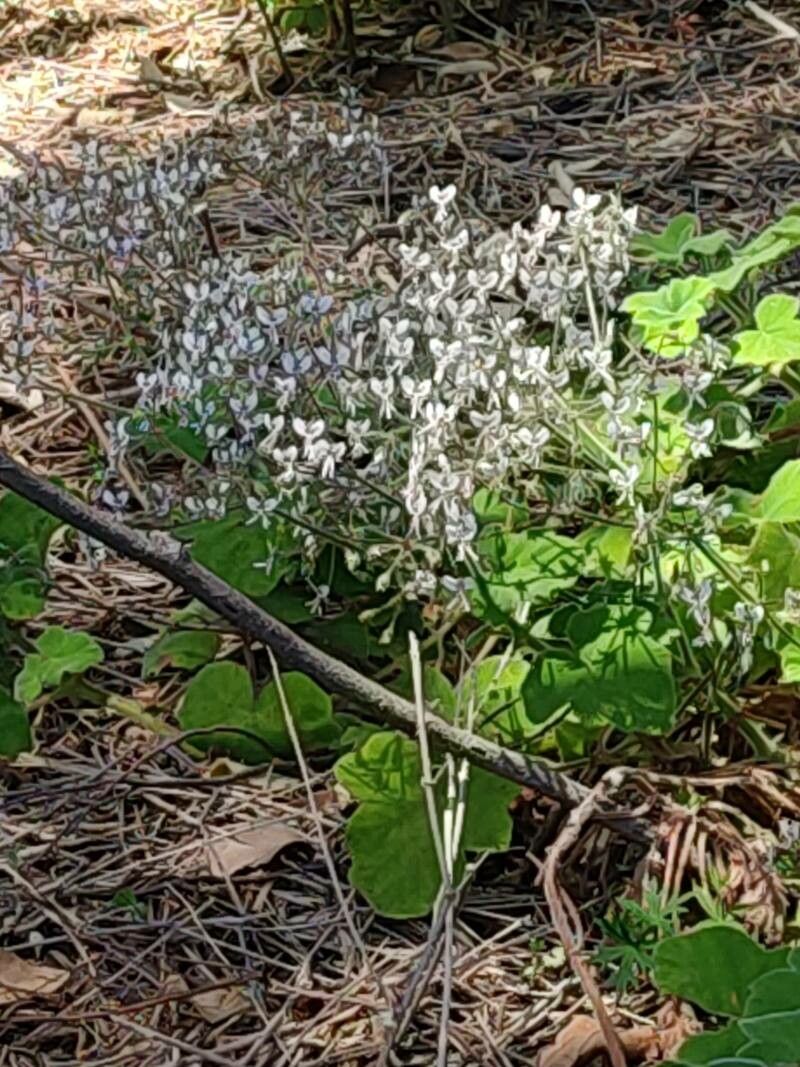
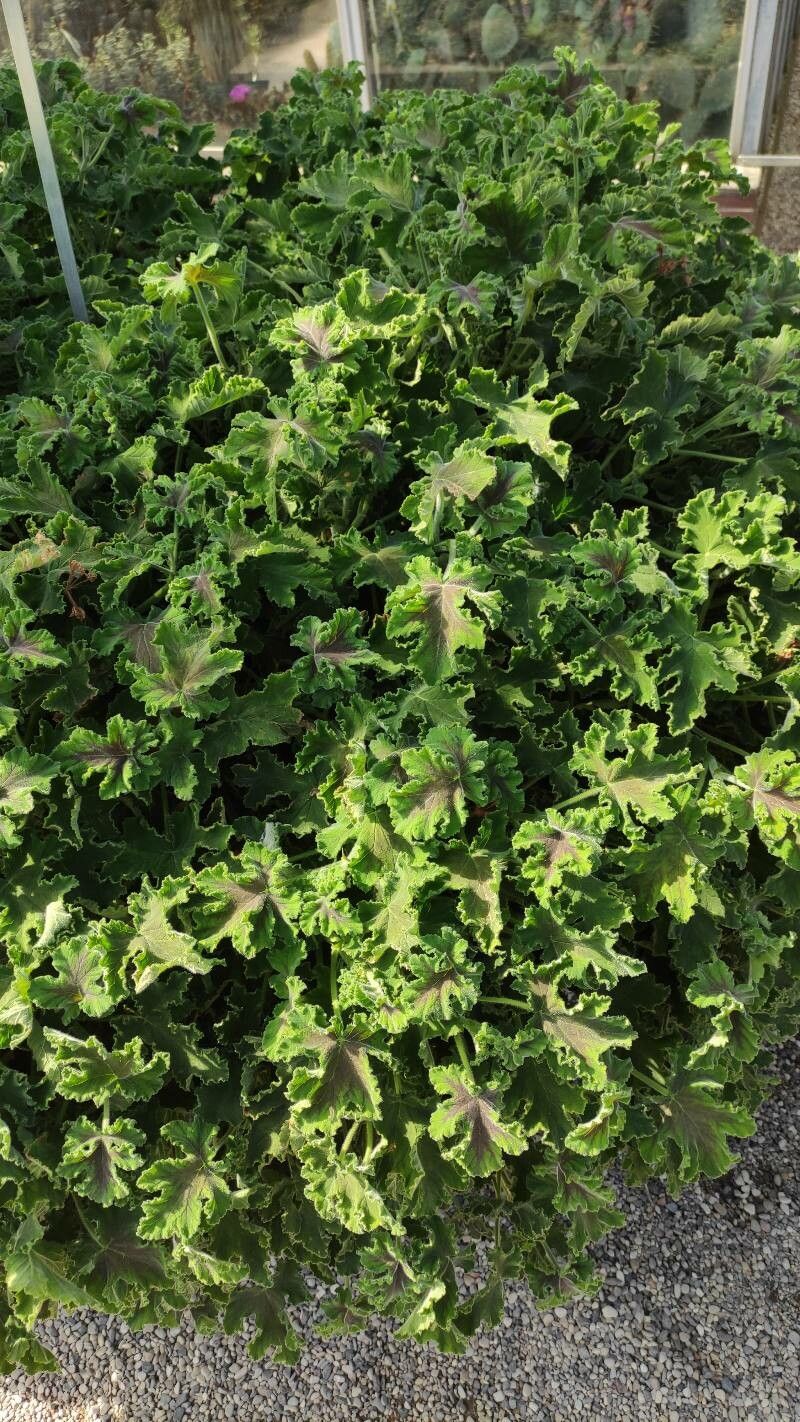
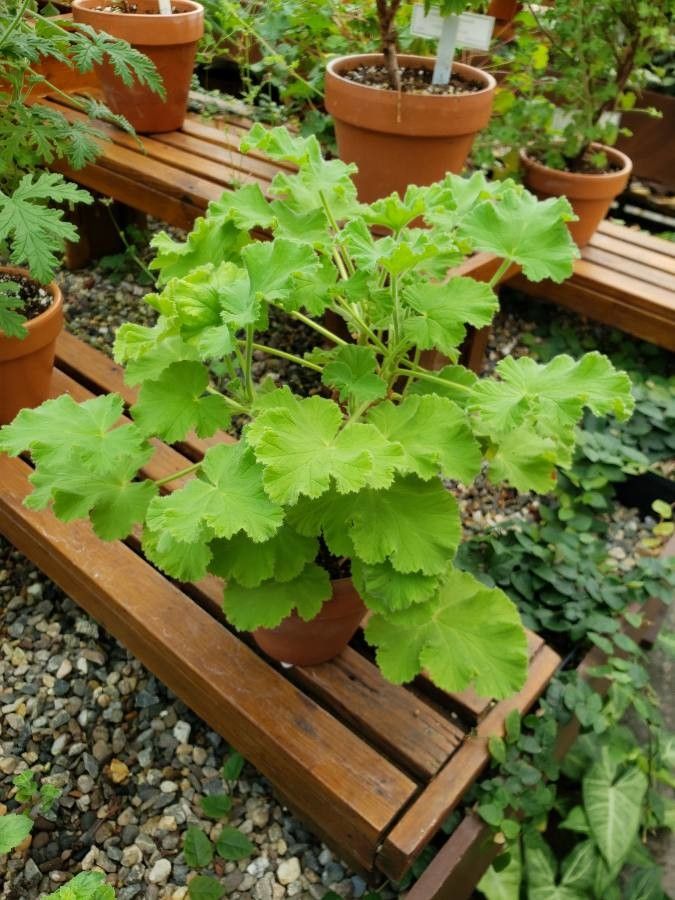
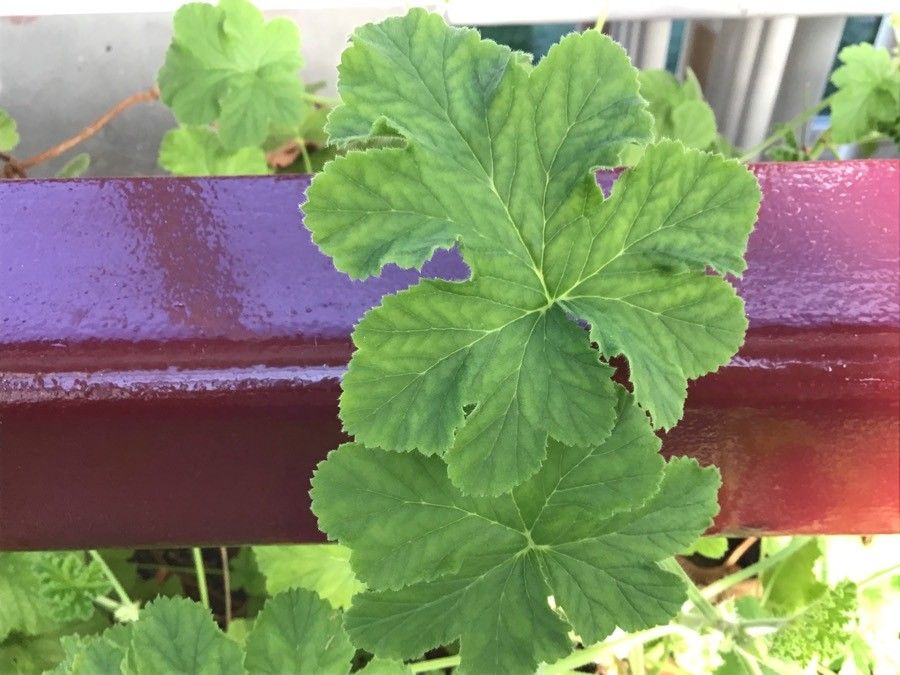
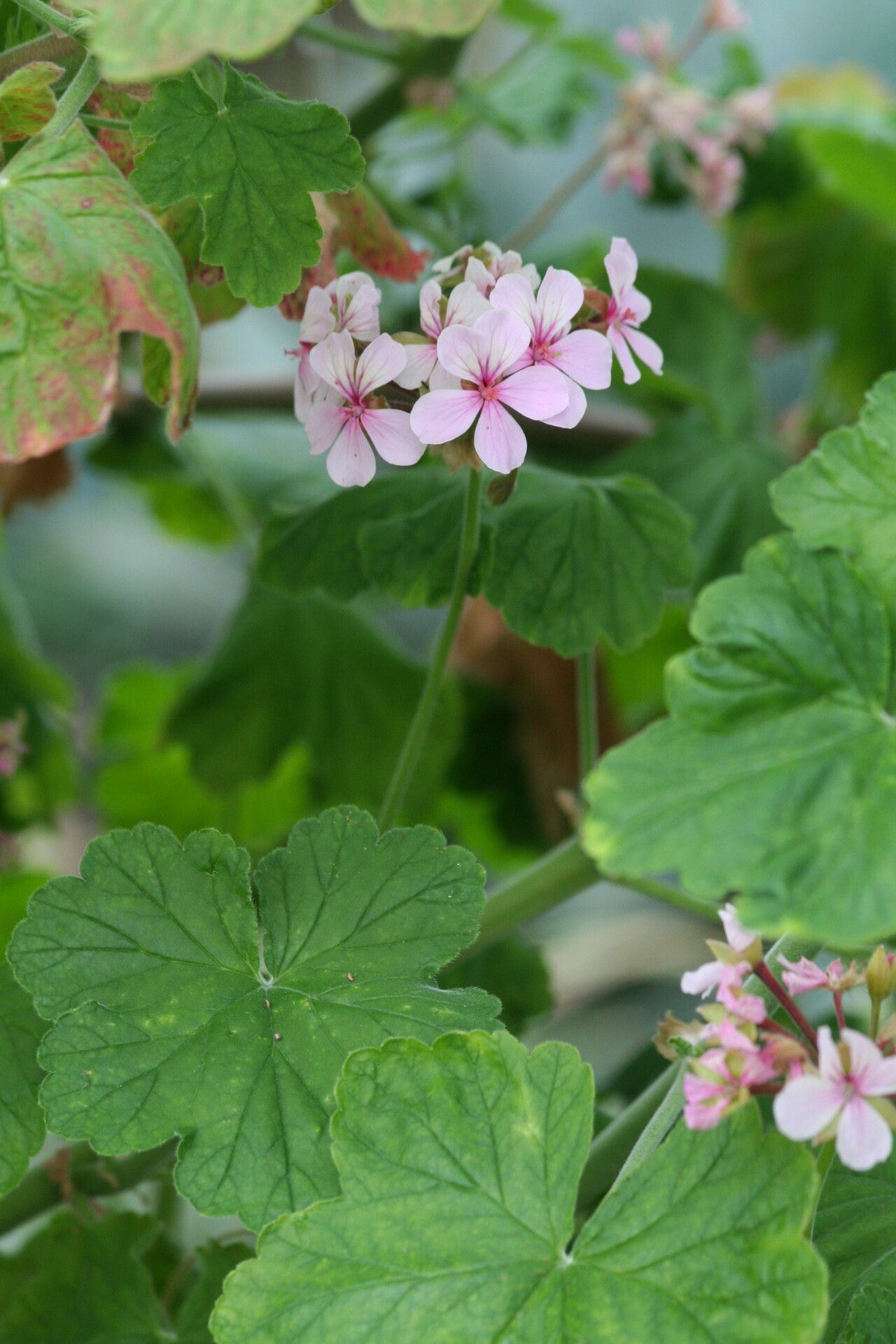
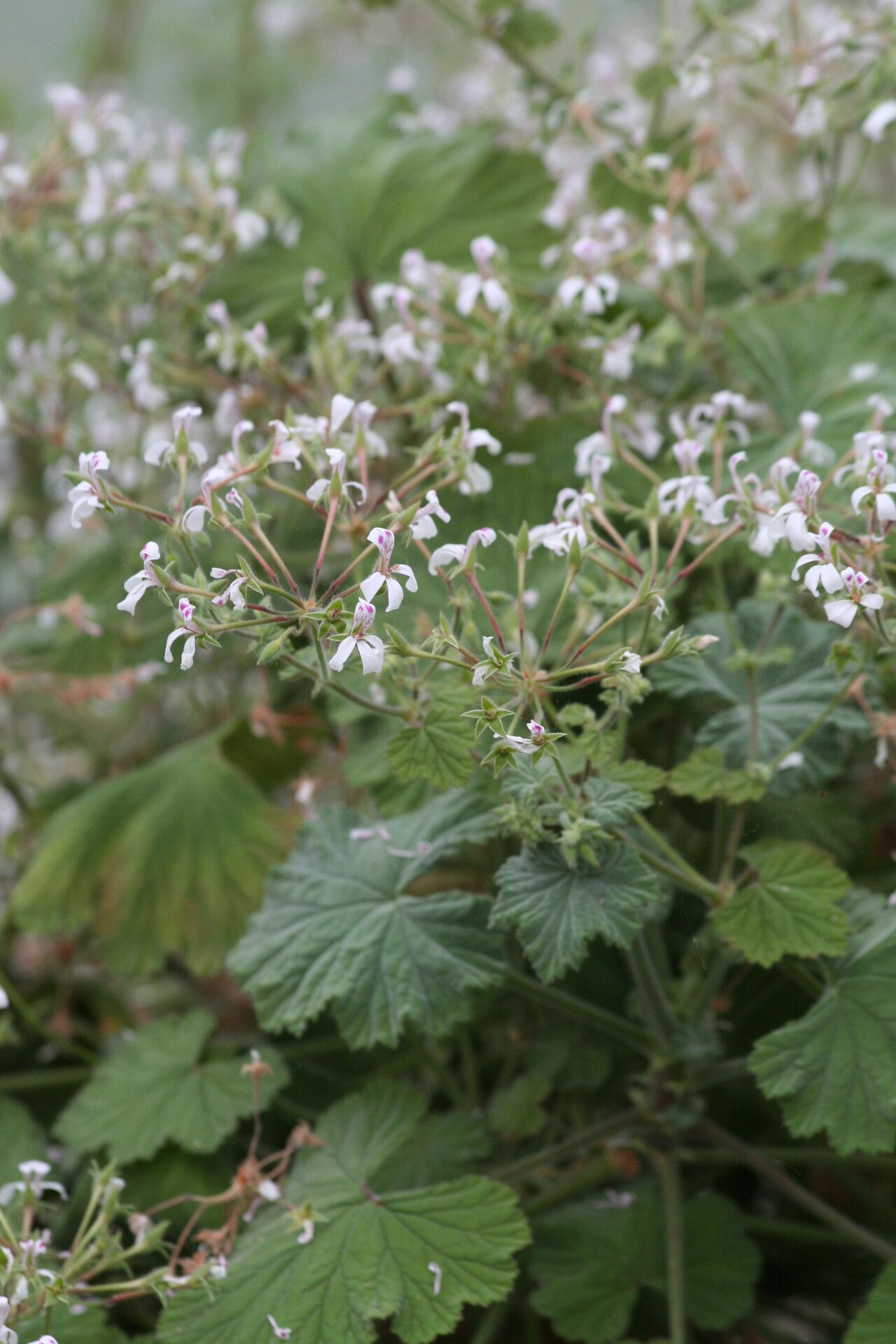
Pelargonium tomentosum, commonly known as the peppermint-scented geranium, is a species of flowering plant in the family Geraniaceae. Native to South Africa, it is widely cultivated as an ornamental plant for its attractive foliage and fragrant flowers. The leaves of this plant are soft and velvety with a minty scent that intensifies when crushed or brushed against. The flowers are small, typically white or pink, and have five petals arranged in clusters at the ends of long stems.
Pelargonium tomentosum prefers well-drained soil and full sun exposure but can tolerate partial shade. It requires moderate watering during its growing season but should be allowed to dry out between waterings to prevent root rot.
This plant also has several medicinal properties, including antibacterial effects that make it useful for treating respiratory problems such as coughs, colds, and bronchitis. Additionally, its minty scent can be used in aromatherapy to help relieve stress.
Overall, Pelargonium tomentosum is an attractive ornamental plant that adds beauty and fragrance wherever it is planted, while also offering medicinal benefits, making it a great addition to any garden or home collection.
The peppermint geranium has moderate disease resistance and is especially sensitive to humidity and excessive watering. It becomes more vulnerable to disease when it receives insufficient light and is overwatered. In terms of care, the peppermint geranium is drought-tolerant and can endure long periods without water. It needs little fertilizer and only occasional pruning. Because of these characteristics, it is suitable for growers of any experience level, particularly for those who want to spend less time on plant care or who may be away from home for long stretches. It is a good option for people who do not want to devote much time to plant maintenance but still want an easy-to-care-for plant.
How to keep Pelargonium Tomentosum.
Light
Peppermint geranium is native to areas with dappled light, such as forest understories or rocky spots that provide natural shade. It prefers partial sun but can also tolerate full sun.
Water
Peppermint geranium thrives in moist conditions similar to its native habitat but is also drought-tolerant. It is recommended to water it every three weeks, allowing the soil to dry out between waterings. This plant is ideal for container gardening, but it requires careful water management to prevent root rot and promote healthy growth.
Temperature
Peppermint geranium does best in warm conditions and needs elevated temperatures during the growing season to support growth and metabolic processes. It prefers plenty of sunlight, suitable moisture, and good air circulation. However, it can be damaged by very low temperatures and by too much watering. It's also important to maintain balance and avoid temperatures that are too high or conditions that are too dry.
Fertilizer
Peppermint geraniums need only light applications of fertilizer once or twice a year during the growing season. Do not fertilize in winter or in summer when the plant is dormant. Cut back on fertilizer for repotted plants and wait a couple of months after repotting before applying any fertilizer. Feeding the plant promotes healthy growth and helps encourage blooms.
Pruning
Prune your peppermint geranium between early and late spring to promote bushier growth. Start by removing any dead stems, and make cuts just above a node to encourage new growth. Regular pruning improves airflow, reduces the risk of disease, and helps maintain the plant's shape. This is essential for ensuring a continuous supply of aromatic leaves and vibrant blooms.
Pot & Repot
Repot your peppermint geranium every 2 to 3 years in the spring. Use a medium-sized planter that provides good drainage. After repotting, place the plant in a bright spot, be careful not to over-water it, and trim it regularly to encourage optimal growth. With consistent care, peppermint geraniums are easy to maintain and will develop dense, fragrant foliage.
Botanical profile.
- Plant Type
- Herb, Succulent
- Life Cycle
- Perennial
- Genus
- Pelargonium
- Family
- Geraniaceae
- Hardiness Zone
- 9-11
- Mature Height
- 30 cm
- Mature Spread
- 20 cm
- Leaf Color
- Green
- Leaf Type
- Semi-evergreen
- Flower Color
- White
- Flower Size
- 1.02 cm to 2.03 cm
- Bloom Time
- All year round
- Planting Time
- Spring, Summer, Autumn
- Harvest Time
- All year round
- Native Area
- South Africa
Other names.
Reader questions.
What are the sunlight requirements for Peppermint Geranium (Pelargonium tomentosum)?
Peppermint Geranium, also known as Pelargonium tomentosum, thrives in conditions where it can receive full sun or partial sun. Full sun exposure means the plant should get above 6 hours of sunlight daily, while partial sun refers to about 3-6 hours of sunlight each day. It's important to watch how sunlight moves through your garden throughout the day. Choosing the right spots that offer a perfect balance of light and shade is crucial for the happiness and health of your plants. This careful observation ensures that your Peppermint Geranium can thrive by getting just the right amount of sunlight it needs.