How to keep Pelargonium Tetragonum.
Water
To test the soil moisture for your Pelargonium tetragonum, insert your finger into the soil. If the soil is dry to a depth of 0.8 inches, it's time to water the plant. During spring and fall, make sure to water thoroughly, providing good drainage. In contrast, during summer and winter, the plant needs only minimal watering. For optimal results, use soft water that is slightly acidic or neutral.
Fertilizer
To promote healthy growth in Pelargonium tetragonum, use a phosphorus-rich fertilizer both before and after the blooming period. For pots that are 8 inches (20 cm) in diameter, apply 5 to 10 grams of the fertilizer. You can choose from liquid, granular, or slow-release formulations. Keep an eye out for any signs of nutrient deficiency and reapply fertilizer if needed; plants usually recover in 3 to 4 weeks.
Pruning
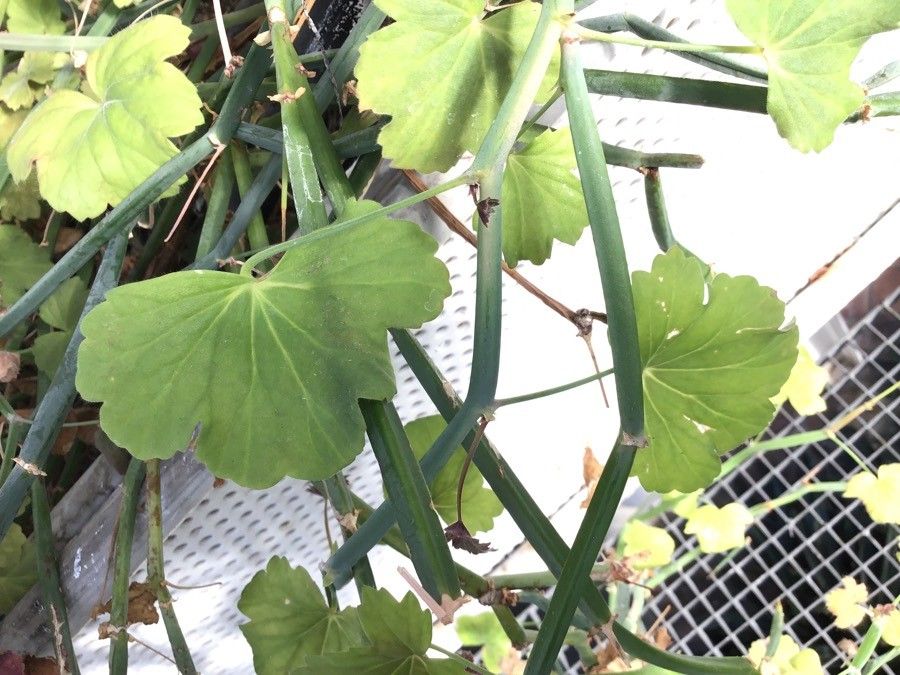
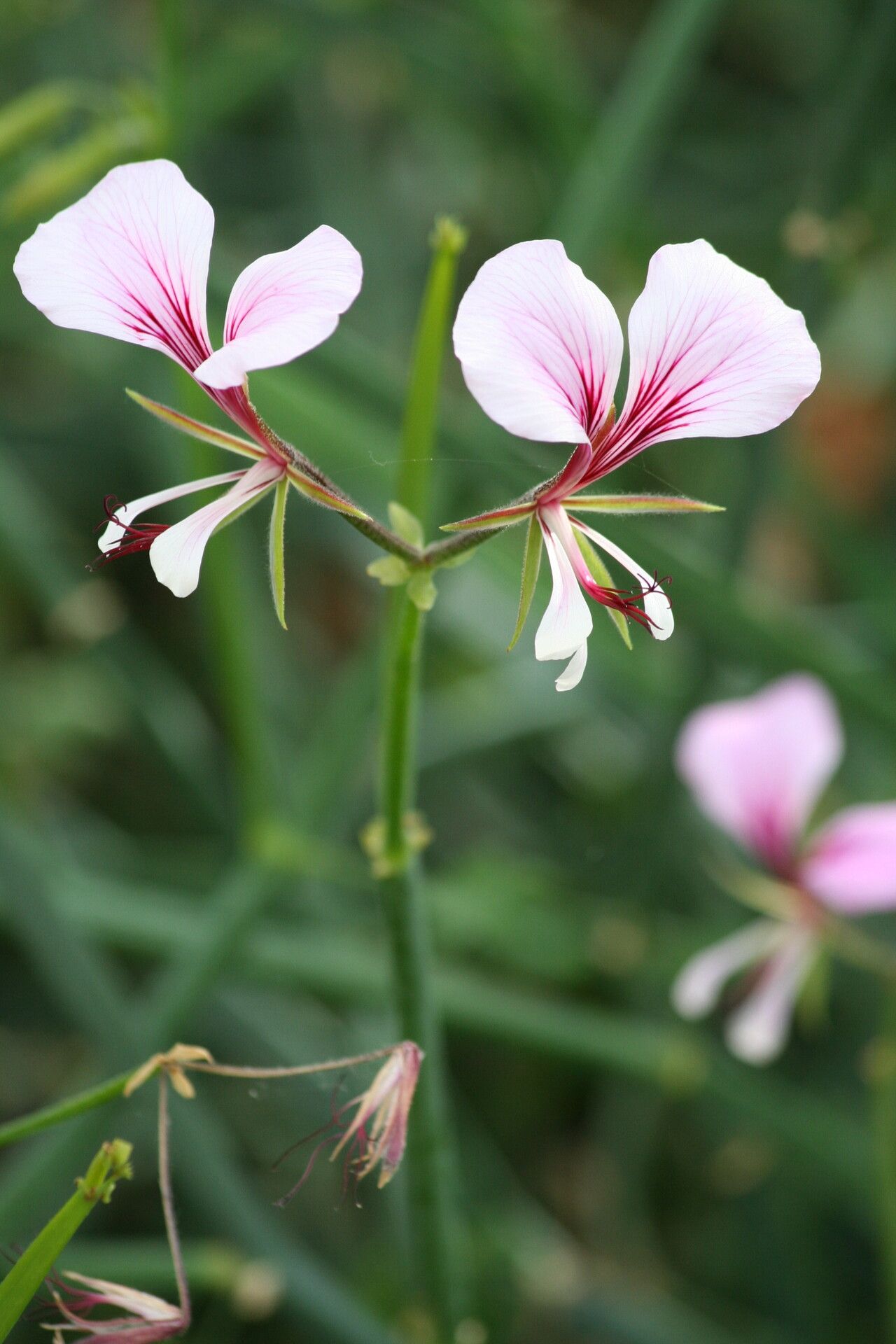
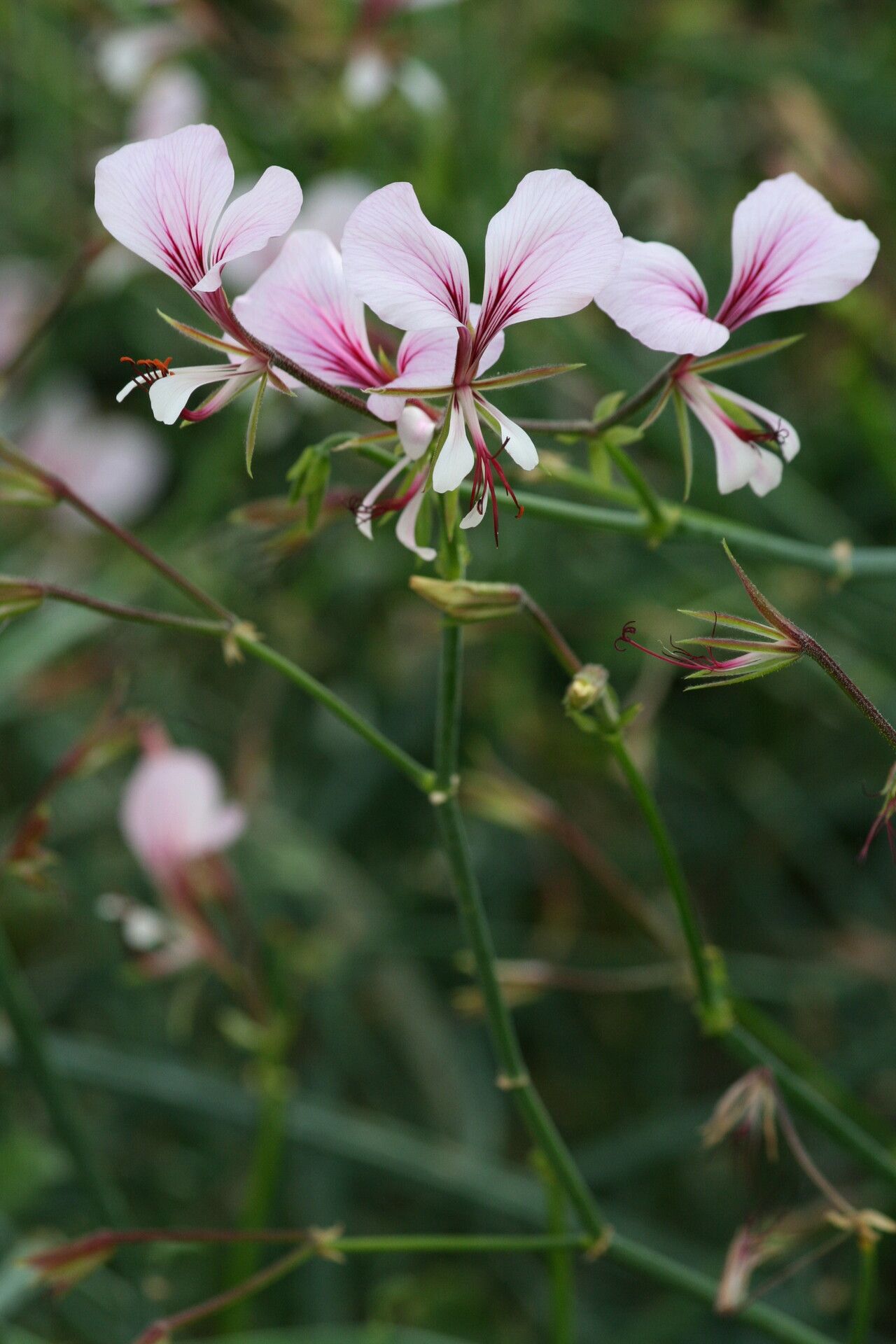
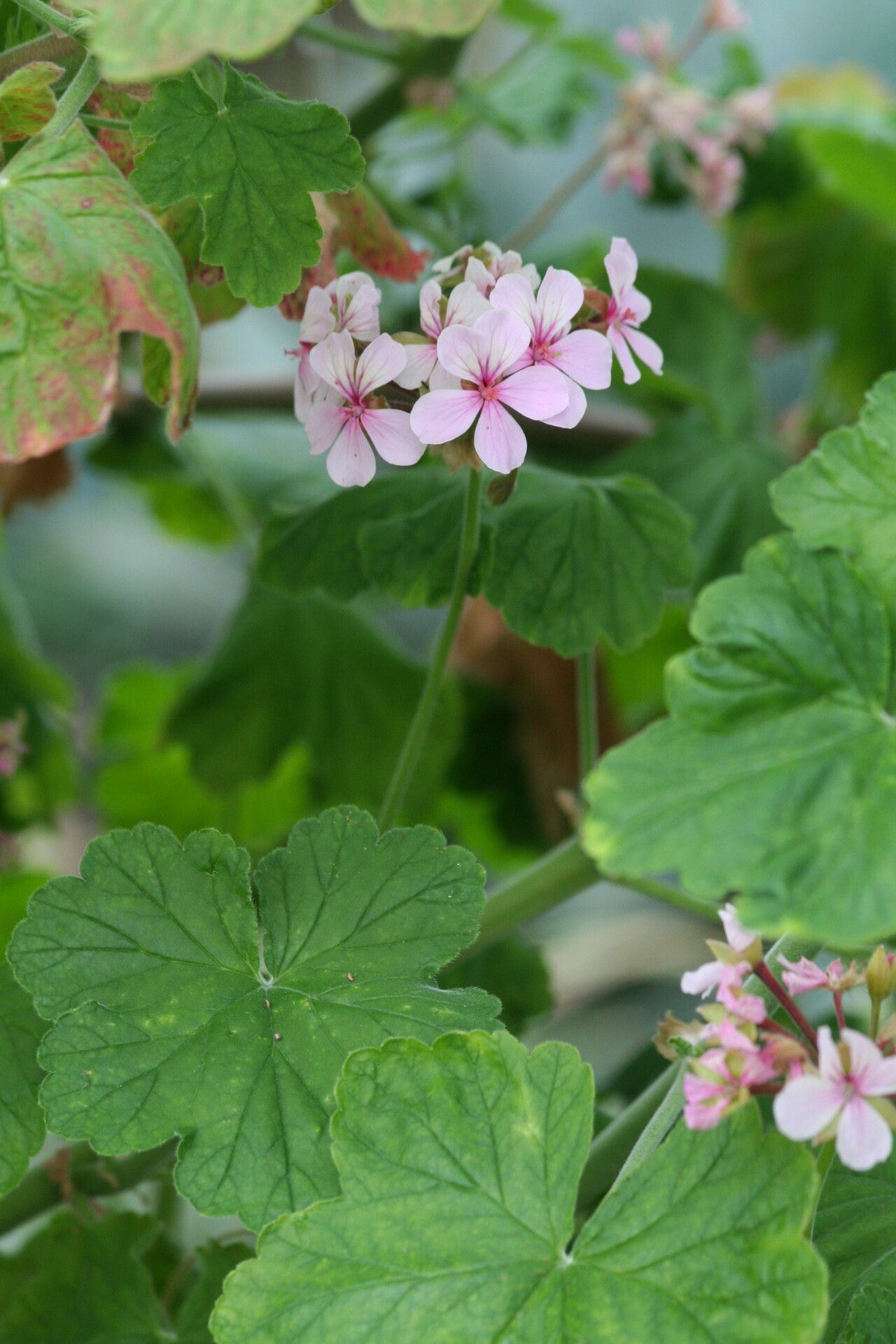
Pelargonium tetragonum is known for its distinctive branching and vibrant flowers. For healthier and bushier growth, it's best to prune the plant in early spring; this helps remove dead stems and shape the plant. Make sure to disinfect your tools before pruning to prevent the spread of disease. Regular pruning enhances air circulation and allows more light to reach the plant, resulting in healthier growth and more abundant blooms.
Botanical profile.
- Life Cycle
- Perennial
- Genus
- Pelargonium
- Family
- Geraniaceae
Other names.
Reader questions.
What are the sunlight requirements for Pelargonium tetragonum?
Pelargonium tetragonum, also known by its botanical name, Pelargonium tetragonum, thrives in conditions that meet its sunlight requirements precisely. It requires 'Full sun,' which means it should receive above 6 hours of sunlight daily, or 'Partial sun,' equating to about 3-6 hours of sunlight. When choosing the ideal location for your Pelargonium tetragonum, it's essential to watch how sunlight moves through your garden throughout the day. Finding spots that offer the perfect balance of light and shade will ensure the happiness and health of your plants. This careful observation can help you meet the plant's needs for optimal growth.