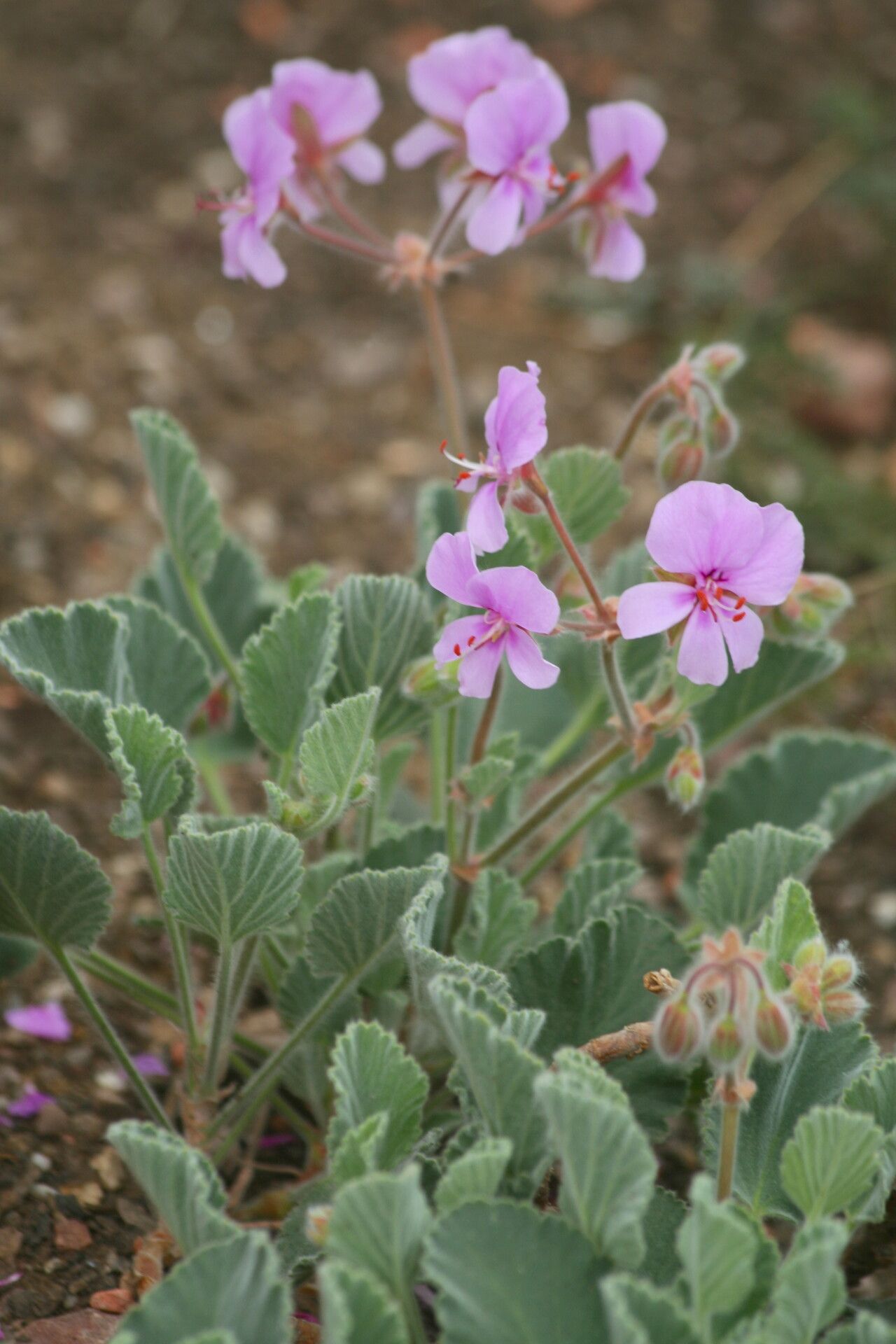
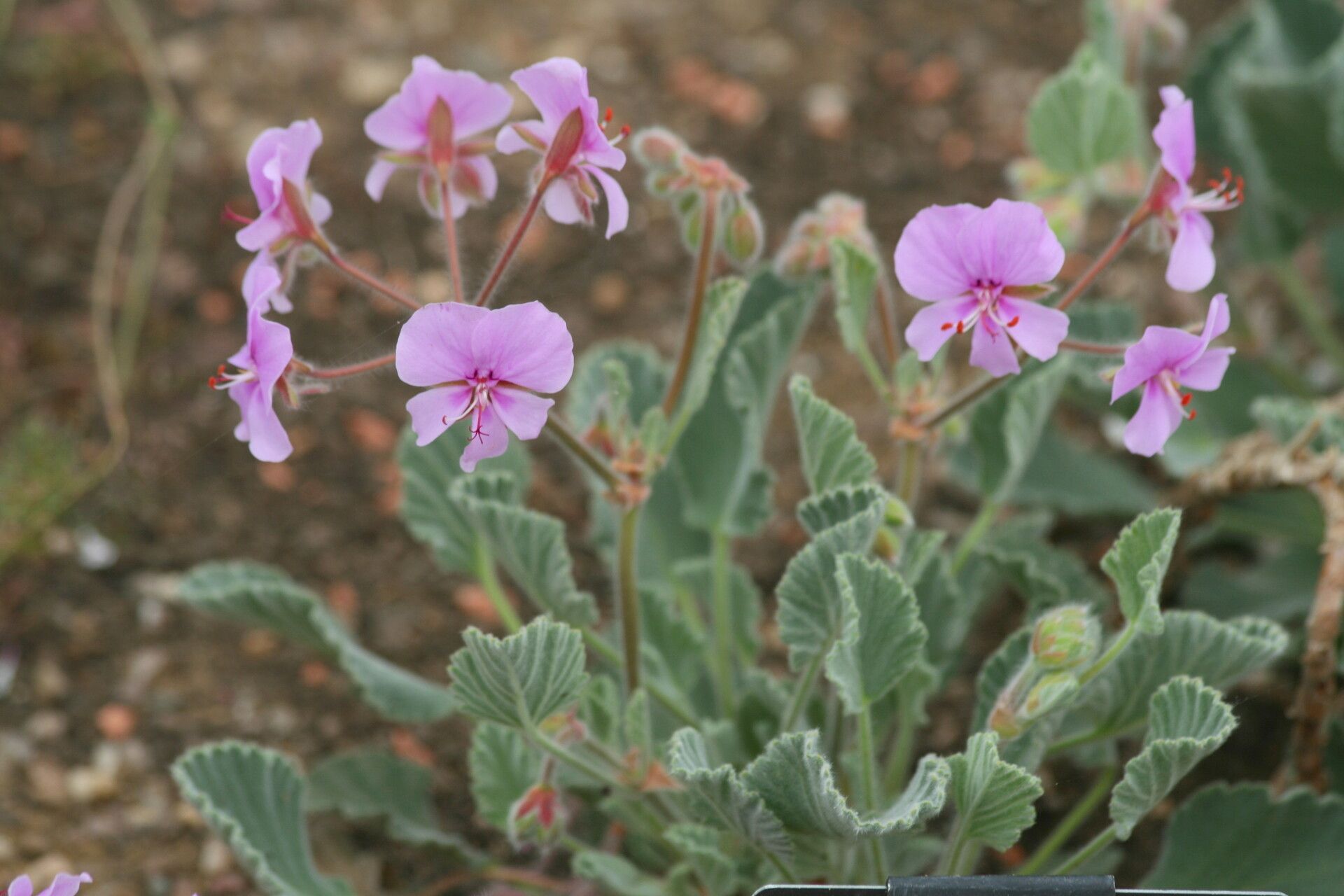
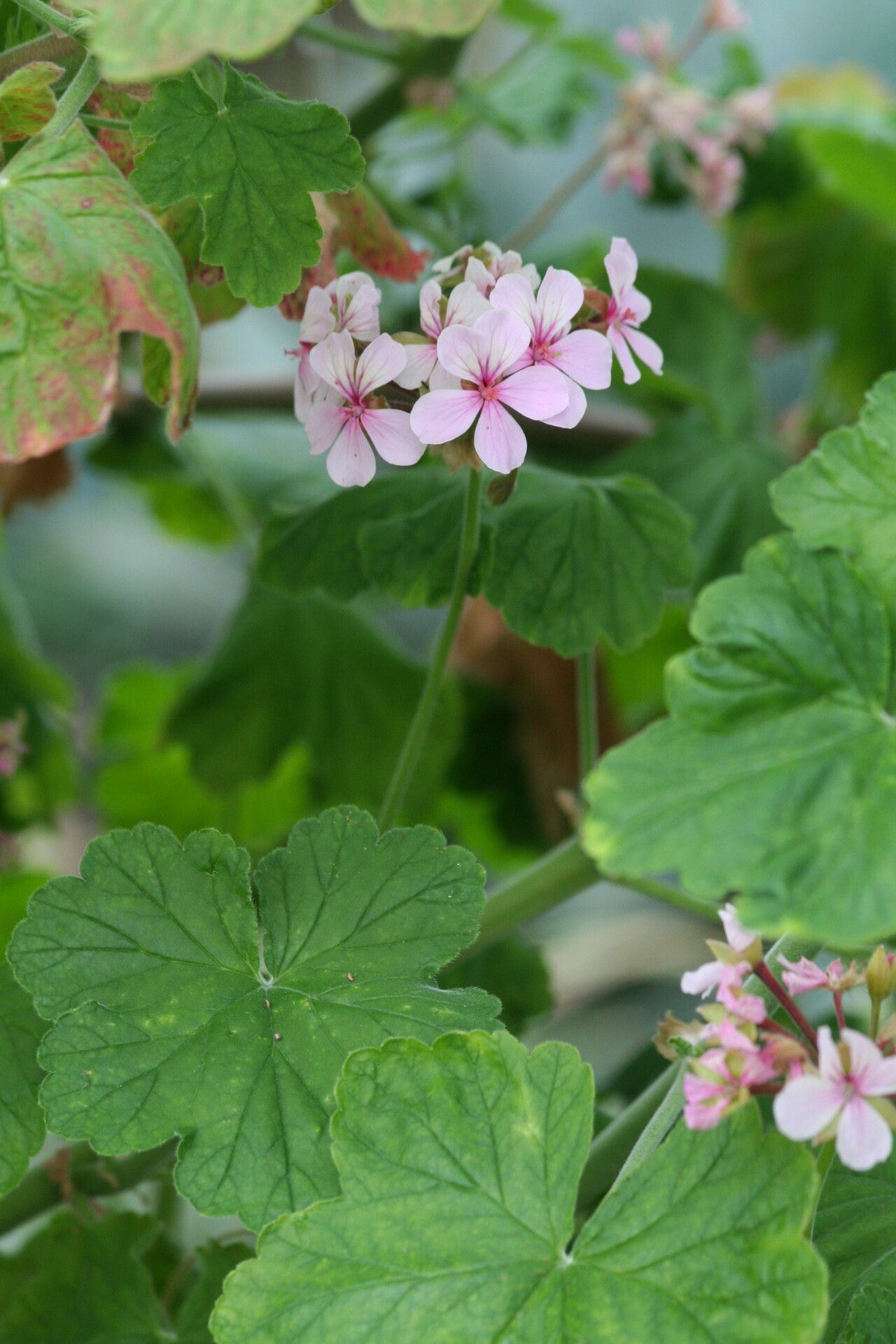
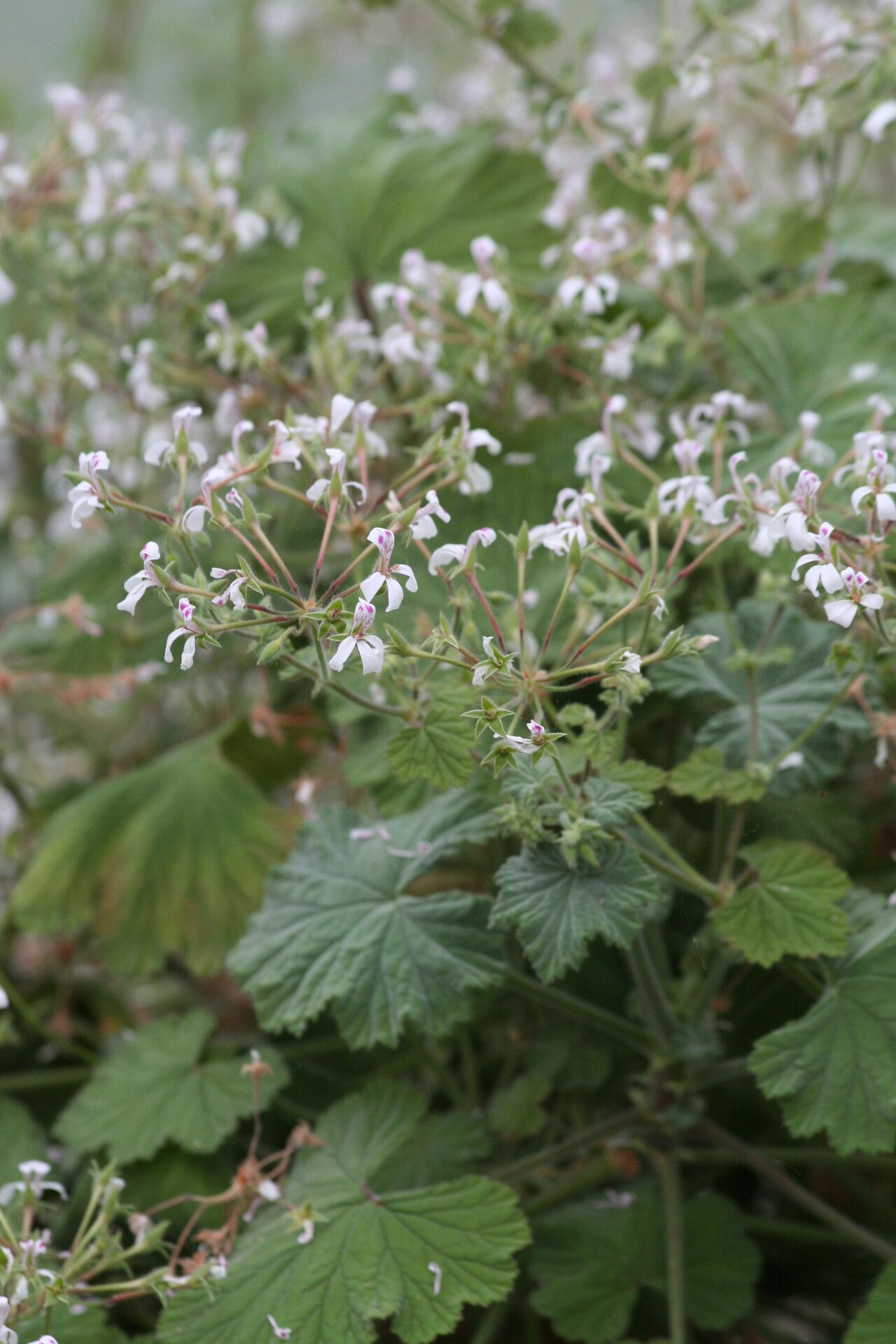
Pelargonium ovale is fairly disease-resistant and typically not susceptible to many illnesses. However, it can be affected by pests and diseases present in its environment. These problems are usually mild. For care, this plant needs moderate maintenance. Regular pruning is required to preserve a neat appearance and healthy growth. Fertilizing can also help encourage flowering. Pelargonium ovale is suitable for anyone with outdoor space like a garden or patio and does not demand extensive gardening experience. It may need more attention when grown indoors.
How to keep Pelargonium Ovale.
Water
To test soil moisture, feel it about 0.8 inches deep and water it if it's dry. During spring and fall, it’s important to water thoroughly while ensuring proper drainage. Use soft water, such as rainwater or lake water, for the best results. In the summer and winter, water only about a quarter of the pot's volume. It's best to water in the morning, and if you use tap water, make sure to treat it beforehand.
Fertilizer
One fertilizer application in spring is generally enough for Pelargonium ovale, though repeated feedings can boost growth. Apply fertilizer about every month to month and a half. Feeding improves the leaves' appearance and function, encouraging even color and a healthy texture. It also promotes root development and nutrient uptake, supporting long-term plant health.
Pruning
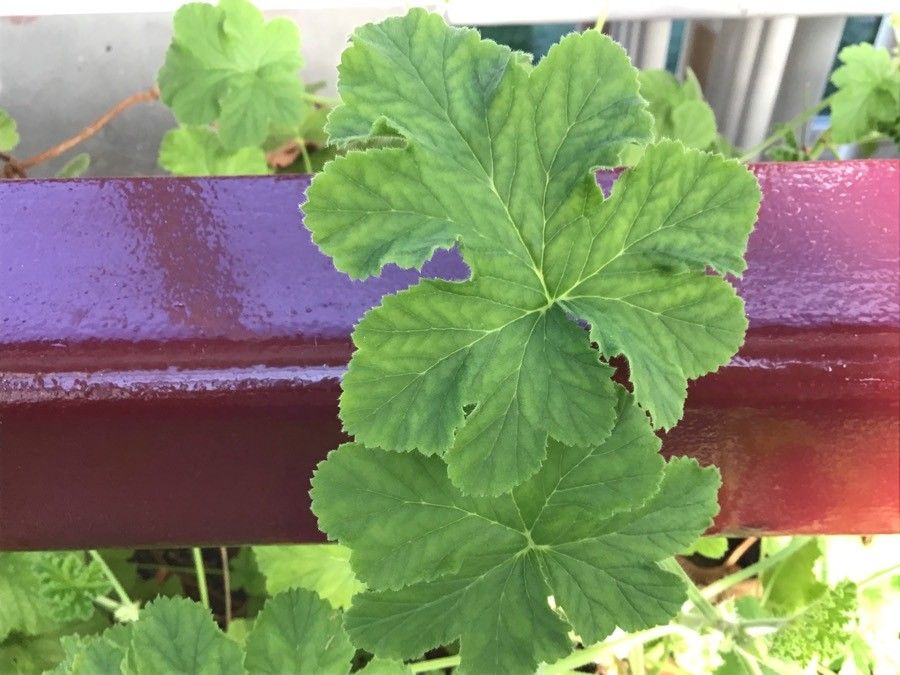
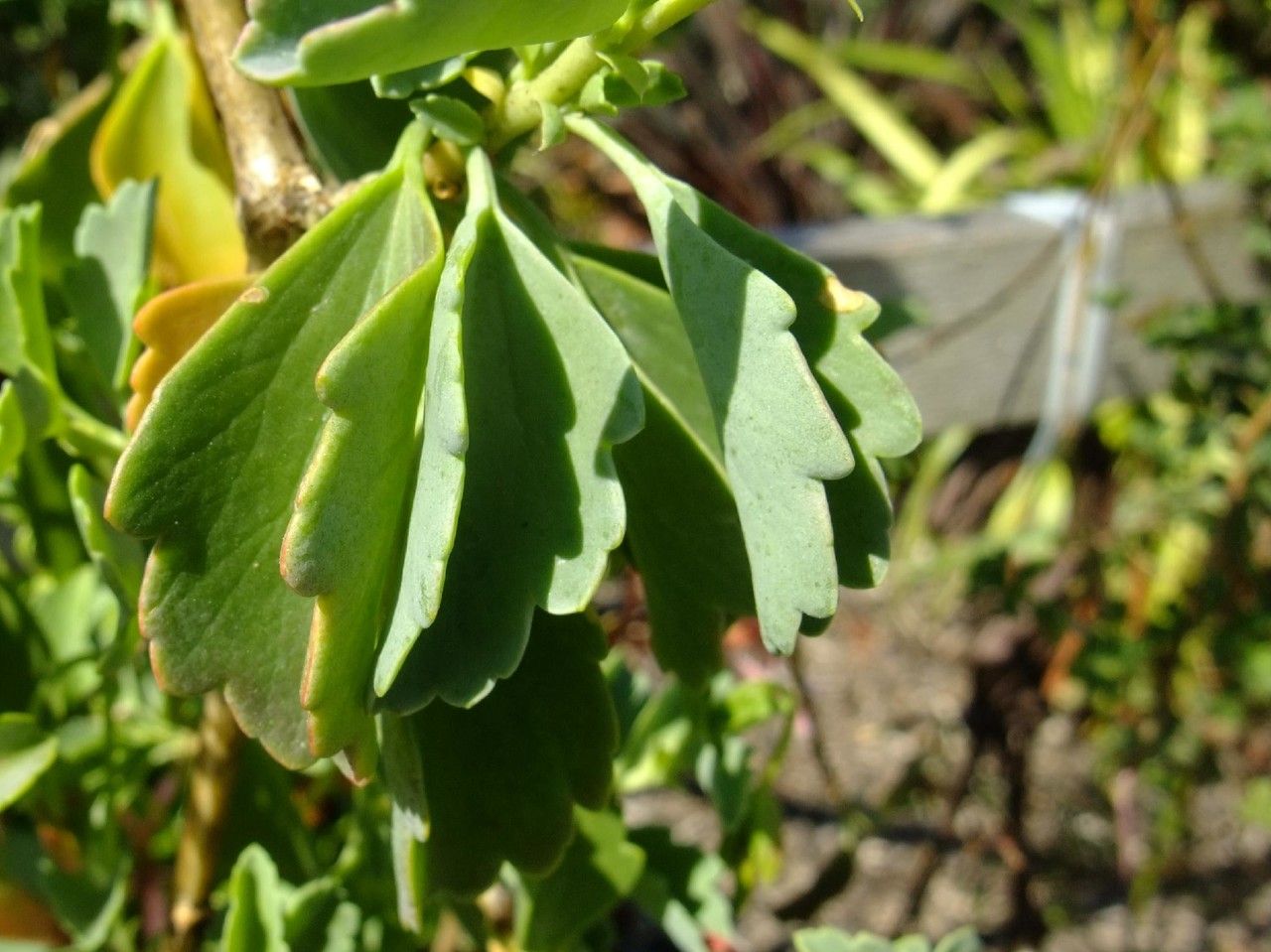
Pelargonium ovale is a plant characterized by its lobed leaves and vibrant flowers. To maintain its health, it should be pruned in early spring. Use sharp tools to make precise cuts just above the leaf nodes. Pruning encourages bushy growth, promotes abundant blooms, and improves airflow. This process helps prevent diseases and enhances the plant's vigor and appearance.
Botanical profile.
- Plant Type
- Herb
- Life Cycle
- Perennial
- Genus
- Pelargonium
- Family
- Geraniaceae
- Hardiness Zone
- 8-12