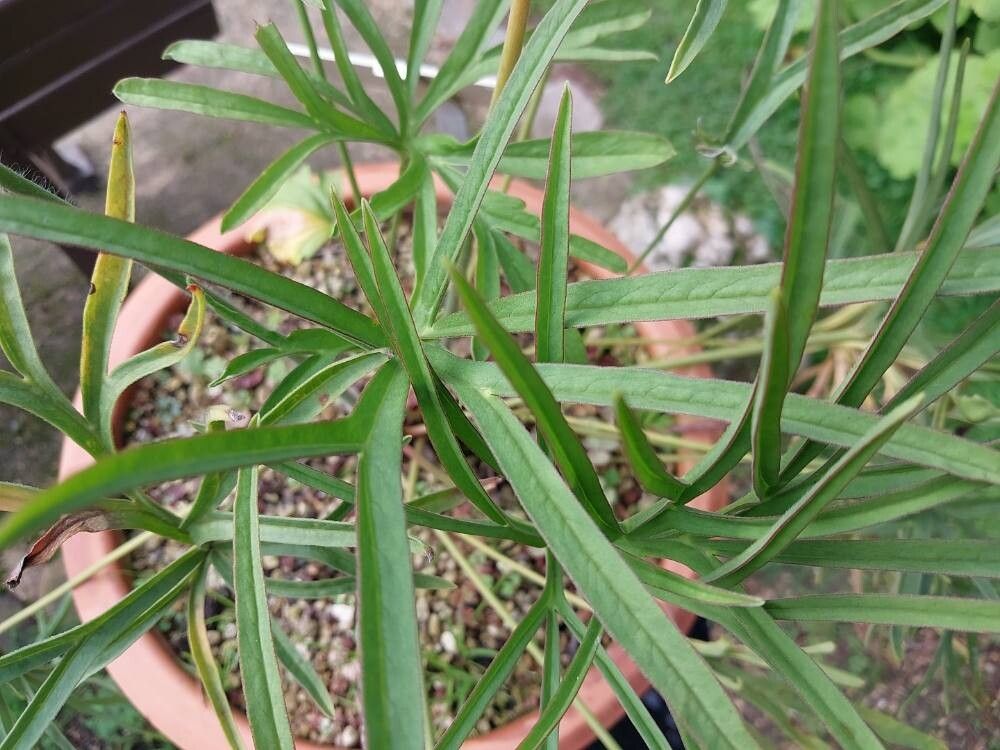
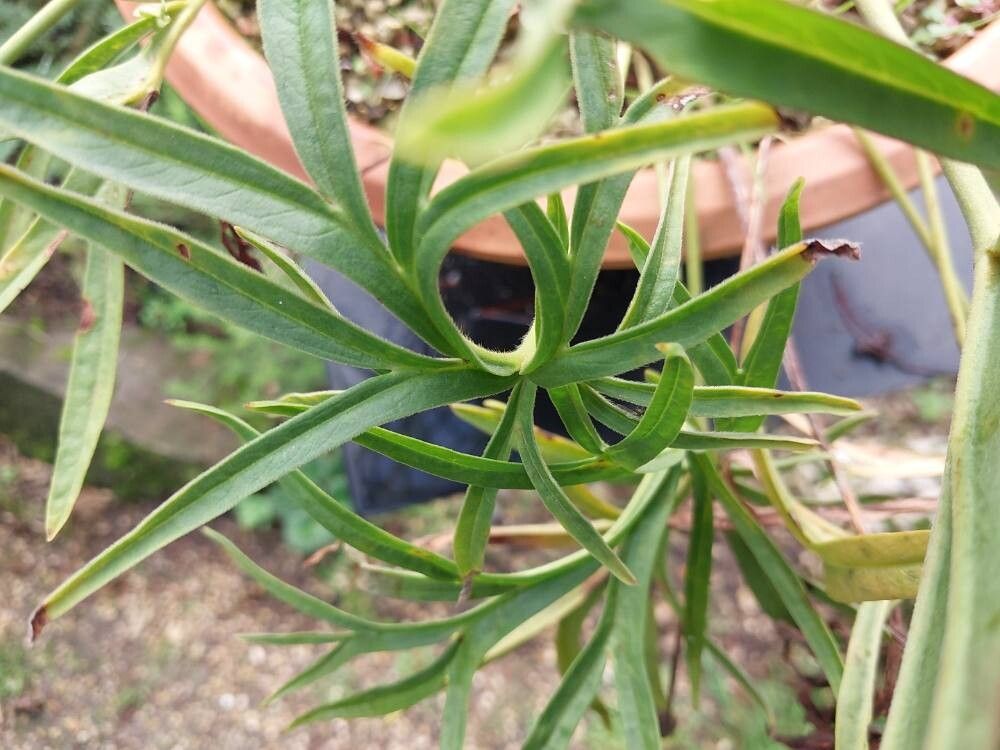
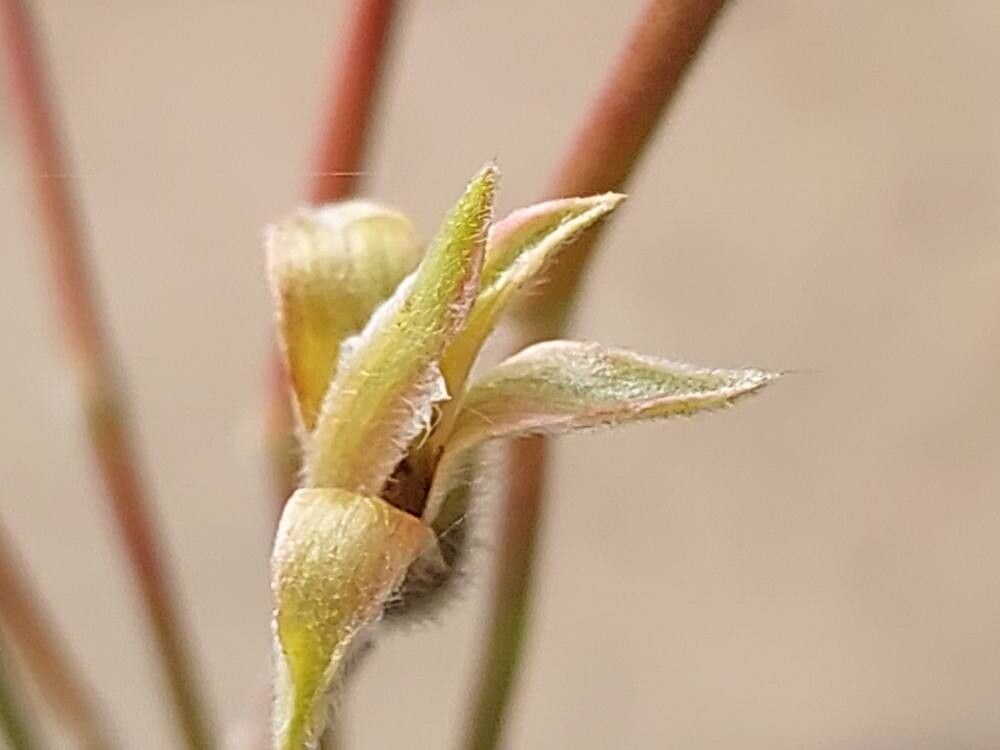
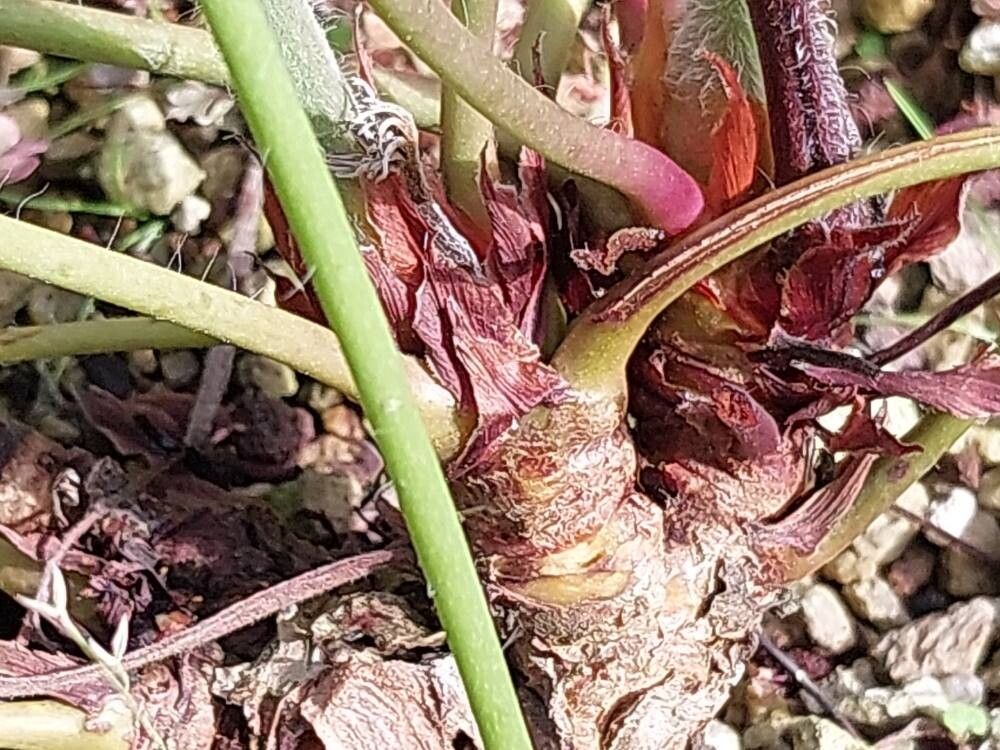
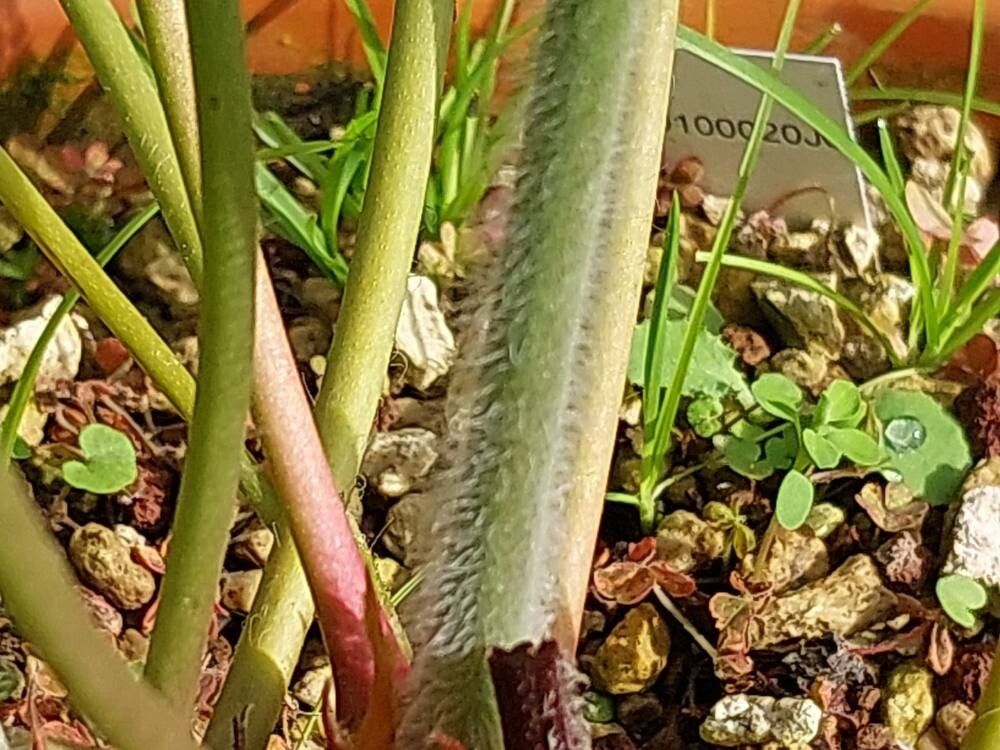
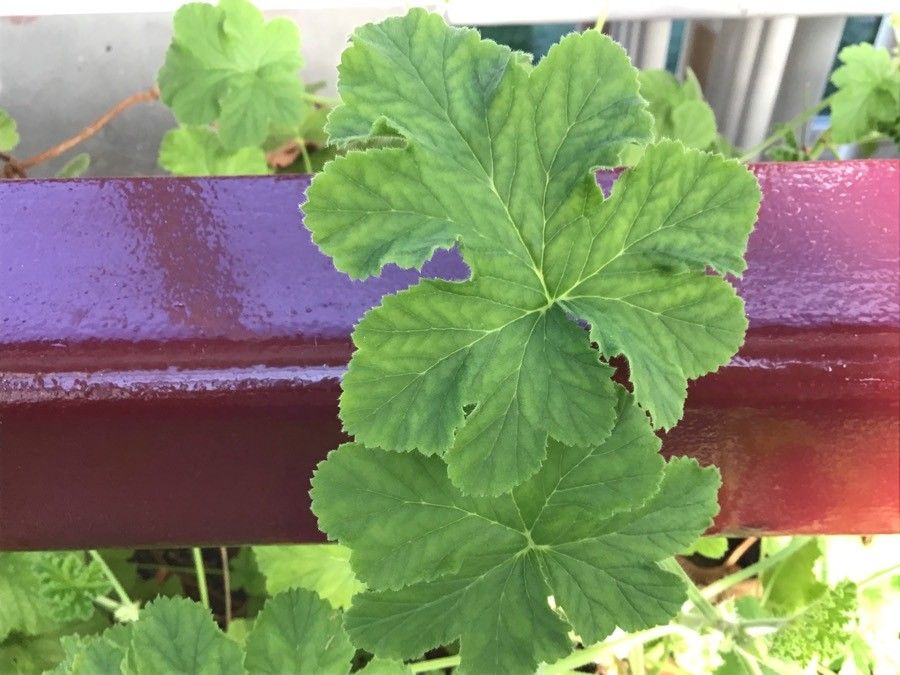
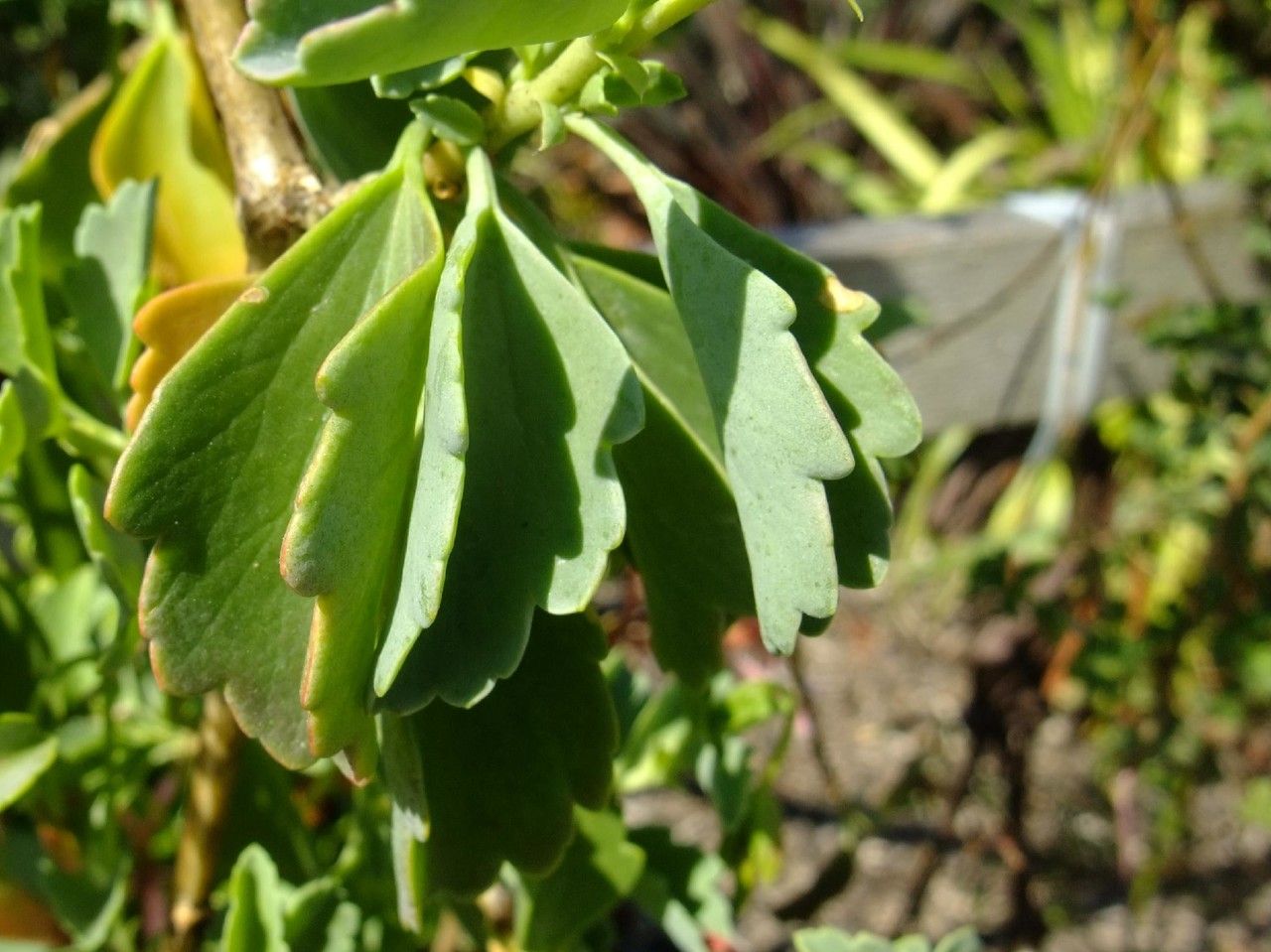
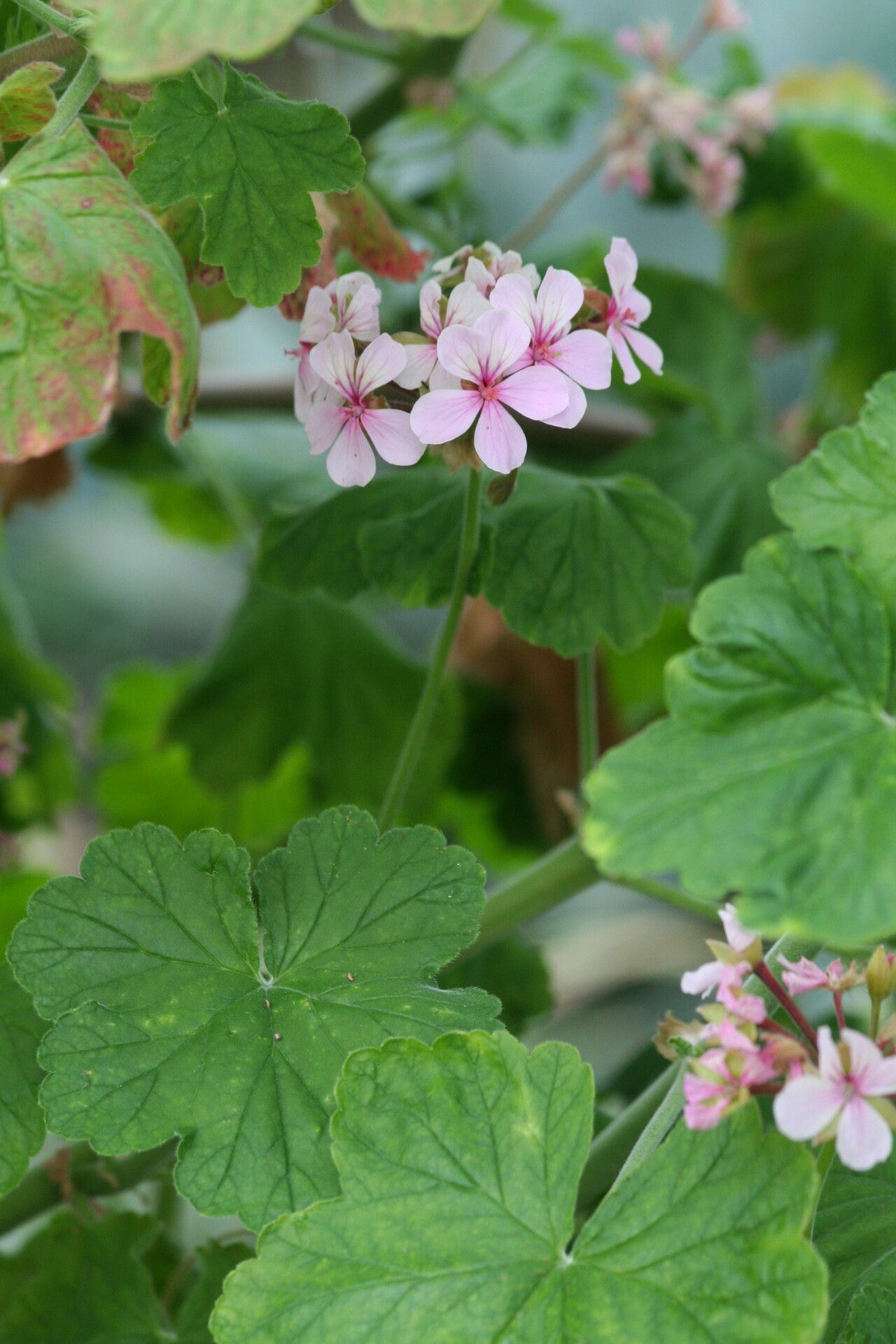
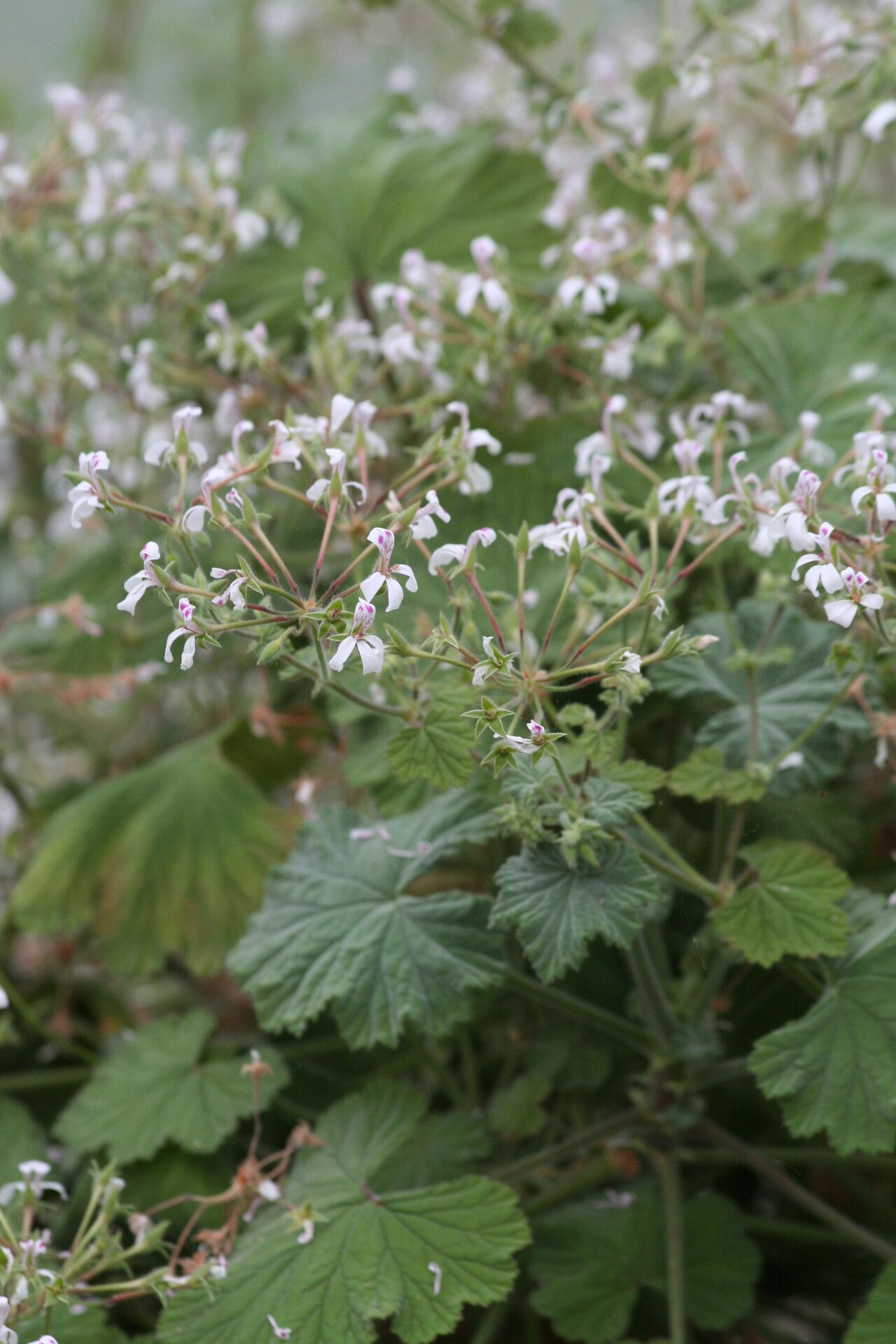
Pelargonium luridum, locally called variable stork's bill, is a medium high, tuberous herbaceous perennial geophyte, belonging to the Stork's bill family, with white to pink, slightly mirror symmetrical flowers in umbels on long unbranched stalks directly from the ground rosette that consists of few initially ovate, later pinnately incised or linear leaves, with blunt teeth around the margin. The variable stork's bill naturally occurs from South Africa to Angola, southern Congo and Tanzania.
Storksbill has good disease resistance and is generally not prone to illnesses. However, it can be affected by pests and diseases present in its environment. These infections are typically not serious. In terms of care, this plant requires a moderate level of maintenance. It should be pruned regularly to maintain an attractive appearance and healthy growth. Fertilizing can also help encourage flowering. Storksbill is suitable for anyone with outdoor space, such as a garden or patio, and does not demand extensive plant-care experience. It may need more attention when grown indoors.
How to keep Pelargonium Luridum.
Light
High light exposure is an important requirement for storksbill to achieve optimal growth. During its various growth stages it does better with ample sunlight. Originating from habitats with abundant sun, it can also tolerate slightly shaded conditions. Just as excessive light can scorch the leaves, insufficient sunlight may impede the plant's overall growth.
Temperature
Storksbill shows good temperature adaptability, tolerating higher heat and wider temperature fluctuations. In hot conditions, attention should be given to watering and suitable shading should be provided to avoid sunburn. Conversely, Storksbill is relatively sensitive to low temperatures; although it can endure some cold, very low temperatures can cause frost damage.
Fertilizer
The best time to fertilize a Storksbill is in early spring, as it comes out of dormancy and starts active growth. Fertilizing supplies essential nutrients for healthy development. Although Storksbill has fairly low fertilizer requirements, an annual application can boost its survival and encourage better, longer-lasting flowers.
Botanical profile.
- Plant Type
- Herb
- Life Cycle
- Perennial
- Genus
- Pelargonium
- Family
- Geraniaceae
- Hardiness Zone
- 9-11
- Mature Height
- 91 cm
- Mature Spread
- 30 cm to 49 cm
- Leaf Color
- Green
- Leaf Type
- Semi-evergreen
- Flower Color
- Pink, Purple
- Flower Size
- 1.52 cm to 2.03 cm
- Bloom Time
- Spring, Early summer, Mid summer
- Planting Time
- Spring
- Harvest Time
- Late spring, Summer
- Native Area
- Malawi, Lesotho, Angola, Mozambique, South Africa, Zambia, Eswatini, Namibia, Congo (DRC), Tanzania, Zimbabwe
Other names.