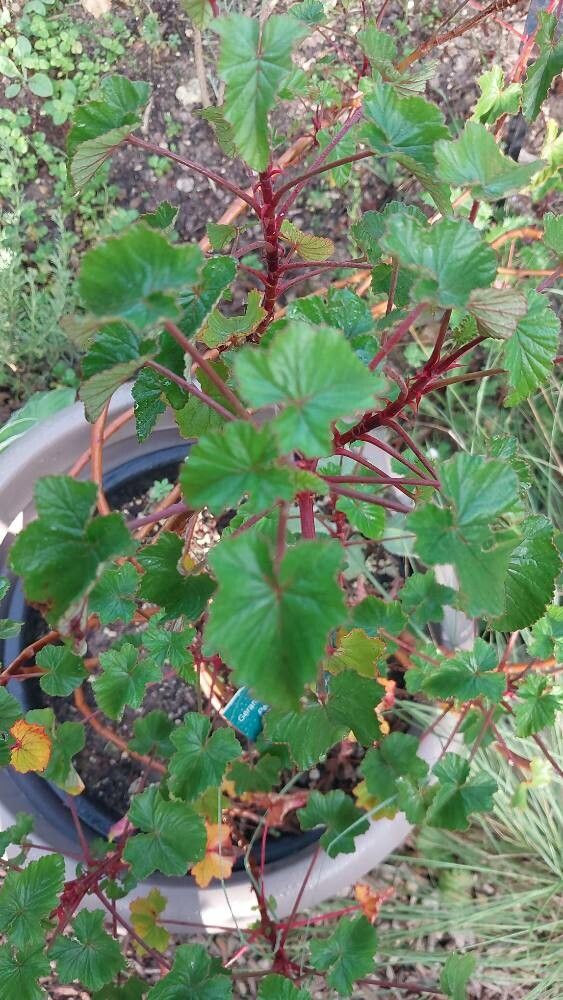
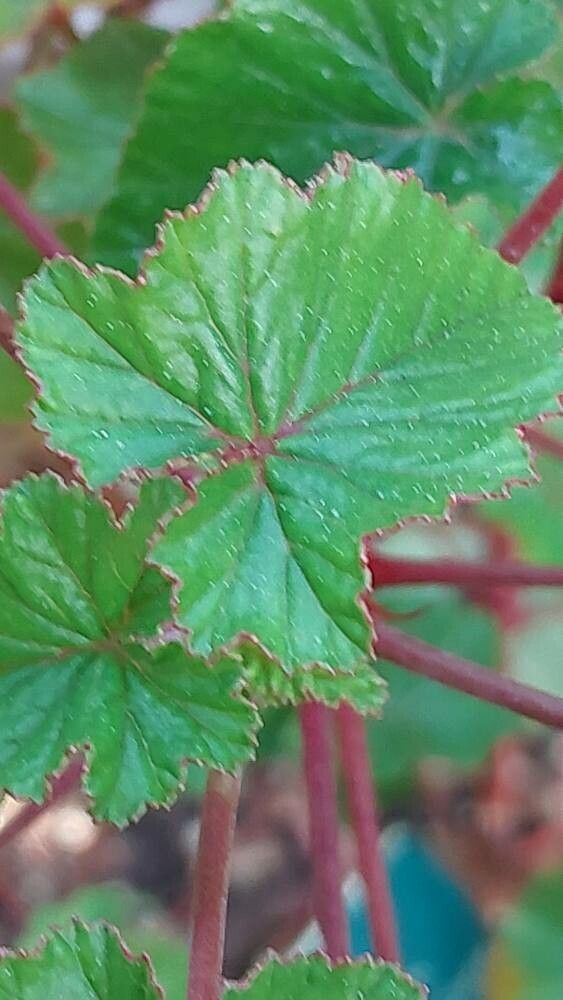
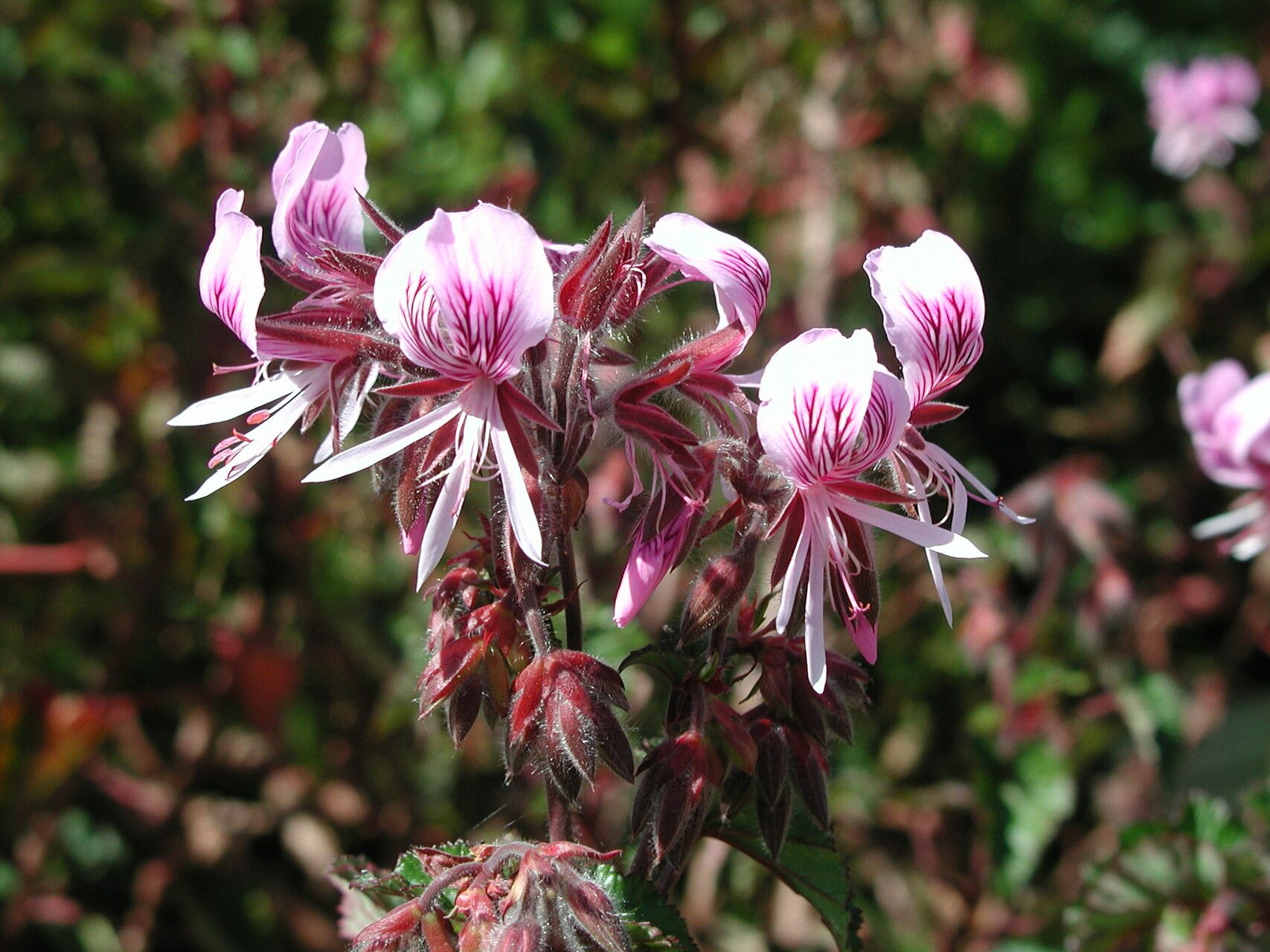
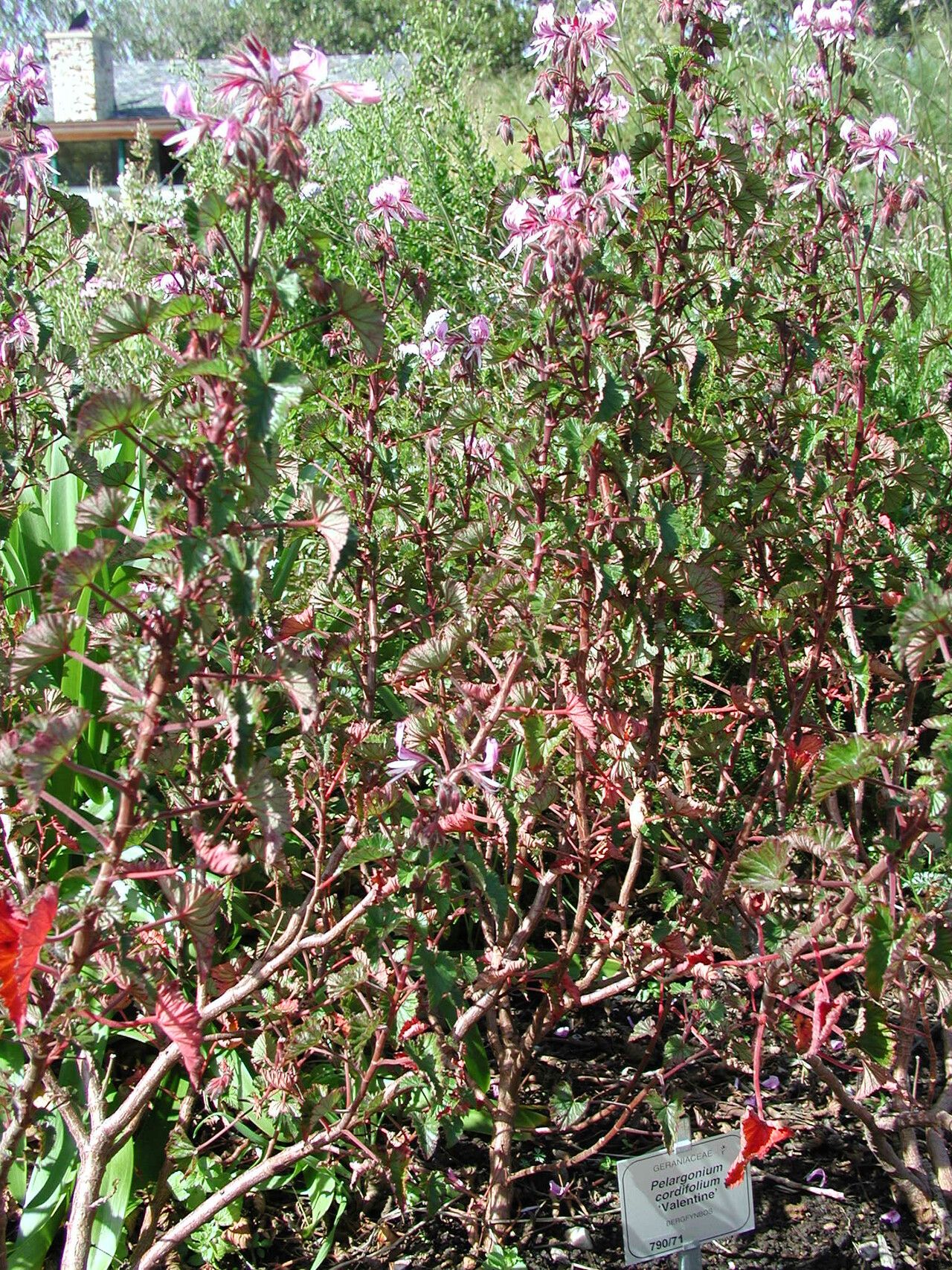
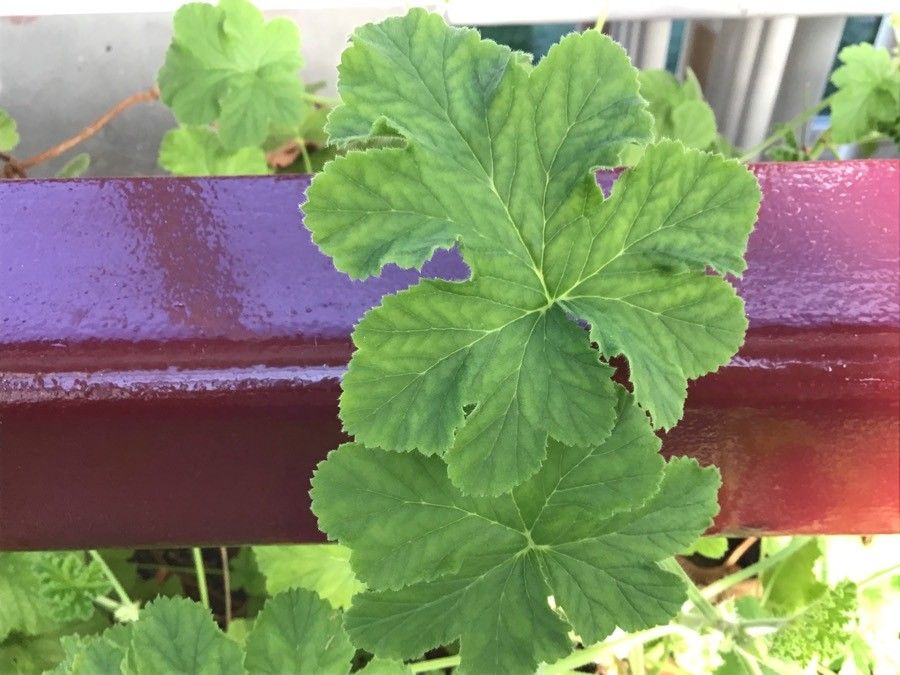
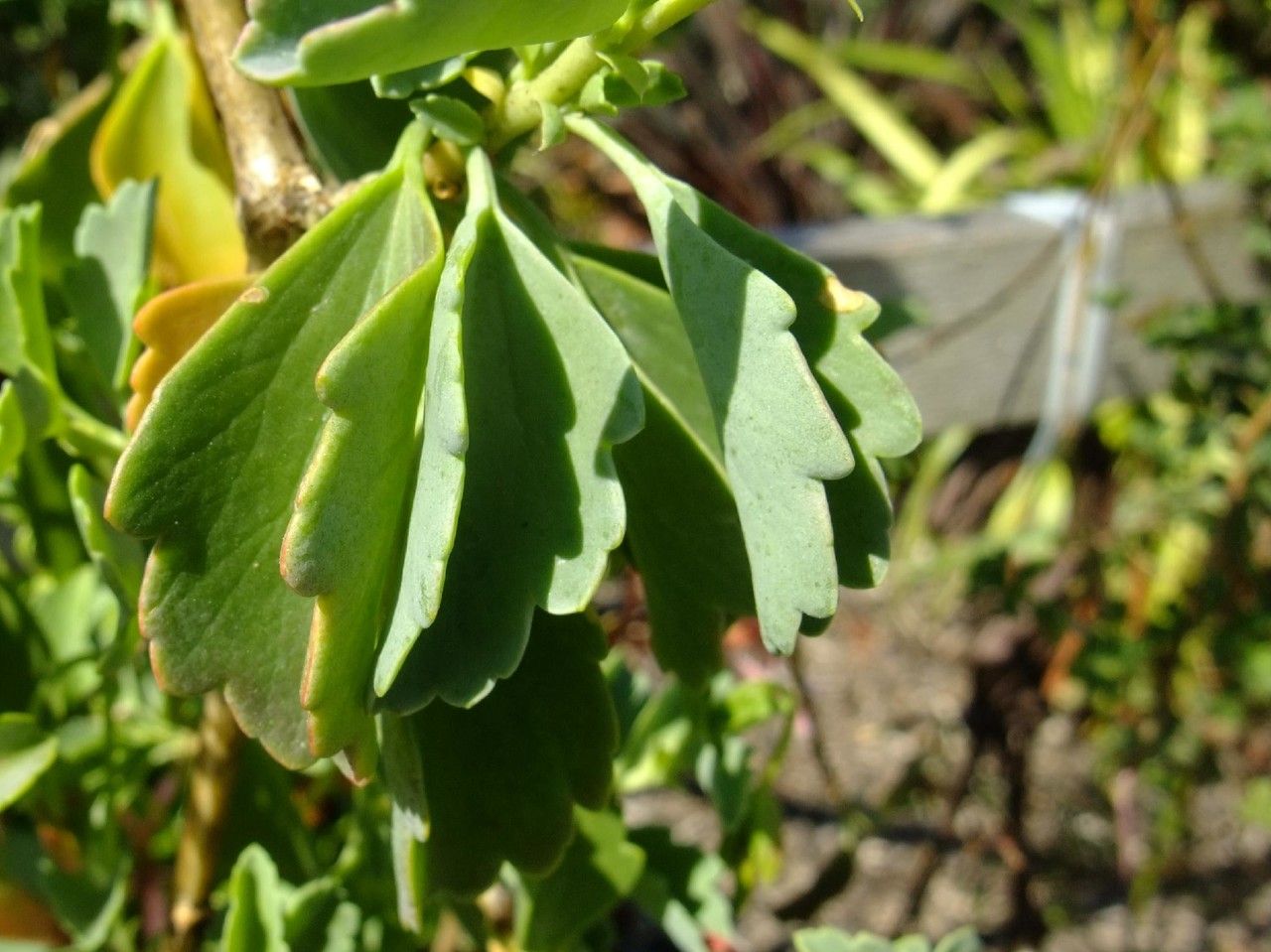
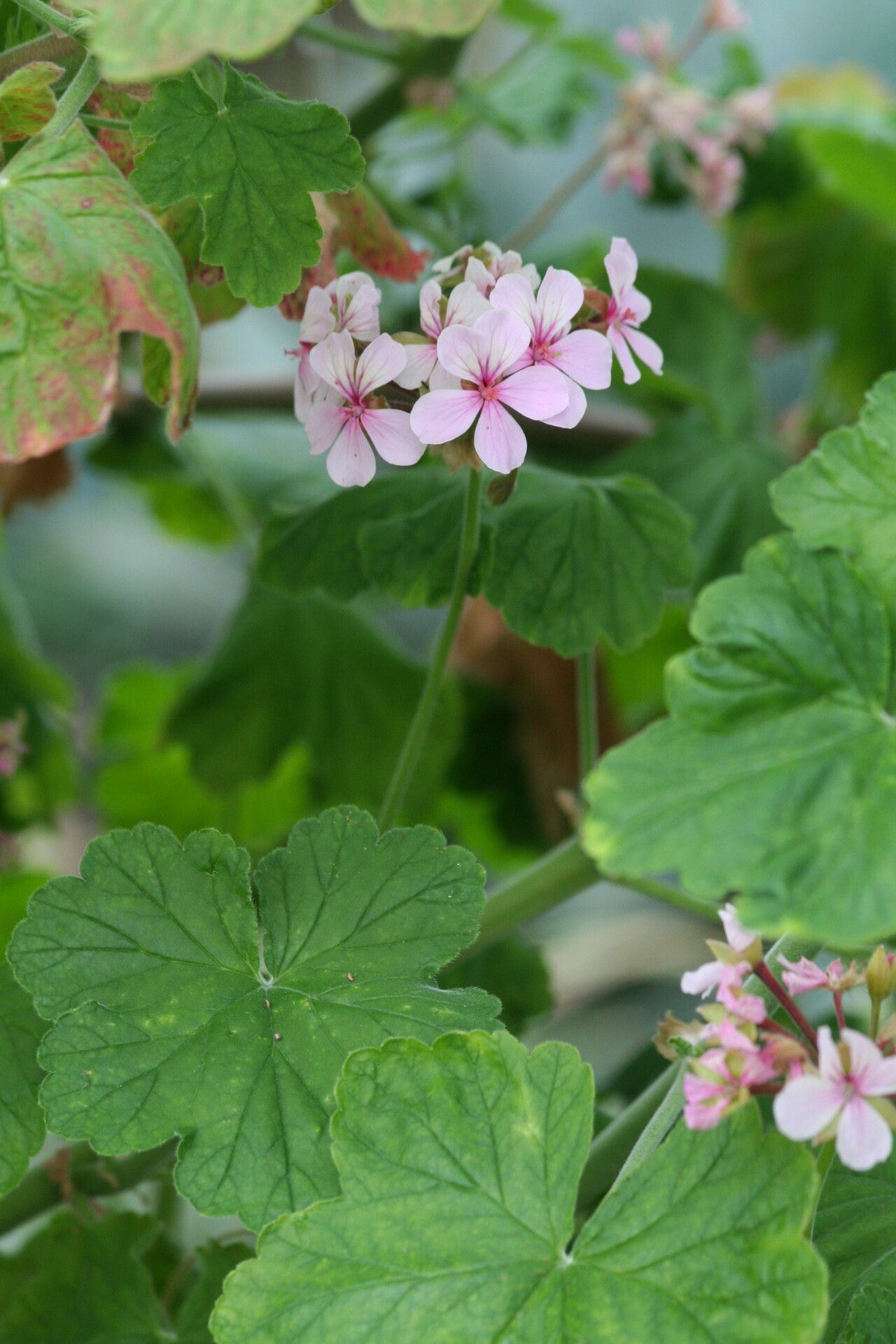
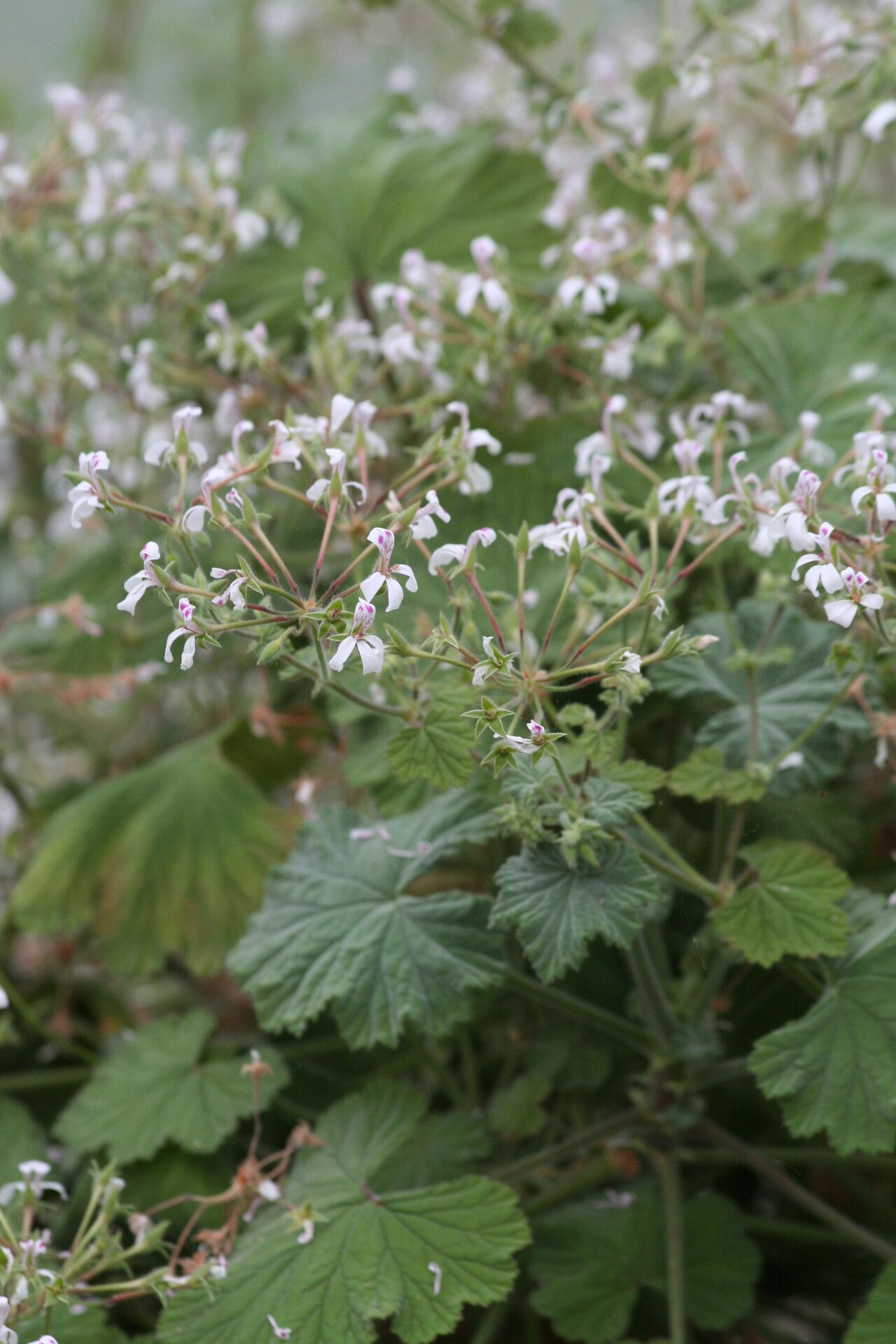
Pelargonium cordifolium is a plant endemic to the fynbos region of the Southern Cape of South Africa.
Heart leaf geranium has moderate disease resistance and is more sensitive to humidity and overwatering. It is also more likely to develop disease when kept in low light and overwatered. In terms of care, the heart leaf geranium tolerates drought and can withstand long intervals without watering. It requires little fertilizer and only occasional pruning. For that reason, it suits people of all experience levels, especially those who prefer to spend less time on plant care or who may be away from home for extended periods. It’s a good option for anyone who doesn’t want to invest a lot of time in maintenance but still wants an easy-to-care-for plant.
How to keep Pelargonium Cordifolium.
Light
heart leaf geranium is native to habitats with dappled light, such as the understory of forests or rocky sites that offer natural shade. it favors partial sun but can also tolerate full sun.
Water
Pelargonium cordifolium, native to arid regions, thrives in dry conditions and is highly drought-tolerant, typically requiring only weekly watering. In its natural habitat, occasional rainfall boosts its resilience to dry spells. When grown outdoors in temperate climates, it benefits from seasonal rain patterns, which promote optimal health.
Temperature
The heart leaf geranium does best in warm conditions and needs elevated temperatures during the growing season to encourage growth and metabolic activity. It favors abundant sunlight, suitable moisture, and good airflow. However, it can be harmed by very low temperatures and by too much watering. It's important to maintain a balance and to avoid both excessively high heat and overly dry conditions.
Fertilizer
For heart leaf geranium, light applications of fertilizer once or twice a year during the growing season are sufficient. Avoid fertilizing in winter and in summer when it is dormant. Cut back on fertilizer for repotted plants and wait a couple of months after repotting before fertilizing. Fertilizing supports healthy growth and encourages blooms.
Pruning
Pelargonium cordifolium is known for its heart-shaped leaves and vibrant flowers. To promote healthy growth and abundant blooms, prune the plant in early spring. Be sure to remove any dead stems and trim back leggy branches. Making clean, angled cuts will improve air circulation and sunlight exposure, both of which are essential for the vigorous development of Pelargonium cordifolium.
Pot & Repot
Repot Pelargonium cordifolium every 2 to 3 years during the spring to encourage healthy root growth. Choose a slightly larger pot and keep the soil evenly moist. After repotting, place the plant in indirect light to help it adjust optimally to its new environment.
Botanical profile.
- Plant Type
- Herb, Succulent
- Life Cycle
- Perennial
- Genus
- Pelargonium
- Family
- Geraniaceae
- Hardiness Zone
- 9-11
- Mature Height
- 1.52 m
- Mature Spread
- 1.52 m
- Leaf Color
- Green, Dark Green
- Leaf Type
- Evergreen
- Flower Color
- Pink
- Flower Size
- 3.05 cm to 5.08 cm
- Bloom Time
- All year round
- Planting Time
- Spring, Summer, Autumn
- Harvest Time
- All year round
- Native Area
- South Africa
Other names.